Marseille surprised me more than most of the large French cities I have visited. It is not elegant in the way Paris is, it does not try to be a polished resort on the French Riviera, and there are certainly plenty of places that do not look as though they were prepared especially for tourists. It can be noisy, crowded, slightly chaotic, and sometimes dirty, but that is also precisely what gives Marseille a character that is difficult to ignore.
If you come here for only a few hours, you will probably see the Old Port, make your way up to Notre-Dame de la Garde and leave thinking that Marseille is an interesting city. Stay for two or three days, however, and begin exploring the side streets, museums, old districts and places farther away from the harbour, and you will discover something quite different. Treat this article as a starting point for exploring Marseille. Beside the most important attractions, you will find links to our more detailed guides, where I have written about their history, sightseeing, interesting facts and practical information.
Marseille is a city worth giving a little time
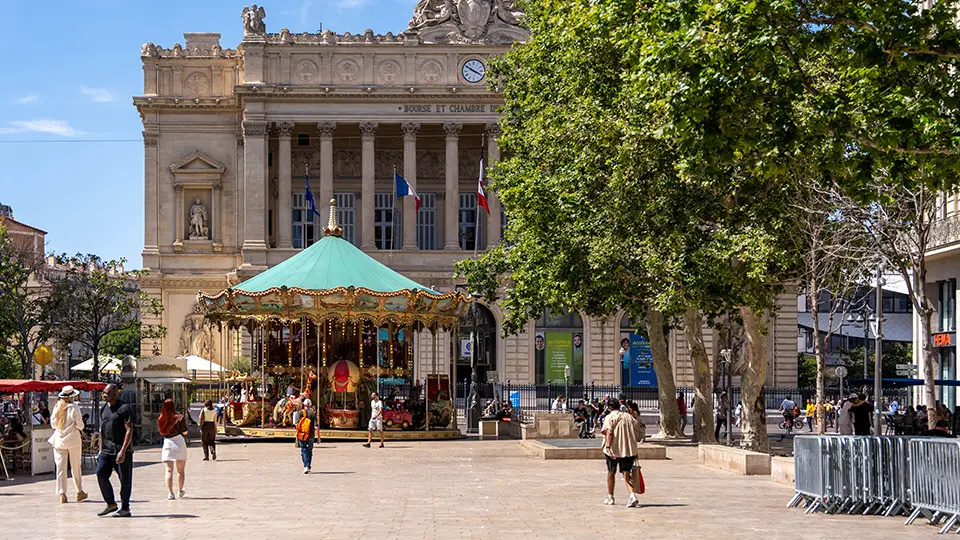
Marseille is one of those cities that should not be judged after a single walk. It was founded around 600 BC as the Greek settlement of Massalia and is one of the oldest cities in France. For more than two and a half thousand years, its life has been shaped above all by the sea. Merchants, sailors, soldiers, travellers, and people searching for a new place to live have been arriving here for centuries, and you can still see the results today.
Marseille is exceptionally multicultural. In one part of the city you will see monumental nineteenth-century buildings, a few streets farther on you may find African shops and Arab bakeries, and after another fifteen minutes you can be walking beside the Mediterranean. I would therefore not try to explore Marseille purely as a city of historic monuments. For me, the combination of history, museums, the harbour, local neighbourhoods and simply observing everyday life was far more interesting. One of my greatest pleasures was going out into the streets at different times of day and wandering without much of a plan, using Notre-Dame de la Garde high above the city almost like a compass.
Vieux-Port – the Old Port and the place where I would begin exploring Marseille
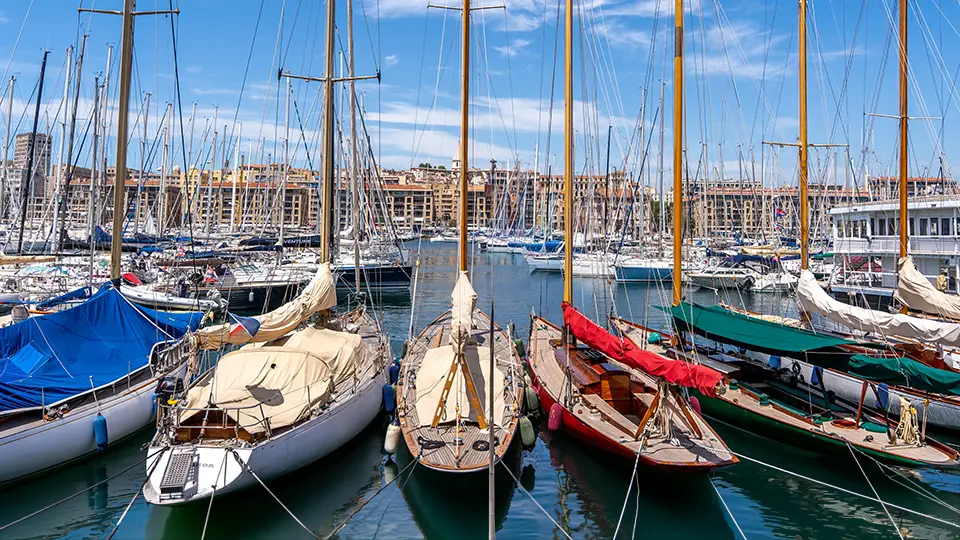
If you are visiting Marseille for the first time, start at Vieux-Port, the Old Port. In many ways, this is where the story of the city began. You will no longer see huge merchant ships here, as they now use the modern port terminals farther along the coast. Instead, the Old Port basin is filled mainly with yachts, sailing boats and small fishing vessels.
Restaurants, bars, and cafés surround the harbour, while residents and visitors move constantly along the quays throughout the day. In the morning, you may still come across fishermen selling their fresh catch; later, the area becomes increasingly busy, and by evening it turns into one of Marseille’s most popular meeting places. I would also use Vieux-Port as a useful point of reference. From here, you can easily walk towards Le Panier, Fort Saint-Jean, MUCEM and La Major Cathedral, or head in the opposite direction towards Notre-Dame de la Garde.
Basilica of Notre-Dame de la Garde – the best view of Marseille
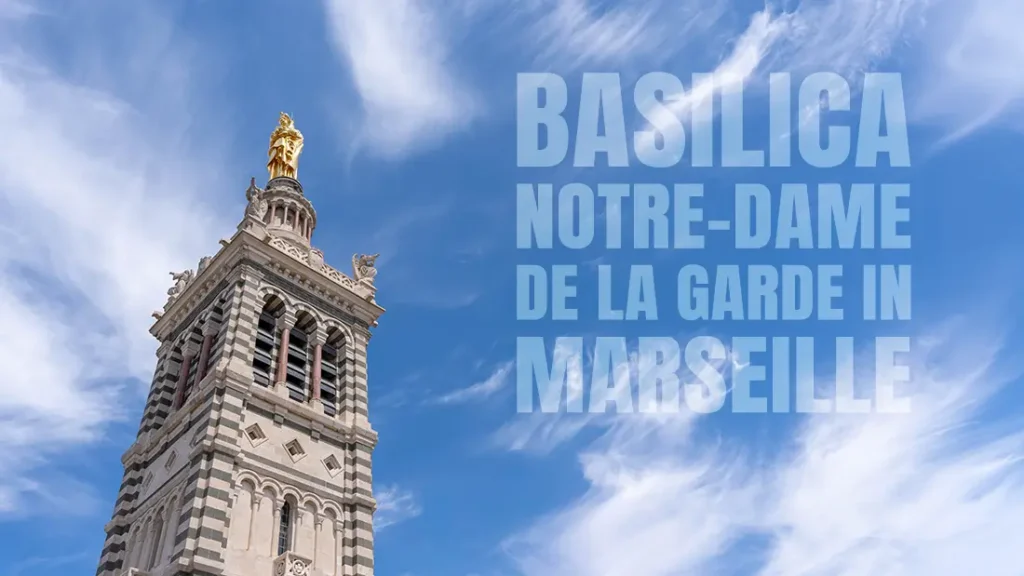
If I had to choose just one attraction in Marseille that should be seen during a first visit, I would probably choose Notre-Dame de la Garde. The basilica stands on a hill rising around 150 metres above the city and can be seen from an enormous part of Marseille. On top of its bell tower stands a gilded statue of the Virgin Mary and Child, known to local people as La Bonne Mère – the Good Mother.
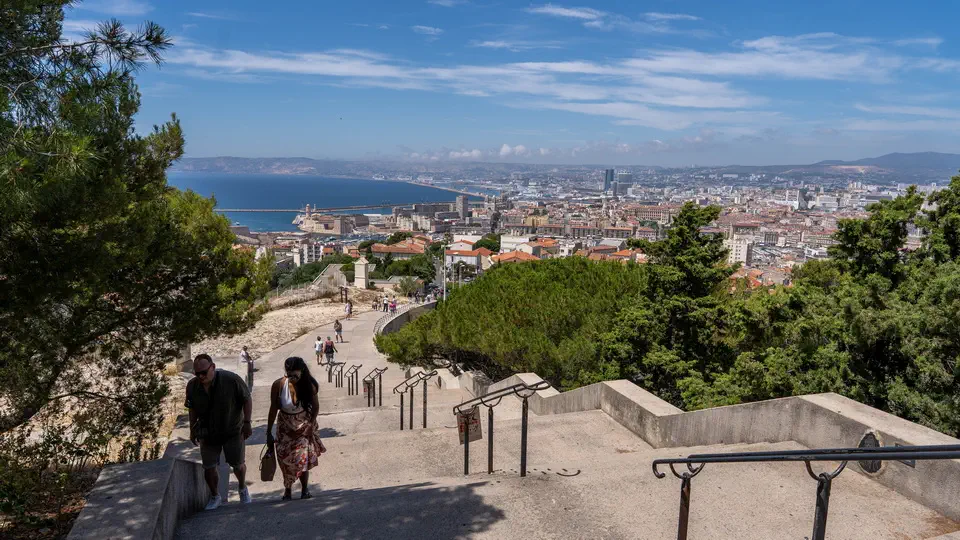
The church itself is fascinating, but its location impressed me just as much. From the terraces you can see the Old Port, central Marseille, the coastline, the islands, and the mountains surrounding the city. In good weather, the panorama is superb. Inside, look out for the model ships hanging beneath the vaults. They are votive offerings left by sailors asking for protection or giving thanks for returning safely home, something that has particular meaning in a city whose life has depended on the sea for centuries. I have written much more about the church, its interior, legends and practical details in my separate guide to the Basilica of Notre-Dame de la Garde.
Le Panier – Marseille’s oldest district
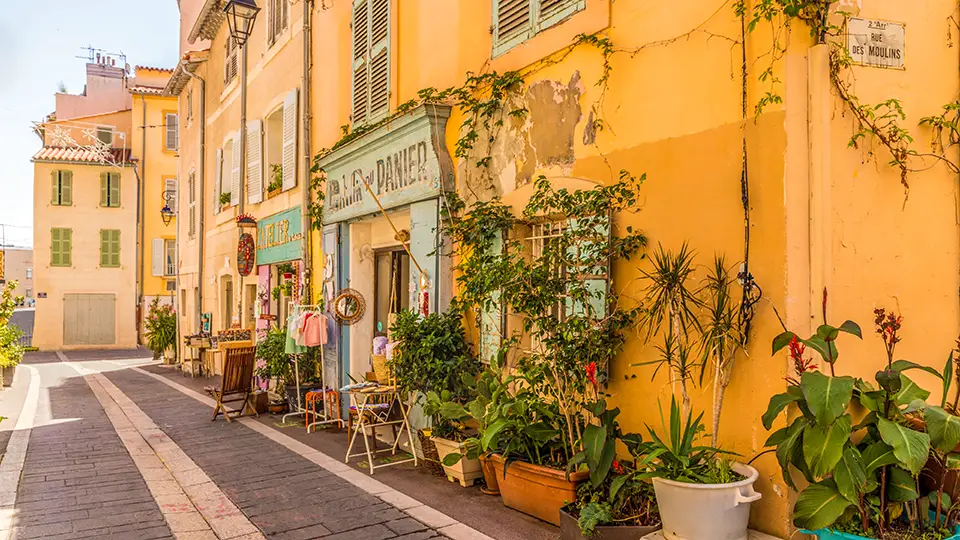
After visiting the Old Port, I would definitely walk to Le Panier. This is the oldest part of Marseille and also somewhere worth forgetting about your map for a while. Narrow streets rise and fall between old buildings, suddenly turning into stairways, small squares, murals, galleries, cafés and little independent shops. Some corners are noticeably touristy, while others still feel like ordinary residential streets in southern France.
I would not come here looking for one particular attraction. The greatest attraction of Le Panier is the district itself. Allow at least an hour or two and simply wander.
La Major Cathedral – one of Marseille’s most distinctive buildings
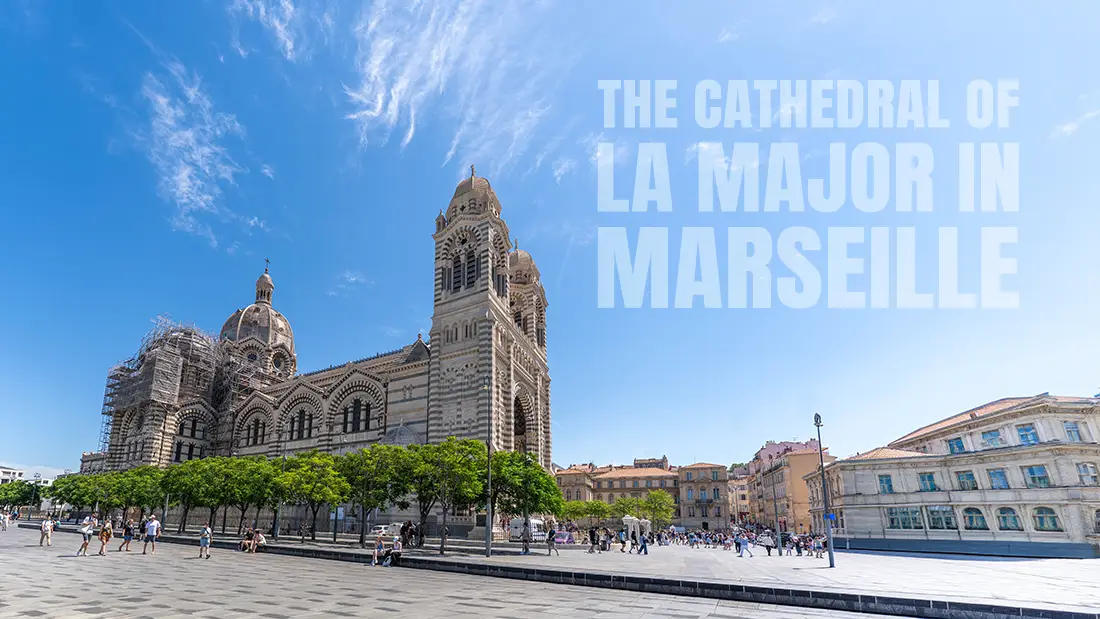
Walking from Le Panier towards the sea, it is almost impossible to miss the enormous Cathédrale Sainte-Marie-Majeure, usually known simply as La Major. Even from a distance, the alternating bands of pale and dark stone immediately catch the eye. Its architecture combines several different styles and, in my opinion, suits Marseille perfectly, as the city itself is a mixture of influences from around the Mediterranean.
The cathedral was built in the nineteenth century during a period of enormous expansion and was intended to emphasise Marseille’s importance as one of France’s leading ports. If you would like to look more closely at the interior and learn about the history of the building, I have prepared a separate guide to La Major Cathedral.
MUCEM – a museum worth visiting even if you do not see the exhibitions
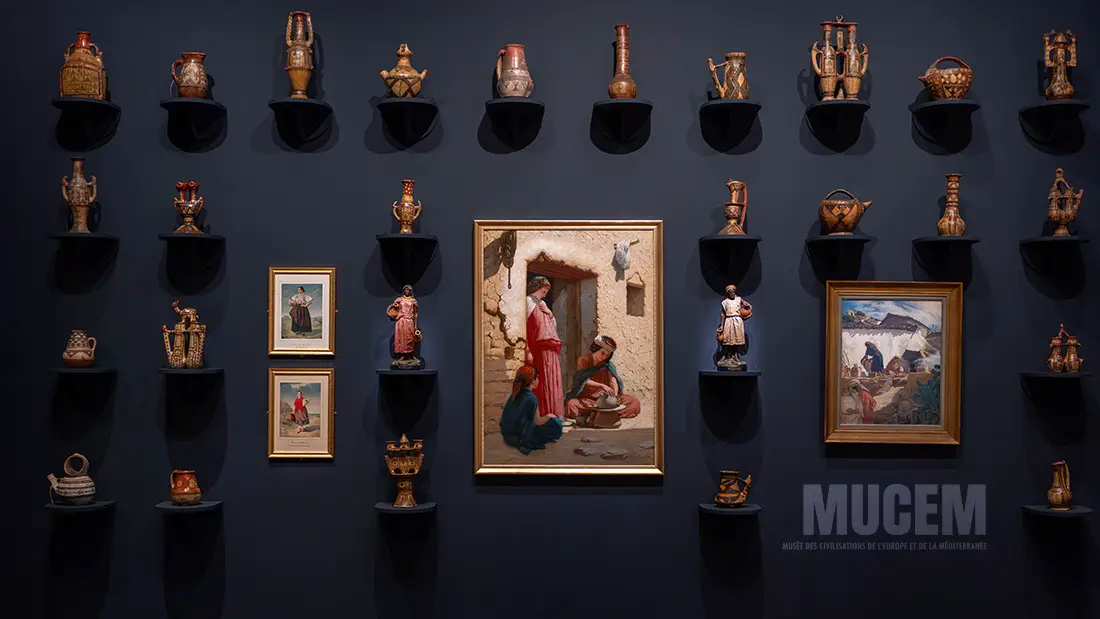
Only a few minutes’ walk from the cathedral stands one of Marseille’s most recognisable contemporary attractions – MUCEM, the Museum of European and Mediterranean Civilisations. Its modern, almost cubic building is covered by a concrete openwork screen that resembles enormous pieces of lace. What I liked most, however, was the way the modern museum has been connected with historic Fort Saint-Jean beside it. A high footbridge joins the two.
Even if you are not particularly fond of museums, I would still come here for the architecture, the walk around the complex and the views across the sea and harbour. If you want to see the exhibitions as well, allow considerably more time. MUCEM is not simply about Marseille; it explores the much wider Mediterranean world.
Fort Saint-Jean
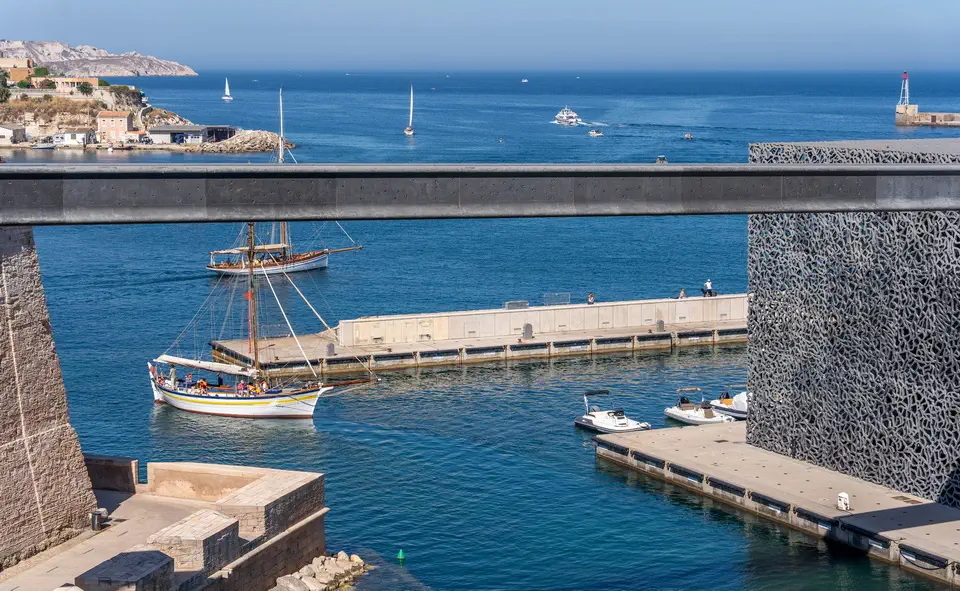
MUCEM flows naturally into Fort Saint-Jean, so I would not treat the two as separate attractions. The fort stands beside the entrance to the Old Port and for centuries formed part of Marseille’s defensive system. Today, its walls, courtyards, gardens, and terraces can be explored in a wholly different way from the days when the complex still served a military purpose.
It is also an excellent place for photographs. On one side you have the Mediterranean, on another Vieux-Port, while the historic fortifications contrast beautifully with the modern architecture of MUCEM.
Cosquer Méditerranée – a journey 30,000 years into the past
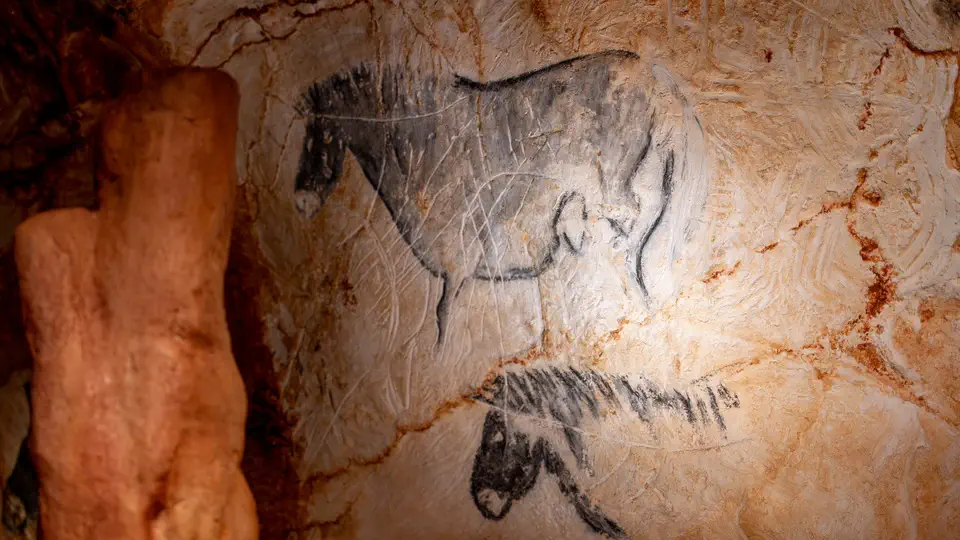
This is one of the most unusual attractions I visited in Marseille. The original Cosquer Cave lies partly underwater near the city and cannot be visited by tourists. Its entrance is now several dozen metres beneath the surface of the Mediterranean because sea levels have risen enormously since prehistoric people used the cave. Marseille, however, has created an impressively detailed reconstruction of parts of it.
During the visit, you see reproductions of prehistoric paintings depicting animals including horses, bison and marine creatures. For me, the most enormous value of the experience was realising just how dramatically the landscape of southern France has changed since the people who created those images lived here. If you enjoy archaeology and prehistory, have a look at our detailed guide to Cosquer Méditerranée.
Palais Longchamp – one of the most beautiful buildings in Marseille
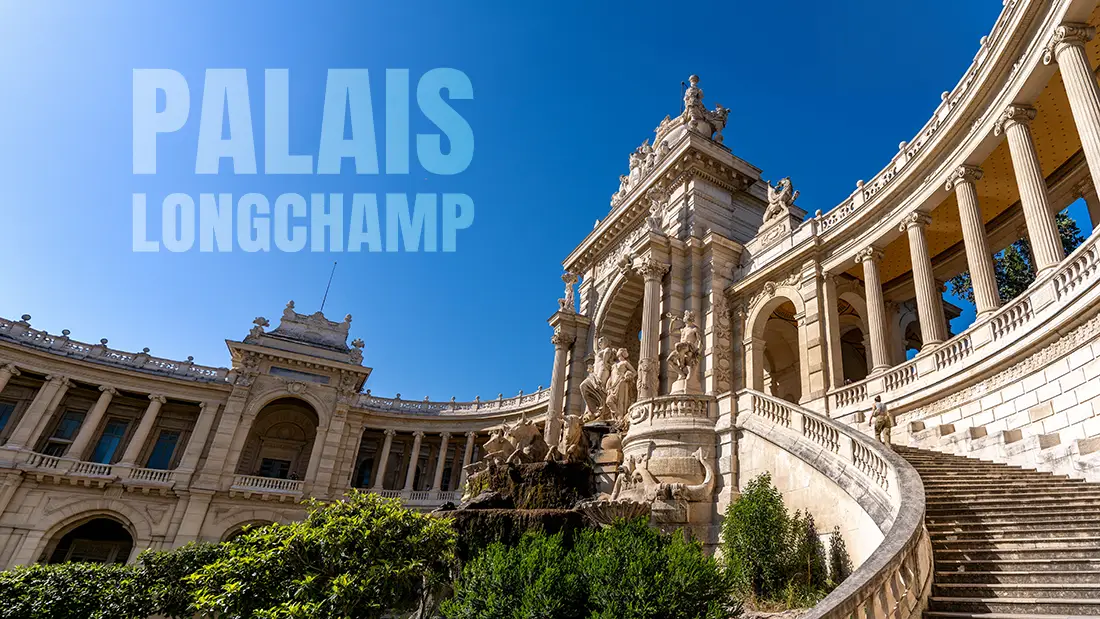
Do not make the mistake of limiting your Marseille sightseeing entirely to the harbour area. One place that is definitely worth travelling a little farther for is Palais Longchamp. When I first saw its monumental colonnade, sculptures and enormous fountain, my immediate thought was that it looked like a grand palace built for some wealthy French aristocrat. The reality is considerably more interesting.
Palais Longchamp was created primarily as a monument celebrating the completion of the canal that brought water to Marseille. Today, it is difficult to imagine just how serious the shortage of clean water once was in this rapidly expanding city. The complex also contains two museums and is surrounded by a park, which means that you can easily spend several hours here.
Musée des Beaux-Arts – the art museum inside Palais Longchamp
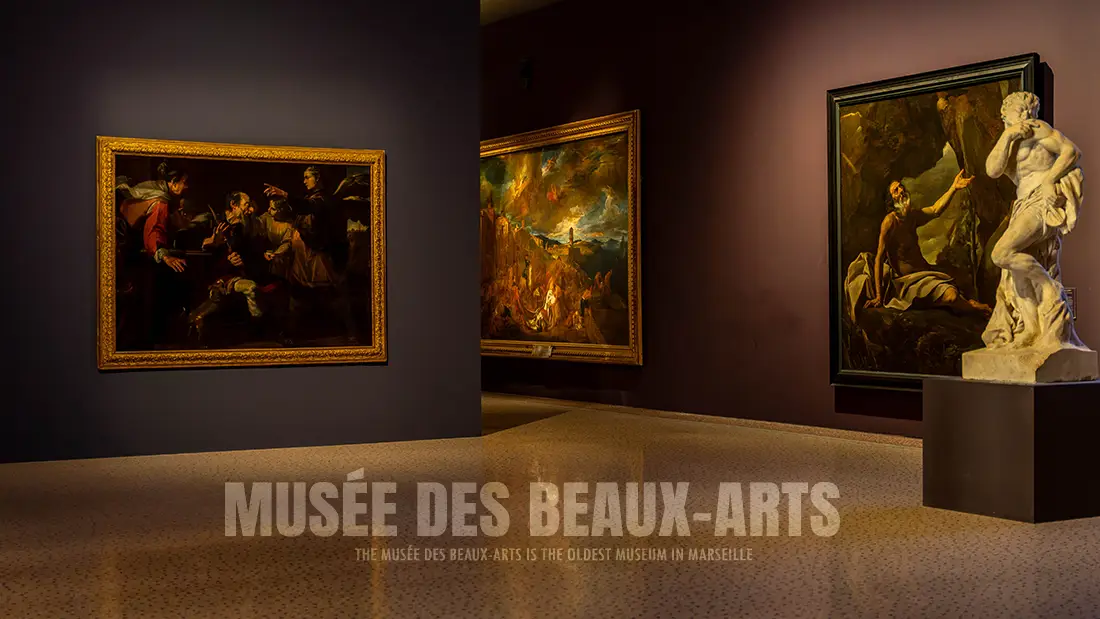
One wing of Palais Longchamp contains the Musée des Beaux-Arts, Marseille’s Museum of Fine Arts. If you are interested in painting and sculpture, it is definitely worth going inside rather than simply admiring the fountains outside. The collection focuses mainly on European art from the sixteenth to nineteenth centuries, with particularly strong representation of French, Italian and Provençal artists.
For me, another advantage of the museum is its location. You can quietly explore the galleries before stepping straight outside into monumental Palais Longchamp and relaxing in the surrounding park.
Maison Yellow – an anise museum and an entirely different side of Marseille
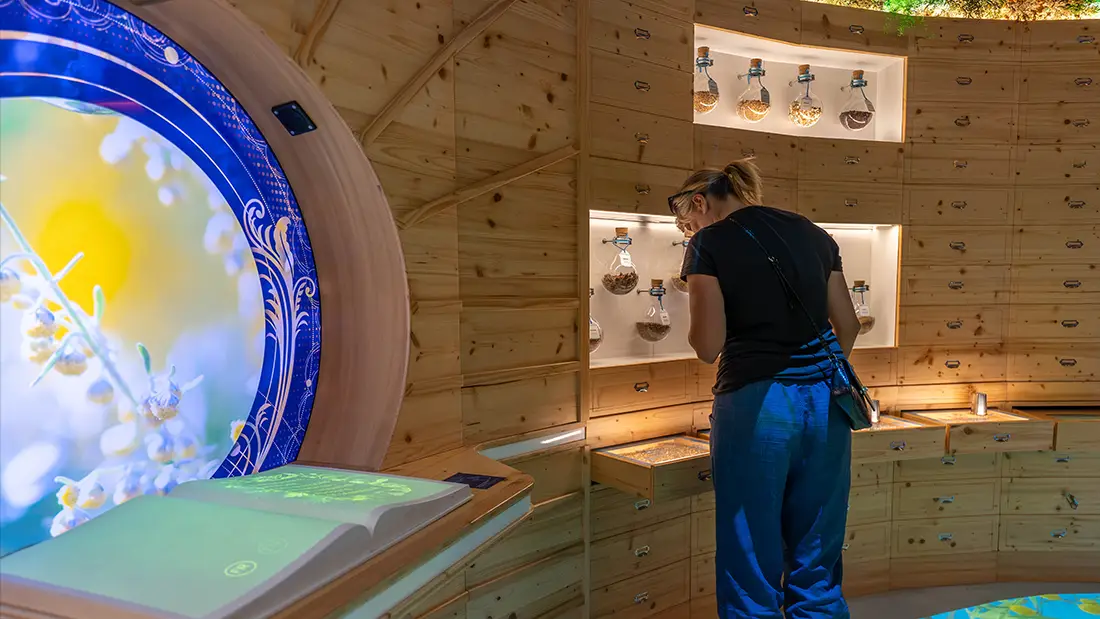
After the large museums and monumental landmarks, I recommend something considerably lighter. Maison Yellow – Musée de l’Anis explores anise, aperitif culture and one of the products most closely associated with southern France – pastis. It is a relatively small and much more playful attraction than MUCEM or Musée des Beaux-Arts. You can learn how anise flavours are produced and see old advertisements, bottles, and objects connected with the culture surrounding pastis.
I would not describe Maison Yellow as an essential Marseille attraction, but these are precisely the sort of places I enjoy discovering during longer trips. They allow you to see a city from an entirely different perspective.
Museums in Marseille – it is worth leaving some time for them
Marseille turned out to be a much more interesting museum city than I had originally expected, which is why I would not plan every day purely as a walk between historic landmarks. In addition to MUCEM, Musée des Beaux-Arts, Cosquer Méditerranée and Maison Yellow, there are archaeological and historical museums as well as collections devoted to the culture of Provence.
Museums are also extremely useful during the hottest part of summer. Walking around Marseille when temperatures rise above 30°C can become exhausting, so in the middle of the day I was often pleased to exchange the sun-baked streets for an air-conditioned museum.
Château d’If – a prison on an island
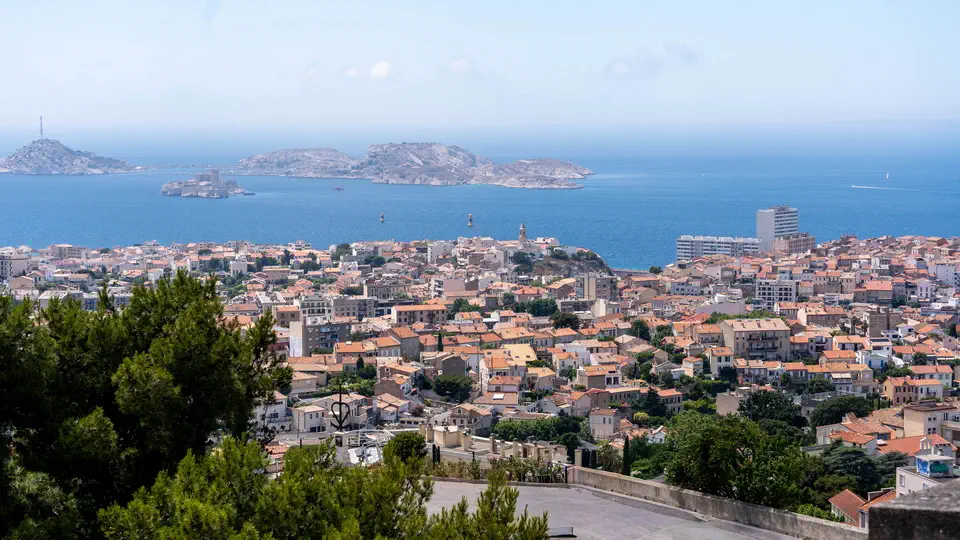
If you have more than one day, consider taking a boat to Château d’If. The fortress stands on a small island in the Frioul archipelago just off Marseille. It was built in the sixteenth century as part of the city’s defences before later becoming a prison. Its worldwide fame, however, comes largely from literature. Alexandre Dumas chose Château d’If as the prison of Edmond Dantès in The Count of Monte Cristo.
Dantès is, of course, fictional, but the story became so powerful that Château d’If is now one of Marseille’s best-known attractions. I would treat the boat trip itself as part of the experience as well, because seeing Marseille from the sea gives you a much better sense of the city’s setting.
Frioul Islands – escaping the city
If you have more time, continue to the Frioul Islands. These rugged, rocky islands feel completely different from the crowded centre of Marseille. You will find little coves, walking paths, the remains of fortifications and excellent views of the coast.
In summer, take plenty of water, something to cover your head and, preferably, swimming gear. Shade is limited and the Mediterranean sun can be relentless.
Calanques – somewhere I would leave for a separate day
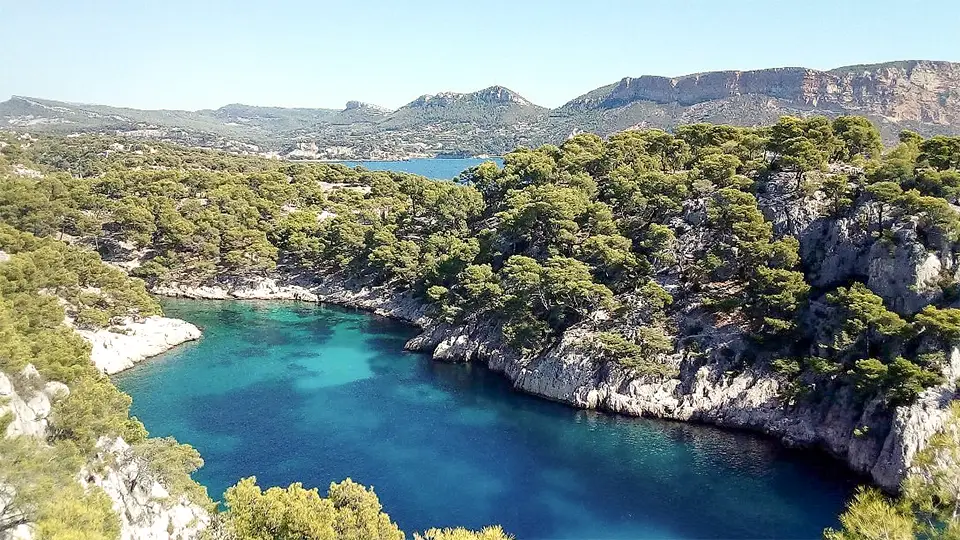
Marseille has another enormous advantage. You only need to escape the built-up centre to find yourself in one of the most spectacular stretches of Mediterranean coastline in France. Parc National des Calanques is renowned for its deep inlets cutting between high limestone cliffs. Turquoise water, white rock faces and small beaches create some truly spectacular scenery.
I would devote an entire day to the Calanques. You can choose a walking route or see some coves during a boat trip. Remember, however, that access to certain areas may be restricted during summer because of the high risk of wildfires. Always check the current regulations before travelling.
La Corniche – Marseille from the sea
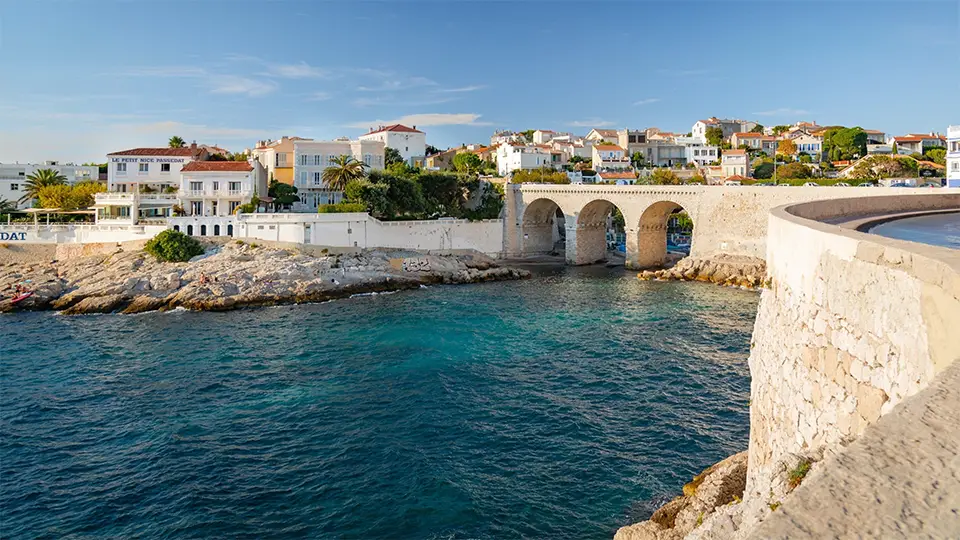
If you still have some energy after a full day of sightseeing, go for a walk along the Corniche Président John Fitzgerald Kennedy. The road follows the coastline and reveals a much calmer side of Marseille. Along the way you will find viewpoints, beaches, small harbours and restaurants.
It is particularly pleasant in the late afternoon, when the sun begins dropping lower over the Mediterranean.
Vallon des Auffes – a tiny harbour hidden inside a huge city
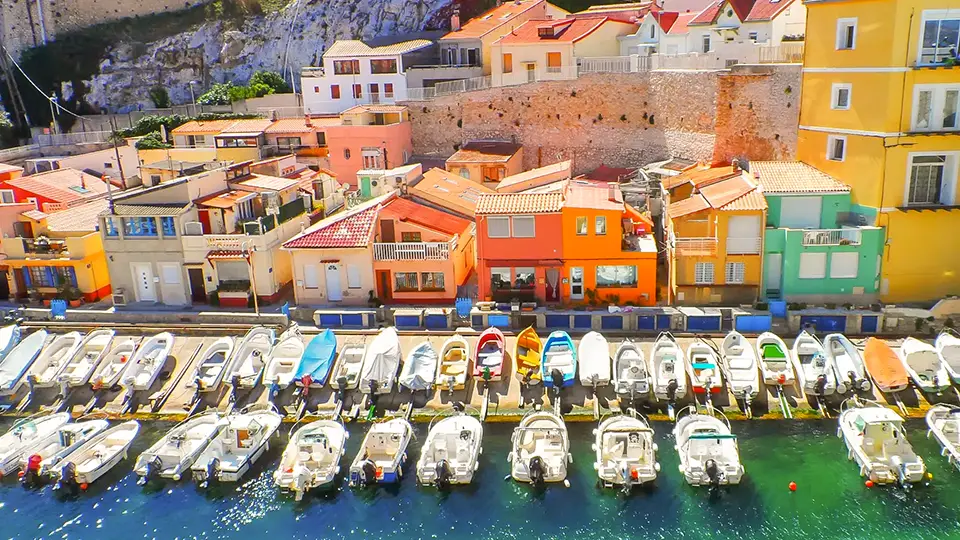
One of the places along the Corniche that is especially worth seeing is Vallon des Auffes. This small traditional fishing harbour is tucked between rocks and the surrounding city buildings. Colourful boats, little houses and the stone bridge create a scene wholly different from the enormous Vieux-Port.
I would come mainly for the atmosphere and views, preferably towards the end of the day.
What to eat in Marseille? A definitely worth cuisine exploring
Marseille is the kind of city where I regard food as part of the sightseeing experience. Its cuisine grew out of the same mixture of cultures that you see in the streets. On one side there is Provence, with olive oil, garlic, tomatoes, and herbs; on another, the Mediterranean provides fish and seafood, while Italian, Corsican, North African and Middle Eastern influences are equally important.
For that reason, I would not restrict myself to restaurants around Vieux-Port. In Marseille, it is worth looking into bakeries, markets, small bars and restaurants hidden a few streets away from the most touristy areas. That is often where you begin to understand just how varied Marseille cuisine really is.
- Bouillabaisse – the culinary symbol of Marseille – Ask a local about the most typical Marseille dish and sooner or later bouillabaisse will come up. This famous fish soup had far humbler beginnings than the prices charged by some restaurants today might suggest. It was originally prepared by fishermen using species that were difficult to sell after the more valuable catch had gone to market. Over time, this simple fishermen’s meal developed into a tradition and a good bouillabaisse can now be one of the more expensive meals of a trip to Marseille. Traditional bouillabaisse may also be served in stages. First comes the intensely flavoured fish broth with toasted bread, garlic and rouille, followed by the fish itself. It is really a complete meal rather than simply a bowl of soup before the main course. If you want to try bouillabaisse, I would make it one of the culinary highlights of your stay rather than ordering a random version at the first restaurant beside the harbour.
- Rouille – a small addition that makes an enormous difference – Bouillabaisse will probably be accompanied by rouille, a thick, strongly flavoured sauce whose name means “rust”, referring to its characteristic colour. It is made with ingredients including garlic, olive oil and spices, although recipes vary. Rouille can be spread over toasted bread or added directly to the soup. I would not underestimate it, because the combination of fish broth, crisp bread, garlic and rouille creates one of those flavours that can remain associated with Marseille long after your trip.
- Panisse – an inexpensive chickpea snack – A much simpler and cheaper local food is panisse, made from chickpea flour, water and olive oil. The mixture is shaped, sliced and usually fried, producing something between chips and small fritters – crisp on the outside and soft in the middle. Panisse is particularly associated with Marseille’s old working-class districts. If you do not fancy sitting down for a long restaurant lunch during a day of sightseeing, it is one local snack worth looking for.
- Navettes de Marseille – biscuits scented with orange blossom – For something sweet, I would try navettes de Marseille. These hard, elongated biscuits are traditionally flavoured with orange blossom water, and their shape is said to resemble a small boat. Several stories and local religious traditions are associated with navettes, particularly around Candlemas on 2 February. Do not expect a soft, extremely sweet biscuit. Navettes are fairly hard, with a distinctive floral and citrus aroma. They are good with coffee and also make one of the easiest edible souvenirs to take home from Marseille.
- Pizza – yes, Marseille really is a pizza city – Pizza may seem like an unusual suggestion in a guide to a French city, but in Marseille it makes perfect sense. Generations of Italian immigrants, particularly from Naples and southern Italy, settled here, and their influence on local food remains obvious today. Pizza has become so deeply rooted in Marseille’s everyday culture that it no longer feels particularly foreign.
- Aïoli – Provence on a single plate – Another southern French classic is aïoli. The name primarily refers to the intensely garlicky sauce traditionally prepared with garlic and olive oil, although restaurants may also serve a complete dish known as grand aïoli. In that case, the plate may contain boiled vegetables, potatoes, eggs, and fish accompanied by a generous amount of garlic sauce. It is simple food, but these are precisely the dishes I enjoy most when travelling. Instead of an elaborate restaurant composition, you get a few good ingredients and a flavour strongly associated with the region.
- Pieds et paquets – for more adventurous diners – If you like trying genuinely local dishes, remember the name pieds et paquets. This traditional Marseille speciality is made with lamb or mutton offal. Pieds are the feet, while paquets are small parcels prepared from tripe and filling, all slowly cooked in an aromatic sauce. I would not recommend it to everyone, but if you deliberately search for dishes closely connected with the places you visit, pieds et paquets is far more authentically Marseille than many meals on tourist restaurant menus.
- Fish and seafood – Even if you decide against bouillabaisse, it is worth ordering fish or seafood at least once in Marseille. The sea has always been one of the city’s great sources of food. Depending on the season, restaurants serve different fish, mussels, octopus, squid and other seafood. A morning walk around Vieux-Port, where you can still see local fishermen selling their catch, is also worth experiencing. Even if you do not buy anything, stop for a few minutes. It is a useful reminder that the Old Port is not merely a decorative backdrop created for tourists.
- North African cuisine – the other side of Marseille – It would be a serious mistake to write about food in Marseille and concentrate exclusively on Provençal cooking. A large part of the city’s population has roots in Algeria, Morocco, Tunisia and other parts of the Mediterranean. As a result, while walking around Marseille you will find restaurants serving couscous, tagine, grilled meat, harissa, brik, oriental sweets and mint tea. If you have several days in the city, I would definitely devote at least one meal to North African cooking.
- Pastis – the taste of southern France – Finally, we have to mention pastis. This anise-flavoured aperitif is so closely connected with Marseille and Provence that it is almost impossible not to notice it during your visit. Pastis is served with water, and once diluted the previously clear drink becomes cloudy and milky. It is generally enjoyed slowly, particularly before a meal, while sitting at a table and talking. Not everybody will enjoy its powerful anise flavour, but I would approach trying pastis as a way of experiencing a local custom rather than simply ordering another alcoholic drink. If the history, production and cultural importance of pastis interests you, visit the Maison Yellow – Musée de l’Anis described above.
On a first visit, it is natural to gravitate towards Vieux-Port. There are plenty of restaurants and the harbour views can be excellent, but you are also paying for the location. During a longer stay, I would move a few streets away from the main attractions. I would choose Noailles for inexpensive food, spices and North African cuisine, Le Panier for coffee, snacks and smaller restaurants while exploring the old town, and the area around Vallon des Auffes for a quieter dinner centred around fish and the sea.
Above all, I would watch where local people eat. A short menu, seasonal ingredients and a restaurant filled with residents usually convince me far more than an enormous laminated menu covered with photographs outside a tourist restaurant. Marseille is an excellent city in this respect. One day you can eat a traditional Provençal dish, the next couscous, followed by pizza, fresh fish, panisse and navettes. This mixture is no accident. Just like the port, architecture and population, the food tells the story of Marseille – a city to which people have been arriving from across the Mediterranean for well over two thousand years.
Marseille practical information and my tips for sightseeing
How many days do you need in Marseille? – One day is enough to see the main symbols of the city: Vieux-Port, Le Panier, La Major, the area around MUCEM and Notre-Dame de la Garde. I would consider two days a sensible minimum. On the second day you can explore Palais Longchamp and Musée des Beaux-Arts, visit Cosquer Méditerranée or take a boat to Château d’If. Three days allow you to slow down and include either the Frioul Islands or Calanques National Park. If you enjoy museums and do not want to rush from one attraction to another, you can easily fill four days as well.
How do you get around Marseille? – In the historic centre, walking is usually the easiest option. Vieux-Port, Le Panier, La Major, MUCEM and Fort Saint-Jean are relatively close together. For attractions farther away, I would use public transport. Marseille has a metro, trams and an extensive bus network. I would leave the car parked. Driving around the centre gives me no pleasure at all: traffic is heavy, some streets are narrow and finding a parking space can take longer than the journey itself. I also used a Marseille hop-on hop-off sightseeing bus, which can be a convenient way of reaching several attractions without constantly checking public transport connections.
Marseille in summer – be prepared for the heat – Marseille can become extremely hot during summer. If you visit in July or August, I would plan the most important walks for the morning and late afternoon. I would use the middle of the day for a museum, a longer lunch or simply taking a break. Carry water, sunscreen, and something to cover your head. It sounds obvious, but after an entire day of walking the difference is enormous. It is also worth remembering the mistral, as this powerful wind can suddenly change how the temperature feels and affect conditions at sea.
Is Marseille safe? – Marseille has a reputation for being dangerous, but I would not exaggerate the risks during an ordinary tourist visit. Thousands of people visit the main attractions every day. I would simply take the same precautions as in other large European cities. In crowded metro trains, around Vieux-Port and at busy tourist attractions, keep an eye on your phone, documents, and wallet. In the evening, I would not wander without a reason through unfamiliar outlying neighbourhoods, and I would never leave luggage or photographic equipment visible inside a parked car. There is no reason to be afraid, but there is every reason to use common sense.
My idea for a first day in Marseille – If I were showing you Marseille for the first time today, we would meet in the morning at Vieux-Port. From there, we would walk into Le Panier, visit La Major and then continue down towards MUCEM and Fort Saint-Jean. After lunch, we would head up to Notre-Dame de la Garde. At the end of the day, I would either return to the harbour or continue towards the Corniche and Vallon des Auffes to watch the sunset over the Mediterranean. On the second day, I would leave time for Palais Longchamp, Musée des Beaux-Arts and one larger attraction requiring several hours – Cosquer Méditerranée, Château d’If or the Frioul Islands. The third day would be devoted to the Calanques.
In my opinion, Marseille is definitely worth visiting, but you need to know what to expect. If you are looking for an elegant French city filled with immaculate streets and postcard-perfect townhouses on every corner, Marseille may disappoint you. If, however, you enjoy cities with history, a strong port identity, excellent museums, varied food and places you sometimes have to discover for yourself, you can have a brilliant time here.
What I liked most were the contrasts. Monumental Palais Longchamp and, only a few kilometres away, the tiny harbour of Vallon des Auffes. Modern MUCEM standing beside an old fortress. Enormous La Major and the narrow streets of Le Panier. Noisy Vieux-Port and the peaceful coves of the Calanques. Marseille is not a city that reveals everything immediately, and that is probably exactly why it is worth staying a little longer.
Marseille facts, information and interesting details
- Marseille is the oldest major city in France. Its beginnings date back to around 600 BC, when Greek settlers from Phocaea in Asia Minor founded the colony of Massalia. This means Marseille’s history already stretches back more than 2,600 years.
- A romantic legend is associated with the founding of the city. According to ancient accounts, the Greek sailor Protis arrived on the coast during a feast organised by a local ruler. His daughter Gyptis was supposed to choose a husband by offering a cup to the man she preferred. She chose Protis, and the couple received land on which Massalia later developed.
- The Old Port stands at the heart of the area connected with Marseille’s earliest history. Today’s Vieux-Port, filled with yachts and leisure boats, developed from the natural harbour around which the city grew for centuries. Walking along the waterfront therefore means standing in the centre of more than two thousand years of history.
- For much of its history, Marseille looked towards the sea more than towards the rest of France. Trade connected the city with ports throughout the Mediterranean, helping to create a place considerably more multicultural than many other French cities.
- The French national anthem is called La Marseillaise, although it was not actually written in Marseille. Claude Joseph Rouget de Lisle composed the song in Strasbourg in 1792. Its present name became popular because volunteers from Marseille sang it while marching towards Paris during the French Revolution.
- Notre-Dame de la Garde is known to local people as the “Good Mother”. The name La Bonne Mère demonstrates how important the basilica is to Marseille. The church dominates the skyline, while the gilded statue of the Virgin Mary standing above the bell tower can be seen from many parts of the city.
- Model ships hang inside the Basilica of Notre-Dame de la Garde. These are votive offerings associated mainly with sailors and their families. For centuries, people came here to ask for protection before dangerous voyages or to give thanks after returning safely to port.
- Marseille has a real island fortress-prison made famous by The Count of Monte Cristo. Château d’If stands on a small island just outside the city. Alexandre Dumas chose it as the prison of Edmond Dantès, although the character himself never existed.
- Château d’If even has a cell presented as that of Edmond Dantès. It is a wonderful example of fiction becoming so influential that it begins to shape the identity of a real place. The connection with Dumas’s novel became so strong that the fictional prisoner is now one of the personalities most closely associated with the fortress.
- Beneath the sea near Marseille lies a prehistoric cave filled with ancient art. The entrance to Cosquer Cave is now around 37 metres below the surface of the Mediterranean. When prehistoric people entered it, sea levels were considerably lower.
- Cosquer Cave contains images of animals not usually associated with prehistoric cave art. Alongside horses, ibex, and bison are representations of marine animals, as well as human handprints. The original cave cannot be visited, but an impressive reconstruction has been created in Marseille.
- Palais Longchamp was not built as a royal residence. Although the monumental complex looks as though it once belonged to a very wealthy aristocrat, it was actually constructed primarily to celebrate the arrival of water in Marseille through a canal from the River Durance.
- Bringing water into Marseille was one of the most important developments in the city’s modern history. During the nineteenth century, the rapidly expanding population suffered from serious water-supply problems. The Canal de Marseille transformed the situation and allowed the city to continue growing.
- Palais Longchamp once contained a zoo. The zoological garden opened in the nineteenth century and remained in operation for more than a century. Animals are no longer kept there in the traditional way, but traces of the former zoo can still be found while walking through the park.
- One of Marseille’s oldest museums is located inside Palais Longchamp. Musée des Beaux-Arts contains a collection of European painting and sculpture covering several centuries, and the combination of museum, monumental palace and park makes this part of Marseille worth several hours of your time.
- La Major is one of the most unusual cathedrals in France. Cathédrale Sainte-Marie-Majeure is distinguished by its alternating pale and dark bands of stone and its monumental architecture influenced by Byzantine and Romanesque traditions. Its enormous scale reflected the ambitions of rapidly expanding nineteenth-century Marseille.
- Fragments of the earlier cathedral were preserved during the construction of the new La Major. As a result, traces of different periods of Christian history can still be seen side by side.
- MUCEM is a very young museum in an ancient city. The Musée des Civilisations de l’Europe et de la Méditerranée opened in 2013, when Marseille was European Capital of Culture. Its modern building has since become one of the architectural symbols of the city.
- MUCEM is connected to old Fort Saint-Jean by a footbridge. This is one of my favourite architectural combinations in Marseille. As you cross the modern bridge, you move directly from a twenty-first-century museum into a historic fortress that once guarded the entrance to the harbour.
- Bouillabaisse was once a simple meal eaten by Marseille fishermen. It was prepared from fish that could not easily be sold at market. Over time, this humble dish became one of the culinary symbols of Marseille, and authentic bouillabaisse is now among the more expensive meals served in the city’s restaurants.
- Marseille is one of the great French cities of pastis. The anise-flavoured aperitif is deeply connected with the culture of Provence and Marseille. When water is added, the transparent drink becomes characteristically cloudy. You can learn much more about anise, pastis and local traditions at Maison Yellow – Musée de l’Anis.
- Marseille has a remarkably strong pizza culture. This is not accidental. Generations of Italian immigrants, particularly from southern Italy, settled in the city. Pizza became so deeply embedded in local life that today it is difficult to think of it simply as foreign food.
- Olympique de Marseille is the only French club to have won the UEFA Champions League. Marseille lifted the trophy in 1993 after defeating AC Milan in the final. Football in the city is far more than weekend entertainment, something that becomes obvious on match days.
- Marseille has an extraordinary national park practically on its doorstep. Parc National des Calanques protects spectacular limestone cliffs, coves, and areas of the Mediterranean between Marseille and Cassis. Few large European cities provide such easy access to scenery of this kind.
- Marseille is not merely a city beside the sea – the sea is part of its identity. You can see this in its food, monuments, sailors’ religious traditions, the history of Vieux-Port, Château d’If, museums, architecture and multicultural population. That is why I recommend seeing Marseille from the water at least once, whether during a trip to Château d’If, the Frioul Islands or simply along the coast. Only then does it become completely clear why the city’s fortunes have been inseparably connected with the Mediterranean for more than 2,600 years.