Marseille has several genuinely large museums where you can effortlessly lose half a day. Maison Yellow Anise Museum is not one of them. It is small, colourful, part museum, part shop, part bar and, at times, more of a multimedia experience than a traditional exhibition. And that is precisely why I think it is worth remembering when exploring Marseille. Below, I will tell you about our visit to this interesting, if slightly unusual, place.
Maison Yellow is much more than an ordinary Anise Museum
Maison Yellow is located in Les Docks Village at Place de la Joliette, in a part of Marseille that is easy to combine with a walk around the old port district. Not far away you will find La Major Cathedral, Mucem and Fort Saint-Jean, while a little farther along the waterfront is Cosquer Méditerranée. I therefore would not plan a visit to Maison Yellow as a separate excursion. It makes much more sense to treat it as one of several stops during a walk through Marseille’s port district.
The venue originally opened as Mx Marseille in 2021, before being renamed Maison Yellow in 2024. The project is backed by the Pernod Ricard group, a company closely associated with Marseille and with the history of the famous Ricard pastis. Interestingly, Docks Village was not chosen accidentally, as star anise, known in French as badiane and used in the production of anise-flavoured drinks, once passed through this very part of the port.
If you are expecting endless rows of display cases, labels printed in tiny type and a museum attendant watching suspiciously whenever somebody gets too close to an exhibit, Maison Yellow will quickly change your expectations. It combines an anise museum with a shop, restaurant, bar, and space for all kinds of events. Everything revolves around the culture of southern France, Marseille itself and, naturally, the scent and flavour of anise.
In my opinion, this approach suits Marseille perfectly. The city has never struck me as somewhere particularly concerned with rigid rules or tidy divisions. Everything seems to blend here: the port with elegant museums, old flat buildings with contemporary architecture and French traditions with cultures brought from all around the Mediterranean. Maison Yellow works in much the same way.
Musée de l’Anis – welcome to the Anise Museum
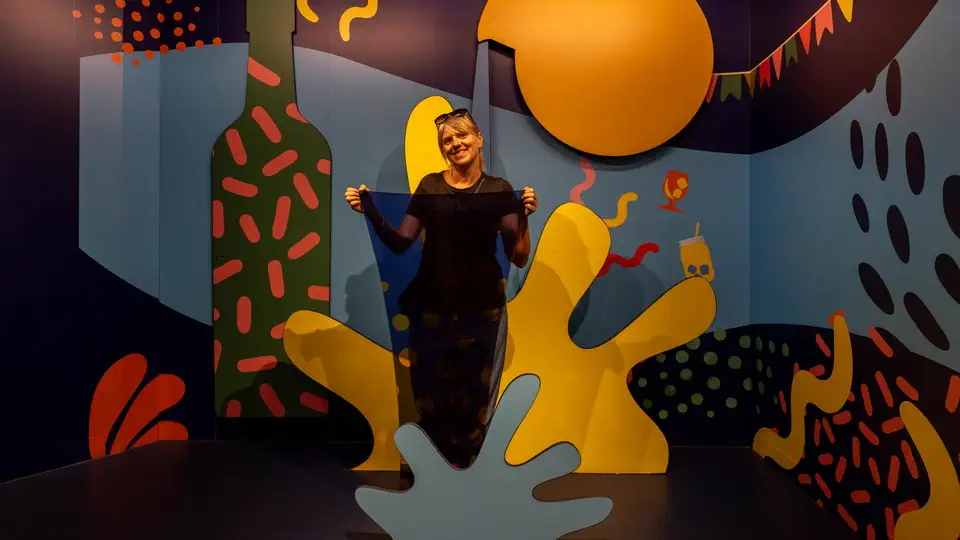
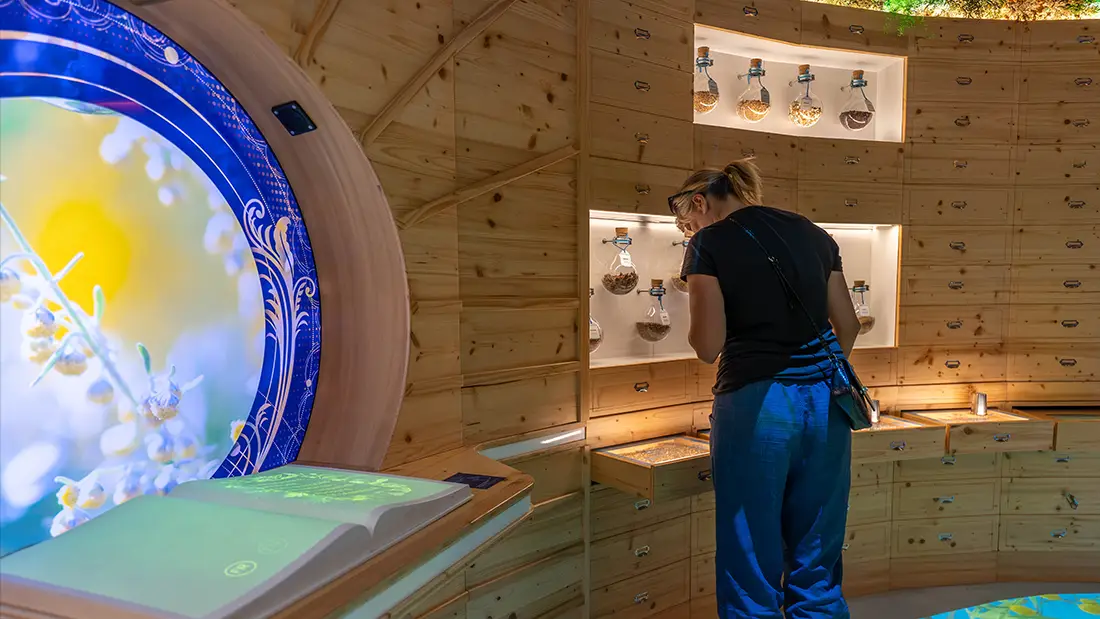
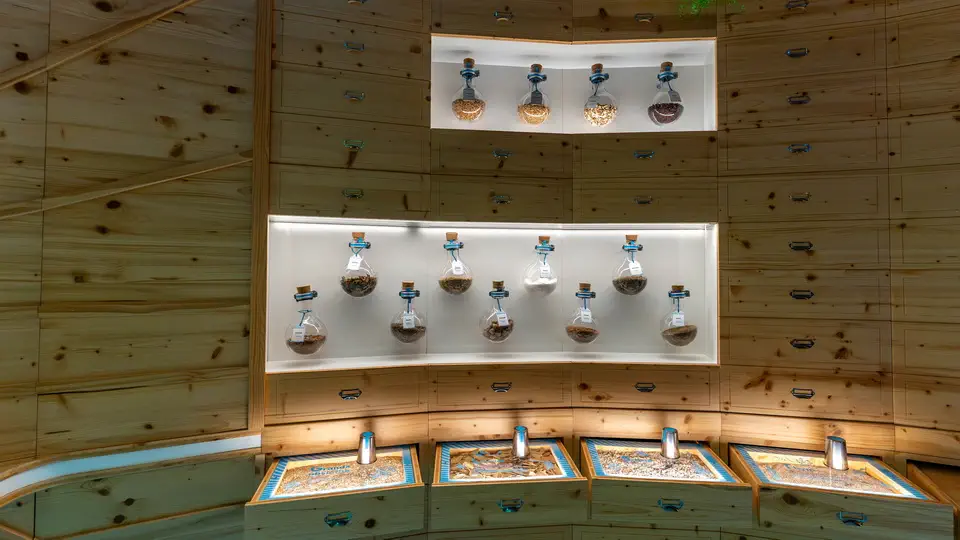
The most interesting part of Maison Yellow is the Musée de l’Anis, or Anise Museum. The exhibition has been designed as an interactive multimedia experience involving several senses. You can learn about the ingredients used in anise-flavoured drinks, discover more about their history and production and find out about the traditions surrounding the way they are served. It is therefore not simply a museum devoted to a single bottle of alcohol, although Ricard naturally plays a critical role throughout the exhibition.
What I particularly like is the idea of presenting anise as part of the culture of Marseille and southern France as a whole. You suddenly realise that the distinctive flavour most tourists associate mainly with pastis has a much broader history involving trade, colonial routes, spices, ports and the mixing of cultures. The exhibition also looks at the history of Ricard advertising. Today, some old posters and promotional objects look more like pop art than alcohol advertisements, and provide an interesting record of how the image of holidays in the south of France has changed over the decades.
A 4DX ride in a Citroën Méhari
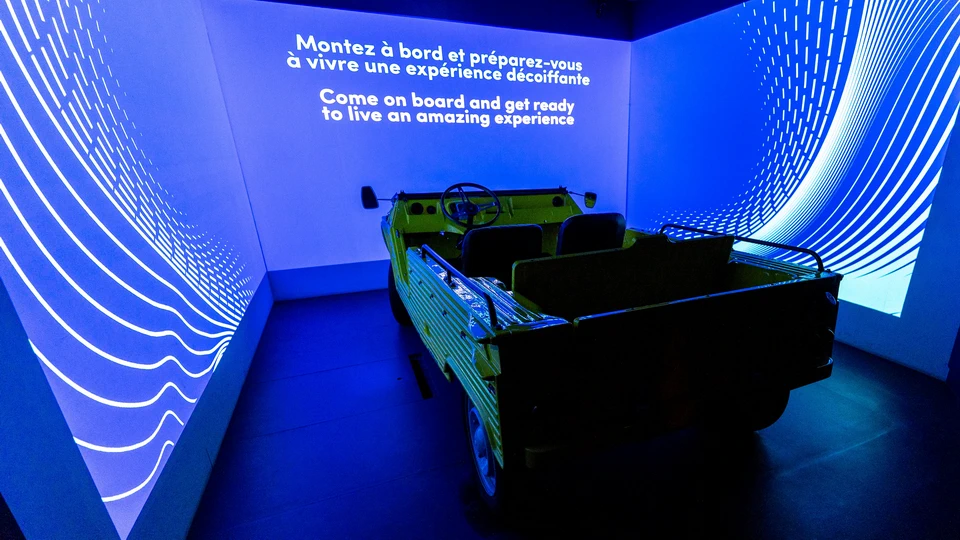
The museum’s most unusual attraction, however, is something I would never have expected to encounter in an anise museum: a virtual ride in a Citroën Méhari. You climb into the distinctive French car and begin a multimedia journey created using 4DX technology. The experience is intended to show Marseille as a constantly changing city, blending its local identity with spices, aromas, and cultures arriving from other parts of the world.
It is part tourist attraction, part amusement ride and certainly a long way removed from a traditional museum. If you are travelling with teenagers who start looking for the nearest exit as soon as they hear the words spice museum, the Méhari may well save the day.
Pastis – Marseille’s famous drink
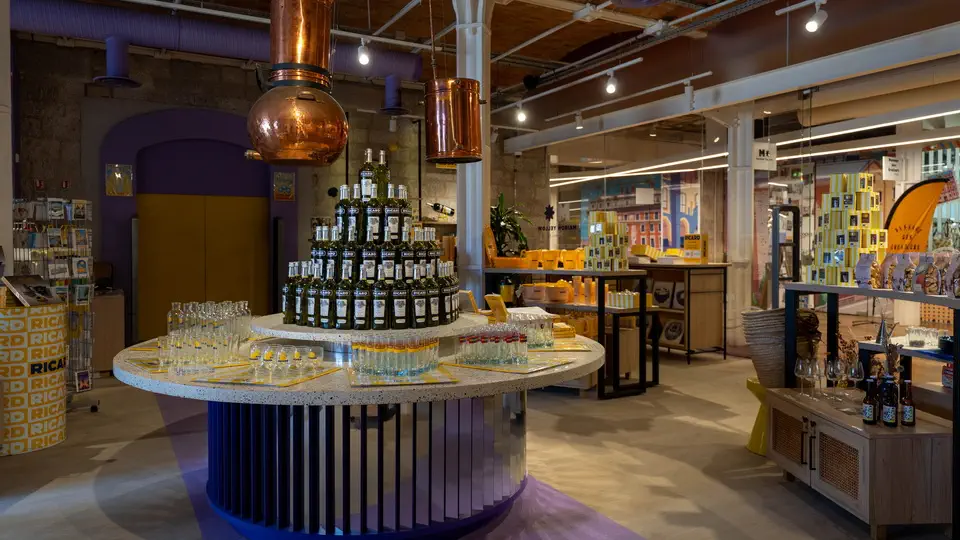
It is difficult to write about Maison Yellow without mentioning pastis, one of the most popular drinks in this part of France. For Marseille, it is more than simply a strong anise-flavoured alcoholic drink. Pastis has become one of the symbols of Provence, alongside pétanque, lavender, and cicadas. Ricard occupies a particularly important place in this story, as the brand was created in Marseille in 1932. It is hardly surprising, then, that the history of the company appears throughout much of the Maison Yellow exhibition.
Inside the museum you can learn more about the ingredients used in anise drinks, their production and the traditional ways in which they are served. Admission also includes a tasting, although alcoholic drinks are, of course, only available to adults. If the subject catches your interest, Maison Yellow also organises sessions known as Pastisologie.
It sounds slightly as though you could earn a doctorate at the University of Marseille by studying the correct way to add water to pastis, but the idea is actually quite interesting. The workshop lasts around an hour and a half and introduces participants to the history of pastis, its ingredients and several anise-flavoured drinks, which can then be sampled.
For me, this is more of an additional attraction for people interested in food, drink, or Provençal culture than an essential part of a first visit to Marseille. If you have only one day in the city, I would concentrate primarily on the Old Port, La Major, Mucem and the Basilica of Notre-Dame de la Garde. If you are staying for longer, however, the workshops begin to look much more appealing.
Maison Yellow shop, restaurant, and bar
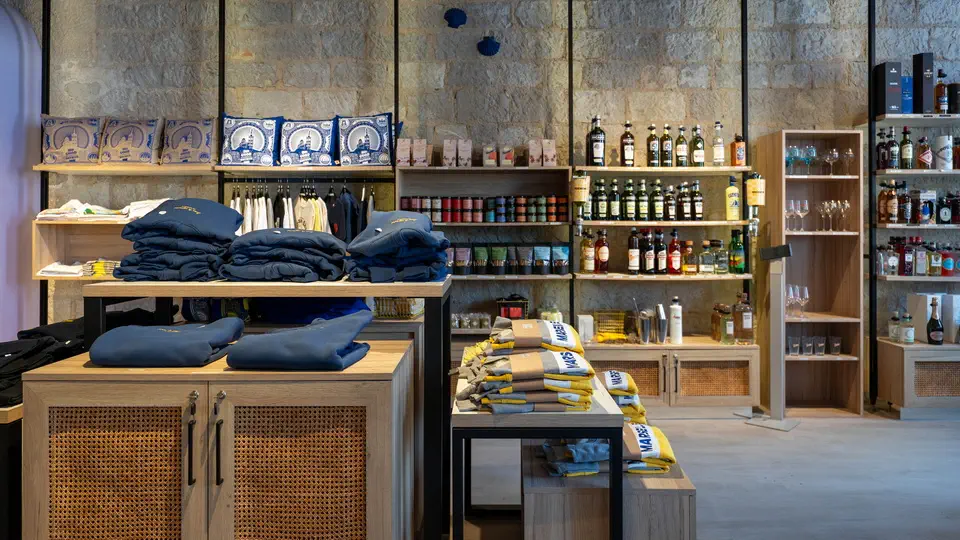
After visiting the museum, you can have a look around the shop, which is where your wallet may start getting into trouble. Alongside Ricard-related products, you will find items made by local designers and craftspeople, decorative pieces, clothing, food products and all sorts of souvenirs associated with the south of France. There are also limited-edition Ricard bottles and collectable items. If you are not particularly fond of cheap fridge magnets bearing the word “Marseille”, there is a good chance that you will find something rather more interesting here.
You do need to watch the prices, as some products are certainly not cheap. Maison Yellow is located in the renovated Docks Village, after all, so expecting street-market prices would be rather optimistic. You can also use Maison Yellow simply as somewhere to stop for a break while exploring the city. The restaurant concentrates on Mediterranean cuisine and, according to the information available at the time of writing, serves a lunch menu during the day, tapas in the evening and brunch on Sundays. The kitchen focuses on fresh, seasonal ingredients and is headed by chef Emmanuel Cocuzza.
The bar naturally experiments heavily with anise, although the drinks menu is not limited to pastises. Cocktails and alcohol-free options are available as well. If you happen to be exploring the La Joliette district, it is quite a convenient place to stop before continuing your walk.
Les Docks Village is the perfect setting for Maison Yellow
The building housing Maison Yellow is also worth a closer look. Les Docks de Marseille were once part of the enormous commercial infrastructure serving the city’s port. Today, the former warehouses have been redeveloped and contain shops, restaurants, offices and various public spaces.
The contrast between the old industrial port architecture and Maison Yellow’s extremely colourful interior creates an interesting effect. More importantly, the location also has a historical connection with the exhibition itself. Goods and spices imported into Marseille once passed through this part of the port, including star anise.
What can you see near Maison Yellow?
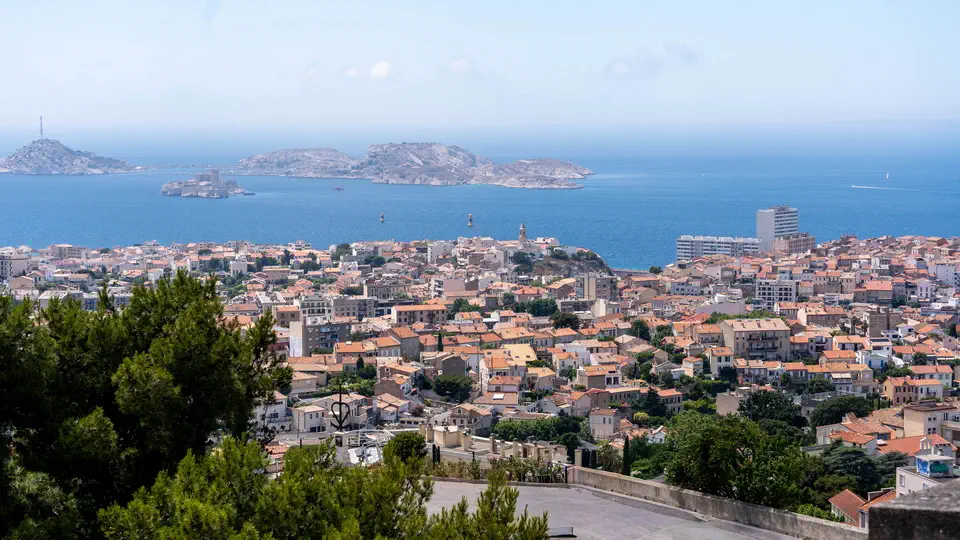
I would combine a visit to Maison Yellow with several nearby attractions. I would probably start at the museum and then head towards the sea. After a walk of many minutes, you reach the monumental La Major Cathedral. Continue along the waterfront, and you will reach Mucem, which is connected by a footbridge to Fort Saint-Jean.
If you have more time, the replica of the prehistoric Cosquer Cave is also just nearby. All of these places are located in the same port district of Marseille, so you can easily turn them into a walking route lasting for much of the day. Only afterwards would I continue towards Vieux-Port.
Maison Yellow Anise Museum – practical information and our impressions
- Address: Maison Yellow – Musée de l’Anis, Les Docks Village, 10 Place de la Joliette, 13002 Marseille.
- Maison Yellow Anise Museum opening hours: According to the information available at the time of our visit, the museum is open daily from 10:00 am until 5:00 pm.
- Maison Yellow Anise Museum ticket price: When we visited, admission cost €5 and included the Méhari experience and a tasting. Tickets were purchased inside the Maison Yellow shop.
- How much time should you allow for Maison Yellow? You certainly do not need half a day for the museum itself. Visitor information suggests that the Anise Museum can be explored in around 40 minutes. I would allow roughly an hour, particularly if you want to take your time with the exhibition, enjoy the Méhari experience and browse the shop afterwards. Add lunch, a cocktail or a Pastisologie workshop and, naturally, your visit can become considerably longer.
In my opinion, Maison Yellow Anise Museum deserves a place on a list of Marseille attractions, although I certainly would not travel across the entire city solely to see it. This is a small attraction and you should not expect anything remotely comparable in scale with Mucem. Its greatest advantage is precisely the fact that it offers something completely different.
Maison Yellow presents Marseille through aromas, flavours, advertising, local customs and a product that, over several decades, became one of the symbols of southern France. Since it is also located among many of the most important attractions in Marseille’s port district, it is effortless to add to a day’s sightseeing, and that is precisely what I would recommend doing. After monumental museums, churches and historic buildings, it is sometimes rather pleasant to step inside somewhere that does not require you to spend two hours contemplating the history of civilisation. Instead, you can smell a few spices, climb into a Méhari, look at old pastis advertisements and then continue exploring Marseille.
Maison Yellow Anise Museum facts, information and interesting details
- Maison Yellow previously operated under the name Mx Marseille. The venue opened in 2021 as a modern space devoted to the culture of anise and pastis, before being renamed Maison Yellow in 2024 and given a stronger, more distinctive identity.
- Maison Yellow is backed by the Pernod Ricard group. This is no coincidence, as Marseille is closely associated with Ricard, one of the best-known producers of pastis in France.
- The museum occupies part of the former port warehouses at Les Docks. The location fits the subject of the exhibition perfectly because spices and goods imported from many parts of the world have passed through the port of Marseille for centuries.
- The main character of the museum is anise itself. The exhibition does not concentrate solely on alcohol, but also explores the plant, its aroma, origins and its place within Mediterranean culture.
- Maison Yellow involves several senses at once. Visiting is not simply a matter of looking at exhibits, as smells, multimedia displays, sounds and tasting all play an important role, making the experience considerably more engaging.
- One of the most unusual attractions is the Citroën Méhari ride. You are not actually driven through the streets of Marseille; instead, it is a multimedia 4DX experience designed to recreate the feeling of travelling through the city.
- The Citroën Méhari suits the atmosphere of the exhibition remarkably well. This lightweight, open-sided car is strongly associated with southern France, summer holidays and warm weather, which is why it has become one of the museum’s most distinctive features.
- Ricard was created in Marseille in 1932. Its founder, Paul Ricard, developed his own recipe for pastis and rapidly created a brand that became closely associated with Provence.
- Pastis has become one of the symbols of southern France. For many people in Provence it represents far more than an alcoholic drink, being associated with socialising, sitting outside at café tables and the slower rhythm of Mediterranean life.
- Maison Yellow also explores the history of advertising. Old Ricard posters, graphic designs and promotional materials now provide a fascinating record of how fashion, design, and ideas about the south of France have changed over the decades.
- The colour yellow is not part of the name accidentally. Yellow has long been closely associated with Ricard’s visual identity and appears throughout Maison Yellow in its interiors, graphics, and advertising material.
- The museum is relatively small and can be explored quickly. It is certainly not a half-day attraction, and a relaxed visit normally takes somewhere around 40–60 minutes, making it easy to combine with other Marseille sights.
- Maison Yellow is located close to several of Marseille’s most important attractions. Mucem, Fort Saint-Jean, La Major Cathedral and Cosquer Méditerranée are all nearby, so the museum fits very naturally into a full-day walk around the port district.
- Maison Yellow includes a shop selling unusual souvenirs. Alongside products connected with Ricard, you will also find items created by local designers and craftspeople.
- Some products in the shop have a collectable character. Limited-edition bottles, glasses, posters, and objects associated with the history of the brand regularly appear and may be particularly interesting to collectors.
- Maison Yellow organises Pastisologie workshops. Participants learn about the history of pastis, its ingredients and different ways of serving it before sampling a selection of anise-flavoured drinks.
- Pastis is traditionally served with water. When water is added, the originally transparent drink turns cloudy and milky. This effect is caused by essential oils contained in ingredients such as anise.
- The venue combines culture, food, and entertainment. An exhibition, shop, bar, and restaurant all occupy the same space, making Maison Yellow feel more like a contemporary visitor experience than a traditional museum.
- Maison Yellow also serves alcohol-free cocktails. Although the venue is strongly associated with pastis, its drinks menu is not restricted to alcohol, so people who do not drink are not left without options.
- Maison Yellow reveals a less obvious side of Marseille. Most visitors associate the city with Vieux-Port, Notre-Dame de la Garde or Mucem, whereas here you can discover Marseille through flavours, aromas, local traditions and the history of one of its most characteristic products.