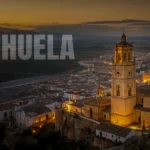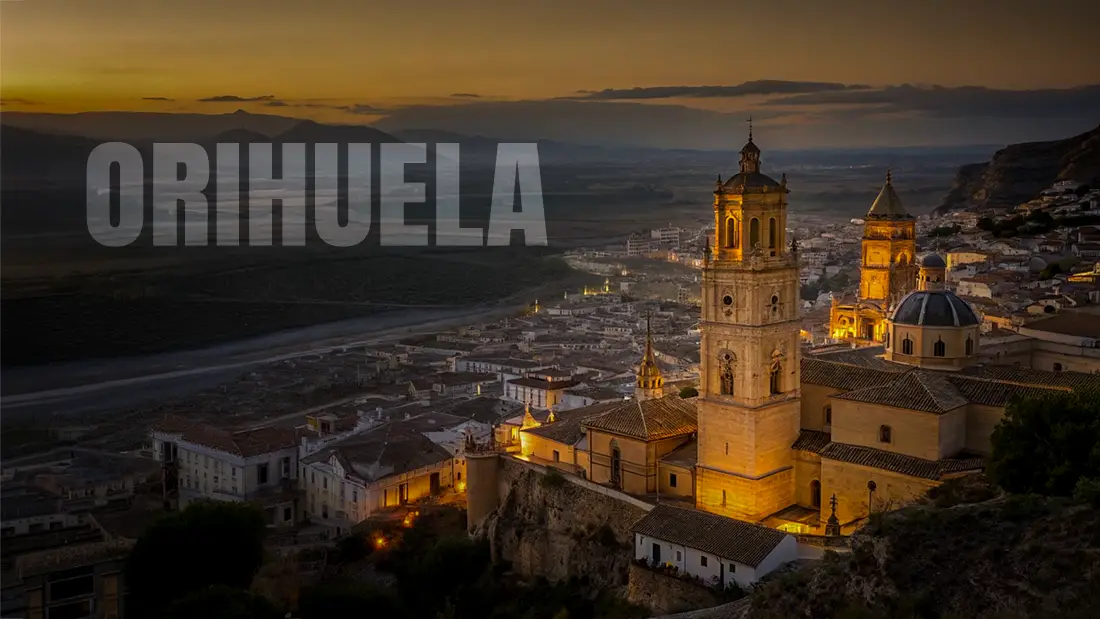
Orihuela, a historic city in the province of Alicante, situated on the banks of the River Segura at the foot of Monte de San Miguel, is quite different from what most people associate with the Costa Blanca. Although it lies only a few dozen kilometres from the sea, it has none of the extensive beaches or traditional seaside resorts found along the coast. Instead, I would thoroughly recommend taking a break from the beach and heading inland to discover Orihuela, where medieval walls, Gothic churches, Renaissance palaces and former monasteries tell the story of a city that was once one of the most important religious, administrative and cultural centres in south-eastern Spain.
I enjoy planning my trips around Spain in a way that allows me to discover places like this, as they offer a chance to see much more than the tourist-facing side of a region. Orihuela is not a typical holiday resort, even though it belongs to the same extensive municipality as popular coastal destinations such as Orihuela Costa. Its historic centre, however, lies more than 20 kilometres inland and has an entirely different character. If you are staying around Torrevieja, Guardamar del Segura or Alicante, I would definitely recommend adding Orihuela to your itinerary. In this guide, I will explain why I think it deserves a visit.
Where is Orihuela and what should you know about the city?
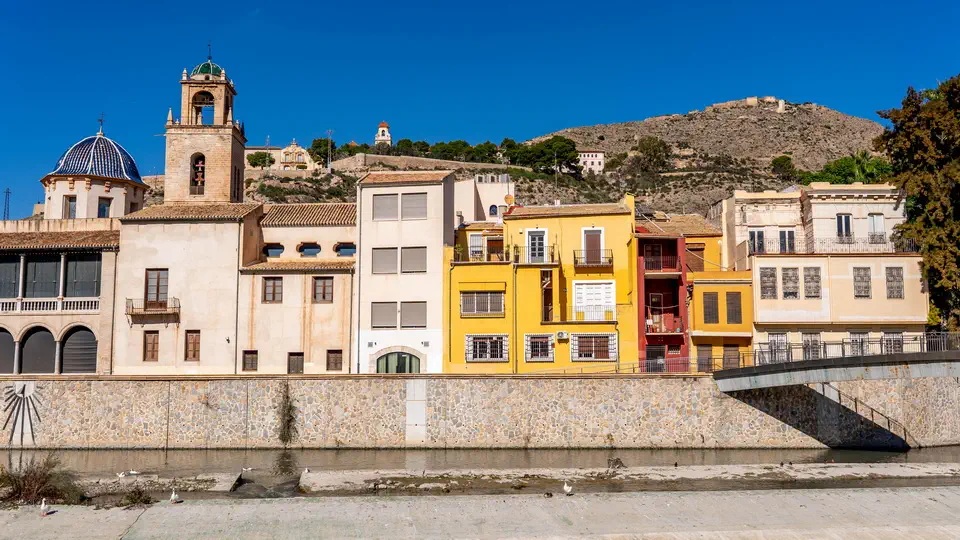
Orihuela is located in the south-western part of Alicante province, in the Valencian Community. It is the historic capital of the Vega Baja del Segura area, whose development has been closely linked to the River Segura and its fertile agricultural land for centuries. The city is also situated a short distance from the border with the Region of Murcia. It is surrounded by extensive farmland, citrus groves and landscapes typical of this part of Spain.
There is an interesting geographical detail worth knowing. Orihuela is not just a historic inland city. The name also refers to a large municipality containing numerous towns and residential areas, including the popular coastal district of Orihuela Costa. This explains why you may hear someone say they are spending their holiday in Orihuela when they actually mean one of the seaside neighbourhoods, even though the historic city centre is somewhere quite different.
Orihuela is best known for its monuments, religious heritage, Easter traditions and its connection with the Spanish poet Miguel Hernández. Its historic centre was declared a Historic-Artistic Site in 1969.
How to plan a visit to Orihuela
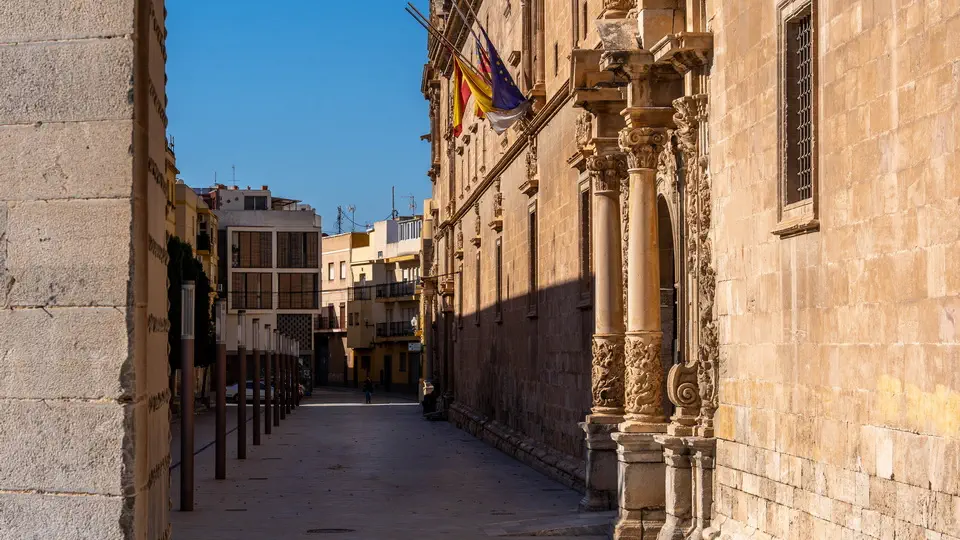
Orihuela is best explored on a day trip. The historic centre is easy to discover on foot, and most of the main attractions are within a relatively short distance of one another. If you are travelling from the Torrevieja area, I would set aside a full day for the visit. The drive itself is not particularly long, but it is worth allowing enough time for a leisurely walk, visits to the cathedral and Santo Domingo complex, and a stop at Miguel Hernández’s former home. Here are a few practical points to help you plan your trip.
- How much time should you allow? Three to four hours should be enough for a basic walk around the historic centre. If you also want to visit museums and climb the castle hill, allow around five to seven hours.
- How do you get there? Travelling by car is the most convenient option. Orihuela also has railway connections with other towns and cities in the region.
- Where should you park? It is best to look for parking close to the historic centre and explore the rest of the city on foot.
- When is the best time to visit? Spring and autumn are particularly good choices. Summer temperatures inland can be considerably higher than those along the coast.
- Is Orihuela suitable for children? Yes, although the climb up to the castle hill may be a little demanding for younger visitors.
- Is it worth travelling inland from the coast? Absolutely. It is an excellent way to add something different to a holiday on the Costa Blanca.
Bear in mind that opening times for monuments and museums can vary depending on the day of the week and public holidays. Before setting off, it is best to check the latest information on the city’s official tourism website.
The history of Orihuela – from ancient settlements to an important medieval Spanish city
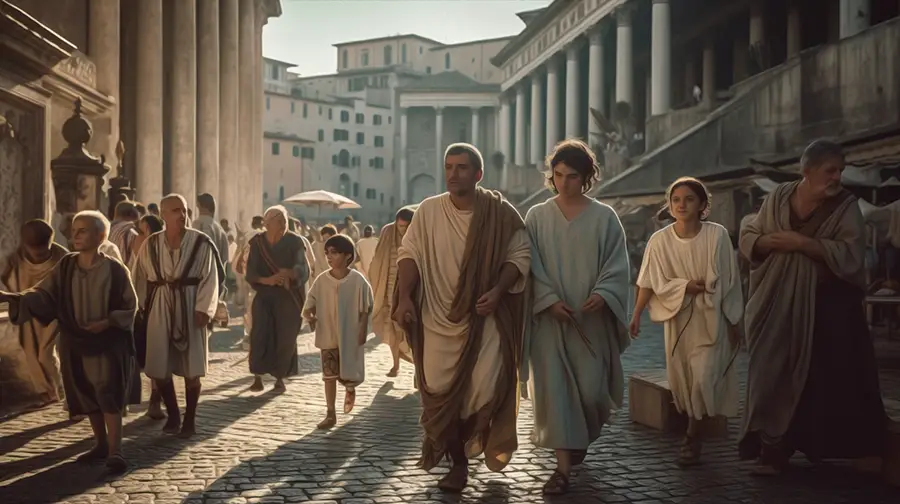
During my first visit, I was surprised to discover that Orihuela has a much longer history than you might imagine when walking through its streets for the first time. Archaeologists have uncovered traces of settlements dating back to the Copper Age. Communities belonging to the Iberian culture developed here later, before the area eventually became part of the Roman world.
Its position on the banks of the River Segura played an important role in its development. The availability of water made agriculture possible, while the fertile valley attracted successive waves of settlers. The river was also an important transport route and a natural geographical landmark. Orihuela became particularly significant during the Visigothic period. In the 7th century, it was the capital of an administrative territory covering parts of what are now the provinces of Alicante and Murcia.
In the 8th century, the city became associated with Teodomir, a Visigothic ruler who negotiated an agreement with the Muslim forces conquering the Iberian Peninsula. The treaty, known as the Treaty of Theodemir, allowed local Christian communities to retain a degree of autonomy. There is also a popular legend associated with this period. According to local tradition, Teodomir supposedly placed women dressed as soldiers along the city walls to make his army appear much larger than it really was. This trick is said to have helped him negotiate more favourable terms. It is worth remembering, however, that this is a story passed down through local tradition rather than an established historical fact.
In the 9th century, Orihuela lost its independence and came under the control of the Umayyad Caliphate. Over the following centuries, it belonged to the Muslim world of Al-Andalus and various Taifa kingdoms. This period left a lasting mark on the city’s appearance. Its defensive system was expanded, the natural landscape was incorporated into its fortifications, and the settlement developed around the hill and the river.
The political situation began to change during the 13th century, when Christian kingdoms launched successive campaigns towards the south of the Iberian Peninsula. On 17 July 1242, the forces of Infante Alfonso, later King Alfonso X of Castile, captured Orihuela. The city initially became part of the Kingdom of Castile and subsequently came under the Crown of Aragon.
The real period of prosperity arrived over the following centuries. Orihuela developed into an important administrative, religious and educational centre. In 1564, it became the seat of a bishopric, considerably increasing its standing. Churches, monasteries, palaces, and buildings associated with ecclesiastical institutions began to appear throughout the city. Fernando de Loazes, a clergyman born in Orihuela, played an important role in the development of local education. His initiative was also responsible for the creation of the Santo Domingo complex.
The former Dominican monastery received university privileges in 1569, and the institution officially began operating in 1610. For more than two centuries, it was one of the important centres of learning in this part of Spain. The university eventually closed in 1824.
The War of the Spanish Succession in the early 18th century brought further difficulties. Orihuela supported Archduke Charles of Austria, who was competing against Philip V for the Spanish throne. Following the Bourbon victory, the city was plundered and lost some of its former privileges. Despite these events, it managed to preserve much of its historic heritage. Thanks to this, visitors can still admire monuments representing several periods of its history.
Walking around Orihuela – the most beautiful places and historic attractions
The best way to get to know Orihuela is to explore it on foot. The historic centre is not particularly large, and most of its main attractions are relatively close to one another. I would allow around half a day for a relaxed visit. If you intend to explore the museums and climb the castle hill, however, it is worth setting aside a little more time. I suggest starting near the River Segura, then making your way through the oldest streets towards the cathedral, churches and former university. You can finish your walk by heading towards Monte de San Miguel.
The River Segura and the historic centre
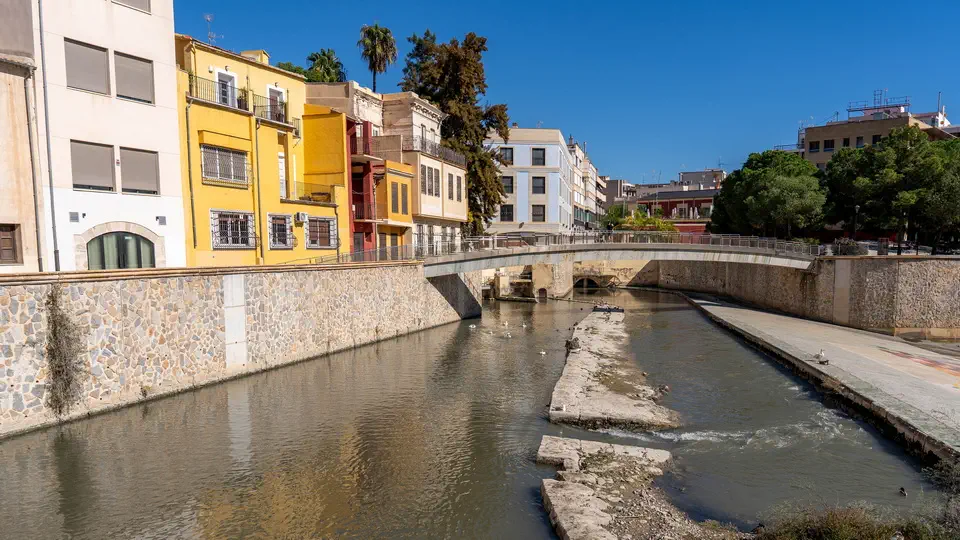
I suggest beginning your walk by heading towards the River Segura. For centuries, it was the river that determined the importance of this settlement. Without its water, it would be difficult to imagine how agriculture could have developed here, or how the entire valley could have become so prosperous. Along the river, you will find characteristic buildings with colourful façades. The historic part of the city is particularly attractive, with its houses, bridges and old buildings creating a pleasant setting.
A good starting point is the area around the Viejo de Poniente bridge. After crossing the river, head towards the old town, where a network of narrow streets and small squares awaits. I would not recommend taking the shortest route straight to the main attractions. Instead, slow down for a while and have a closer look at the architectural details. Many interesting buildings in Orihuela are tucked away from the main tourist routes.
El Salvador and Santa María Cathedral
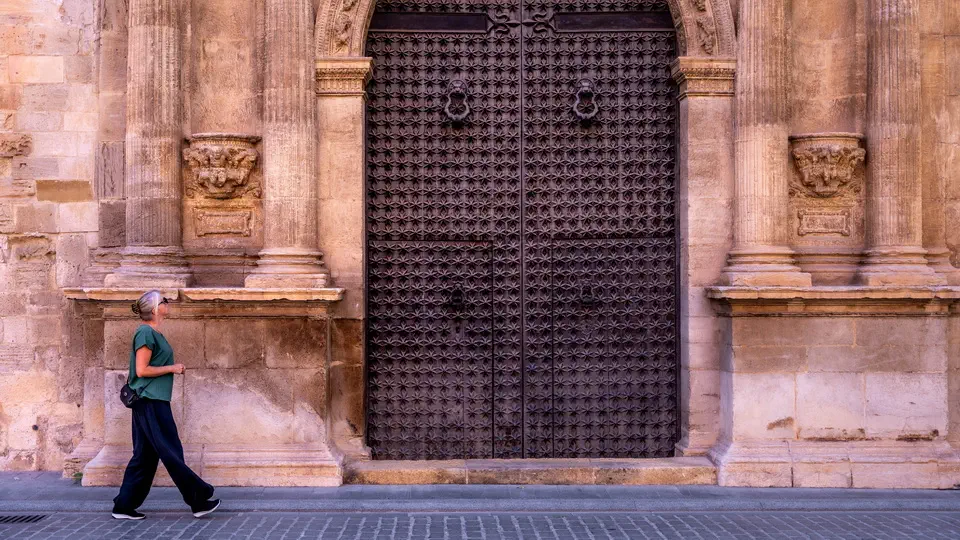
One of the city’s most important monuments is El Salvador and Santa María Cathedral. Its history dates back to the first half of the 14th century, when construction began on the site of the former Aljama Mosque. Originally built in the Gothic style, the church was extended and altered over subsequent centuries. In 1564, following the establishment of the Bishopric of Orihuela, it was elevated to cathedral status.
Three entrance portals immediately catch the eye when viewing the building from outside. Two are Gothic, while the Portal of the Annunciation was created in the Renaissance style. Inside, you can admire characteristic Gothic architecture, high vaulted ceilings and numerous religious artefacts. It is also worth looking at the cloister, which dates back to the 14th century. It was transferred here in 1942 from the former Mercedarian monastery.
The Cathedral is also home to the Museum of Sacred Art. Among the works preserved here is The Temptation of Saint Thomas Aquinas, attributed to Velázquez. This is one of those historic attractions that deserves a little extra time, even if religious architecture is not usually your main interest.
The Church of Saints Justa and Rufina
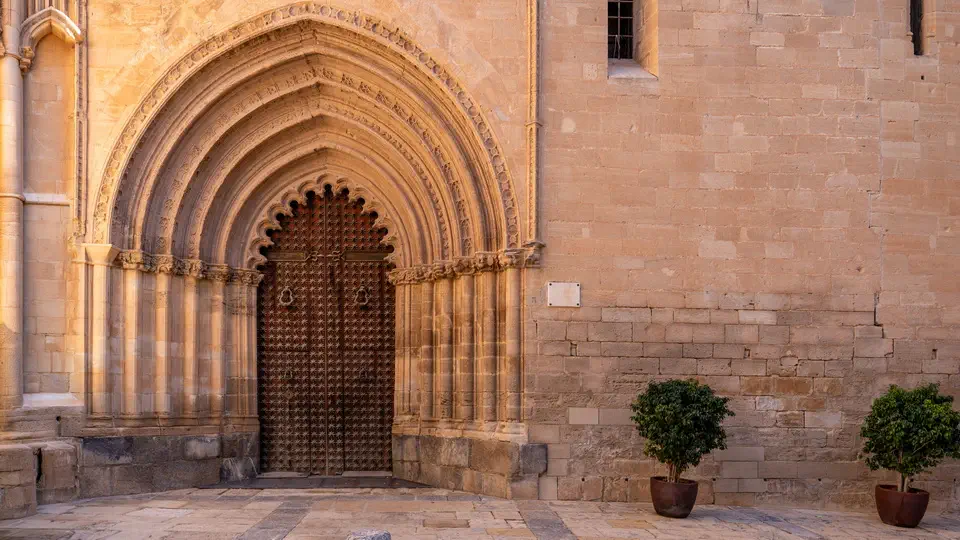
Not far from the cathedral stands another important religious building, Iglesia de las Santas Justa y Rufina, dedicated to Saints Justa and Rufina. Both were Christian martyrs from Seville, and their veneration has a particularly strong place in Spanish religious tradition. The church in Orihuela is primarily Gothic, although its present appearance reflects numerous later alterations. Its tower and richly decorated façade are particularly striking. If the church is open, I recommend taking a look inside, where you can discover interesting architectural details and furnishings reflecting the city’s centuries-old religious heritage.
The Church of Santiago el Mayor
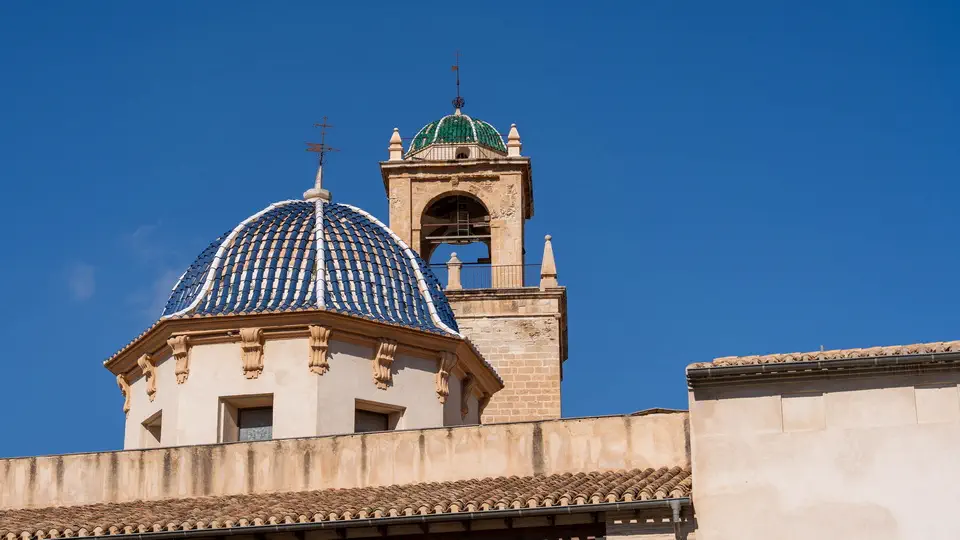
Continuing your walk, you will reach Iglesia de Santiago el Mayor, another of Orihuela’s most important religious monuments. The church dates back to the medieval period, and its oldest sections are Gothic. Later renovations introduced elements from other architectural styles, making the building an interesting example of how religious architecture evolved over the centuries.
The entrance portal and richly decorated interior deserve particular attention, as do the side chapels. Fernando de Loazes, the clergyman and benefactor who played an important role in the development of education in Orihuela, is also closely associated with this church. This part of the city illustrates just how influential religious institutions once were. Churches were not simply places of worship; they also served as centres of social, cultural and educational life.
Santo Domingo Monastery – an architectural gem of Orihuela
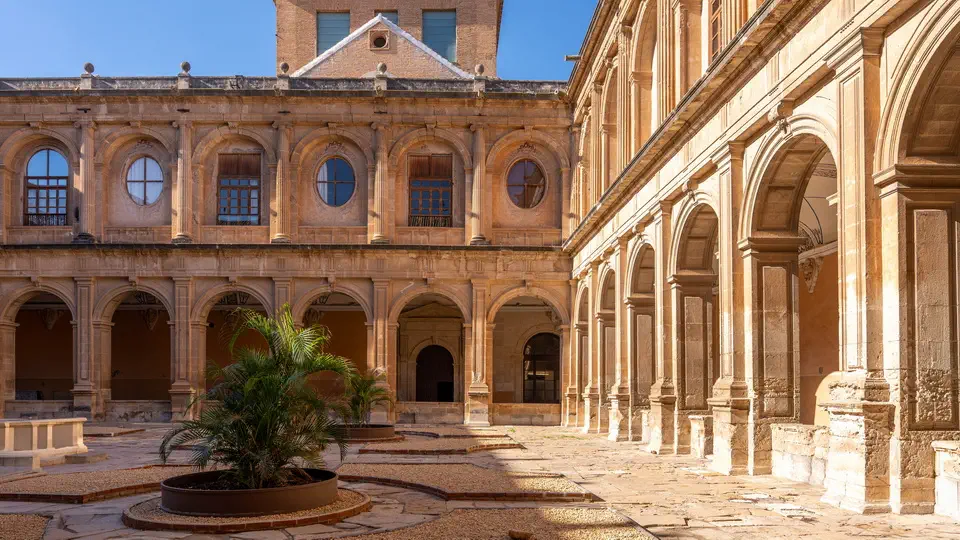
If I had to choose one monument that should not be missed during a visit to Orihuela, it would undoubtedly be the Santo Domingo complex. This enormous architectural ensemble served as a monastery, college, and university over the centuries. Construction began in the 16th century on the initiative of Fernando de Loazes.
The building is an interesting combination of several architectural styles. You will find Renaissance, Mannerist and Baroque elements here, with the monumental entrance portals being particularly impressive. Inside, there are two cloisters, one Renaissance and the other Baroque. Each has its own character and demonstrates how architectural tastes changed over successive decades.
It is also worth visiting the former refectory, where the monks once took their meals. Its 18th-century Valencian ceramic tiles have survived to this day. Santo Domingo is sometimes called El Escorial de Levante, a reference to the monumental scale of the complex. This is perhaps the best place to appreciate Orihuela’s former importance. It is difficult to believe that a relatively small city once had a university attracting students and lecturers from different parts of Spain.
Miguel Hernández’s family home
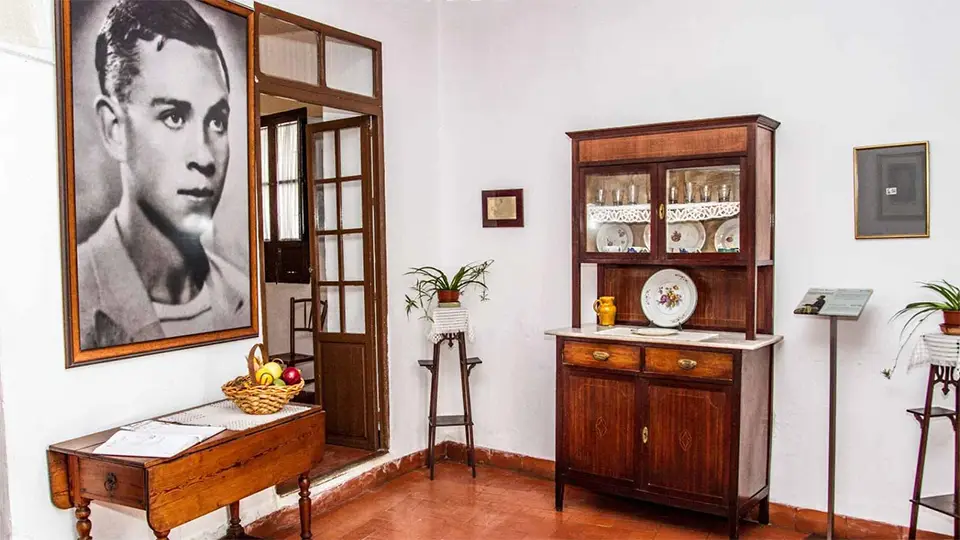
Orihuela is also a city with a strong literary heritage. It was here that Miguel Hernández, one of the most important Spanish poets of the 20th century, was born. He came into the world in 1910 in a family with limited financial means. His father worked in animal husbandry, and from an early age Miguel helped with the family business. His path to education was not an easy one. Rather than continuing his studies, he had to work and help support his family. Nevertheless, he developed a keen interest in literature, reading books and writing his first poems.
Over time, his work began to attract recognition. Hernández also became involved in the political and social events of his era. During the Spanish Civil War, he supported the Republican side. Following the victory of Franco’s forces, he was arrested and sentenced to prison. He died in 1942 while imprisoned in Alicante. In Orihuela, you can visit his former family home, which now houses the Casa Museo Miguel Hernández.
The interior has retained the character of a modest early 20th-century home. You can see the kitchen, living quarters, a small courtyard and a garden. One particularly interesting feature is the fig tree, which was an important part of the surroundings of the poet’s family home and provided inspiration for his writing. Visiting this place helps you understand where the author’s sensitivity came from and what his everyday life was like. It is not a large museum filled with countless exhibits. Its greatest strength lies in its authenticity and the opportunity to see the surroundings in which one of Spain’s most important poets grew up.
Palaces and former aristocratic residences
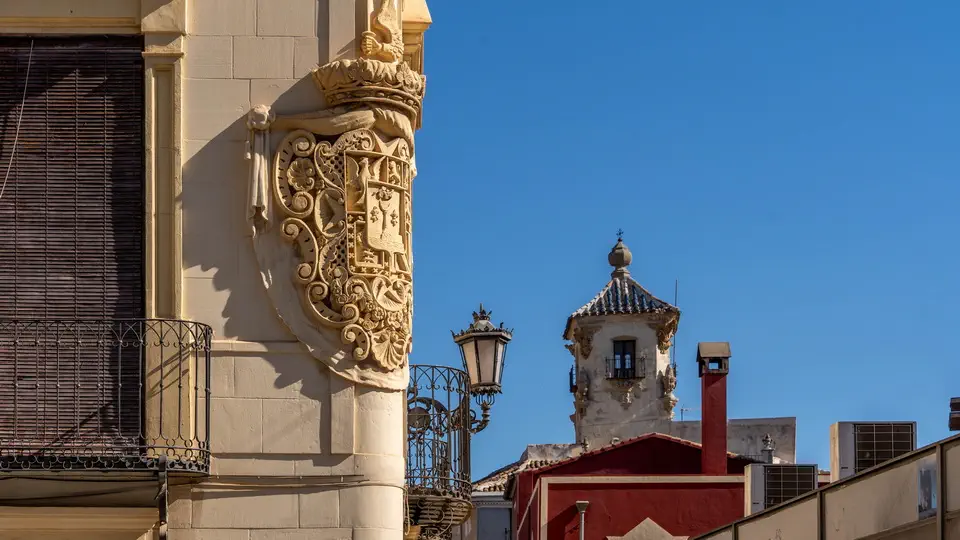
As you wander through the historic centre, keep an eye out for the former residences of noble families. During the 16th and 17th centuries, Orihuela was an important administrative and religious centre, attracting wealthy families, clergymen, and representatives of the local elite. One interesting building is Palacio Episcopal, the former Episcopal Palace. Its history is closely connected with the development of the diocese and Orihuela’s importance as an ecclesiastical centre.
Palacio de Rubalcava is also worth seeing. This impressive residence recalls the wealth of some of the city’s former inhabitants. Not all the palaces are open to visitors, but their façades, entrance portals and decorative details are worth admiring in their own right. Buildings like these make a walk around Orihuela much more interesting than simply ticking off a handful of major monuments.
Palmeral de San Antón – the green side of Orihuela
If you still have some time after exploring the city centre, I recommend visiting Palmeral de San Antón. This historic palm grove is situated close to the city. Palm trees are a characteristic feature of the landscape in south-eastern Spain, but here they form a much larger concentration than the typical decorative planting found in towns and cities.
The palm grove is closely connected with traditional agriculture and historic water-management systems. It is worth remembering that palms in this part of Spain are much more than decorative trees. For centuries, they formed part of the local agricultural landscape and cultural heritage. Walking among them offers a different perspective on Orihuela, one more closely connected with nature and the traditional way of life of its inhabitants.
Orihuela Castle and Monte de San Miguel
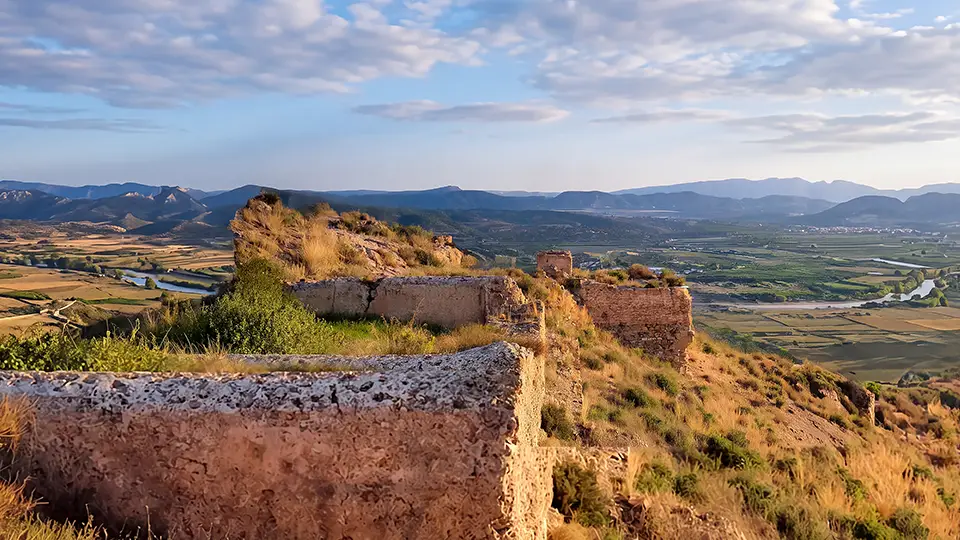
To finish your walk, I suggest heading towards Monte de San Miguel, the hill that dominates the historic city centre. The slopes are home to the remains of the former castle and its fortifications. In the past, this was one of the most important parts of the city’s defensive system. Its position was strategically significant, as the hill provided an excellent vantage point from which to observe the surrounding countryside, monitor the Segura Valley and spot approaching threats.
The history of the castle is primarily associated with the Muslim period and the Middle Ages. Over subsequent centuries, its fortifications were expanded and adapted to meet changing defensive requirements. Today, only ruins remain, but they still give you an idea of the original scale of the complex.
Reaching the top requires a little effort. You should also bear in mind that the condition of the ruins and access to individual sections may change. Before setting off, it is advisable to check local information about the availability of the route. The reward is a panoramic view of Orihuela, taking in the historic centre, the River Segura valley and the agricultural land surrounding the city. It is a good opportunity to look at the whole town from a different perspective.
What else is worth seeing in Orihuela? If you have more time, you can extend your visit to include several less obvious attractions. These are some places worth considering:
- Holy Week Museum – an opportunity to learn about the history and symbolism of local religious processions and see some objects used during the celebrations.
- Museum of the Reconquest – displays costumes, banners, and objects associated with the July celebrations of Moros y Cristianos.
- Archaeological Museum – a good place to discover the earlier history of the region and see some interesting archaeological finds.
- Diocesan Seminary – situated on the slopes of Monte de San Miguel, this building forms another important part of the city’s historic skyline.
- Remains of the old city walls – reminders of the defensive role played by medieval Orihuela.
Food in Orihuela – what should you try during your visit?

It is worth combining your sightseeing with a taste of the local cuisine. Orihuela is in the Vega Baja region, where culinary traditions are closely connected with agriculture and the fertile land of the Segura Valley. One dish I would recommend looking out for is arroz con costra. This is a distinctive rice dish prepared with meat, sausages and eggs, which form a golden crust on top during baking. It is particularly popular in the southern part of Alicante province.
Local restaurants also serve various stews and dishes made with vegetables, artichokes, and pulses. Ingredients sourced from nearby farms play an important role in the local cuisine. For dessert, look out for traditional sweets prepared with almonds, honey, and pastry. The influence of historic Arab cuisine is particularly noticeable in this part of Spain, and many of its flavours have survived in local recipes.
Orihuela’s remarkable traditions – Holy Week and the Festival of the Reconquest
Orihuela is famous not only for its historic monuments but also for its strong religious and historical traditions. Two events stand out in the city’s annual calendar.
The first is Semana Santa, or Holy Week. The celebrations are organised on a grand scale, with processions passing through the streets carrying richly decorated floats depicting scenes from the Passion of Christ. Many of the sculptures are of considerable artistic value, and some date back several hundred years. These processions are an important part of local identity and attract both residents and visitors. One of the most distinctive figures is La Diablesa, a representation of the devil that stands out among the traditional religious sculptures. It can be seen at the city’s Archaeological Museum.
The second major event is the July celebration of Moros y Cristianos, which commemorates the medieval conflicts between Christians and Muslims on the Iberian Peninsula. Participants wear elaborately decorated costumes, while groups representing historical formations parade through the streets. Music, spectacular processions and outdoor events accompany the celebrations. Both festivals demonstrate just how strongly the city’s history remains part of everyday life in Orihuela.
Legends and mysteries of Orihuela – tales of hidden treasures, the mysterious Armengola and extraordinary events
Orihuela is a city with a history stretching back to ancient times. Over the centuries, it passed from one ruler to another and witnessed wars, religious changes and political intrigues. It is hardly surprising, therefore, that numerous stories have grown up around its walls, old churches and castle hill. Some concern medieval heroes, others describe unusual events in the sky, while a few involve alleged curses and mysterious figures associated with local monuments. Particularly interesting are the stories connected with the River Segura, which has shaped life throughout the valley for centuries.
While researching the stories surrounding Orihuela, I came across several that I believe deserve a place of their own. It is important to remember, however, that not all of them describe historically verified events. Some belong to local folklore, while others developed much later as part of the city’s traditions.
La Armengola – the woman who supposedly saved Orihuela
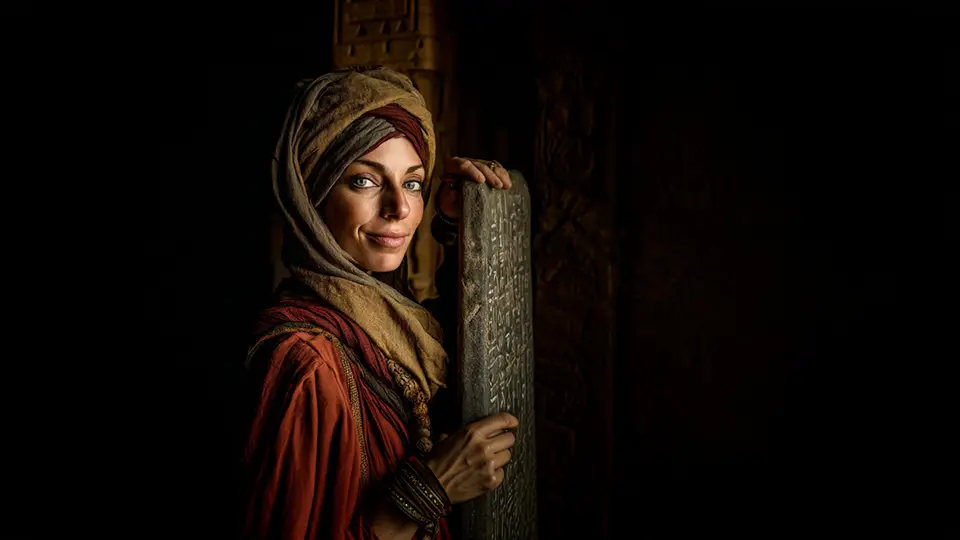
One of the best-known stories associated with Orihuela is the legend of La Armengola. It tells of a woman who is credited with saving the city’s Christian inhabitants from a planned massacre. According to tradition, the events took place in the 13th century, when Orihuela was under Muslim rule. A governor named Benzaddón lived in the castle, and a Christian woman known as Armengola worked in his household, looking after his children.
Her position supposedly gave her free access to the castle and allowed her to become familiar with its inhabitants. One day, she learned of a planned attack on the Christian community living in the Arrabal Roig district. According to the legend, the massacre was due to take place on 16 July. Armengola decided to warn her fellow Christians and prepare a plan that would allow them to take control of the fortress.
Her idea was extraordinary. She supposedly dressed two strong young men, Ruidoms and Aruns, in women’s clothing so that the guards would mistake them for her daughters. Together with her husband and the disguised men, she entered the castle. Once inside, the attackers were said to have killed the guards and taken control of the fortress. In this way, Armengola supposedly opened the way for the Christians to capture the castle.
The legend also tells of an extraordinary sign in the sky. Two bright lights resembling stars supposedly appeared above the fortress. The inhabitants interpreted them as a sign of protection from Saints Justa and Rufina, who were believed to have helped liberate the city. The story of Armengola remains critical to the people of Orihuela. Her name is associated with the Moros y Cristianos celebrations, and every year a woman is chosen to portray this legendary figure.
Teodomir and the trick that supposedly saved the city
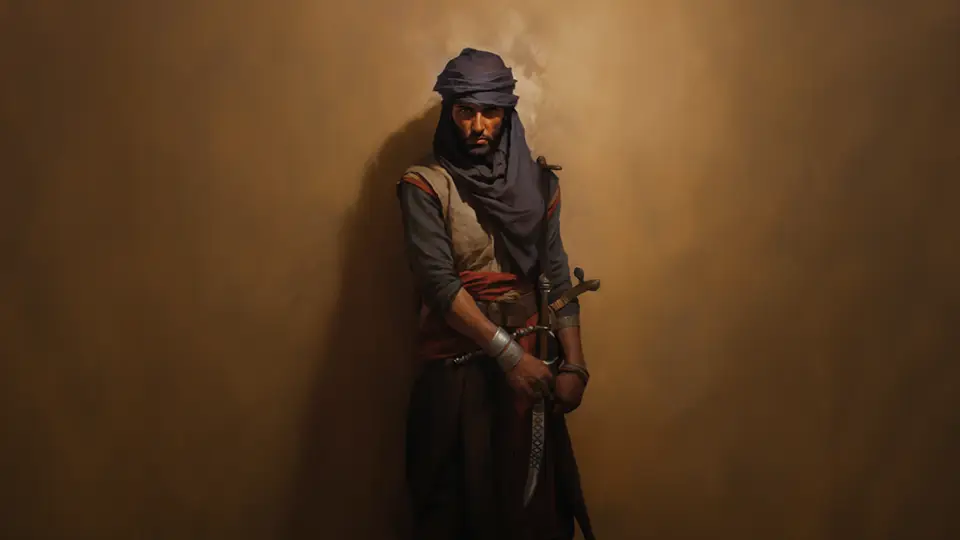
Before the legend of Armengola became part of local tradition, the people of Orihuela were already telling another story about female ingenuity and a clever military deception. Its central figure is Teodomir, the Visigothic ruler who negotiated an agreement with the Muslim commander Abd al-Aziz ibn Musa in 713. The treaty, known as the Pact of Tudmir, allowed the local population to retain their Christian religion, much of their property and a degree of independence in exchange for recognising the new authority and paying tribute.
According to local legend, Teodomir used an ingenious trick to convince his opponents that he commanded a much larger army than he actually did. He supposedly positioned women dressed as soldiers along the city walls. They wore men’s clothing, helmets and weapons, appearing in different sections of the fortifications. From a distance, it looked as though the city was defended by a substantial military force.
The deception is said to have helped during negotiations and persuaded the Muslim commander to agree to favourable terms. The treaty itself is a historical event, but the story of women disguised as warriors belongs to local tradition. The resemblance to the legend of Armengola is striking. In both stories, women play an important role in saving the city.
In 2026, Orihuela is celebrating the Year of Teodomir, commemorating the ruler and the treaty of 713.
La Diablesa – the cursed figure that cannot enter a church
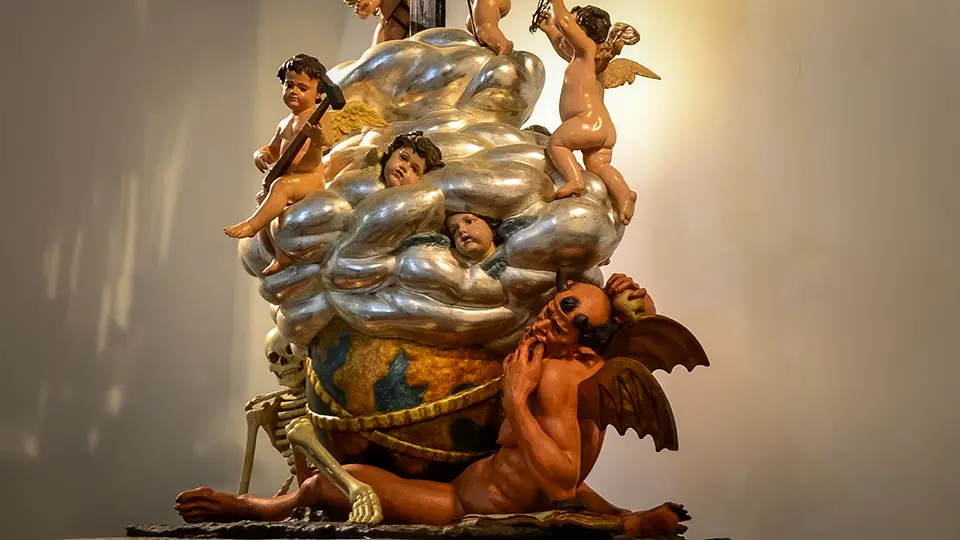
This is one of the most unusual stories connected with Orihuela’s religious heritage. Its central figure is La Diablesa, a representation of the devil forming part of a sculptural composition known as El Triunfo de la Cruz. The sculpture was created in 1695 by Nicolás de Bussy, an artist from Alsace who worked in Spain.
The composition is rather unusual. Alongside the cross and symbols representing the triumph of Christianity, it includes a skeleton and a devil. The latter figure has a particularly striking appearance, making it difficult to forget. A story about a curse has also become associated with the sculpture. According to local tradition, one of the monks supposedly refused to take part in creating the work, considering it too unusual or inappropriate. In response, he was allegedly punished, and his soul became trapped inside the figure of the devil.
There is also a genuine and rather unusual custom associated with this sculpture. La Diablesa cannot be taken inside a church or kept overnight in a consecrated place. During Holy Week, it is therefore stored outside the church. For the people of Orihuela, it is one of the most recognisable symbols of local tradition. The sculpture is also an interesting example of Baroque imagination, which did not shy away from depicting death, hell, and the forces of evil.
Segurella – the nymph whose tears supposedly created the River Segura

Another beautiful story is associated with the River Segura, and its origins extend far beyond Orihuela itself. According to legend, the river was formed from the tears of a nymph named Segurella. Her story is one of love, longing and tragedy, and the water flowing through south-eastern Spain is said to be the lasting reminder of her immense sadness.
This is, of course, not a historical explanation of the river’s origins. The Segura actually rises in the Sierra de Segura mountains in the province of Jaén and flows through several regions of Spain before reaching the Mediterranean Sea near Guardamar del Segura.
Nevertheless, the legend gives the river a more romantic character. It is worth remembering when walking along the banks of the Segura in Orihuela. The same water that flows peacefully through the city today becomes, in local stories, a reminder of an extraordinary human emotion.
Where can you find traces of these legends during a walk around Orihuela? If you would like to combine sightseeing with discovering the city’s legends, I recommend paying particular attention to the following places:
- Monte de San Miguel and the castle ruins – the setting for the legend of Armengola and the story of the two stars appearing above the fortress.
- The Church of Saints Justa and Rufina – associated with the city’s patron saints, who, according to tradition, helped the Christians capture the castle.
- Museum of the Reconquest – a good place to learn about the Moros y Cristianos tradition and the legendary figure of La Armengola.
- Holy Week Museum – an opportunity to have a closer look at the unusual figure of La Diablesa and the city’s religious processions.
- The River Segura – associated with stories about water spirits, the nymph Segurella and mysterious women said to have appeared along its banks.
- La Aparecida – a settlement connected with the story of the discovery of an image of the Virgin Mary in 1736.
What I find most interesting about the stories of Orihuela is the way history and local beliefs intertwine. The figure of Teodomir, the legend of Armengola, the extraordinary sculpture of La Diablesa and the stories surrounding the River Segura demonstrate how the inhabitants created their own interpretation of the past over many centuries. Not every detail can be confirmed by historical documents, but that is precisely why these stories are worth exploring with a little perspective. A legend does not have to be entirely true to form an important part of a city’s heritage.
If you visit Orihuela, do not limit yourself to looking at the cathedral, palaces and former monasteries. Stop by the castle ruins, look for unusual sculptures on the façades and take a walk along the Segura. It will help you understand why so many extraordinary stories have become associated with this city over the centuries.
Orihuela – a city worth discovering during your Costa Blanca holiday
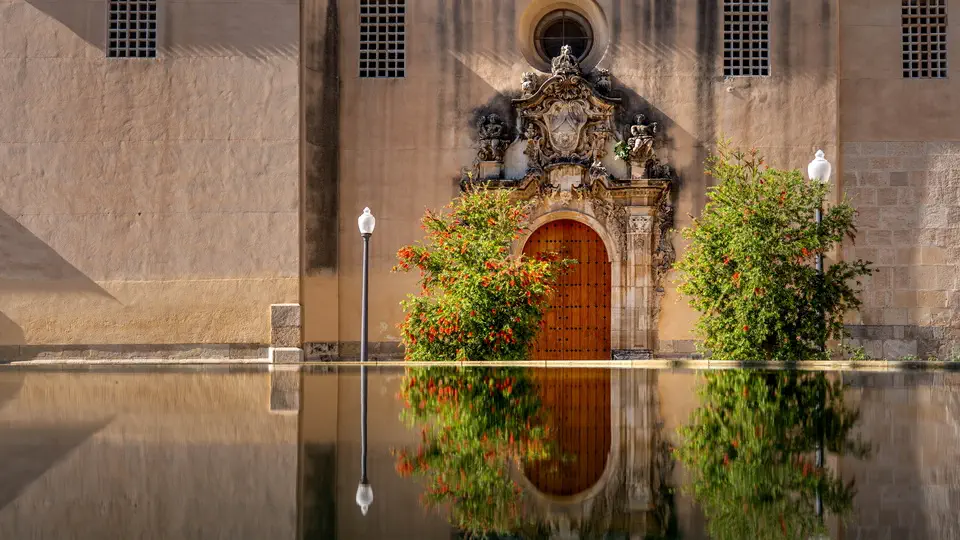
Orihuela is one of those Spanish cities that can genuinely surprise you with the scale of its historical heritage. There are no seaside promenades or enormous hotels here, but there are plenty of fascinating monuments, an interesting history and the atmosphere of an old city that played an important role in the region for centuries. During a walk, you can discover a Gothic cathedral, the monumental Santo Domingo complex, former palaces, medieval fortifications and places associated with the life of Miguel Hernández. Best of all, everything is within a relatively short distance of the historic centre.
I’m particularly in favor of combining a visit to Orihuela with a holiday on the coast. If you are staying in Torrevieja, La Zenia or Guardamar del Segura, a trip here provides an excellent opportunity to spend a day away from the beach and discover the more historic side of Alicante province.
I would not treat Orihuela as somewhere to rush through, ticking off one monument after another. It is much better to allow yourself a few hours for an unhurried walk, visit some interesting churches, explore the former monastery and look for traces of the past in the quieter side streets. This is when you really begin to appreciate that south-eastern Spain has considerably more to offer than the beautiful beaches of the Costa Blanca.
If you are planning a longer stay in the region, have a look at our guide to Torrevieja, where we describe the city’s attractions and the surrounding area. You might also enjoy our overview of the most interesting attractions on the Costa Blanca, which includes several ideas for trips away from the coast.
Orihuela – information and interesting things to know
- Orihuela is one of the oldest historic cities in Alicante province. Traces of human settlement in the area date back to the Copper Age, several thousand years before Christ.
- During the Visigothic period, Orihuela was the capital of an extensive administrative territory covering parts of what are now the provinces of Alicante and Murcia.
- The city is associated with Teodomir, a Visigothic ruler who negotiated an agreement with the Muslim conquerors of the Iberian Peninsula in the early 8th century. Thanks to this treaty, the local population retained a considerable degree of autonomy for a time.
- According to local legend, Teodomir ordered women to dress as soldiers and stand along the city walls. He intended to convince the opposing forces that he had a much larger army than was actually the case.
- On 17 July 1242, Orihuela was captured by the forces of Infante Alfonso, the future King Alfonso X of Castile. This event marked the beginning of a new chapter in the city’s history.
- In 1564, Orihuela became the seat of its bishopric. This considerably increased its religious importance and contributed to the development of monumental religious architecture.
- Orihuela once had its university. It was based in the Santo Domingo complex and began operating in 1610. The institution remained open until 1824.
- The former Santo Domingo complex is so large and monumental that it is sometimes called El Escorial de Levante. Its architecture combines Renaissance, Mannerist and Baroque elements.
- The former university at Santo Domingo was established through the initiative of Fernando de Loazes, a clergyman born in Orihuela who played an important role in the development of local education.
- The historic centre of Orihuela was declared a Historic-Artistic Site in 1969. The protected area includes numerous churches, palaces and historic streets.
- Orihuela is the birthplace of Miguel Hernández, one of the most important Spanish poets of the 20th century. He was born here on 30 October 1910.
- Miguel Hernández came from a modest family. His father worked with goats and sheep, and the future poet helped look after the animals as a young boy.
- The former family home of Miguel Hernández is now the Casa Museo Miguel Hernández. Visitors can see the old kitchen, living quarters and courtyard with its fig tree.
- Orihuela also provided inspiration for the writer Gabriel Miró. The city and its inhabitants appear in his novels Nuestro Padre San Daniel and El obispo leproso.
- El Salvador and Santa María Cathedral was built on the site of a former mosque. Construction began in the 14th century, and its present appearance reflects numerous alterations carried out over several centuries.
- The Museum of Sacred Art next to the cathedral houses works by outstanding artists. One of its best-known exhibits is The Temptation of Saint Thomas Aquinas, attributed to Diego Velázquez.
- Orihuela has three remarkable historic churches representing the Gothic tradition: El Salvador Cathedral, the Church of Saints Justa and Rufina, and the Church of Santiago el Mayor.
- Holy Week in Orihuela has a tradition stretching back more than 500 years. The beginnings of the local celebrations are associated with the Chapel of Loreto, founded in 1536.
- The Easter processions in Orihuela have been recognised as an event of International Tourist Interest. They attract people interested in religious traditions and sacred art from different parts of Spain.
- One of the most unusual features of Holy Week is La Diablesa, a sculpture depicting a cross, a skeleton, and a devil. It is one of the most recognisable symbols of the city’s processions.
- On Maundy Thursday, during the Cristo del Silencio procession, the city lights are switched off. The streets are illuminated only by lanterns carried by participants, while the silence is broken by the traditional singing of Canto de la Pasión.
- Every July, Orihuela hosts the Moros y Cristianos celebrations. Participants wear historical costumes and recreate events associated with the conflicts between Christians and Muslims on the Iberian Peninsula.
- Palmeral de San Antón, the palm grove in Orihuela, is the second-largest historic concentration of palm trees in Europe. The largest is located in nearby Elche.
- Date palms dominate Palmeral de San Antón. Their presence is connected with traditional agriculture and irrigation systems developed in this area during the period of Muslim rule.
- Orihuela is the largest municipality by area in Alicante province. Its territory includes not only the historic inland city but also extensive rural areas and the coastal district of Orihuela Costa, which lies more than 20 kilometres from the historic centre.