Tapas are one of those Spanish inventions that I took to almost immediately. It is not simply about the food. The way people spend their time matters just as much: sitting at the bar, ordering a few small dishes, sharing them and moving on to the next place once nothing but empty plates remains on the table.
While travelling around Spain, however, I discovered that the phrase “Spanish tapas” can mean something entirely different in Madrid, Granada, the Basque Country or Galicia. In the south, you may receive a complimentary snack with your beer; in San Sebastián, a tiny pintxo can cost as much as a miniature work of art; while in Murcia, crisp rosquillas topped with salad and anchovies wait on the bar.
For that reason, I would not try to name a single dish that could be described as the one true Spanish tapa. Tapas are more a way of serving food than a particular dish. They might be olives, slices of ham, croquettes, a piece of tortilla, braised meat, seafood or an elaborate composition that is almost impossible to eat without cutlery.
What exactly are tapas?
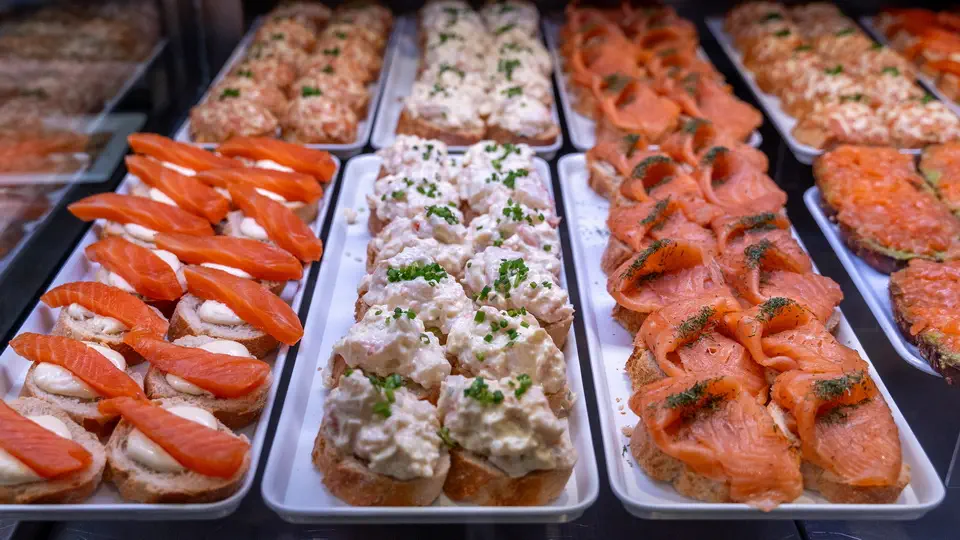
The Spanish word “tapa” means a lid or cover. According to a popular story, small pieces of bread, cheese, or ham were once placed over glasses to protect the drink from dust and insects. Another legend associates the invention of tapas with King Alfonso X the Wise, who supposedly ordered that alcohol should always be served with food.
Both stories are repeated enthusiastically, but neither can be regarded as a definitive explanation of where tapas came from. Even Madrid’s official tourism websites offer several versions of the tale. It is safest to treat them as part of Spain’s culinary folklore rather than indisputable historical fact. Today, tapas may be hot or cold, simple or extraordinarily sophisticated. You will most commonly encounter the following terms for portion sizes:
- Tapa – a small serving for one person, or a tasting portion to share.
- Media ración – half of a larger portion, usually enough for two people.
- Ración – a full portion intended for sharing.
- Pintxo or pincho – a small snack associated mainly with the Basque Country and northern Spain.
- Aperitivo – a small bite served with a drink, not necessarily ordered separately.
Do not assume that tapas are free throughout Spain. This custom is strongly associated with particular cities, especially Granada, Almería and certain parts of Castile. In Barcelona, San Sebastián and Madrid’s most popular districts, you will generally have to pay for every snack.
Andalusia – the kingdom of traditional tapas
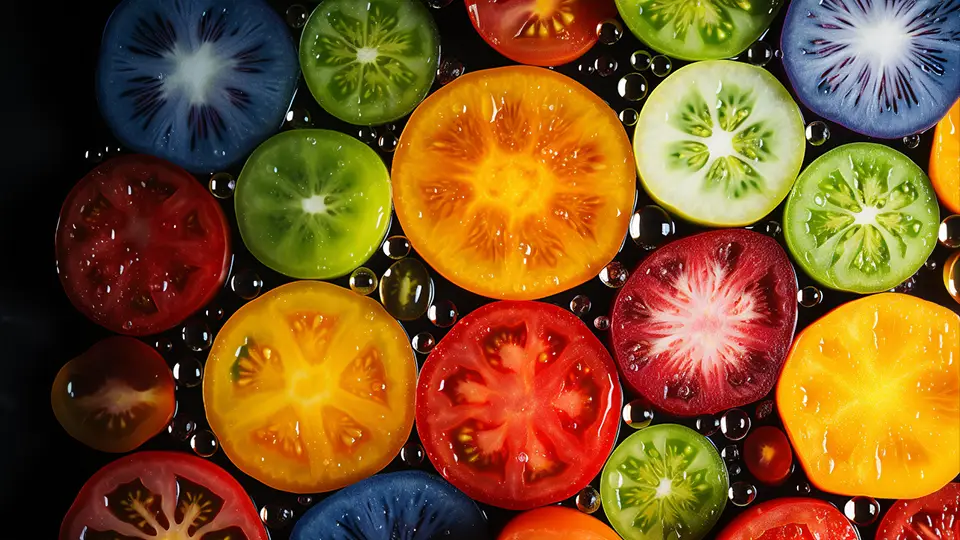
If I had to choose the region where tapas have best retained their relaxed, everyday character, I would pick Andalusia. The snacks here tend to be simple and full of flavour, made from ingredients that cope well with the heat: tomatoes, olive oil, olives, fish, seafood and cured meats.
In Granada, ordering a beer, wine or soft drink will very often earn you a complimentary tapa. In one bar, it might be a small sandwich; in another, a croquette, some potatoes, a piece of tortilla or a little plate of braised meat. Sporadically the staff decide what to serve, while elsewhere you can choose from a short list. The complimentary-tapas tradition also remains deeply rooted in Almería. In many places, you can select a different snack with each successive drink, so it is easy to understand how an evening spent moving between bars can take the place of dinner.
In other parts of Andalusia, tapas are more often ordered and paid for separately. In Seville, try espinacas con garbanzos, spinach with chickpeas, and a montadito de pringá, a small sandwich filled with meat left over from making a traditional stew. Córdoba is known for salmorejo, a thick chilled tomato soup served with egg and ham.
Along the coasts of Cádiz, Huelva and Málaga, I would choose fish and seafood above all else. Boquerones fritos, squid, marinated anchovies, prawns and cazón en adobo—marinated and fried dogfish—suit the local climate far better than heavy meat dishes.
The Basque Country – pintxos rather than ordinary tapas
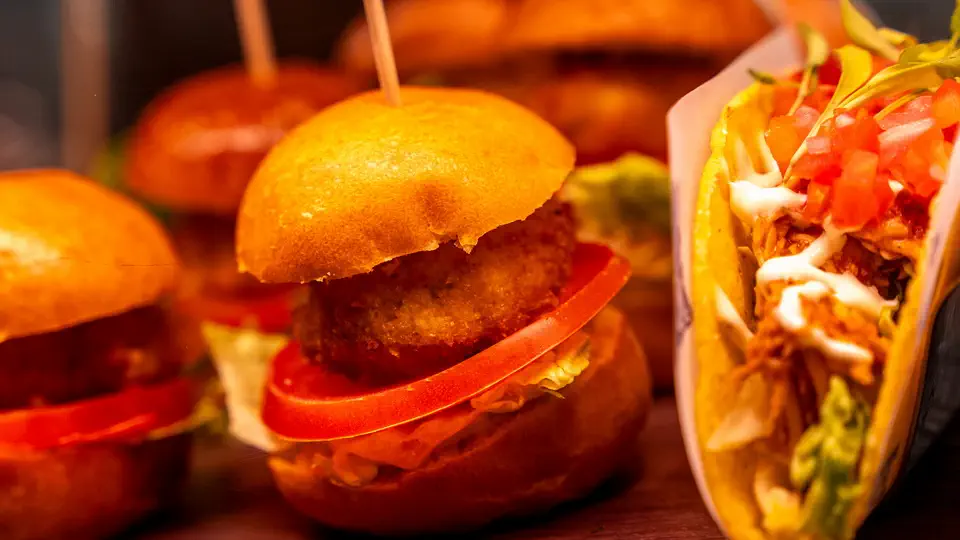
In the Basque Country, people usually talk about pintxos, not tapas. The name comes from a word meaning a spike or skewer, because ingredients were traditionally secured to a slice of bread with a cocktail stick. Modern pintxos do not necessarily include either bread or a cocktail stick. In San Sebastián and Bilbao, bars can resemble small culinary galleries, with dozens of snacks featuring fish, seafood, mushrooms, cheese, meat, and vegetables arranged across the counters. Alongside simple pintxos, you will find creations that look like miniature dishes from an excellent restaurant.
One classic is the gilda, a cocktail stick threaded with an olive, an anchovy and a pickled chilli pepper. It was reportedly named after the title character in the film Gilda, played by Rita Hayworth—the snack was said to be as green, salty and spicy as the screen siren. It is also worth looking for pintxos made with cod, beef cheeks, txangurro crab, piquillo peppers and Idiazábal cheese. Pair them with txakoli, the local slightly sparkling wine, a glass of Rioja or cider.
The Basques even have their word for moving from bar to bar. Txikiteo is a social outing during which a small drink and one or two pintxos are ordered in each place. The Basque Country’s official tourism website describes pintxos as high-quality cooking in miniature, which captures their character rather well.
Navarre and La Rioja – vegetables, mushrooms, and wine
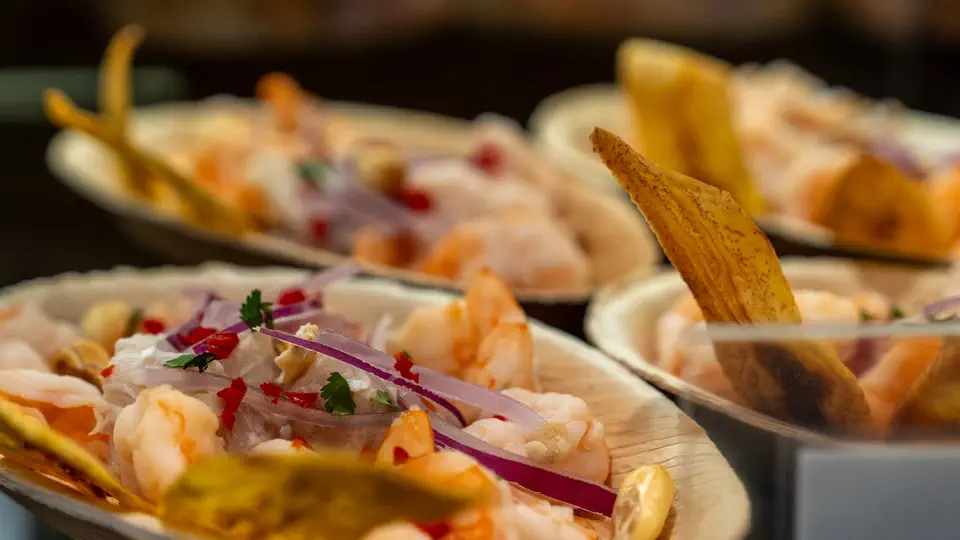
In Navarre and La Rioja, you are more likely to see the spelling pinchos. The snacks may be less theatrical than those in San Sebastián, but they are still made with great care and high-quality ingredients. Navarre is well-known for its vegetables, so look for asparagus, artichokes, piquillo peppers and fried peppers sprinkled with salt. Chistorra, a thin, intensely seasoned sausage served in bread or on its own, is another popular choice.
In La Rioja, tapas are naturally paired with the region’s wine. Logroño is particularly well known for Calle del Laurel, where successive bars often specialise in just one particular snack. One serves mushrooms topped with a prawn, another grilled meat, and the next croquettes or sausage sandwiches. This is one of my favourite ways to discover a city. Instead of studying a long menu, you order the house speciality, drink a small glass of wine and move a few doors further along.
Galicia – tapas from the Atlantic
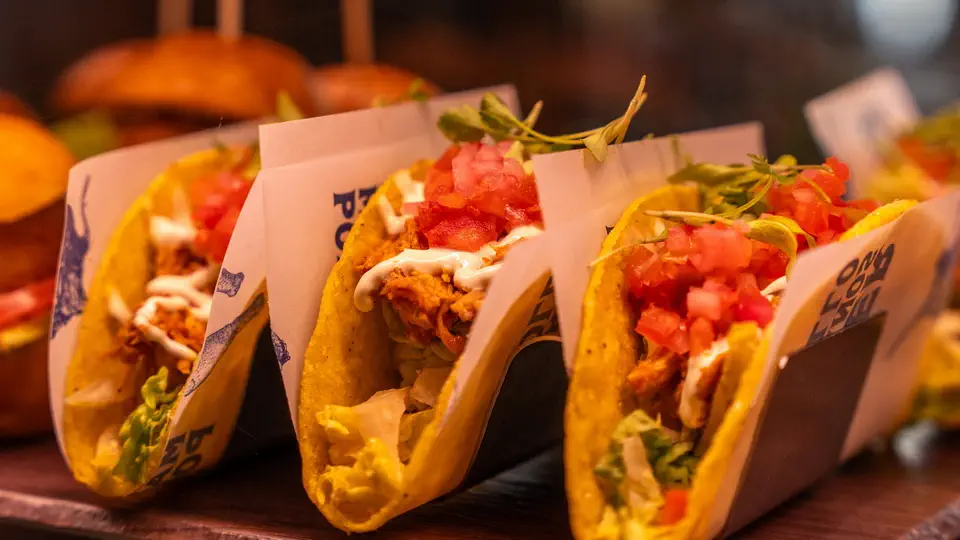
Galician tapas are more generous, more rustic and closely connected to the Atlantic. In coastal towns, I would be most tempted by octopus, mussels, scallops, small sardines and pieces of fish prepared in a remarkable variety of ways. The best-known dish is pulpo á feira: boiled octopus cut into slices, drizzled with olive oil and sprinkled with salt and paprika. It is traditionally served on a wooden plate.
Bars also serve slices of Galician empanada, Padrón peppers, mussels in sauce, seafood croquettes and lacón, or boiled pork. Around A Coruña, try the exceptionally moist tortilla from Betanzos, cooked so that the egg in the centre remains almost runny. Lugo has a particularly interesting custom, as complimentary snacks are often served with drinks. Local favourites include octopus, carne ao caldeiro and cured meats.
Asturias and Cantabria – cheese, cider, and seafood
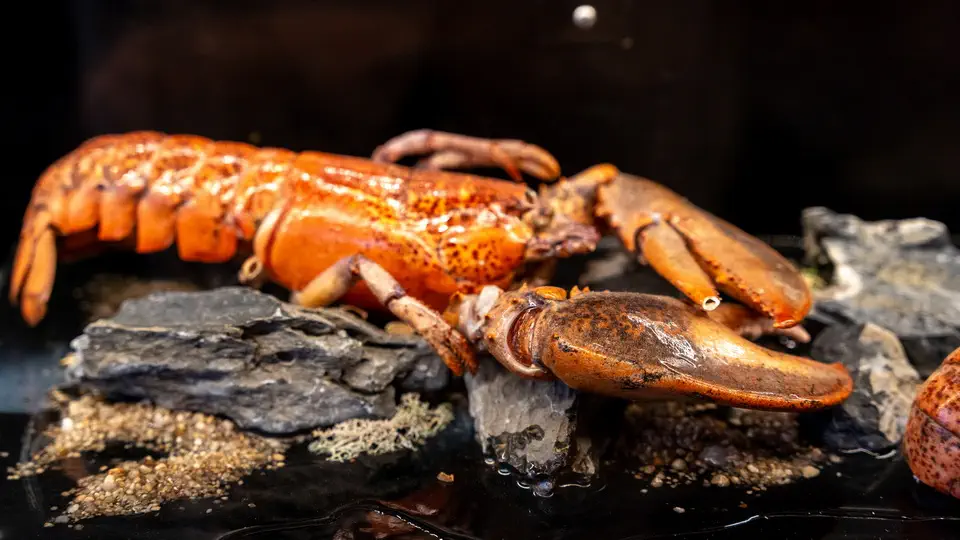
In Asturias, tapas are often served with cider. Particularly characteristic choices include pieces of Cabrales cheese, cheese croquettes, chorizo braised in cider and small servings of bean dishes. Some are rather substantial, so two or three plates can leave you feeling as though you have eaten a full meal.
Cantabria, meanwhile, takes advantage of its position on the Bay of Biscay. Rabas, or fried strips of squid, are popular in Santander. It is also worth trying anchovies from Santoña, mussels, sardines and small portions of fish. Northern tapas taste quite different from their Andalusian counterparts. They feature more rich cheeses, fish, meat and thick sauces, and fewer tomatoes or chilled snacks associated with a Mediterranean summer.
Madrid – tapas from all over Spain
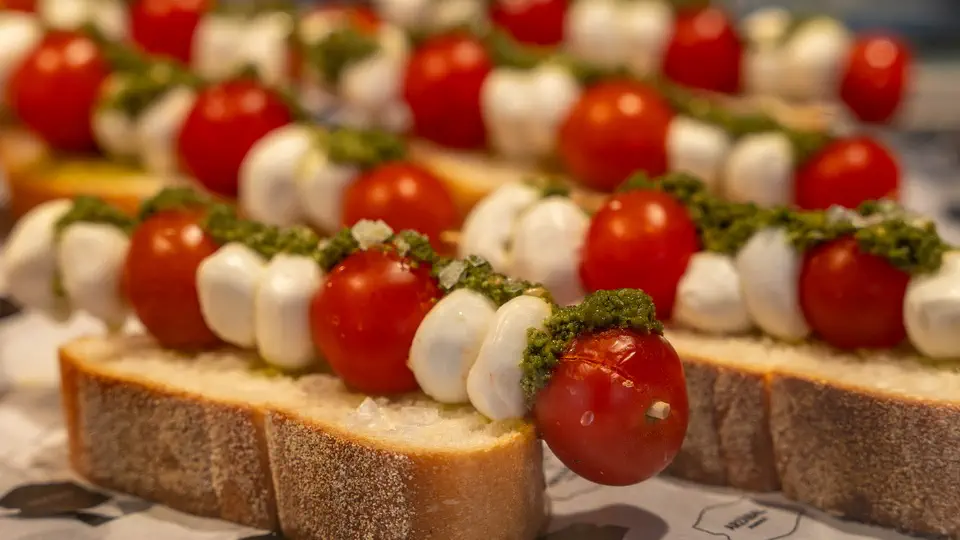
Madrid stands at the heart of the country and has long attracted people from every Spanish region. As a result, its tapas culture has become exceptionally varied. In a single neighbourhood, you might find Andalusian fried fish, Basque pintxos, Galician octopus and cheeses from Castile.
Madrid’s most characteristic small dishes include croquettes, potato tortilla, callos a la madrileña—tripe cooked in a rich sauce—garlic prawns and fried cod. Near Plaza Mayor, you should also try a bocadillo de calamares, a roll filled with fried squid. It is not a typical tapa, but a culinary introduction to Madrid would feel incomplete without one.
If you would like to see an enormous selection of Spanish snacks in one place, visit the Mercado de San Miguel in Madrid. The market hall is beautiful and filled with colourful food, although you should be prepared for crowds and high prices. I would treat it as somewhere to sample two or three things rather than have a large dinner. For cheaper and more local bars, look in La Latina, Lavapiés and Chamberí, as well as the side streets of Malasaña. They can easily be included in a three-day visit to Madrid, particularly during an evening walk through the centre.
Castile and León, Castilla–La Mancha and Extremadura
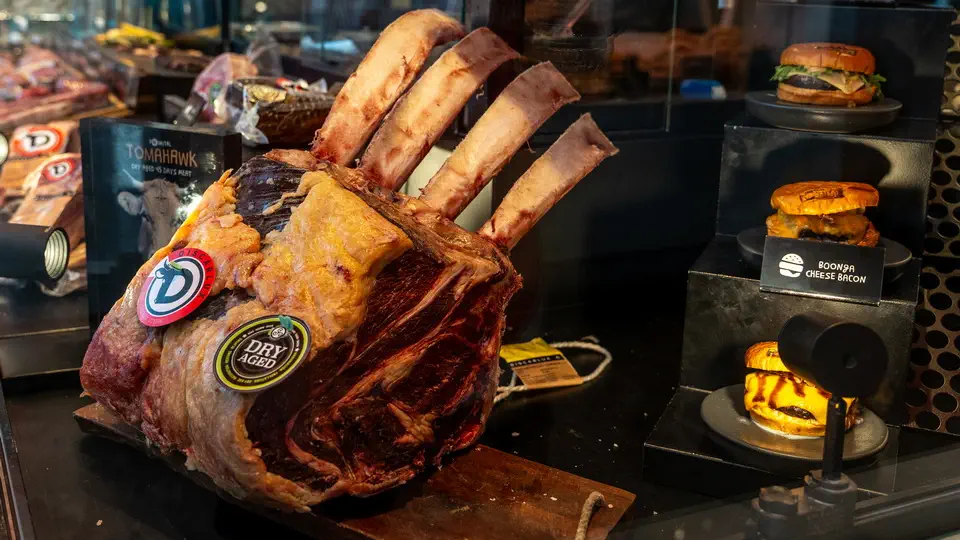
In central and western Spain, tapas tend to be meatier and more filling. Castile and León is known for morcilla de Burgos, a type of black pudding made with rice, cecina de León, cured beef, crisp torreznos and Salamanca’s farinato sausage. In Segovia or Ávila, you may find small portions of roast pork, sausages, and potatoes. These are not delicate snacks for a hot day, but they are excellent on a cooler evening.
Castilla–La Mancha is associated above all with Manchego cheese. It is served on its own, with olive oil, preserve, or a piece of bread. Look out as well for pisto manchego, pickled vegetables, sausages and migas made from breadcrumbs. In Extremadura, jamón ibérico reigns supreme, accompanied by cured meats, pimentón de la Vera paprika and creamy Torta del Casar cheese. The tapas here do not need to be complicated. When the ingredients are good, a board of ham, some cheese and fresh bread are quite enough.
Catalonia – tapas, racions and pa amb tomàquet
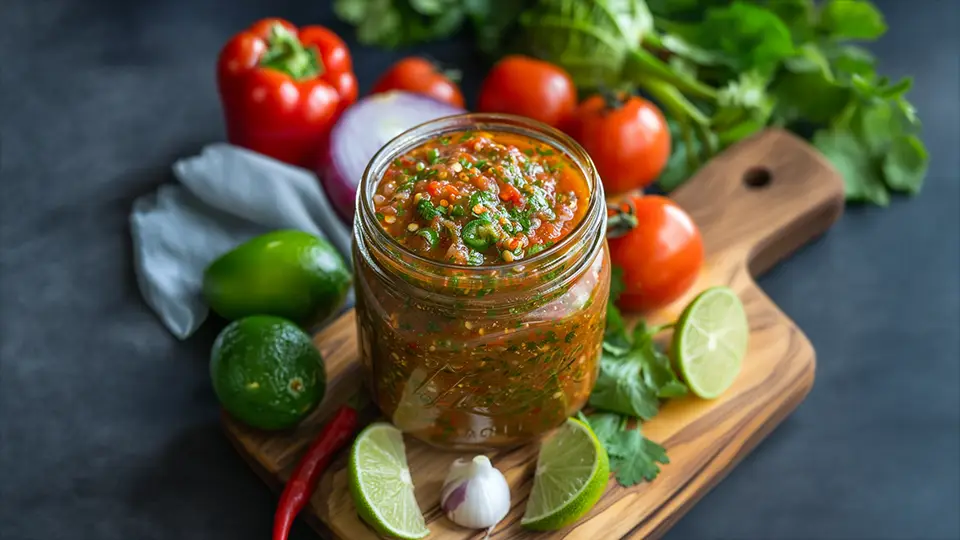
Catalonia has a clear culinary identity of its own. Tapas are popular, but groups just as often order larger racions to share. The simplest accompaniment is pa amb tomàquet—bread rubbed with ripe tomato, drizzled with olive oil and sprinkled with salt. In Barcelona, try bombas as well: potato balls filled with meat and served with a spicy sauce.
Other popular choices include escalivada made with roasted vegetables, anchovies, fuet, croquettes, grilled squid and esqueixada, a salad of salt cod, tomatoes, onion, and olives. Prices in Barcelona city centre can be high, so I would avoid establishments immediately beside the biggest attractions. A few streets away, the quality often improves while the bill becomes much less painful.
Valencia and the Costa Blanca – rice, fish, and Mediterranean vegetables
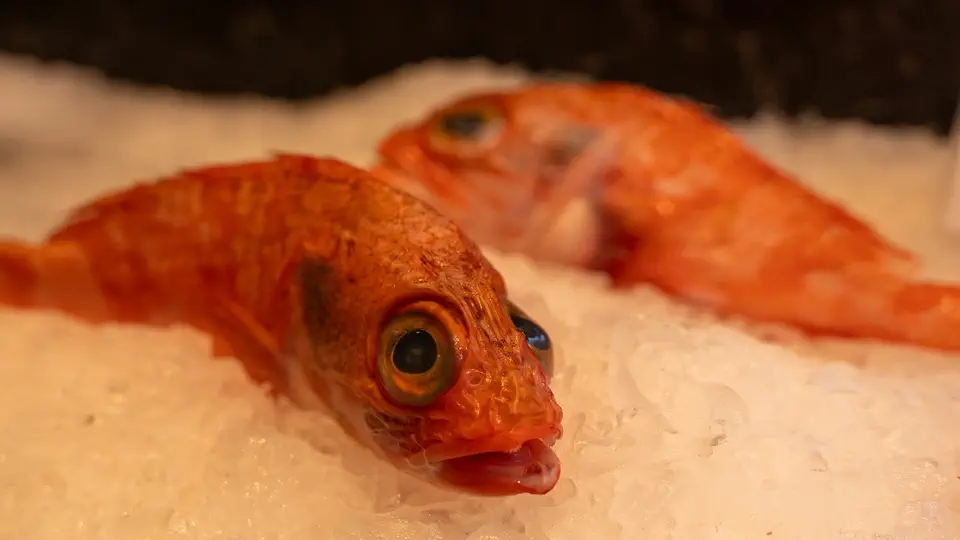
In Valencia, tapas are closely connected with the sea, rice, vegetables and local produce. One of the most interesting is esgarraet, made with roasted red pepper, salt cod, garlic and olive oil. In season, try clóchinas, Valencia’s small local mussels. Grilled cuttlefish, squid, cod croquettes, anchovies, olives, and seafood salads are also popular.
On the Costa Blanca, I often came across tapas similar to those served in Valencia and Murcia. Fish, prawns, octopus, squid, and Russian salad—known here as ensaladilla rusa—dominate the menus. In tourist resorts, the selection is sometimes tailored to foreign visitors, so I would look for the best snacks a few streets back from the beach and main promenade.
Paella may be the symbol of Valencia, but it should not be regarded as a typical tapa. You may occasionally receive a small portion of rice, although a good paella remains a complete dish prepared for several people.
Murcia – marinera, mojama and zarangollo
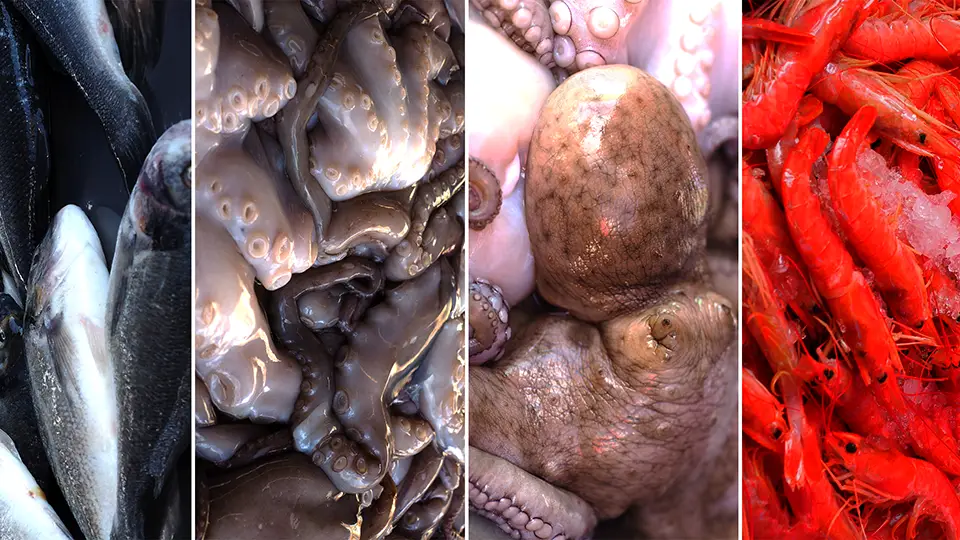
Murcian cuisine deserves a section of its own because it has several tapas that I have not encountered nearly as often in other parts of the country. The most characteristic is the marinera. It consists of a long, crisp rosquilla cracker topped with potato salad and an anchovy fillet. The version without the anchovy is called a bicicleta, while the snack with an anchovy but no salad is known as a marinero.
Other things worth trying to include zarangollo, scrambled eggs with courgette and onion; mojama, salt-cured tuna; grilled octopus; and vegetables grown in the fertile Segura river valley. Murcia receives fewer visitors than Barcelona or Madrid, making it easier to find bars catering to local people. After visiting Murcia Cathedral, I recommend leaving the main square and looking for a busy bar where residents are standing at the counter. That is usually a more reliable sign than the most colourful advertising board.
The Balearic and Canary Islands

In the Balearic Islands, tapas make use of local cheeses, cured meats and vegetables. On Mallorca, try sobrasada, a soft sausage seasoned with paprika and either fried or spread on bread. Croquettes, tumbet made with roasted vegetables and pieces of local cheese are also popular. Menorca is best known for Mahón cheese.
In the Canary Islands, one of the most characteristic snacks is papas arrugadas—small potatoes cooked in heavily salted water and served with mojo sauces. You will also find grilled goat’s cheese, ropa vieja, local sausages and almogrote, a thick cheese spread popular on La Gomera. These tapas demonstrate just how different island cooking is from the food of mainland Spain. There is more goat’s cheese, local sauces, bananas and ocean fish, along with ingredients that reached the archipelago from Africa and the Americas.
Patatas bravas – a recipe for one of Spain’s most popular tapas
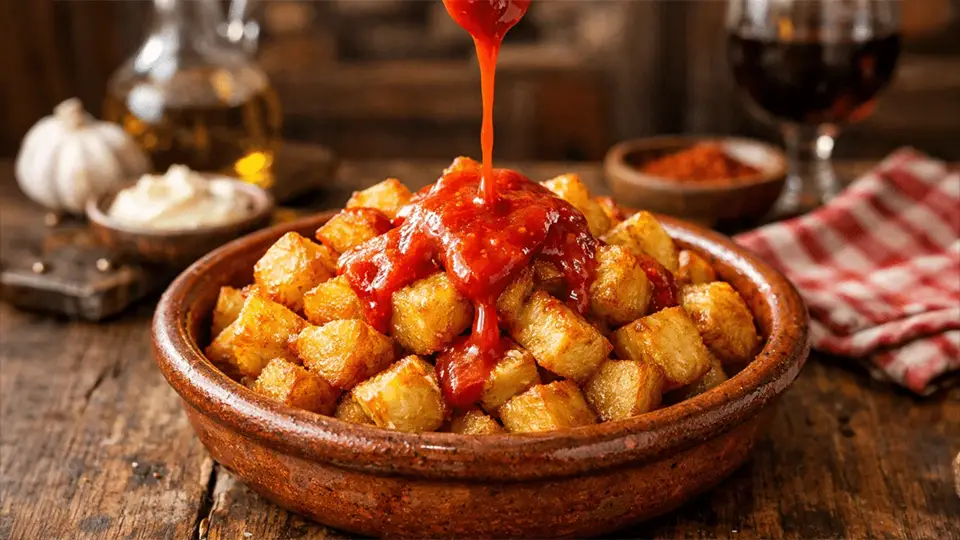
Ingredients for 3–4 people
- Potatoes
- 800g potatoes
- 3 tablespoons olive oil
- salt
- oil for frying, if using the traditional method
- Bravas sauce
- 2 tablespoons olive oil
- 1 small onion
- 2 garlic cloves
- 1 tablespoon tomato purée
- 200ml passata
- 1 teaspoon sweet paprika
- ½–1 teaspoon hot or smoked paprika
- ½ teaspoon sugar
- 1 teaspoon wine vinegar
- salt
- about 50–100ml water
- Optional garlic sauce
- 4 tablespoons mayonnaise
- 1 garlic clove
- 1 teaspoon lemon juice
- a pinch of salt
Preparing the potatoes
I peel the potatoes and cut them into irregular pieces about three centimetres across. I rinse them in cold water and then dry them very thoroughly, which makes it easier to achieve a crisp outside during baking or frying. In the traditional version, the potatoes are fried twice. First, I cook them for around 7–8 minutes in oil heated to 150 °C, allowing them to soften inside. I remove them, raise the temperature to about 180°C and fry them again for 2–3 minutes, until golden and crisp. A lighter version can be made in the oven. I toss the potatoes with olive oil and salt, spread them across a baking tray and roast them at 220 °C for around 35–40 minutes, turning them halfway through.
How do you make bravas sauce?
I heat the olive oil in a frying pan, add the finely chopped onion and cook it over a low heat for about five minutes. I then add the garlic and stir for another 30 seconds or so. Next come the tomato purée, passata, sweet paprika and hot paprika. I add a little water and simmer the sauce over a low heat for around 10–15 minutes. Finally, I stir in the vinegar, sugar, and salt. If the sauce is too thick, I add a little more water. You can leave the finished sauce with pieces of onion in it or blend it until smooth. I prefer the second version because it coats the potatoes more evenly.
Garlic sauce
I mix the mayonnaise with the crushed garlic, lemon juice and a little salt. Add a tablespoon of natural yoghurt if you would like the sauce to be slightly lighter.
How should patatas bravas be served?
I transfer the hot potatoes to a small serving dish, spoon over the bravas sauce and add a few dollops of garlic sauce. I do not cover them completely, as they would quickly lose their crispness. You can also serve the sauces in separate bowls. Patatas bravas taste best as soon as they are ready and go well with cold beer, wine or a soft drink. If you are planning a Spanish-style evening, I would serve olives, Manchego cheese, slices of jamón serrano and pieces of potato tortilla alongside them.
How to order tapas in Spain
At first, a Spanish bar may seem chaotic. People stand at the counter, staff move quickly and the menu may be written in chalk on a wall. It is best not to overcomplicate your first order. I usually ask for two or three tapas and only then decide whether I would like to try anything else. This prevents more food suddenly arriving at the table than we can manage. Useful phrases include:
- Una tapa de… – a small portion of…, please.
- Media ración – half a portion.
- Una ración para compartir – a portion to share.
- ¿Qué me recomienda? – what do you recommend?
- ¿La tapa está incluida? – is the tapa included?
- La cuenta, por favor – the bill, please.
In pintxo bars, it is worth asking how the bill is calculated. Occasionally, the staff count plates or cocktail sticks, while elsewhere you simply tell them what you ate. Hot pintxos are often ordered separately, even when cold snacks are already displayed on the counter.
When do Spanish people go out for tapas?
You can eat tapas at almost any time, but bars are busiest before lunch and again in the evening. Spain follows a later daily rhythm than Poland or Britain. Lunch often begins after 2pm, while dinner may not start until around 9pm or even later.
If you enter a bar at 6pm, you might find the room empty and conclude that you have chosen badly. Two hours later, the same place may not have a single free table. I particularly enjoy starting an evening of tapas at around 8pm. I order one thing in the first bar, something else in the next and avoid settling in one place. Moving around is part of the whole experience.
Where can you eat the best tapas in Spain?
I cannot name one region that wins beyond all doubt. Everything depends on what you are looking for.
For complimentary, filling snacks, choose Granada or Almería. I would travel to San Sebastián for culinary creativity, while seafood lovers should consider Galicia, Cádiz and the Cantabrian coast. Madrid is the best choice if you want to sample dishes from all over Spain during a short stay. Murcia, Navarre and Castile, meanwhile, allow you to discover flavours that are often overlooked in the busiest tourist resorts.
The most important advice is basic: walk away from the main square, see where local people are eating and do not order everything at once. Tapas taste best when there is no need to hurry, when you can share food, talk, and move on to another bar a little later.
Tapas – facts, information and interesting details
- The origin of tapas has never been conclusively established. Some researchers look for their beginnings in 19th-century Andalusia, while other stories take us to the court of the medieval King Alfonso X. None of these versions has been proved beyond doubt.
- The word “tapa” means a lid or cover. According to the best-known legend, glasses of wine were once covered with a piece of bread, cheese, or ham. The food was meant to protect the drink from dust, sand and insects, eventually becoming an inseparable accompaniment to alcohol.
- Tapas are not a single dish. The term refers mainly to the way food is served and the size of the portion. A tapa could be a bowl of olives, a piece of tortilla, a croquette, a slice of cured ham, fried fish, braised meat or even a small helping of stew.
- Moving between tapas bars has its name. Spanish people use the expressions “ir de tapas” or “tapear”, while the entire outing may be called a “tapeo”. The point is not to sit in one establishment all evening, but to visit several bars and sample each one’s speciality.
- Tapas are not complimentary throughout Spain. A free snack with a drink is a regional custom rather than a nationwide rule. In Barcelona, San Sebastián and most tourist resorts, you normally pay separately for the food, even after ordering beer or wine.
- Granada is one of the most famous cities for complimentary tapas. Staff will often bring a small serving of food with your drink. Each successive order may come with a different snack, so several bar visits can add up to a surprisingly substantial dinner.
- A similar tradition survives in Almería. In many bars, customers can choose a complimentary tapa from a prepared list. Alongside olives and sandwiches, options may include potatoes, fish, seafood, sausages, miniature burgers and small portions of local dishes.
- Complimentary tapas are also served in the Galician city of Lugo. The best-known bars stand within the Roman walls, including those around Rúa Nova, Rúa da Cruz and Praza do Campo. Free snacks are an important part of the local culture of meeting over wine.
- Basque pintxos are not the same as classic tapas. Traditionally, ingredients were arranged on a piece of bread and pierced with a cocktail stick. The name reflects this way of serving them and is linked to the Spanish verb “pinchar”, meaning to prick or pierce.
- Modern pintxos can be miniature works of culinary art. In San Sebastián and Bilbao, you will find snacks featuring cod, crab, cheese, beef cheeks, mushrooms, and seafood. Some resemble tiny versions of dishes served in elegant restaurants.
- The Basques have their form of moving from bar to bar. The custom known as txikiteo involves visiting successive establishments, drinking a small glass of wine and eating pintxos. As the Basque Country’s official tourism portal emphasises, it is above all an opportunity to meet and spend time together.
- One of the best-known pintxos is the Gilda. It consists of an olive, a salty anchovy and a pickled chilli pepper threaded onto a cocktail stick. Its name refers to the title character in the film Gilda, played by Rita Hayworth—supposedly every bit as bold and spicy as this Basque snack.
- Cocktail sticks may be used to calculate the bill. In some pintxo bars, customers leave them on the plate and the staff count them at the end. This is not the rule everywhere, however, so it is worth observing how things work in a particular establishment before you start eating.
- Tortilla de patatas may be the most popular tapa in Spain. It is served hot or cold, on its own or on a piece of bread. Whether onion belongs in tortilla can provoke a surprisingly heated discussion among Spanish people.
- Cheeses served as tapas change from one region to another. Manchego dominates in Castilla–La Mancha, Idiazábal in the Basque Country, Roncal in Navarre, Mahón in Menorca and Majorero in the Canary Islands. Ordering a local cheese can therefore become a small culinary journey around Spain.
- Tapas portions have their size hierarchy. A tapa is the smallest, a media ración is larger, while a ración is a full serving normally intended for sharing. It is worth asking about the size before ordering, as a single ración may be enough for several people.
- Patatas bravas do not taste the same everywhere. The main difference lies in the sauce, which may be tomato-based, rich in paprika, garlicky or fiercely hot. In some regions, the potatoes are served with bravas sauce alone; elsewhere, alioli is added as well.
- Tapas change with the Spanish landscape. Galicia favours octopus, mussels, and fish; Extremadura, cured ham; Asturias, cheese and chorizo cooked in cider; and the Canary Islands, wrinkled potatoes with mojo sauces.
- Paella is not usually a tapa. Tourist bars sometimes serve a small portion of rice, but traditional Valencian paella is a complete dish prepared in a shared pan. Along the Valencian coast, tapas are more likely to include mussels, cuttlefish, anchovies and salt-cod salads.
- Mercado de San Miguel is not a typical tapas bar. Madrid’s historic market hall brings together stalls offering snacks from many regions of the country. It is an excellent place to see the tremendous variety of Spanish food, although the prices and crowds during our visit made it noticeably different from ordinary local bars. I wrote more about it in my guide to the Mercado de San Miguel in Madrid.