Madrid is enormous, filled with museums, historic squares, parks, restaurants, and neighbourhoods where life continues almost around the clock. Three days are not enough to uncover all its secrets, but they will comfortably allow you to see the main attractions and get a genuine feel for the character of the Spanish capital.
During my first visit, I tried to see as much as possible. I soon realised, however, that Madrid does not respond well to being rushed. This is a city where it is worth sitting down over a coffee, wandering into a side street without any particular destination in mind, ordering a little tapas and simply watching local people enjoy their city. That is why my three-day Madrid itinerary is fairly intensive, yet still manageable without constantly checking the time.
I have divided the route so that each day is spent exploring one part of the city. This means you will not waste time unnecessarily on the Metro or rush between sights several kilometres apart. If you would like more advice and information about the city’s monuments, museums and neighbourhoods, you will find plenty of inspiration in our other articles about Madrid.
Madrid in 3 days – a complete sightseeing itinerary, attractions, and practical advice
Madrid is one of those cities that can exhaust and delight you on the same day. Distances look harmless on a map and the sunshine encourages you to walk, yet after several hours you suddenly realise that you have covered more than ten kilometres, visited two museums, eaten three portions of tapas and still have not reached even half of the attractions on your list.
Three days are obviously not enough to see the whole of Madrid. They are, however, sufficient to explore its historic centre, visit the Royal Palace, relax in Retiro Park, see the most important squares, step inside one of the great museums and spend an evening in a neighbourhood where life begins just as most tourists start thinking about returning to their hotels.
I have designed this itinerary so that you spend each day in one section of the city. There is little point travelling from one side of Madrid to the other several times a day. It is far better to combine nearby attractions and use the time you save for an unhurried meal, a coffee or simply watching the city go by.
Are 3 days enough to explore Madrid?
Three days is a sensible minimum for a first visit to Madrid. During that time, you can see the most important attractions in the Spanish capital, although you will need to accept that you cannot enter every museum and palace.
The greatest mistake is trying to visit everything. The Prado Museum alone can take up most of a day, as can a thorough tour of the Royal Palace and its surroundings. Add more museums, shopping, the stadium, and an evening out, and the itinerary will quickly stop feeling like an enjoyable city break and begin to resemble a race against the clock. For a three-day stay, I suggest:
- spending the first day in Madrid’s historic and royal centre;
- devoting the second day to art, grand avenues and Retiro Park;
- using the third day to discover the more everyday face of the city, the Malasaña and Chueca neighbourhoods, and several less obvious attractions.
If museums do not interest you, replace them with the Santiago Bernabéu Stadium, a longer walk through the city or a visit to one of Madrid’s food markets.
Madrid in 3 days – itinerary at a glance
Day one – the historic and royal centre: Puerta del Sol – Plaza Mayor – Mercado de San Miguel – Almudena Cathedral – Royal Palace – Plaza de Oriente – Sabatini Gardens – Gran Vía.
Day two – museums and Retiro Park: Paseo del Prado – Prado Museum – San Jerónimo el Real – Retiro Park – Puerta de Alcalá – Plaza de Cibeles – Salamanca or Barrio de las Letras.
Day three – Malasaña, Chueca and sunset: Museum of the History of Madrid – Museum of Romanticism – Chueca – Gran Vía – Plaza de España – Temple of Debod – optionally, the Santiago Bernabéu Stadium.
Day one – royal Madrid and the oldest part of the city
I would begin the first day fairly early, preferably at around 8:30 or 9:00 am. Madrid’s historic centre is noticeably quieter at that time. Delivery drivers are dropping off supplies, café owners are arranging their tables and the most popular squares have not yet filled with guided groups.
Puerta del Sol – Madrid’s symbolic centre
Begin your visit at Puerta del Sol. This is one of Madrid’s best-known squares and the point where several important streets meet. Here you will see the Real Casa de Correos, the famous clock that sets the rhythm of the city’s New Year’s Eve celebrations, and the plaque marking Kilometre Zero of Spain’s radial road network.
You should also look for the statue of the bear reaching up towards a strawberry tree. The bear and the tree feature on Madrid’s coat of arms, which has made the monument one of the city’s most frequently photographed symbols. I would not plan to spend more than 20–30 minutes here. Puerta del Sol is important and extremely busy, but you will find much more pleasant places only a short walk away.
My advice: keep a close eye on your phone and wallet both in the square and on the streets leading into it. Madrid never felt unsafe to me, but crowds in the tourist centre create ideal conditions for pickpockets.
Plaza Mayor – the finest square in the historic centre
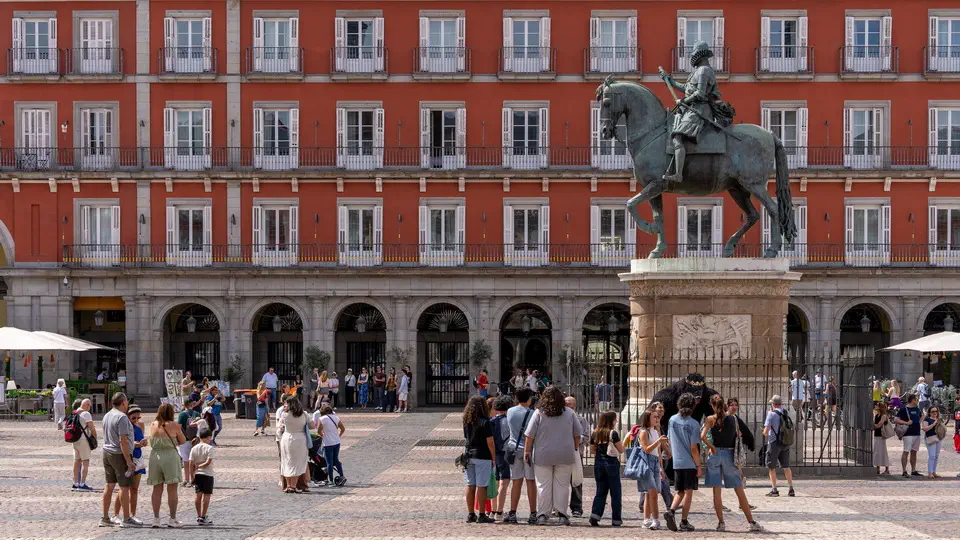
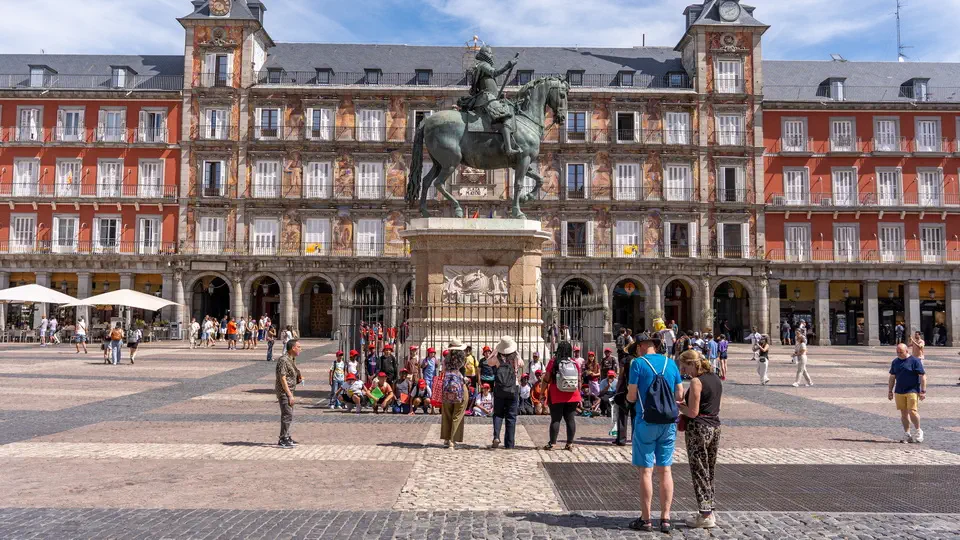
From Puerta del Sol, follow Calle Mayor towards Plaza Mayor. The walk takes only a few minutes, while entering the square through one of its gateways makes a wonderful first impression. A narrow street suddenly opens onto a vast space enclosed by the red façades of the surrounding buildings. Plaza Mayor in Madrid has served many purposes over the centuries. Markets, royal celebrations, theatrical performances, trials and public executions have all taken place here. The square is considerably more peaceful today, although crowds of visitors continue to pass through it for most of the day.
Have a closer look at the Casa de la Panadería with its richly decorated façade and the equestrian statue of Philip III standing in the centre. Make sure you also walk beneath the Arco de Cuchilleros. The steps below this distinctive arch lead into a network of old streets filled with bars and restaurants. There is a certain charm to drinking coffee on Plaza Mayor, but what you are mainly paying for is the view. If price matters, walk two or three streets further away.
Mercado de San Miguel – a stop for tapas
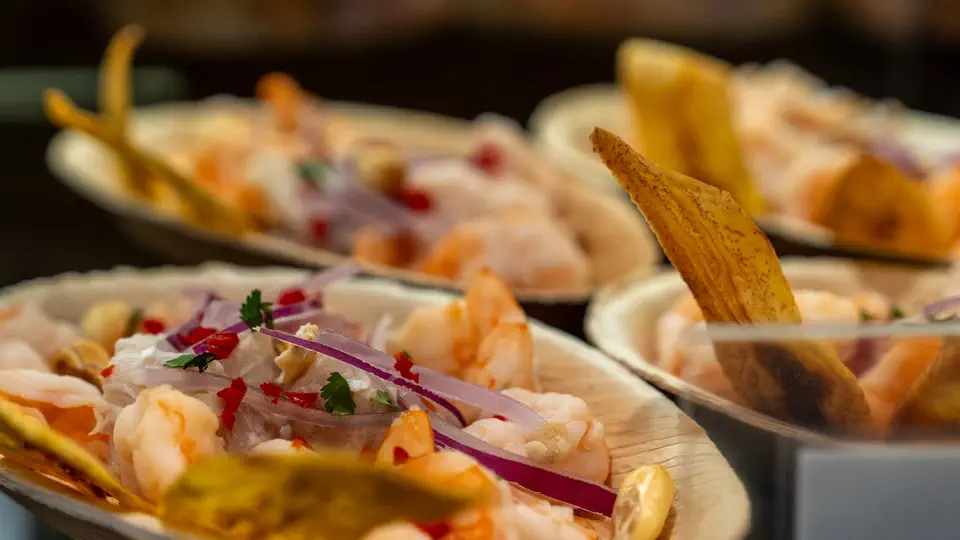
Mercado de San Miguel is only a two-minute walk from Plaza Mayor. The historic iron-and-glass market hall is now one of the most popular gastronomic destinations in the centre. Inside you will find cheeses, cured ham, olives, croquettes, seafood, tortilla, desserts and a considerable selection of Spanish wines. Mercado de San Miguel is worth seeing, but I would not recommend treating it as a place for a substantial lunch. Portions are small, prices are aimed at tourists and the bill grows more quickly than you might expect.
Walk around the entire hall and compare the stalls before choosing two or three snacks. Do not buy everything that looks good, because almost everything does. If you arrive at lunchtime or in the evening, finding a place at a table may be difficult, which is precisely why I prefer visiting before the largest crowds arrive.
Almudena Cathedral
After your snack, continue along Calle Mayor towards Almudena Cathedral. Construction took an exceptionally long time, while its mixture of architectural styles gives the church a very different appearance from most of Spain’s historic cathedrals.
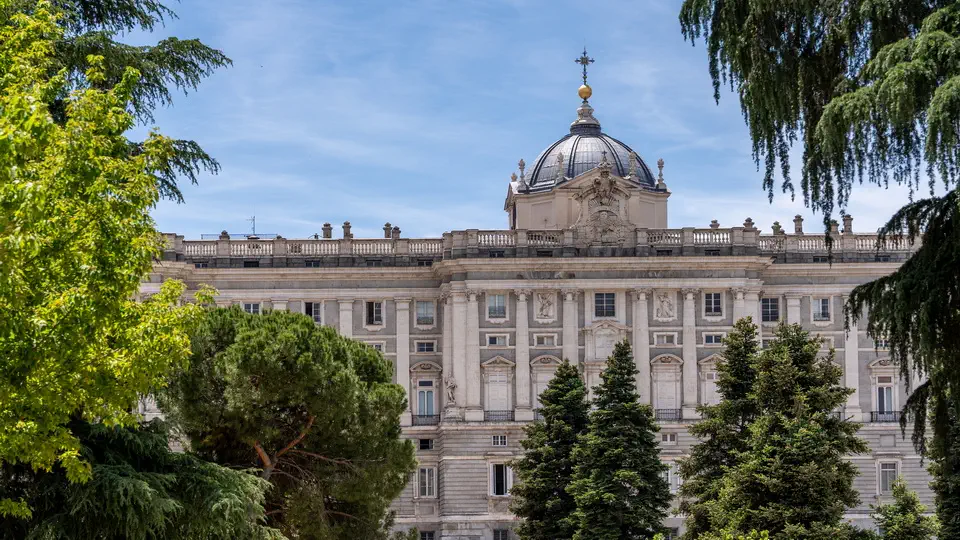
It is worth stepping inside even if you are not planning a long visit. The colourful ceiling decorations surprise visitors who expect a dark and austere church. You can also visit the crypt and climb to the dome, provided it is open and you have enough time. The square between the cathedral and the Royal Palace gives you an excellent sense of the scale of both buildings. It is also one of the best places from which to take wide photographs of the palace façade.
The Royal Palace of Madrid
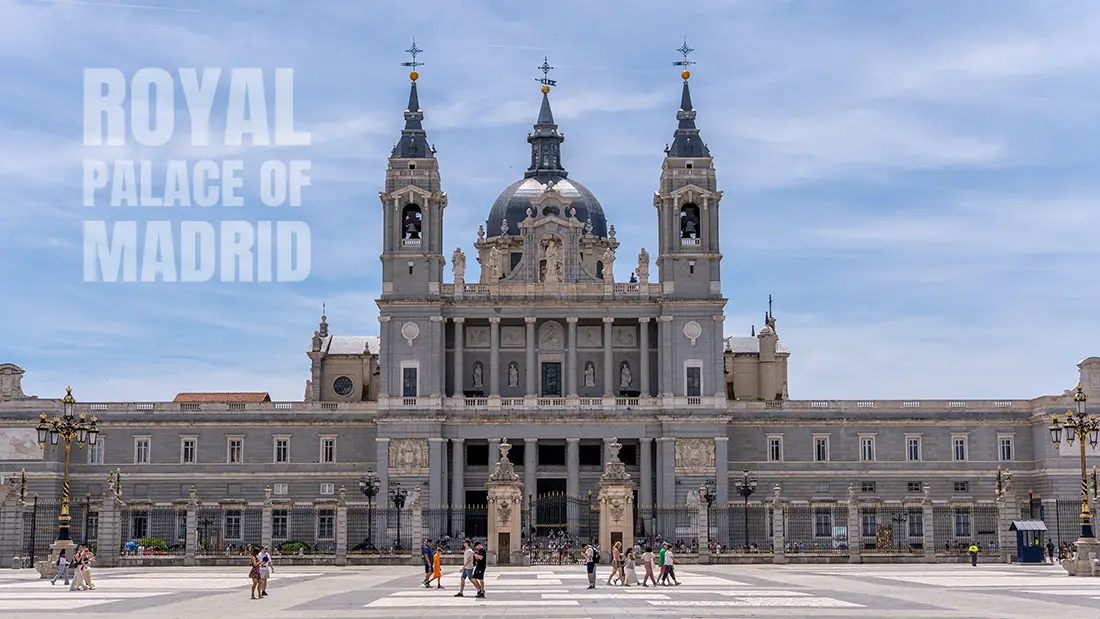
The most important attraction of the first day will be the Royal Palace of Madrid. Allow at least two hours to visit its interiors. If you are interested in history, art or historic weapons, you will probably spend even longer here. Inside, you will see the Grand Staircase, Throne Room, royal flats, chapel, dining room and part of the enormous art collection. The Royal Armoury is equally impressive. Not every room is always open, however, because the palace continues to host official ceremonies.
Buy your tickets online in advance. The queue at the ticket office can be long, particularly at weekends and during the summer holidays. Before your visit, check the opening hours and any announcements about partial closures. State ceremonies may result in changes to the visitor route. Avoid taking a large rucksack inside. Everyone passes through a security check at the entrance, while larger bags may need to be left in a cloakroom.
Plaza de Oriente and the small gardens beside the palace
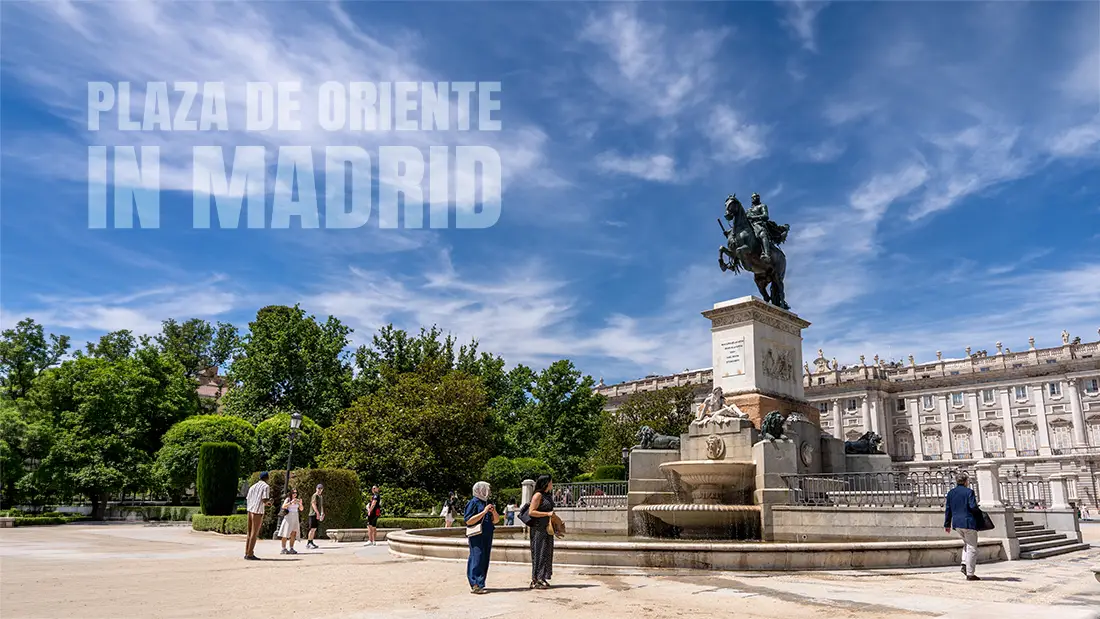
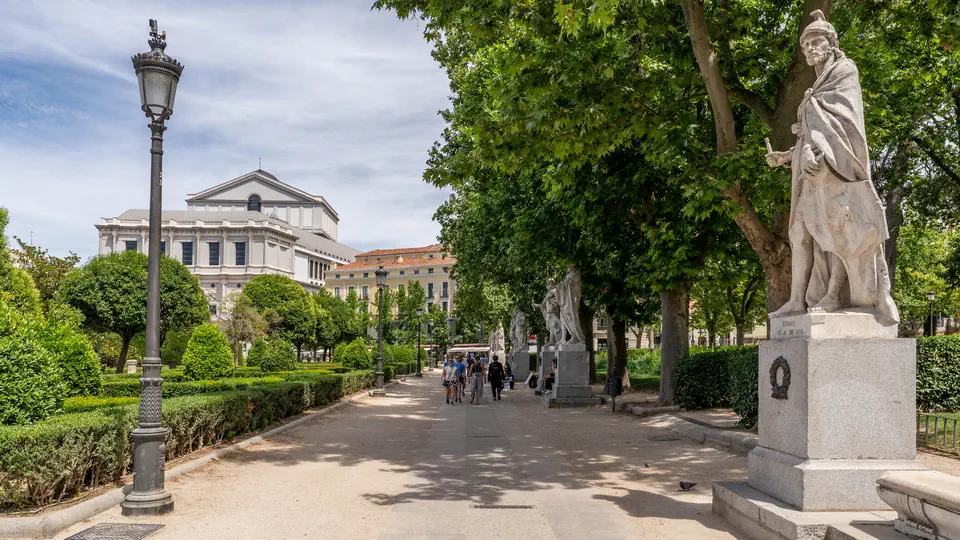
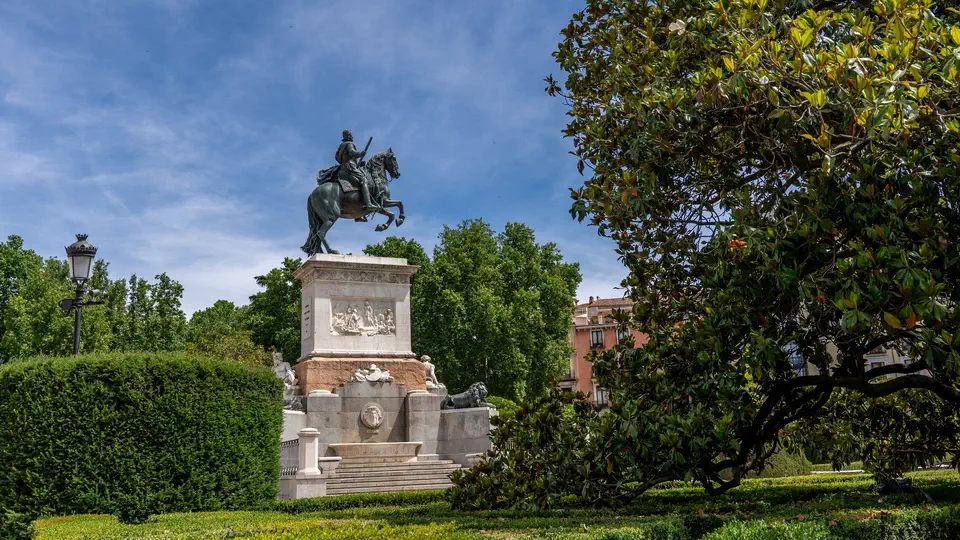
After leaving the palace, walk across to Plaza de Oriente. This elegant space lies between the royal residence and Teatro Real. An equestrian monument to Philip IV occupies the centre, while statues of former Spanish rulers stand among the greenery. After an intensive tour of the palace, it is also worth pausing in Jardines del Cabo Noval. This is a small garden, so you will not need to set aside much time, although on a hot day you will appreciate its benches and the shade of its tall trees.
If you still have enough energy, walk around the northern side of the palace and visit the Sabatini Gardens. To finish the day, continue across Plaza de España towards Gran Vía. In the evening, its neon signs, illuminated façades and crowds of pedestrians create an atmosphere wholly different from the one you encountered in the morning.
Day two – the Prado, Retiro Park and Madrid’s grand avenues
The second day combines art, architecture, and greenery. Do not attempt to visit the Prado, Thyssen-Bornemisza and Reina Sofía museums on the same day. It is theoretically possible, but after several hours all the paintings will begin to merge into one enormous and expensive blur.
Paseo del Prado and the Prado Museum
Begin the day near Paseo del Prado. The avenue itself is pleasant, while its fountains, historic buildings and museums form one of the most impressive parts of the city. The Museo del Prado ranks among the world’s most important art museums. Its collection includes works by artists such as Velázquez, Goya, El Greco, Rubens, Titian, and Bosch.
Unless you are a devoted art lover, plan to stay for around two or three hours and decide in advance which works you genuinely want to see. Trying to cover the entire collection in a single visit is exhausting.
If you prefer modern art, choose the Museo Nacional Centro de Arte Reina Sofía instead of the Prado. The most famous work in its collection is Pablo Picasso’s Guernica. The third major institution in Madrid’s so-called Golden Triangle of Art is the Thyssen-Bornemisza Museum. My advice: check whether the museum offers free admission periods on the day of your visit. Saving money is tempting, but queues can be very long at those times. When you only have three days in Madrid, your time may be more valuable than the cost of a ticket.
San Jerónimo el Real
The church of San Jerónimo el Real stands immediately beside the Prado. Its Neo-Gothic structure looks particularly attractive from the museum forecourt. Compared with Madrid’s greatest landmarks, this is a relatively quiet place, so step inside if the doors are open. The church once had close connections with the Spanish monarchy. Important court ceremonies took place here, and its position beside the Prado is no coincidence.
Retiro Park – Madrid’s green heart
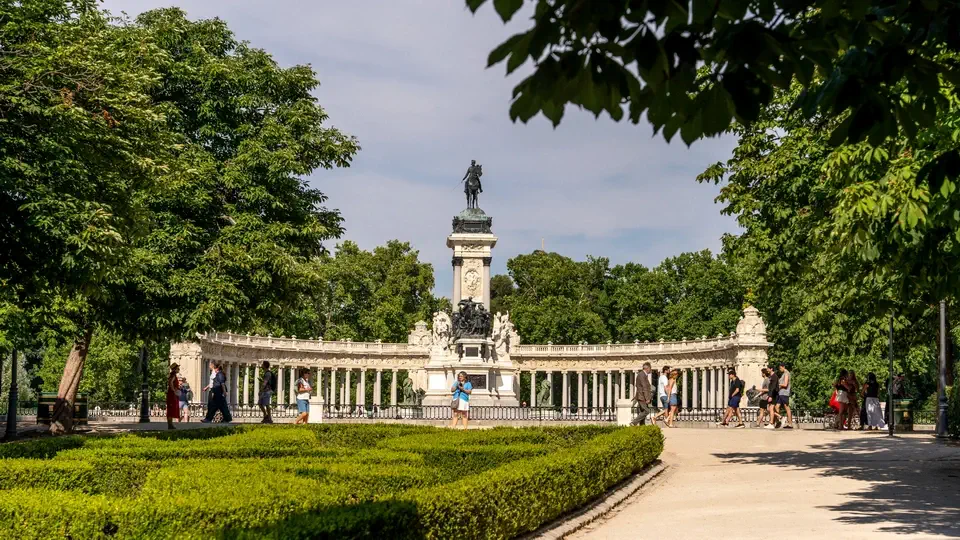
After the museum, it is time for a rest. Retiro Park in Madrid is enormous, so do not try to explore every corner. Allow at least two or three hours for an unhurried walk. The most popular places in Retiro include:
- the Great Pond and the monument to Alfonso XII;
- the Crystal Palace, or Palacio de Cristal;
- Velázquez Palace;
- the Fountain of the Fallen Angel;
- the Rosaleda rose garden;
- Paseo de las Estatuas;
- the remains of the hermitage of San Pelayo and San Isidoro;
- shaded avenues that are ideal for a rest.
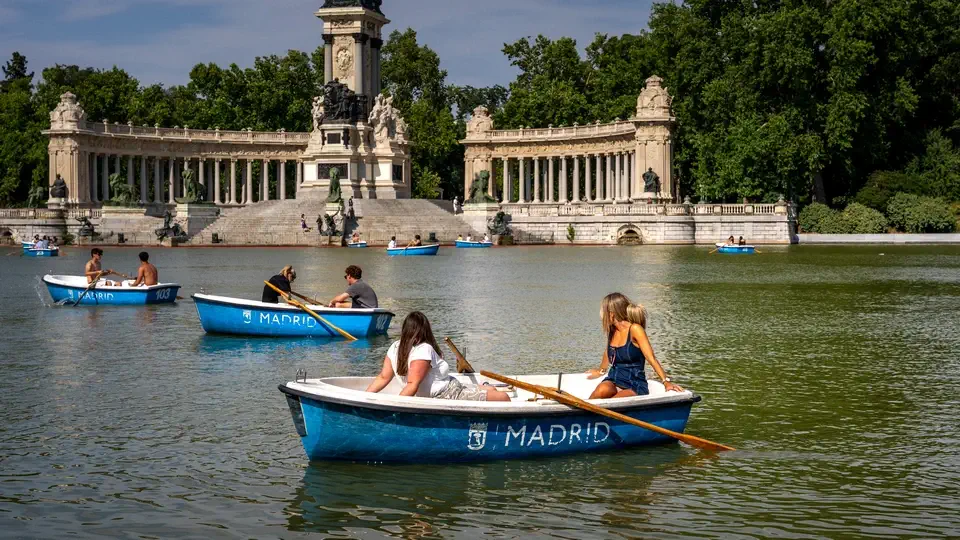
You can hire a rowing boat on the pond, although you may need to wait at weekends. I enjoyed the park most once I left its main avenues, where the noise gradually faded and tourists gave way to runners, families, and local people walking their dogs. Do not underestimate the temperature in summer. Madrid stands at a considerable elevation, the air is dry and the midday sun can be relentless. Carry water, sun cream and something to cover your head. There are places in the park where you can buy drinks, but your bottle will be cheaper and always close at hand.
Puerta de Alcalá and Plaza de Cibeles
Leave Retiro near Puerta de Alcalá. This monumental gate is one of the symbols of the city and looks especially attractive in the late afternoon when the light becomes softer. From there, continue towards Plaza de Cibeles, home to the famous fountain depicting the goddess Cybele and the striking Palacio de Cibeles. Its observation deck offers a slightly different perspective across central Madrid.
Spend the evening in Barrio de las Letras, the old literary quarter associated with Cervantes, Lope de Vega and other writers of the Spanish Golden Age. Today, it is filled with bars, restaurants and small venues. The area is busy, although the atmosphere remains considerably more pleasant than at the most tourist-oriented tables on Plaza Mayor.
Day three – the Museum of the History of Madrid, Malasaña and Chueca
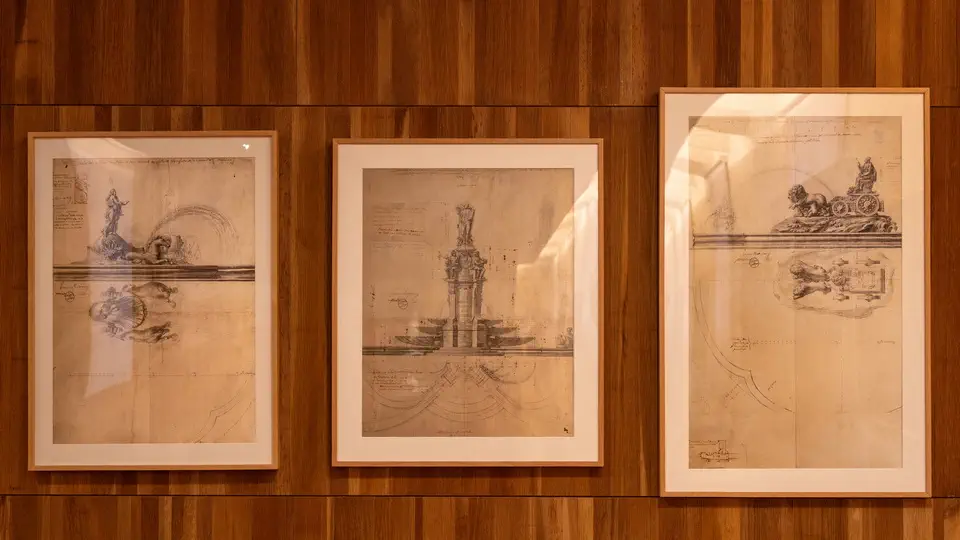
On the third day, I suggest moving away from the classic combination of royal residences and enormous galleries. Malasaña and Chueca reveal a more relaxed, colourful and everyday side of Madrid.
Museum of the History of Madrid
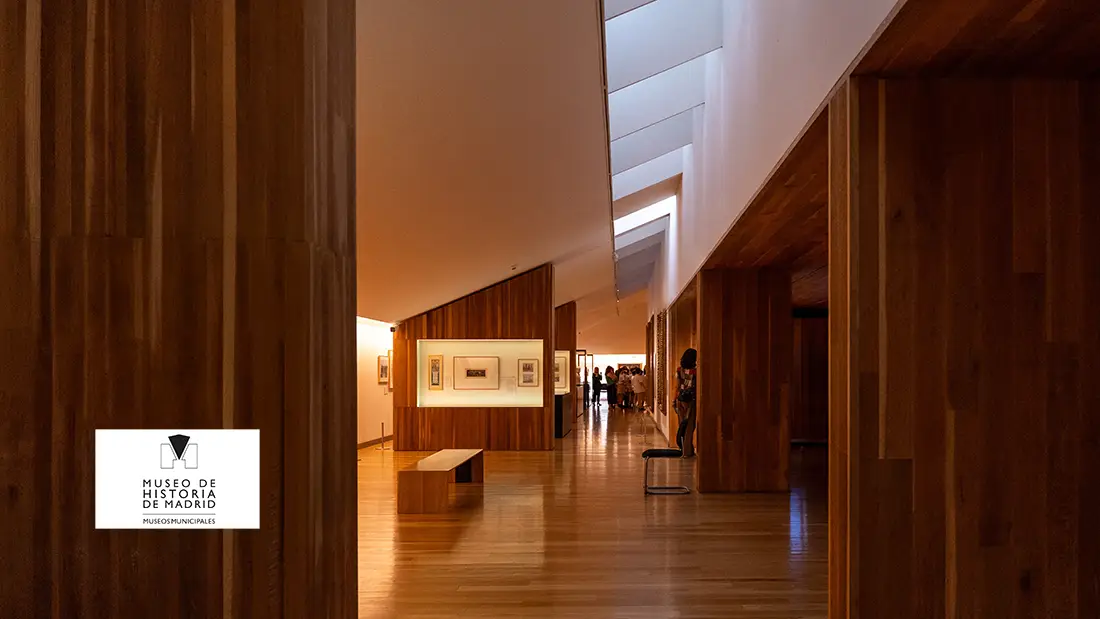
Begin the day at the Museum of the History of Madrid on Calle de Fuencarral. Its Baroque entrance portal immediately catches the eye, while inside you can follow Madrid’s development from a small settlement beside a Muslim fortress into a modern European metropolis.
This is an excellent place to visit on the third day because, after your earlier walks, you will begin to recognise on paintings, maps, and models the streets and squares you have already seen. The city’s history suddenly becomes far easier to understand. Check the current opening hours before visiting. Museums in Madrid are often closed on Mondays or follow different timetables during public holidays.
Malasaña – murals, cafés and a less formal side of Madrid
After leaving the museum, walk deeper into Malasaña. This is one of the most distinctive neighbourhoods in the centre, filled with murals, small shops, bookshops, bars, cafés and residential buildings with colourful balconies.
Plaza del Dos de Mayo is the heart of the neighbourhood. The square commemorates the uprising of Madrid’s residents against Napoleon’s troops in 1808, although today it is far more closely associated with meeting friends, outdoor bar tables and evening life. You do not need a precise list of monuments here. Malasaña is best enjoyed without rushing. Turn into side streets, look inside its smaller establishments and allow yourself time for a coffee.
The Museum of Romanticism
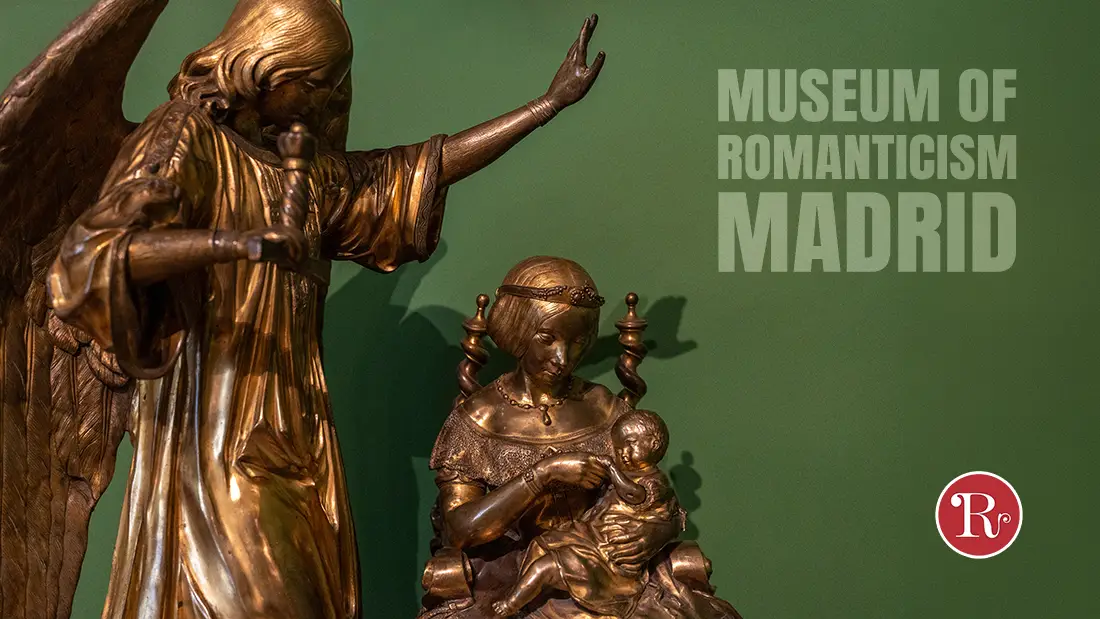
From Malasaña, continue towards the Museum of Romanticism in Madrid. Housed in a former palace, the museum feels more like the home of a prosperous 19th-century family than a conventional gallery. Its rooms are filled with furniture, paintings, porcelain, clocks, and objects once used in everyday life, making it easier to imagine how Madrid’s elite lived during the Romantic period. It is much quieter than the Prado and an excellent choice for anyone who prefers intimate historic interiors to enormous galleries.
At the end of your visit, pause in the museum garden or café if it is open. This is one of those small enclaves that can easily be missed when you focus exclusively on Madrid’s headline attractions.
Chueca and a return to Gran Vía
Chueca can be your next stop. The neighbourhood is filled with restaurants, shops, cafés, and bars. It has a relaxed atmosphere and is an important centre for the LGBT+ community. Stop at Mercado de San Antón. Unlike Mercado de San Miguel, it is more modern and less monumental, but it can be a good place for lunch. It is still not particularly cheap, so check the prices before ordering.
Gran Vía is within easy walking distance of Chueca. During the day, you can have a closer look at the façades that you saw illuminated by neon signs the previous evening. The Metrópolis Building and the Telefónica skyscraper are particularly distinctive.
Plaza de España and the Temple of Debod to end the journey
I would save Plaza de España and the Temple of Debod for the final few hours. Spain received this ancient Egyptian structure as a gesture of gratitude for helping to rescue monuments threatened by the construction of the Aswan High Dam.
The area surrounding the temple is a popular place from which to watch the sunset. On a clear evening, you can see the western part of Madrid, Casa de Campo and the distant mountains. Arrive early because it becomes crowded shortly before sunset. This is a wonderful place to end three days of sightseeing in Madrid. After an intensive journey through palaces, museums and busy streets, you can finally sit down, rest and look at the city from a little distance.
For football supporters – Santiago Bernabéu Stadium
If football matters more to you than Romantic interiors and city museums, you can modify the third day. Instead of the Museum of Romanticism or a long walk through Malasaña, choose the Santiago Bernabéu Stadium.
Allow several hours for the stadium tour and the journey there and back. Access to individual areas may depend on matches, other events and any work taking place at the venue. It is best to buy your ticket in advance, particularly at weekends. The Bernabéu lies outside the historic centre, so taking the Metro is far more sensible than walking.
Where should you stay during a three-day visit to Madrid?

On a brief visit, the location of your hotel matters more than an additional swimming pool, a larger room or impressive promotional photographs. The most convenient areas include Centro, Sol, Gran Vía, Malasaña, Chueca, Huertas and the streets around Atocha station. Staying right in the centre allows you to walk back in the evening and reduces your reliance on public transport. You should, however, expect higher prices and more noise, particularly around Gran Vía and streets filled with bars.
Before booking, check not only the distance from the centre but also the location of the nearest Metro station. A hotel several kilometres from Puerta del Sol but standing next to a Metro station may be more convenient than apparently closer accommodation requiring two changes. If you preferred a peaceful evening, avoid a room facing directly onto a busy street. Madrid goes to sleep late, while weekend conversations outside bars can continue almost until morning.
How should you travel around Madrid?
The historic centre is best explored on foot. Most attractions on the first day’s itinerary lie close together, and using the Metro for short distances often saves no time at all. The Metro is useful when travelling:
- from the airport;
- to the Santiago Bernabéu Stadium;
- to a hotel further from the centre;
- between Retiro and the western part of the city;
- whenever you simply no longer feel like walking after an entire day.
Choose individual tickets or a travel pass based on the number of journeys you will genuinely make. Do not automatically buy an extensive pass simply because it sounds convenient. With a well-planned itinerary, you may not need public transport at all on the first day. On the Metro, pay attention to the name of the last station on each line, as this will help you choose the correct direction. Interchange stations can be large, so allow a few extra minutes to walk between lines.
What and where should you eat in Madrid?

During a three-day visit, try several classic dishes and local specialities:
- bocadillo de calamares, a sandwich filled with fried squid;
- huevos rotos with potatoes and ham;
- croquettes;
- tortilla española;
- patatas bravas;
- jamón ibérico;
- callos a la madrileña, if you do not mind offal;
- churros with hot chocolate;
- Madrid vermouth served with a small snack.
Restaurants immediately beside the main squares in the centre are generally pricier. Walking just a few hundred metres away from Puerta del Sol or Plaza Mayor is often enough to find more reasonable prices.
At lunchtime, look for a menú del día. This set menu usually includes a starter, a main course, a drink and either dessert or coffee. It is one of the best ways to have a complete meal without spending a fortune. Remember that people in Spain eat later than they do in many other European countries. Lunch frequently begins after 2:00 pm, while dinner is eaten after 8:00 pm or even later. Some restaurants close their kitchens between the main meal periods.
Practical advice before exploring Madrid
- Book the most important attractions in advance. This applies particularly to the Royal Palace, the Prado, and the Santiago Bernabéu Stadium.
- Do not plan museum visits without checking first. Look up closing days, free admission periods and public holidays. Monday frequently requires a change of itinerary.
- Bring comfortable shoes. Surfaces in the centre are generally good, but walking more than ten kilometres a day for three days will quickly reveal every weakness in your footwear.
- Start early in summer. Spend the hottest part of the day inside a museum or palace, having lunch or resting in the shade.
- Drink plenty of water. The dry air means you may notice your thirst later than you should.
- Carry your rucksack in front of you in crowded places. This is particularly important on Puerta del Sol, Gran Vía, the Metro and inside busy food markets.
- Do not sit down at the first restaurant on a main square. Check the menu, prices, bread charge and any supplements for a table on the terrace.
- Leave one hour free each day. A queue, a longer meal or a church discovered by chance can change your plans. In Madrid, surprises of this kind are part of the experience.
- Do not hire a car for travelling around the centre. Parking, traffic restrictions and congestion will cause more problems than they solve. A car only becomes useful for excursions beyond the city.
- Download an offline map. It is helpful on the Metro and among the narrow streets of the historic centre, where it is easy to take a wrong turn.
How much money do you need for 3 days in Madrid?
Your budget will depend mainly on the standard of your accommodation and the number of paid attractions you visit. Walking through the historic centre, Plaza Mayor, Puerta del Sol, Plaza de Oriente, Gran Vía and Retiro Park costs nothing. The largest expenses are likely to be:
- your hotel;
- tickets for museums and the Royal Palace;
- the journey from the airport;
- public transport;
- meals in the centre;
- the stadium tour;
- snacks and drinks in the popular food markets.
You can reduce the cost by choosing a menú del día, using free admission periods at museums and visiting outdoor attractions. I would not, however, try to save money on everything. If you have wanted to see the palace interiors or the masterpieces in the Prado for years, buy a timed ticket and enjoy the visit without rushing instead of losing a large part of the day in a queue for free admission.
Madrid in 3 days is it worth it?
Three days in Madrid pass rapidly, but they allow you to experience several entirely different sides of the city. On the first day, you discover its royal squares and ceremonial interiors; on the second, you encounter great art and relax in Retiro; while on the third, you enter streets where Madrid becomes less formal.
What I liked most was that, despite its enormous number of monuments and historic buildings, the city never feels like an open-air museum. Local people still meet in its squares, linger in bars, walk through Retiro and fill the streets long after sunset. Do not try to see everything. Choose several places that genuinely interest you, connect them sensibly on the map and leave time for food and aimless wandering. It is often between the planned attractions that Madrid reveals its very best side.
The advice and suggestions above are, of course, only a starting point, and I am sure you will adapt them to your needs and expectations. If you manage to explore Madrid in a few days, both I and our readers would be grateful if you shared your experience. I hope you have some fantastic adventures in one of Spain’s most beautiful cities.