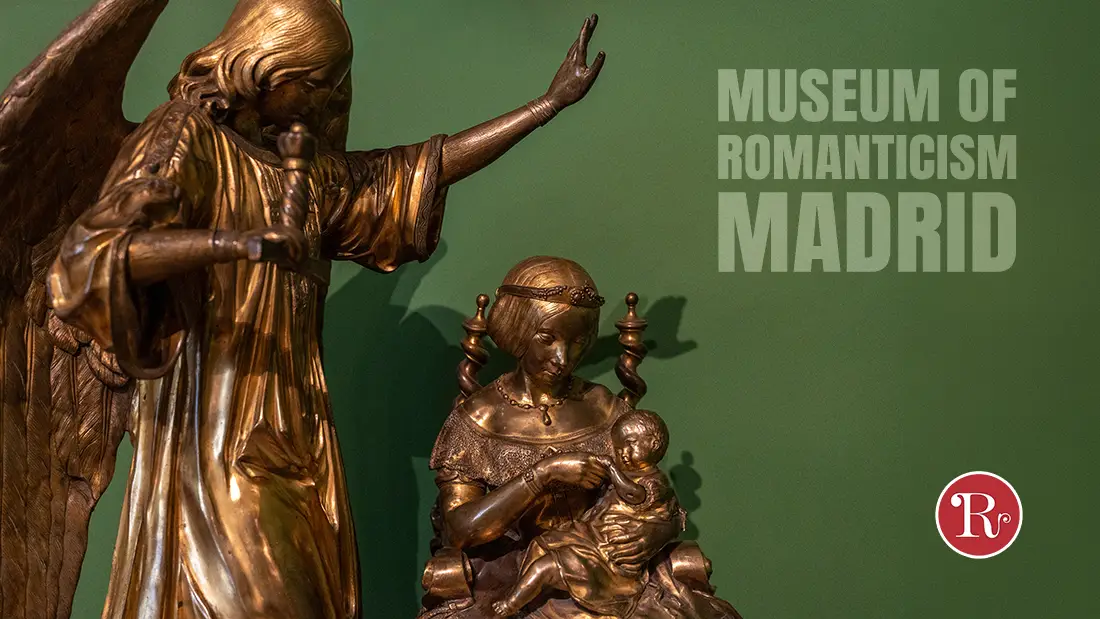
The Museum of Romanticism in Madrid is not one of those places that tries to attract visitors with enormous advertising campaigns, multimedia screens or a collection of world-famous masterpieces. It is far more intimate. The museum occupies a former palace, and while walking through its rooms, you may get the impression that the owners have merely gone out for a short stroll and will return at any moment.
That was precisely what I liked most about it. Instead of looking at objects displayed one after another inside glass cases, I walked through fully furnished drawing rooms, studies, bedrooms and dining rooms. I saw paintings, furniture, pianos, porcelain, clocks, toys, jewellery, and dozens of small personal belongings that once formed part of everyday life in 19th-century Spain.
For anyone wishing to discover a quieter and more private side of Madrid, the Museum of Romanticism is an excellent choice. It is worth remembering, however, that the word ‘romanticism’ does not mean that this is a museum devoted to couples in love. It refers to the artistic and intellectual movement that swept across Europe during the first half of the 19th century.
In the article below, I will tell you what I saw while exploring the museum, explain its history and share a large collection of facts and interesting details that I hope you will enjoy.
Where is the Museum of Romanticism in Madrid?
The Museum of Romanticism is located at 13 Calle de San Mateo, between the popular neighbourhoods of Chueca and Malasaña. It is an excellent location, although it lies slightly away from the busiest tourist routes leading through Puerta del Sol, Gran Vía and Plaza Mayor.
From the outside, the building looks fairly unassuming. Had I not known what I was looking for, I might easily have walked past it and mistaken it for one of the many historic townhouses and palaces standing in central Madrid. It was only after passing through the entrance that I discovered a world wholly different from the noisy streets of the Spanish capital.
The Museum of the History of Madrid is only a few minutes away on foot. The two attractions complement each other very well. The Museum of the History of Madrid explains how the city developed, while the Museum of Romanticism allows you to step inside the home of its wealthier residents. Provided you have enough time, I strongly recommend visiting both.
The Palace of the Marquis of Matallana
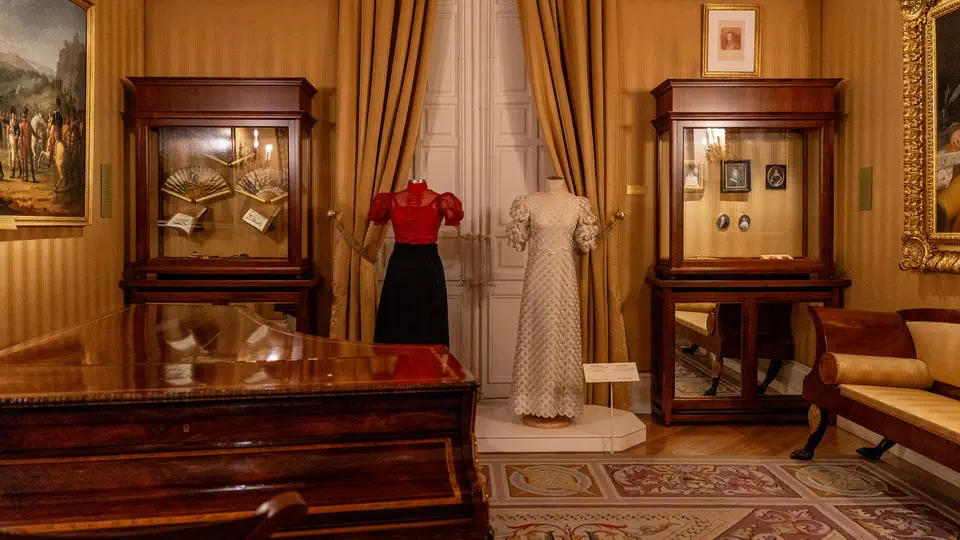
The museum occupies the former Palace of the Marquis of Matallana, built in 1776. The building was constructed before the Romantic period itself and originally belonged to General Rodrigo de Torres y Morales, Marquis of Matallana.
In terms of size and splendour, it cannot be compared with the Royal Palace of Madrid. That is probably a good thing, as it makes the rooms feel much more personal.
The Royal Palace tells a story of power, ceremony and the official duties of the monarchy. Here, by contrast, you can discover the everyday lives of aristocrats and wealthy members of the middle class.
The façade has retained its restrained Neoclassical appearance. The most important rooms were located on the principal floor, where guests were received, social gatherings were organised and balls were held. The domestic areas and servants’ quarters were clearly separated from the world inhabited by the owners of the house.
This arrangement tells us a great deal about society at the time. In the 19th century, even the layout of a house reflected the hierarchy of its residents, their social position and the rules of etiquette they were expected to follow.
The history of the Museum of Romanticism in Madrid
The creation of the museum is closely connected with Benigno de la Vega-Inclán y Flaquer, the second Marquis of Vega-Inclán. He was a collector, patron of the arts, traveller, and one of the pioneers of historic preservation in Spain.
He was interested in far more than simply buying paintings and antique furniture. He wanted to create places in which historic objects could be presented in their original cultural setting. Instead of hanging paintings in empty galleries, he preferred to display them among furniture, fabrics and personal belongings from the same period.
He also contributed to the creation of the El Greco Museum in Toledo and the Cervantes House Museum in Valladolid.
In 1921, Vega-Inclán donated a collection of paintings, furniture and objects, mainly dating from the 19th century, to the Spanish state. The original collection included 86 paintings as well as furnishings belonging to the collector.
The marquis wanted to preserve the memory of Spain between 1808 and 1860. It was a turbulent period encompassing the Peninsular War, the reign of Ferdinand VII, numerous political conflicts, the rule of Isabella II and major social changes that transformed the country.
The Museum of Romanticism in Madrid officially opened on 1 June 1924. Initially, the building on Calle de San Mateo was rented. In 1927, however, the Spanish state purchased it and made it the museum’s permanent home.
After Vega-Inclán died in 1942, the rest of his estate was also transferred to the state. The collection was gradually expanded, while the palace became a venue for concerts, literary gatherings, conferences and temporary exhibitions.
In 2001, the museum closed for extensive renovation. The closure lasted for eight years. When the institution reopened in 2009, it was renamed the Museo del Romanticismo – the Museum of Romanticism.
The change was intended to emphasise that the museum tells the story of an entire historical and cultural period rather than merely displaying a collection of supposedly romantic objects.
In 2024, the museum celebrated the centenary of its opening.
What exactly was Spanish Romanticism?
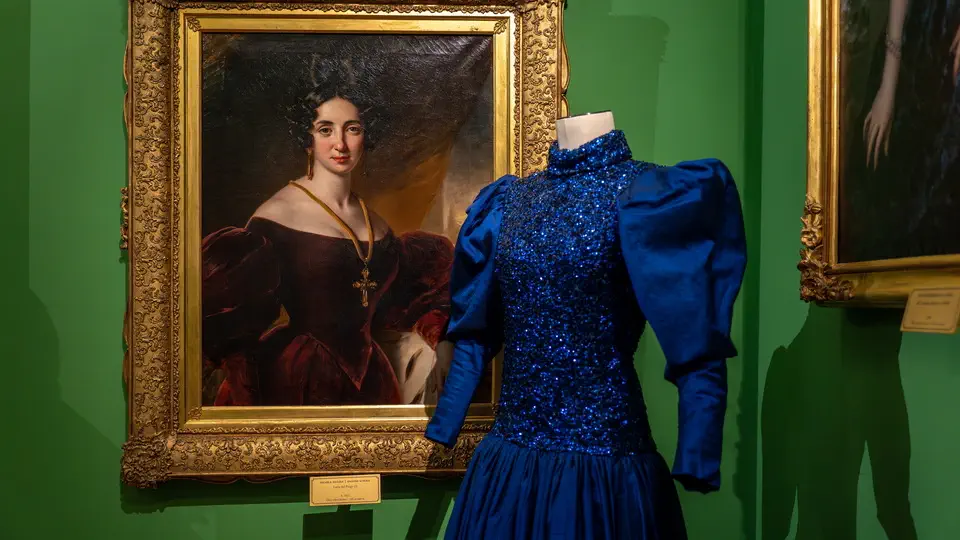
Romanticism developed in Spain later than it did in Germany, Britain, or France. The Spanish form of the movement became particularly influential during the 1830s.
Artists rejected the cool order and restraint of Neoclassicism. Instead, they increasingly turned towards emotion, imagination, dramatic events, loneliness, mystery, medieval legends and themes associated with death. They were also fascinated by national history, folk traditions and journeys to exotic destinations.
Romanticism was not limited to painting. It influenced literature, music, architecture, fashion, interior design and even the ways in which people experienced love and personal tragedy.
Spanish Romantics could be exceptionally dramatic. Their stories frequently ended in a duel, unhappy love, exile, or suicide. The objects and paintings displayed in the museum show that, for people living during this period, powerful emotions were not necessarily something to hide.
Visiting the Museum of Romanticism in Madrid
The sightseeing route passes through more than twenty rooms. Each one had a particular purpose and has been furnished to resemble the interior of an affluent Madrid home during the reign of Isabella II.
The first thing that impressed me was the sheer number of objects filling the rooms. The walls are almost completely covered with paintings. Clocks, candlesticks, and porcelain ornaments stand on the tables, while small side tables, decorative screens and ornamental boxes have been positioned beside the sofas.
Today, we would probably describe these interiors as overcrowded. During the 19th century, however, this kind of decoration was considered a sign of wealth, sophistication and good taste.
The entrance hall and first drawing rooms
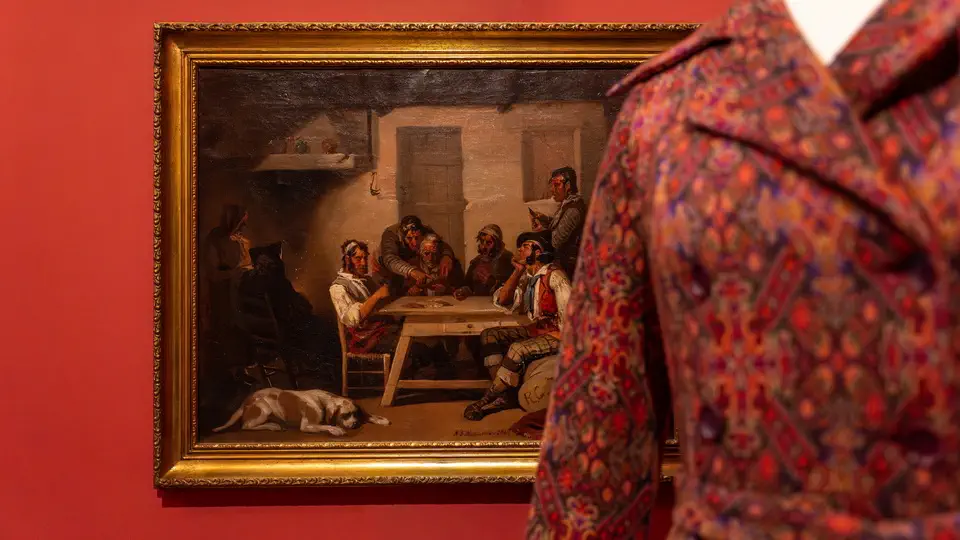
The first rooms introduce visitors to the history of Romanticism and the political changes that shaped the beginning of the 19th century. Portraits of monarchs, military officers and members of the aristocracy appear throughout this part of the exhibition.
I was struck by how much information could be read from the portraits alone. Clothing, hairstyles, jewellery, the position of the hands, the background, and even the objects placed on a table were all intended to reveal something about the subject’s social position and personality.
The ballroom
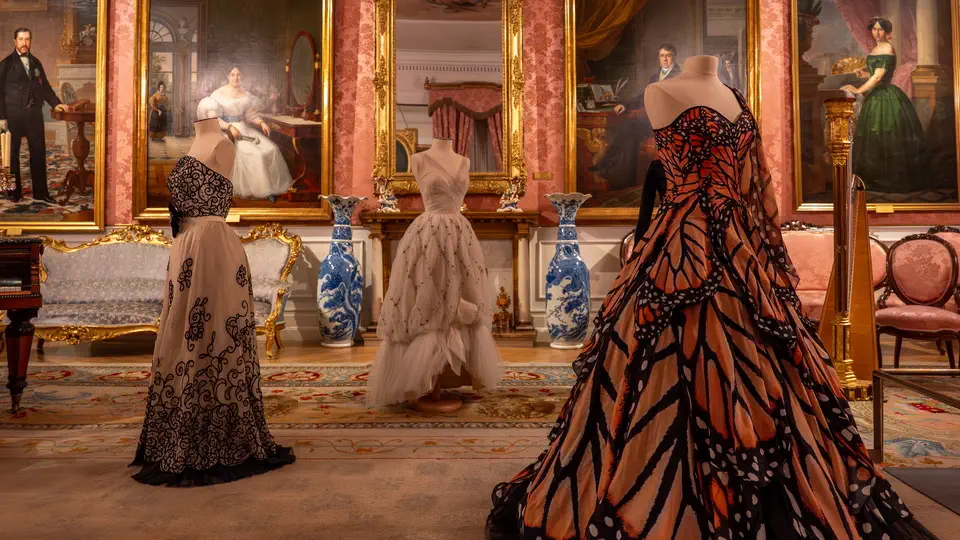
One of the most impressive rooms is the ballroom. It is an elegant ceremonial interior filled with large mirrors, chandeliers, richly decorated furniture and a piano. Rooms like this were used for receptions, dancing, musical performances, conversations and making new acquaintances.
A ball was not simply a form of entertainment. It was also a stage on which young people presented themselves to potential partners, families strengthened their social position and hosts displayed their wealth.
Standing in the room, I could easily imagine the rustle of dresses, candlelight reflected in the mirrors and music being played on one of the many instruments now preserved in the museum’s collection.
The dining room
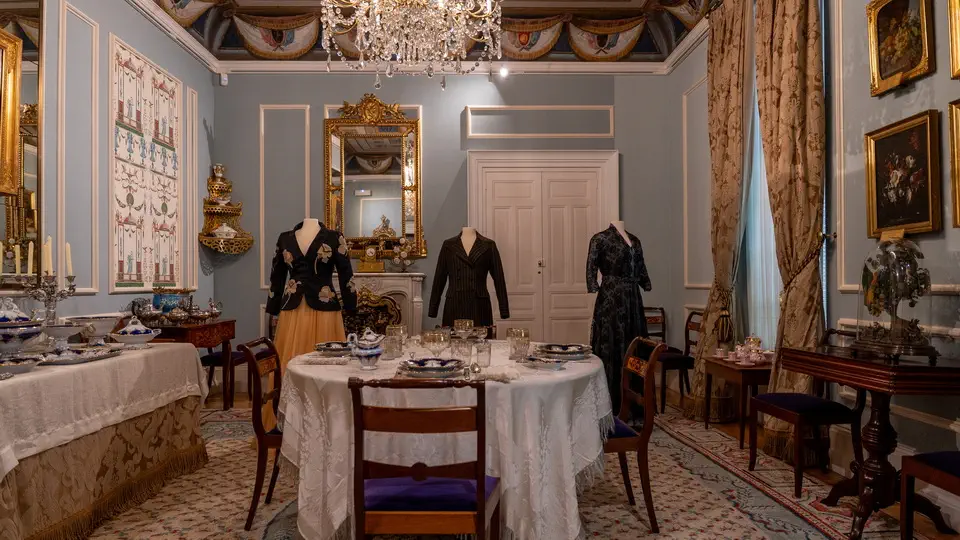
The dining room shows just how important shared meals were in social life. The table has been laid with porcelain, glassware and silver dishes, while the entire room looks as though the guests are expected to arrive at any moment.
It is worth having a closer look at the ceramics. The collection includes pieces produced by the Spanish Sargadelos factory as well as the French manufacturer Sèvres.
Tableware was not merely practical household equipment. It also allowed the hosts to demonstrate their wealth and familiarity with the latest European fashions.
The study
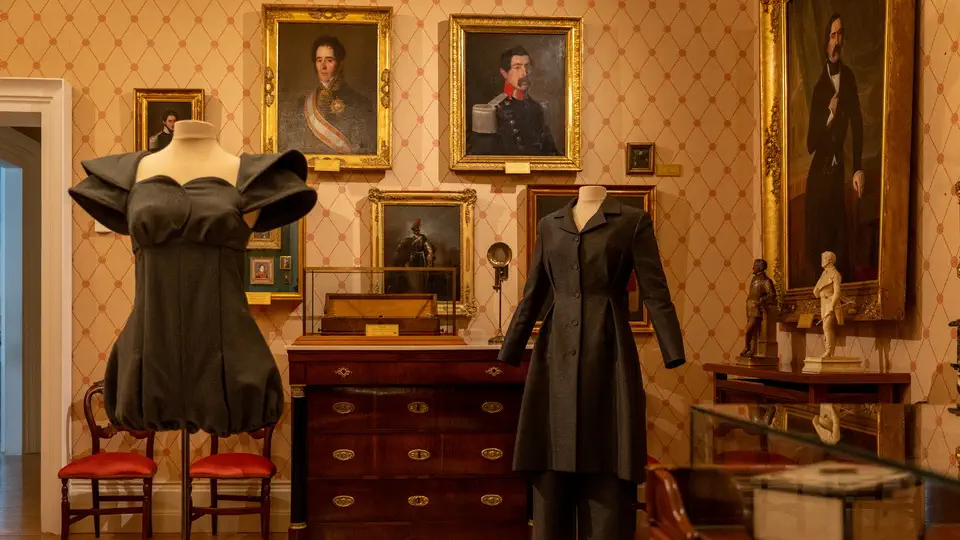
The study was a more private space. This was where people wrote letters, read books, dealt with business matters and received selected guests. Rooms like this reveal particularly well how much the Romantics valued personal keepsakes.
Letters, miniature portraits, small boxes, inkpots and writing accessories tell the story of a time when messages could not be sent within seconds. A reply might take days to arrive, while a handwritten letter could be treasured for an entire lifetime.
The children’s room
The children’s room is one of those places that can inspire both curiosity and a slight sense of unease. The museum has gathered porcelain dolls, miniature furniture, toys, and games.
The dolls are beautifully made, although some of their expressions look as though they could frighten away a burglar after dark. At the same time, the objects show how children from wealthy families were prepared from an early age to fulfil their expected social roles.
The bedroom
The bedroom formed part of the private section of the house, although its appearance still had a representative function. Beds were surrounded by fabrics, while small tables, mirrors, toiletries and religious objects were placed nearby.
The museum displays various items connected with hygiene and personal care. They are a reminder of how different everyday life was at the time. Homes had no modern bathrooms, running hot water or convenient central heating.
The private chapel
The palace also contains a private chapel. Its most important work is a painting by Francisco Goya depicting Pope Gregory the Great. The painting is attributed to the artist’s later period towards the end of the 18th century.
The small chapel demonstrates how religion formed part of the family’s daily routine. There was no need to leave the house to pray or take part in a private service.
The most valuable exhibits in the Museum of Romanticism in Madrid
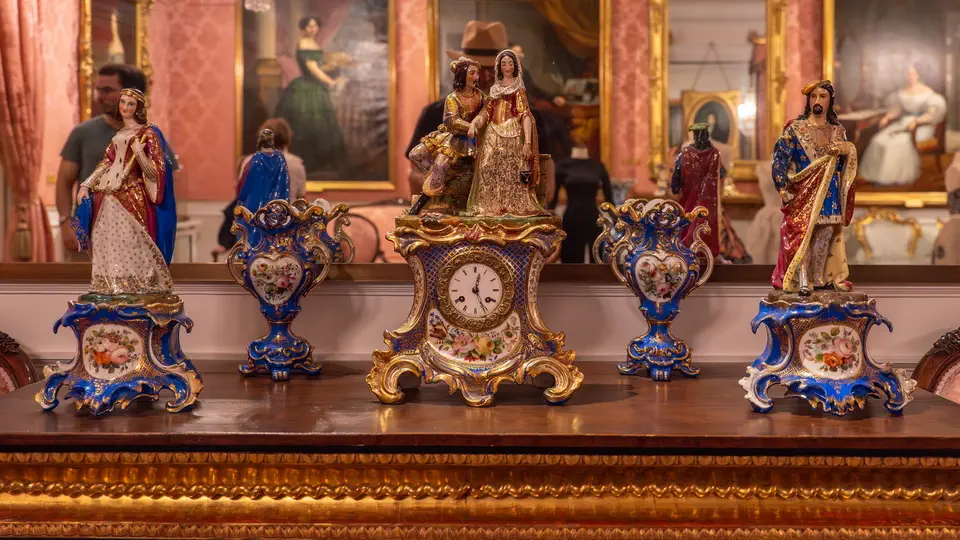
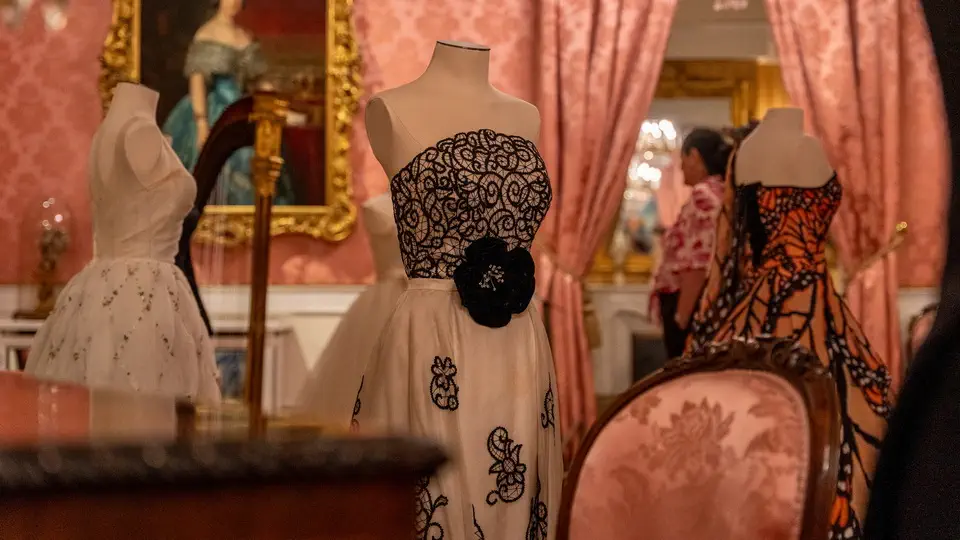
The collection includes paintings, sculptures, furniture, photographs, clothing, jewellery, porcelain, musical instruments and everyday objects. Among the thousands of exhibits, several attracted my attention in particular.
- Portrait of Isabella II by Federico de Madrazo – Isabella II is shown wearing a magnificent dress and surrounded by symbols of the monarchy. The portrait does more than simply depict the queen. It also shows how her public image was carefully created. Her reign was marked by political crises, struggles for power and profound social change. Her likeness appears repeatedly throughout the museum, making Isabella II one of the central figures in its story of Spanish Romanticism.
- The Family of Jorge Flaquer – The painting depicting the family of Jorge Flaquer is particularly important to the museum’s history. One of the figures shown in the work is Elisa Flaquer, the mother of Benigno de la Vega-Inclán. It is not merely a portrait of a wealthy family. The painting also provides an opportunity to examine contemporary clothing, relationships between the figures and the way domestic life was presented during the Romantic period.
- Satyry Leonarda Alenzy – Leonardo Alenza presented Romanticism from a more critical and, at times, openly malicious perspective. In his small paintings, he mocked artists who were excessively obsessed with suffering, death and unhappy love. His works are a useful reminder that even in the 19th century, not everyone treated Romantic drama with complete seriousness.
- Mariano José de Larra’s pistol – NThe darkest object in the museum is a pistol associated with Mariano José de Larra, one of Spain’s most important Romantic writers. Larra died by suicide in 1837 at the age of only 27. His death quickly became a symbol of the tragic fate of the Romantic artist. The object is striking not because of its appearance, but because of the story attached to it.
- Pianos and other musical instruments – The museum owns more than a dozen pianos. Music was an essential part of social life. It was performed not only during balls and formal gatherings, but also during evenings spent with family and friends. A musical instrument displayed in a drawing room said a great deal about the residents’ social position, education, and ambitions. The ability to play an instrument, especially for young women from affluent families, was considered an expected accomplishment.
- Jewellery made from human hair – One of the most unusual parts of the collection consists of jewellery made from real human hair. It was used to create bracelets, brooches, rings and small keepsakes. Hair belonging to a loved one or someone who had died was regarded as an intensely personal object. Today, such jewellery may appear slightly macabre, but to the Romantics it represented memory, love and an enduring emotional bond.
The Magnolia Garden
After walking through the dark and richly furnished interiors, it is worth stepping into the Magnolia Garden. It was designed in the style of an 18th-century French garden. Paths divide the space into geometric sections, while a circular fountain stands at its centre.
The garden is not large, but that is precisely why it suits the museum so well. It does not attempt to compete with the enormous Retiro Park. Instead, it feels like a peaceful courtyard where you can sit for a while and escape the Madrid heat.
For many years, the café located here was one of the most popular parts of the museum. Its availability may change during restoration work, however, so it is advisable to check the latest information before your visit.
Is the Museum of Romanticism in Madrid worth visiting?
In my opinion, it is definitely worth visiting, especially if you enjoy historic interiors and smaller museums. It will not appeal to everyone, however.
Visitors expecting monumental galleries, internationally famous paintings and modern multimedia presentations may leave feeling slightly disappointed. The atmosphere and the opportunity to see how people lived during the 19th century are the main attractions here.
I particularly recommend the museum to those who have already visited Madrid’s most famous sights and are looking for somewhere quieter. Inside, I did not encounter the crowds I knew from the Royal Palace of Madrid or Mercado de San Miguel.
I was able to stop beside the objects that interested me and examine the details without being hurried along. I would allow between 60 and 90 minutes for a visit. Anyone particularly interested in art history, historical clothing or everyday life could easily spend two hours here.
Museum of Romanticism in Madrid – practical information
The museum is located at 13 Calle de San Mateo in central Madrid. The nearest Metro stations are:
- Tribunal – lines 1 and 10,
- Alonso Martínez – lines 4, 5 and 10,
- Chueca – line 5.
A standard ticket costs €3, while the reduced ticket costs €1.50. Admission is free on Saturdays from 2:00 pm and throughout Sunday. Additional free-entry days may also be available.
Opening hours depend on the season:
- from May to October: Tuesday to Saturday, 9:30 am–8:30 pm,
- from November to April: Tuesday to Saturday, 9:30 am–6:30 pm,
- Sundays and public holidays: 10:00 am–3:00 pm,
- the museum is closed on Mondays.
Before travelling, make sure you check the latest information on the official Museum of Romanticism website. Structural issues requiring repair work have been identified in the building, so parts of the museum may remain temporarily inaccessible. Some rooms, the garden, or the café may also be closed.
My advice before visiting the Museum of Romanticism in Madrid
The best time to arrive is in the morning, shortly after the museum opens. It is not usually excessively busy, but the rooms are small and even one larger group can easily block the route.
I would not recommend focusing exclusively on the paintings. The small details are often the most interesting: fans, clocks, boxes, games, toiletries, porcelain, photographs and decorative objects. These items reveal far more about everyday life than the grandest portraits.
It is also worth downloading the official guide or using the audio guide. Without additional explanations, some rooms may simply look like heavily furnished drawing rooms. Once you understand their original purpose, however, every object begins to make sense.
Photography for personal use is generally permitted without flash, although it is best to confirm the current rules when you arrive.
Visitors using wheelchairs can access the museum through a separate entrance at 14 Calle Beneficencia. The building has a lift, and wheelchairs can be borrowed from the ticket desk. Facilities are also available for visitors with visual or hearing impairments.
What can you see nearby?
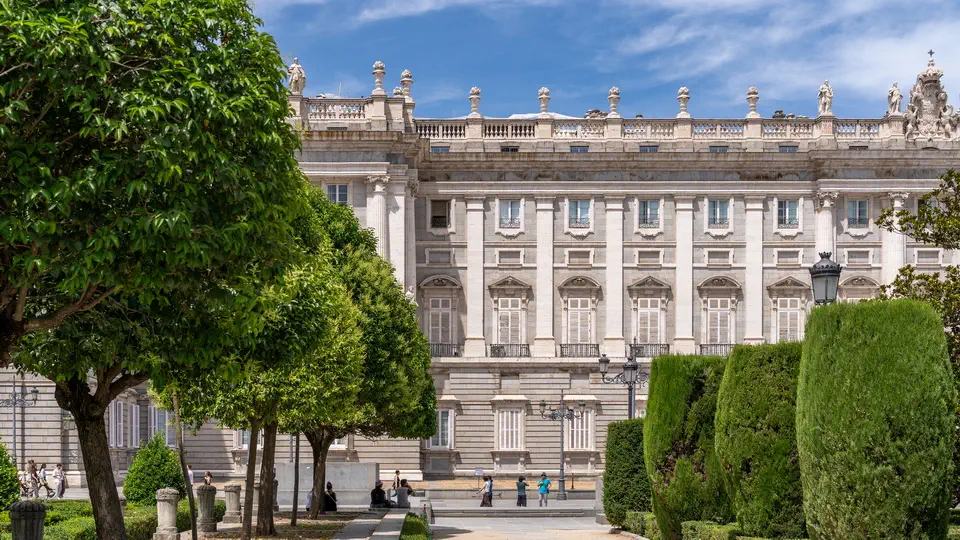
After leaving the museum, you can continue walking through the streets of Malasaña and Chueca. Both neighbourhoods are good places to stop for coffee, enjoy a meal, or simply watch everyday life unfold around you.
The Museum of the History of Madrid is only a few minutes away. Visiting both museums provides a much more profound understanding of the development of the capital and the lives of its former residents.
With more time available, you can walk towards Gran Vía, Puerta del Sol and Plaza Mayor. From there, it is easy to reach Mercado de San Miguel, where you can finish the day with a little tapas. Be warned, however, that the prices and number of visitors will quickly remind you that you have returned to modern Madrid.
Another option is to take the Metro towards the Royal Palace of Madrid. After touring the palace, I recommend resting in the nearby Jardines del Cabo Noval or taking a walk across the elegant Plaza de Oriente.
Mysteries and legends of the Museum of Romanticism in Madrid
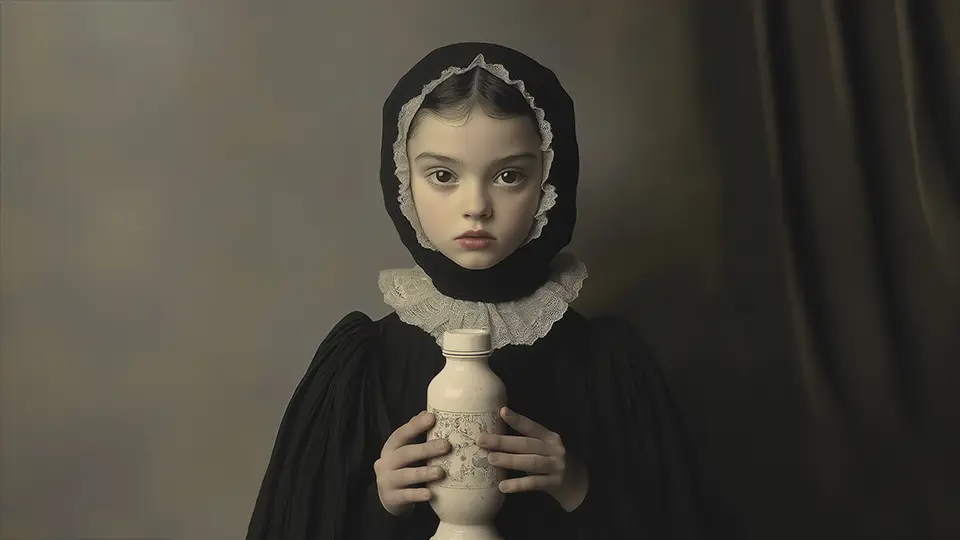
The Museum of Romanticism has everything required to inspire a good ghost story: an old palace, creaking floors, heavy curtains, mirrors, porcelain dolls, portraits of long-dead people and a weapon associated with the tragic death of a writer.
Despite this, there is no widely accepted or well-documented ghost story connected with the building.
Stories about footsteps heard after the museum has closed or mysterious figures appearing in the mirrors should therefore be treated as modern tales created for visitors. The real mysteries hidden behind the objects displayed here are just as fascinating and, in some cases, even more unsettling.
Does a ghost haunt the Palace of the Marquis of Matallana?
Stories shared by enthusiasts of Madrid’s darker side occasionally mention a blurred female figure supposedly seen inside the palace. She is said to walk through the drawing rooms, disappear behind locked doors, or appear for a moment in one of the large mirrors.
Another version of the tale describes the quiet sound of a piano being heard when all the rooms are empty. As the museum owns more than a dozen historic instruments, the story fits the surroundings remarkably well. However, I was unable to locate any reliable sources or official accounts from museum staff confirming that such events have taken place.
Nobody knows who the mysterious woman is supposed to be. Some people attempt to connect her with the palace’s former owners, while others imagine her as the ghost of an unhappily married or heartbroken young woman from the Romantic period.
The legend was most likely inspired simply by the atmosphere of the building.
While exploring the museum, you may occasionally feel that someone is watching you from the far side of a room. It usually turns out to be a reflection in a mirror or one of the many portraits covering the walls.
Artists often painted the eyes of their subjects in a way that makes them appear to follow the viewer. In the dimly lit rooms, the effect can be surprisingly convincing.
Mariano José de Larra’s pistol
The darkest story associated with the Museum of Romanticism concerns Mariano José de Larra, one of the most important Spanish writers of the first half of the 19th century.
The collection contains a pistol connected with his death by suicide. Larra was a brilliant observer of society and wrote merciless articles criticising Spanish bureaucracy, backwardness and political customs. Behind his ironic style, however, he concealed a growing sense of disappointment with life.
The writer was involved with Dolores Armijo, a married woman with whom he had a turbulent affair. According to the most frequently repeated account, Dolores visited his home on 13 February 1837 and told him that she intended to end their relationship.
Shortly after she left, Larra shot himself. He was only 27 years old.
Following his death, the legend of the ‘perfect Romantic’ began to grow around him. He was portrayed as brilliant, lonely, unhappily in love and ultimately destroyed by his emotions.
This interpretation is an oversimplification. His decision may also have been influenced by family difficulties, political events, professional disappointment and depression.
The legend of Larra’s funeral
The writer’s funeral became one of the most important events in the history of Spanish Romanticism. During the ceremony, the young, and still largely unknown José Zorrilla read a poem dedicated to the deceased writer.
His performance apparently made an enormous impression on those attending and helped launch Zorrilla’s literary career. He later became the author of the famous play Don Juan Tenorio.
In this way, the death of one Romantic writer was said to have symbolically created the fame of another.
Over time, the story came to be presented almost as the passing of a poetic torch. Larra departed, while Zorrilla stepped forward to take his place. The reality was probably more complicated, but the Romantic legend proved more powerful than the historical details.
The curse of unhappy love
Some visitors connect Larra’s pistol with a legend about the destructive power of unhappy love. According to this Romantic interpretation, the weapon is almost a cursed object – a physical witness to the moment when a rejected man decided to end his life.
There is, of course, no evidence that any curse exists. The object is powerful because we know the story associated with it. It is not simply an anonymous 19th-century weapon, but a keepsake connected with the tragedy of a real person.
It is also worth remembering that the Romantics were eager to build legends around artists who died young or in tragic circumstances. Suicide, unfulfilled love and an early death fitted perfectly with the image of a poet struggling against an indifferent world.
Mirrors concealing secret passages
The museum’s rooms contain numerous large mirrors. They had a practical purpose, but they were also used to make interiors appear larger and to intensify the light produced by candles.
Mirrors reflecting one another create the illusion of additional corridors and rooms. When viewed from the right angle, they may also reveal only part of a person standing in the adjoining room. It is easy to imagine that someone has slipped behind you or disappeared into a wall.
The mirrors, portraits and uneven lighting are probably responsible for many of the stories about strange figures supposedly seen inside the museum.
The mystery of the family portrait
One of the museum’s most important paintings is The Family of Jorge Flaquer. At first glance, it appears to be a calm domestic scene depicting a wealthy family. However, the work has a direct connection with the museum’s founder.
One of the figures in the painting is Elisa Flaquer, the mother of Benigno de la Vega-Inclán. For the collector, the painting was therefore much more than a work of art. It was a family keepsake preserving the memory of his ancestors.
The portrait also raises questions about the relationships between the people shown. Their positions, gestures, and distance from one another were not accidental. In 19th-century family portraits, the arrangement of the figures could communicate their age, social hierarchy and importance within the household.
Many emotions, however, remained hidden beneath elegant clothes and formal poses.
My opinion of the Museum of Romanticism in Madrid
The Museum of Romanticism showed me a side of Madrid that I would never have discovered in its squares, parks or monumental palaces.
Instead of explaining history through wars, royal decisions and grand buildings, it tells its story through a drawing room, a child’s doll, a family portrait, an old letter and a piano.
The highest value of the museum lies in these seemingly ordinary objects. They allow visitors to understand how people lived, entertained guests, raised children, experienced love and coped with loss.
It is not Madrid’s best-known museum, but I consider it one of those places that stays in your memory for a long time. You can slow down here, escape the noise of the city and spend an hour feeling like a guest invited into a 19th-century palace.
Museum of Romanticism in Madrid – facts, information and interesting details
- The Museum of Romanticism is not a museum about love – its name refers to Romanticism, the artistic and intellectual movement that developed across Europe during the first half of the 19th century.
- The museum occupies a historic palace – the collection is housed in the former Palace of the Marquis of Matallana, built in 1776 on what is now Calle de San Mateo.
- The museum was founded around a private collection – Benigno de la Vega-Inclán donated paintings, period furniture and numerous objects from the 19th century to the Spanish state.
- The original collection contained 86 paintings – the works belonging to the Marquis of Vega-Inclán formed the basis of what was originally known as the Romantic Museum.
- The museum opened on 1 June 1924 – this means that the Museum of Romanticism in Madrid celebrated its centenary in 2024.
- The palace was originally rented – the Spanish state purchased the building as the museum’s permanent home in 1927, three years after the institution opened.
- The museum’s founder was a pioneer of Spanish tourism – Benigno de la Vega-Inclán promoted Spain, protected historic monuments and helped create institutions devoted to the country’s cultural heritage.
- Vega-Inclán helped establish other museums – he contributed to the creation of the El Greco Museum in Toledo and the Cervantes House Museum in Valladolid.
- The rooms resemble a genuine private home – the exhibits are not simply displayed inside glass cases. They have been used to recreate drawing rooms, bedrooms, dining rooms, studies, and a children’s room.
- The visitor route passes through more than twenty rooms – each space had a different purpose and reveals a particular aspect of daily life among wealthy residents of 19th-century Madrid.
- The museum owns more than a dozen pianos – the instruments remind visitors of the important role music played during receptions, family gatherings and evenings spent in private drawing rooms.
- One of its most valuable paintings is by Goya – the palace chapel contains Francisco Goya’s portrait of Pope Gregory the Great.
- The museum owns a pistol connected with a renowned writer’s death – the weapon is associated with Mariano José de Larra, who died by suicide in 1837 at the age of only 27.
- The collection includes jewellery made from human hair – during the 19th century, hair belonging to a loved one or a deceased relative was used to create bracelets, brooches and deeply personal keepsakes.
- Some porcelain dolls look rather unsettling – the children’s room contains toys, miniature furniture and dolls showing what childhood was like in wealthy families.
- The museum’s photographic collection contains thousands of objects – it includes daguerreotypes, ambrotypes, stereoscopic photographs and images created using techniques developed during the 19th century.
- The print collection contains almost 3,000 works – lithographs are particularly important because their relatively easy reproduction made them a popular way of illustrating books and newspapers.
- The ballroom was used for more than entertainment – balls allowed families to strengthen their social standing, build useful connections and introduce young people to possible marriage partners.
- The Magnolia Garden is hidden behind the palace – the small French-style garden features geometric sections, paths and a circular fountain at its centre.
- The museum was closed for eight years – between 2001 and 2009, the building underwent extensive renovation, its facilities were modernised and the exhibition was reorganised while preserving the atmosphere of a historic home.
Polish version