If you spend a little more time in the UK and enjoy castles, old country houses, gardens, ruined abbeys or long walks along the coast, in due time, you will come across the distinctive National Trust sign. I started noticing it quickly, simply because it seemed to appear at an enormous number of places I wanted to visit.
At first, I thought of the National Trust simply as an organisation that looked after historic buildings. Only later did I realise that the scale of its work was far greater. Its care extends not only to palaces and old manor houses, but also to woodland, moorland, gardens, archaeological sites, stretches of coastline, mills, lighthouses, forts, farms and entire landscapes. These days, I find it difficult to imagine exploring Britain without National Trust membership. Below, I will tell you a little more about the organisation itself, its history and, most importantly, try to answer whether becoming a member is actually worth it.
What is the National Trust and how did it begin?
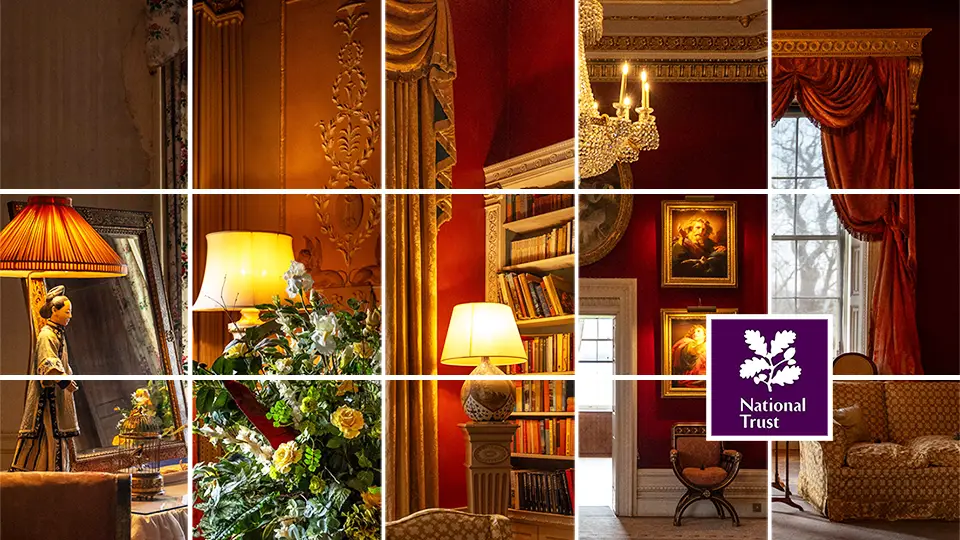
The organisation’s full name is the National Trust for Places of Historic Interest or Natural Beauty. It is a charity dedicated to protecting places of historical, architectural, natural and landscape importance. The National Trust operates mainly in England, Wales, and Northern Ireland. Scotland has a separate organisation called the National Trust for Scotland, which was founded in 1931. This distinction is worth remembering, particularly if you are planning a road trip around the whole of the United Kingdom.
The National Trust currently describes itself as Europe’s largest conservation charity. According to its current figures, it has more than 5.38 million members, employs around 9,500 people, and is supported by thousands of volunteers. It looks after more than 250,000 hectares of land, around 890 miles of coastline, and approximately 500 historic places, gardens and nature reserves. For travellers, those numbers mean one thing: in almost every part of England or Wales, you are likely to find somewhere looked after by the National Trust.
The organisation’s story began towards the end of the 19th century. Britain was developing at an extraordinary pace: cities were expanding, factories, railway lines and new housing were being built, while at the same time green spaces were disappearing and historically important places were being damaged or lost. Three people decided that something had to be done.
They were Octavia Hill, Robert Hunter and Hardwicke Rawnsley, who together founded the National Trust in 1895. They shared the belief that beautiful landscapes and important historic places should not be reserved exclusively for the wealthiest members of society, but preserved so that future generations could enjoy them as well. Each of the founders brought something different to the organisation.
- Octavia Hill – Hill was a social reformer who campaigned, among other things, to improve housing conditions for poorer Londoners. At the same time, she understood how important access to parks, gardens and open spaces was to people’s wellbeing. Today, that might sound obvious, but in the 19th century it certainly was not. Hill became involved in campaigns to save green spaces from development, and it was during one of these campaigns that she met Robert Hunter.
- Robert Hunter – Hunter was a lawyer, and his legal knowledge helped give the whole project firm foundations. One of the most decisive moments in National Trust history came with the National Trust Act of 1907. The legislation allowed the organisation to declare some of its land inalienable, which, in simple terms, means that it cannot simply be sold or handed over for development. This is one of the reasons why the National Trust can think about conservation not merely in terms of years or decades, but sometimes centuries.
- Hardwicke Rawnsley – The third founder was the clergyman Hardwicke Rawnsley, a passionate admirer of the Lake District. He campaigned so strongly against the destruction of the region’s landscape that he even became known as the Defender of the Lakes. Interestingly, Rawnsley was also a friend and mentor of Beatrix Potter, the author of The Tale of Peter Rabbit. Potter herself later played a major role in the history of the National Trust. Following her death in 1943, the organisation inherited around 4,000 acres of land in the Lake District.
What actually belongs to the National Trust?
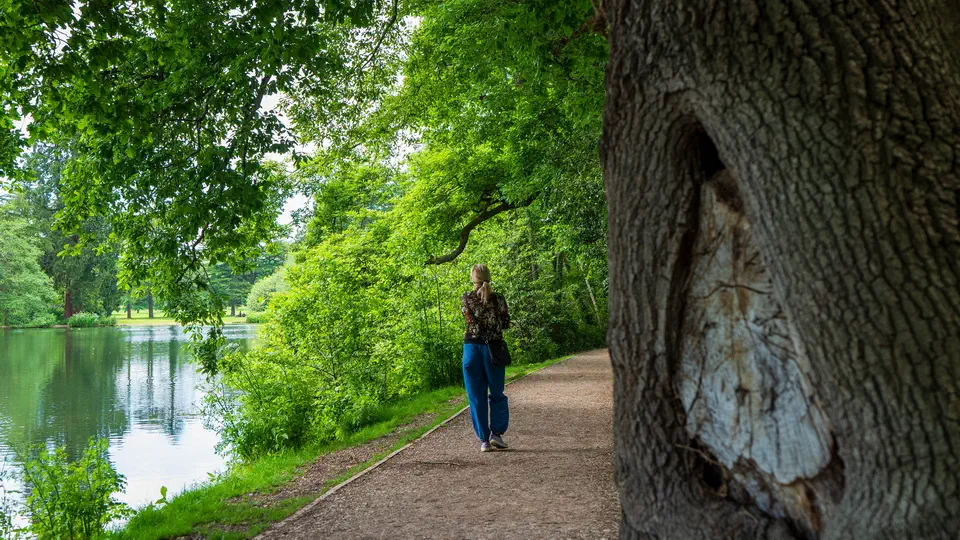
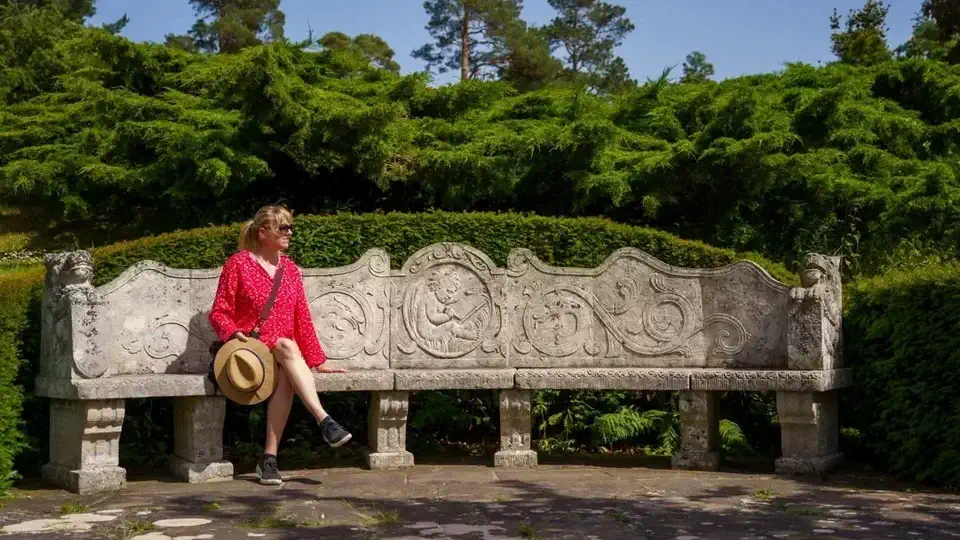
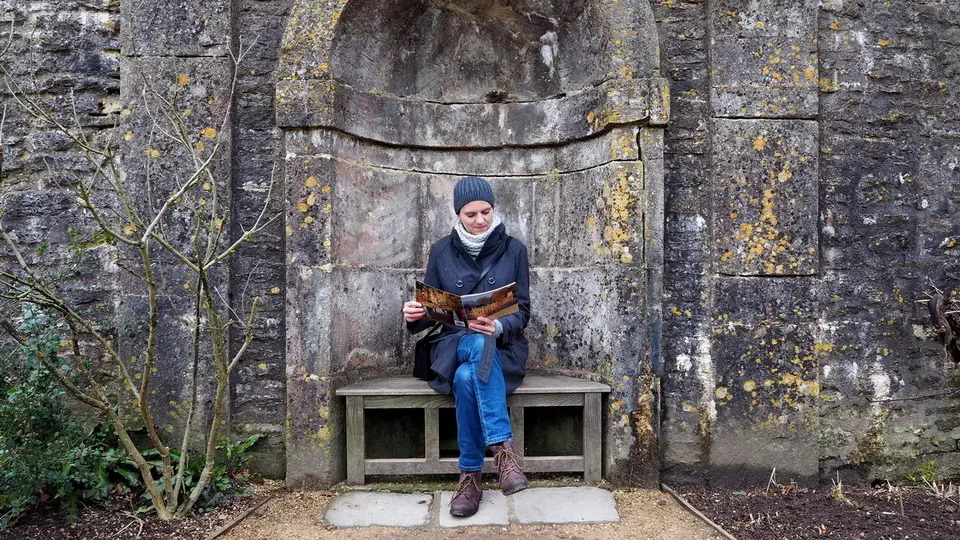
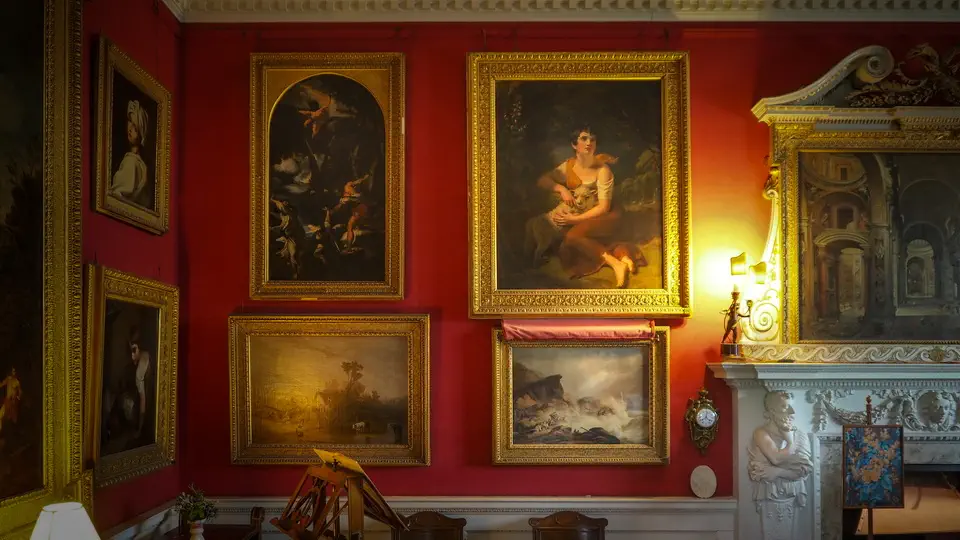
And this is where we come to the part I enjoy most. When people hear the words National Trust, they often imagine a grand English country house, perfectly trimmed lawns and an elderly gentleman in a tweed jacket taking his Labrador for a walk. Those places certainly exist, but the National Trust is far more varied than that. Among the places and landscapes in its care you will find:
- castles and castle ruins,
- medieval abbeys,
- palaces and large country estates,
- historic houses,
- mills,
- old mines and industrial heritage sites,
- forts and military monuments,
- gardens,
- parks,
- forests,
- moorland,
- mountains,
- beaches,
- cliffs,
- stretches of coastline,
- archaeological sites,
- nature reserves.
The National Trust currently lists more than 500 places that can be visited as part of membership. This variety is precisely why I still do not get bored with it, even after countless trips. One weekend you might explore a vast Victorian mansion, the next walk along dramatic sea cliffs, and the following weekend wander through the ruins of a medieval abbey.
National Trust places around Bristol
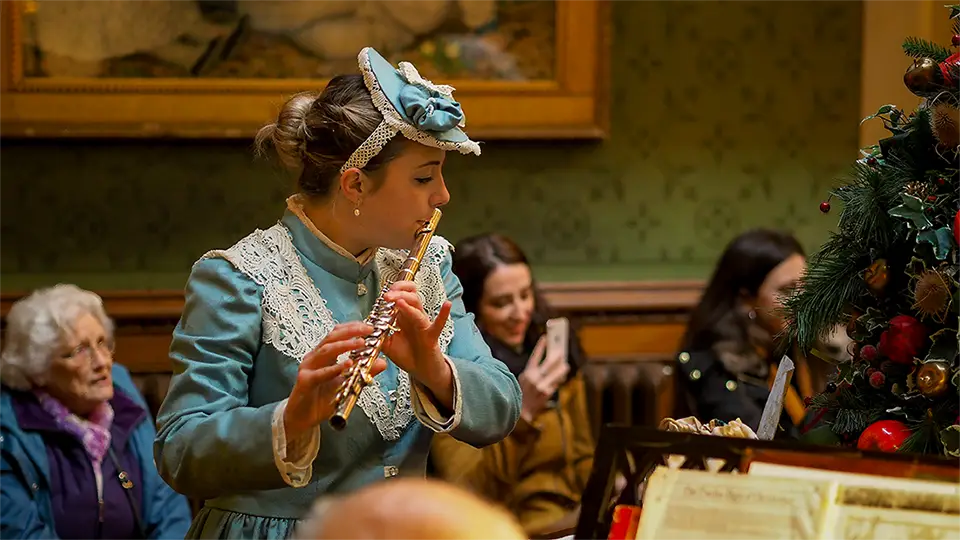
South-west England is particularly rich in National Trust properties and landscapes, which was especially convenient for me because I lived in Bristol for many years and had the opportunity to visit just about every place in the area that seemed worth seeing.
One of my favourite examples is Tyntesfield, a huge Victorian estate just outside Bristol. The house itself is impressive, but I always recommend allowing plenty of time for the gardens and surrounding parkland as well.
Clevedon Court is another fascinating place, with a history stretching back to the Middle Ages. If you prefer attractions with a slightly more military character, have a look at Brean Down Fort. This old fort stands on a high headland above the Bristol Channel and combines military history with some genuinely spectacular views.
A little farther away you will find Dunster Castle. This is one of those places where I would happily spend most of the day, because in addition to the castle itself there are gardens, parkland and a historic watermill to explore.
Lacock a perfect example of how varied National Trust places can be
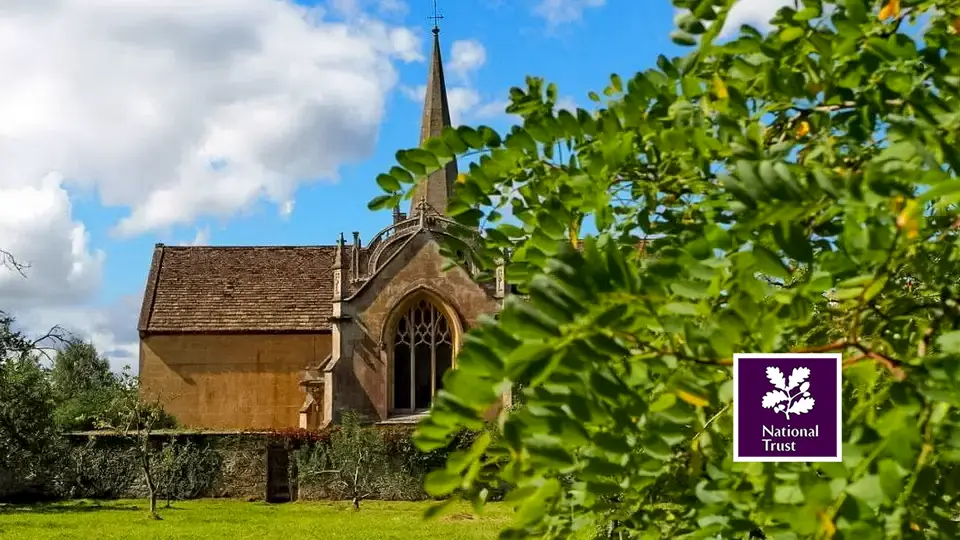
Another excellent example is Lacock Abbey. Lacock is particularly unusual because the National Trust looks after not only the former abbey but also much of the historic village itself. If you have watched the Harry Potter films, some surroundings may look strangely familiar. Both Lacock Abbey and the village have been used repeatedly by filmmakers. Places like this demonstrate perfectly that National Trust membership is about far more than simply walking through one elegant drawing room after another.
How much does it cost to visit National Trust properties?
And now we come to a subject that sooner or later appears in almost every conversation about British tourist attractions: tickets are not cheap. Adult admission to many of the larger estates costs around £18–£23. For example, admission to Blickling Estate is £18 without Gift Aid, while Cliveden costs £23.
If you are travelling as a couple or family, that can quickly become more than £40 for a single attraction. Add children and parking to the calculation, and a full family day out can become fairly expensive. This is precisely why membership begins to make sense once you start visiting several National Trust properties.
National Trust membership how does it work, how much does it cost and is it worth joining?
When you buy National Trust membership, you are not simply purchasing a discount card. Technically, you are becoming a supporter of the charity and helping to fund the conservation of historic buildings and natural landscapes. In return, you receive benefits including:
- standard admission to more than 500 places at no additional charge,
- free parking at most National Trust car parks,
- an annual National Trust Handbook,
- the members’ magazine published three times a year.
In my opinion, free parking is a much more valuable benefit than it might initially appear. Parking at many attractions costs several pounds, and if you visit a dozen or more places over the course of a year, those charges soon begin to add up. Membership prices depend on the type of membership you choose.
According to the current price list, annual membership for an adult aged 26 or over costs £100.80. People aged between 18 and 25 pay £50.40, while children’s membership costs £12 per year. Family options are also available. For example, membership for one adult and their children currently costs £109.20 per year, while membership for two adults living at the same address together with their children costs £176.40 per year. Prices can, of course, change, so I would always check the latest rates before buying.
For me, the calculation is fairly straightforward. If a single visit costs around £18–£23, an adult can recover the cost of annual membership after roughly five or six visits to larger properties. And that is before you even include the money saved on parking. If you live in the UK and regularly go away for weekend trips, membership can genuinely change the way you travel. You stop asking yourself, “Is it really worth paying twenty pounds when we’ve only got two hours?” You simply go.
Occasionally, I visit an estate just to walk around the gardens, have a coffee and head home again. If I had to buy a ticket every single time, I probably would never do that. For me, this freedom is one of the greatest advantages of National Trust membership.
National Trust Explorer Pass for tourists
If you are visiting Britain only for a holiday, annual membership will not always be the best option. The National Trust also offers an Explorer Pass, designed specifically with travellers in mind. It includes standard admission to most National Trust attractions as well as standard parking, but it is not the same as full membership. It is an option worth calculating carefully, particularly if you are planning a road trip around England or Wales and expect to visit several National Trust attractions along the way. And what about Scotland, you might ask?
The National Trust discussed in this article operates in England, Wales, and Northern Ireland. Scotland has a separate organisation, the National Trust for Scotland. It was founded in 1931 and is an independent charity which now manages well over one hundred places across Scotland. Before travelling north of the border, it is therefore worth checking the exact rules of your particular membership and whether cards are recognised by the other organisation.
The National Trust is about much more than historic buildings
This is probably one of the biggest misconceptions about the organisation. The National Trust is most commonly associated with stately homes and historic mansions, but nature conservation represents an enormous part of its work. The organisation looks after more than 250,000 hectares of land and around 890 miles of coastline. In practice, this means protecting forests, meadows, wetlands, cliffs, beaches, moorland, and wildlife habitats.
According to the National Trust’s strategy, the places, and landscapes in its care receive a combined total of around 150 million visits every year. That figure gives some idea of the extraordinary scale of the organisation. You will also notice volunteers rapidly when visiting National Trust properties. You will meet them at entrances, inside rooms in historic houses, in gardens and during organised events, and believe me, they are worth talking to.
Many times, it has been a volunteer who has told me something I would never have discovered from the information boards. Sometimes it is the story behind a particular painting, sometimes a hidden staircase, a former owner of the house or a tiny architectural detail that is incredibly easy to miss. These are often the little things that I remember most clearly long after the trip itself has ended.
The most interesting National Trust places and finally, is membership worth it?
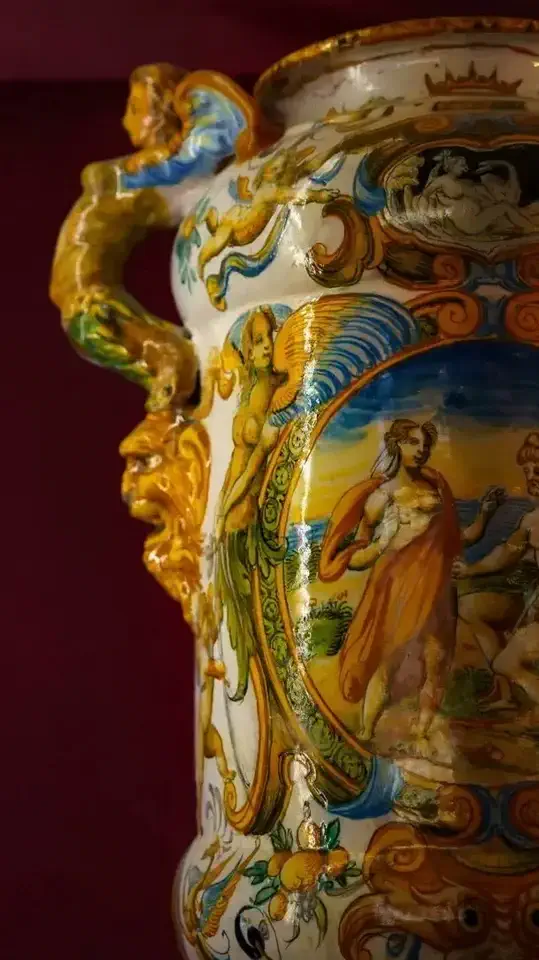
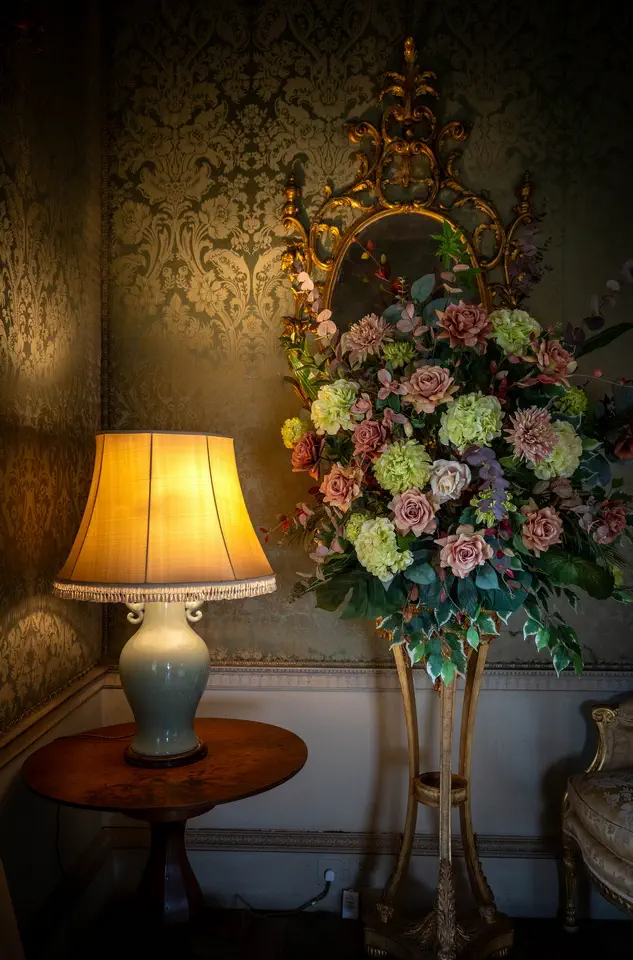
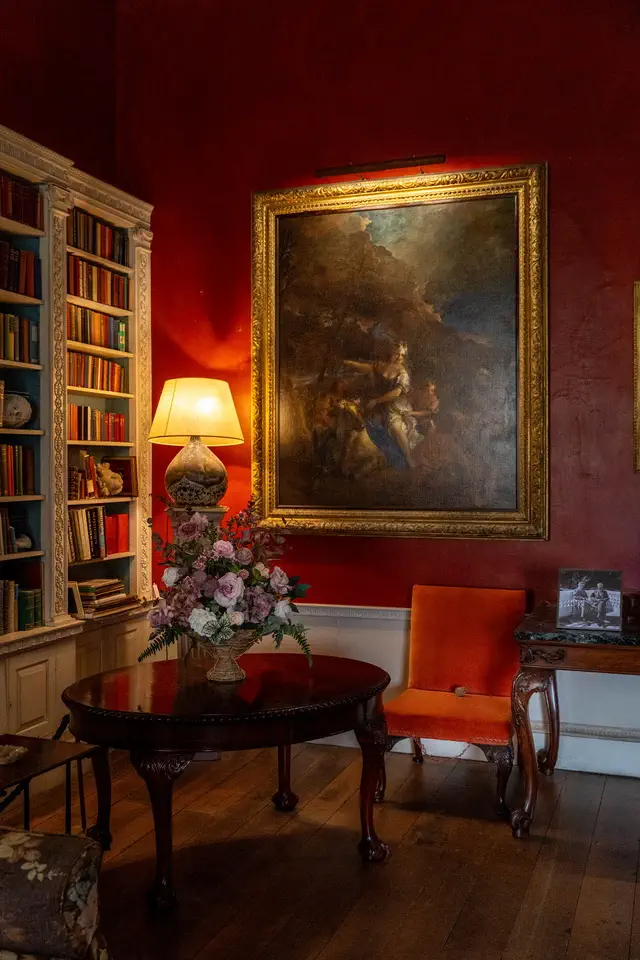
The list could easily contain several hundred places. If you are only just beginning your National Trust adventure, I would start by looking for properties close to where you live or along the route of a journey you are already planning. The National Trust looks after places ranging from the world-famous Giant’s Causeway in Northern Ireland to major country estates such as Blickling Estate and enormous areas of rural and coastal landscape.
We have already described quite a few National Trust attractions on Get Ready For Adventure. In addition to the places mentioned above, I would also recommend Dyrham Park, Hughenden Manor and the wonderfully unusual A La Ronde. Each of them is wholly different from the others. If you are coming to England for a single weekend and intend to visit just one attraction, buying an annual membership obviously makes very little sense. If, however, you live here or spend a considerable amount of time travelling around Britain, I would look at it very differently. For me, the National Trust is almost like a subscription to weekend adventures. I look at the map, choose somewhere interesting and go.
I do not have to think about the admission price every single time. I do not feel that I have wasted money if the weather turns miserable after an hour. I can return to the same place in autumn, winter, and spring simply to see how the gardens have changed. At the same time, I know that part of the money I have spent is helping to maintain places that, without organisations like the National Trust, might simply disappear.
That is precisely why I consider National Trust membership one of the best things I have discovered while travelling around Britain. On Get Ready For Adventure, you can already find several places we have visited while exploring National Trust attractions, including Tyntesfield, Lacock Abbey and Brean Down Fort. If you come across somewhere you particularly enjoy and think deserves to be featured, feel free to get in touch – we will be pleased to share your story on our website.
National Trust facts, information and interesting details
- The National Trust was founded in 1895. The organisation was established by Octavia Hill, Robert Hunter and Hardwicke Rawnsley, who shared the belief that exceptional landscapes and historic places needed to be protected from advancing urbanisation and preserved for future generations.
- Its full name is considerably longer. Officially, the organisation is called the National Trust for Places of Historic Interest or Natural Beauty. The name itself shows that from the very beginning, the Trust was intended to protect both historic heritage and the natural environment.
- The National Trust is now Europe’s largest conservation charity. According to current figures, it has well over five million members and looks after hundreds of historic properties as well as enormous areas of countryside and natural landscape.
- The first building purchased by the National Trust was a small medieval house. The organisation did not begin its work by acquiring a vast palace. One of its earliest properties was Alfriston Clergy House in East Sussex, a modest thatched house that became a symbol of the Trust’s beginnings.
- The National Trust looks after more than 500 places. These include grand country houses, gardens, castles, ruins, parks, and nature reserves. For members, standard admission to many of these attractions is included as part of their membership.
- More than a quarter of a million hectares of land are looked after by the National Trust. The organisation manages over 250,000 hectares across England, Wales and Northern Ireland, an area larger than some small countries.
- The National Trust protects around 890 miles of British coastline. That works out at roughly 1,430 kilometres of beaches, cliffs, dunes, bays, and other coastal landscapes. This is why you will often see the organisation’s familiar logo miles away from the nearest stately home.
- Some National Trust landscapes can be visited completely free of charge. Many forests, beaches, walking routes and open countryside areas have no admission fee at all. Parking charges may still apply, although these are often included for National Trust members.
- Beatrix Potter became one of the National Trust’s most important benefactors. The author of The Tale of Peter Rabbit used some of the money she earned from her books to buy land in the Lake District and protect it from development.
- After Beatrix Potter’s death, the National Trust inherited thousands of acres of land. Potter left around 4,000 acres in the Lake District to the organisation, together with several farms. The National Trust also looks after her famous home, Hill Top.
- One of the National Trust’s founders had a major influence on Beatrix Potter. Hardwicke Rawnsley encouraged her interest in protecting the Lake District and was one of the people who helped shape her later conservation work.
- The National Trust employs around 9,500 people. Thousands of volunteers work alongside them, and without their support it would be extremely difficult to operate hundreds of historic properties, gardens and natural landscapes.
- Volunteers sometimes perform surprisingly unusual roles. National Trust volunteers do far more than welcome visitors and guide them around historic houses; some are involved in activities as varied as beekeeping and helping with fire protection.
- The National Trust is also a major agricultural landowner. It is one of the largest owners of farmland in Britain and works with more than a thousand tenant farmers.
- Not every National Trust property feels like a museum. Many estates continue to function as farms, parks, woodland or living landscapes. As a result, you might spend the morning exploring historic interiors and an hour later find yourself walking among sheep on open hillsides.
- The National Trust has special legal powers that protect some of its property from being sold. Under legislation governing the organisation, certain properties and areas of land may be declared inalienable, helping to protect particularly important places from future sale or development.
- National Trust properties receive tens of millions of visits every year. In the 2024–2025 financial year, around 25.9 million visits were recorded at properties managed by the organisation.
- The total number of visits to National Trust land is far higher. When open countryside, beaches, forests and other landscapes are included, the organisation estimates that the total exceeds 150 million visits each year.
- The National Trust has beyond five million individual members. During the 2024–2025 financial year, membership stood at around 5.35 million, showing just how deeply the organisation has become embedded in the British tradition of weekend days out.
- More young people are joining the National Trust. In one of its recent reports, the organisation stated that the number of new members aged 18–25 had increased by as much as 39 per cent in a single year.
- The National Trust has around 300 houses and gardens where visitor numbers can be managed. At particularly popular attractions, measures such as timed bookings and entry limits can be introduced to protect historic interiors and make visits more comfortable.
- Some National Trust estates also function as enormous local parks. Attingham Park, for example, received more than 589,000 visits in 2023–2024, with the vast majority of visitors living within roughly half an hour’s drive.
- The National Trust invests enormous sums in protecting historic properties and landscapes. During the 2024–2025 financial year, more than £220 million was spent on projects involving existing properties and the acquisition of new land.
- The organisation is not concerned solely with preserving the past. Its strategy for 2025–2035 includes restoring nature, improving people’s access to green spaces and historic places, and encouraging millions more people to become involved in protecting them.
- National Trust membership can entirely change the way you explore Britain. This is the one fact I know best from my travels. When you no longer have to think about the cost of an individual ticket and parking every time you go somewhere, you start visiting places you would probably otherwise have ignored. Occasionally I go to a National Trust estate simply for a walk around the gardens or to spend a few hours in the park. It is at moments like these that you realise the National Trust is not merely an organisation managing historic buildings – it has become part of the British way of spending spare time.