National Trust’s Tyntesfield is a grand Victorian estate located near Bristol in the west of England.
Today, I’m taking you to a truly extraordinary place. It is a house owned by the National Trust. When we think of a house, we usually imagine a cosy building with a family inside, a handful of rooms, a kitchen and perhaps a bathroom or two. The one we are visiting today has well over one hundred rooms and dozens of bathrooms.
The history of Tyntesfield near Bristol
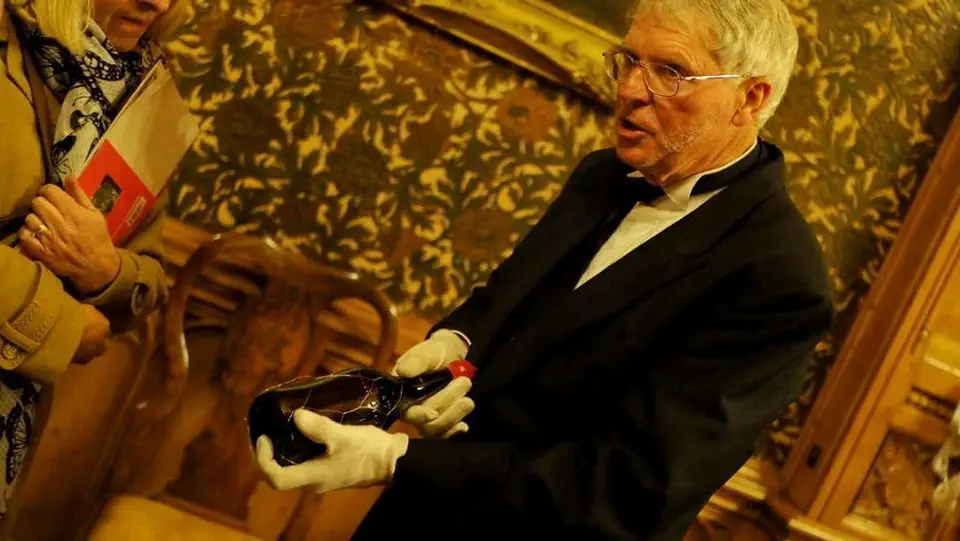

In 1843, the house was purchased by William Gibbs, one of the wealthiest men in England during the mid-nineteenth century. Much of his fortune came from importing guano — a fertiliser made from bird droppings brought all the way from Peru. After buying the Tyntesfield estate, William Gibbs moved there from London with his wife Matilda and their seven children, settling into the countryside near Bristol.
Lucky children, weren’t they? Can you imagine growing up in such a vast estate, filled with endless rooms and hidden corners where you could easily lose yourself, surrounded by grand balls and elegant gatherings? I must admit, I drifted off into daydreams for a moment there… but let’s return to exploring this beautiful historic property because the story of Tyntesfield certainly does not end here.
William and Matilda enjoyed a long and happy marriage. After their deaths — more precisely after Matilda passed away in 1887 — the estate was inherited by their eldest son Antony, and later by his son George, a respected British politician who became the first Lord Wraxall. Following George’s death, the great house eventually passed into the hands of the last member of the Gibbs family line, Richard.
Tyntesfield — the estate without an owner
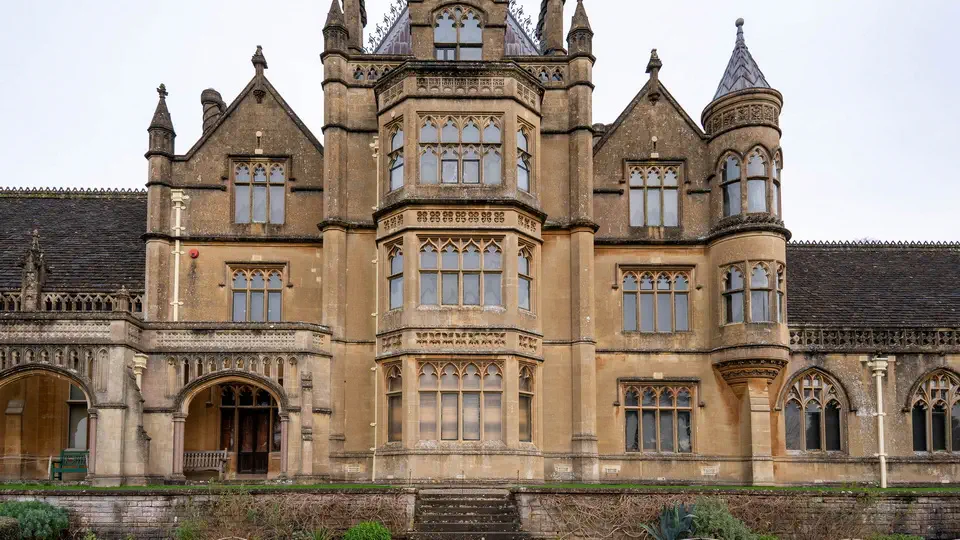
Richard never married and had no children. When he died in 2001, he left Tyntesfield to nineteen heirs in his will. As a result, the house and estate were put up for sale. Thanks to the generosity of countless supporters and numerous grants, the National Trust managed to purchase the estate and part of its surrounding land for the remarkable sum of several million pounds.
While visiting Tyntesfield, volunteers told us that the famous singer Kylie Minogue had once shown interest in buying the property. How much truth there is in that story, we cannot say, although I suspect the British weather may well have persuaded her otherwise.
Purchasing Tyntesfield came with many responsibilities. Extensive restoration work has already been completed, including repairs to the plumbing and electrical systems. Home Farm has been transformed into a visitor centre, while both the roof of the mansion and the chapel have undergone major renovation. Thanks to the dedication of many volunteers, the estate has gradually regained its former splendour.
What awaits visitors at Tyntesfield?
The Tyntesfield estate, now cared for by the National Trust, is enormous. The mansion itself and the neighbouring service buildings make up only a small part of the extensive grounds surrounding it.
Tyntesfield and the beautiful park surrounding the house
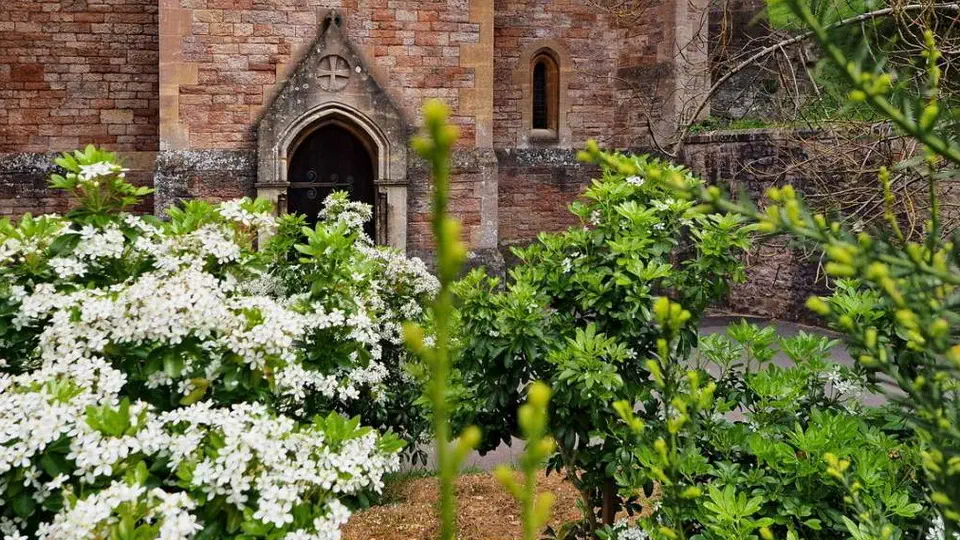
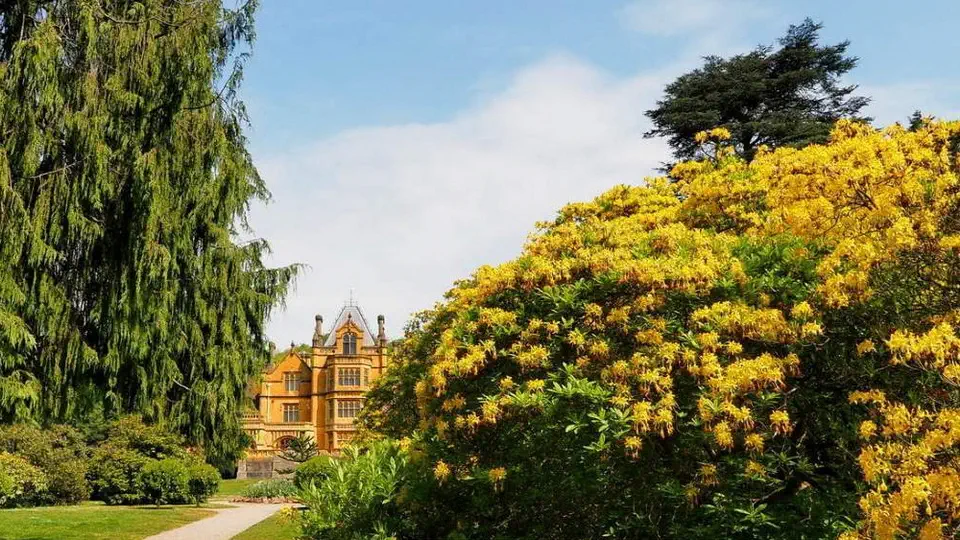
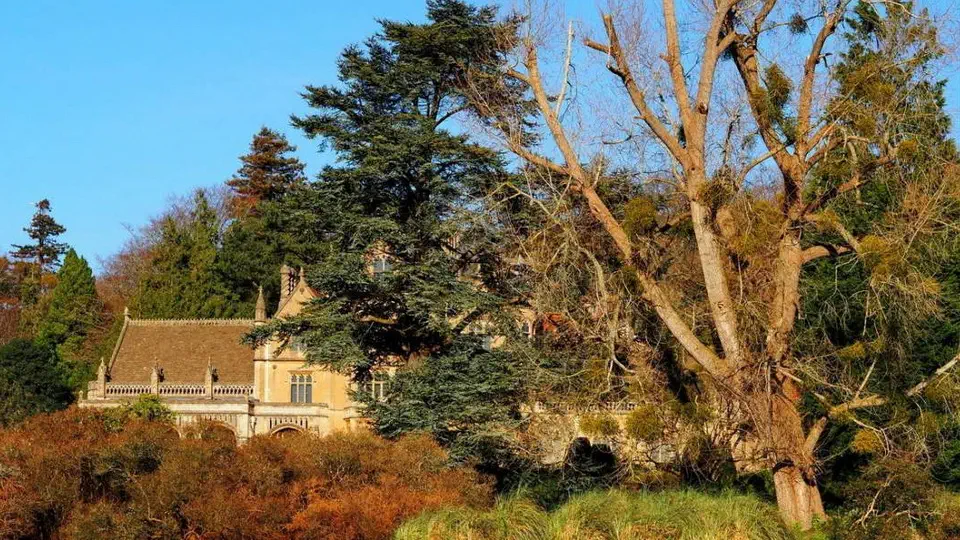
The former gardens, orchards, and stables have all been adapted for visitors. Just as in the past, the estate is still full of life today. You will find a good restaurant here, along with a shop selling gifts and souvenirs from the National Trust. On the first floor there is a ticket office and a charming second-hand bookshop.
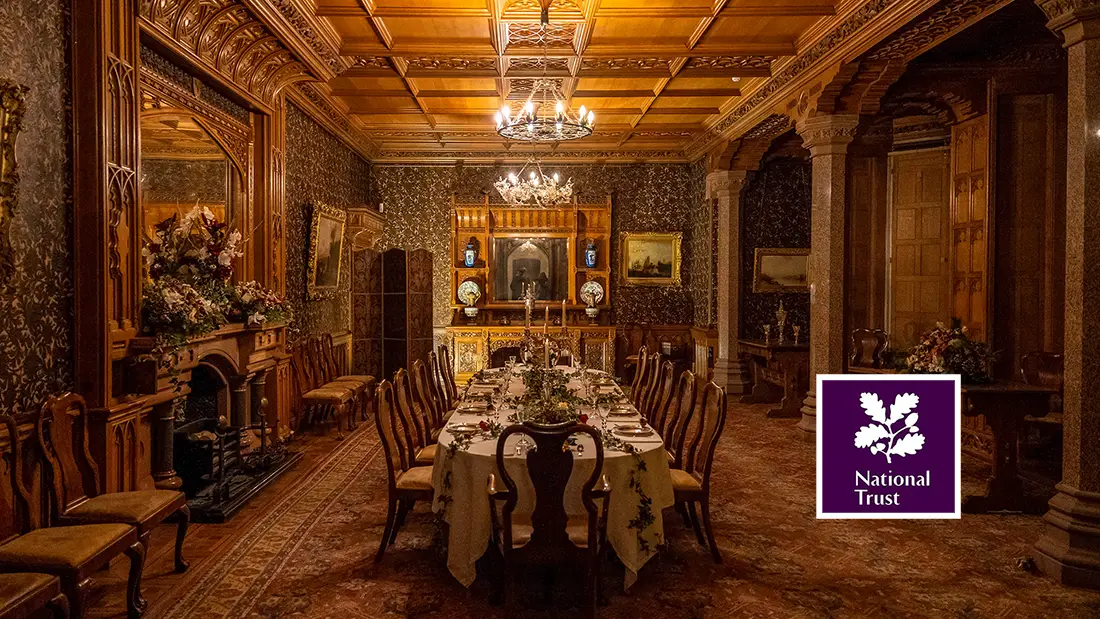
Following the worn footpath through the park, surrounded by enormous old trees and carefully maintained lawns bursting with flowers, you eventually arrive at the impressive mansion itself. One of the volunteers will greet you at the entrance, sharing stories about the origins of the estate before guiding you towards the visitor route.
I won’t describe every room — we learned there are beyond one hundred of them, although naturally not all are open to visitors. For me, the greatest impression was made by the library filled with hundreds of books, along with the magnificent corridor featuring beautifully decorated staircases beneath a glass roof. It is an absolutely stunning place to see.
And what did Piotrek enjoy most? Most likely the billiards room, complete with its enormous table and hunting trophies suspended from the ceiling. Upstairs you can explore the former owners’ bedrooms, old-fashioned bathrooms, and an extraordinary medicine cabinet filled with unusual bottles containing mysterious remedies and mixtures. From here you can also enter the chapel.
Tyntesfield and its magnificent private chapel
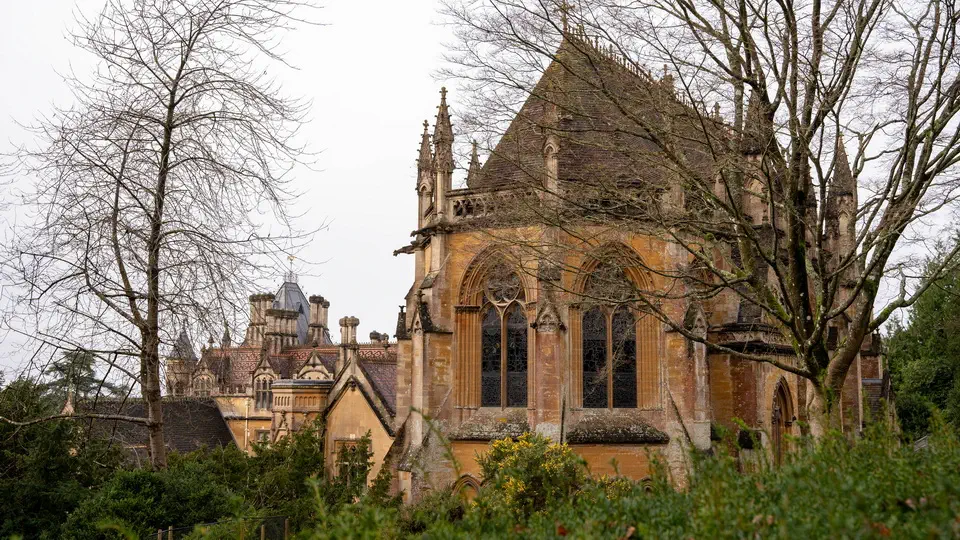
The chapel was built during the final years of William Gibbs’s life. It was inspired by the medieval Sainte-Chapelle in Paris. At first only morning and evening services were held there, but later, after receiving an official licence, weddings, and funerals also took place within its walls.
Beautiful gardens surrounding the estate

As you will quickly notice, extraordinary gardens surround the house. There is a rose garden, as well as a pleasure garden with what was once a water-filled lake. If you look carefully, you will also discover a vegetable garden with an orangery standing proudly at its centre.
A walk through the mansion, followed by a stroll around the gardens and parkland, is both a wonderful adventure and a deeply relaxing experience. If you are passionate about history, you may find it very difficult to leave Tyntesfield behind. It is a place wholeheartedly recommended by Nasze Szlaki.
Tyntesfield and the National Trust — facts, information and interesting details
- Tyntesfield has often been used as a filming location and has appeared in several well-known productions, including Sherlock Holmes, Doctor Who and Doctor Thorne.
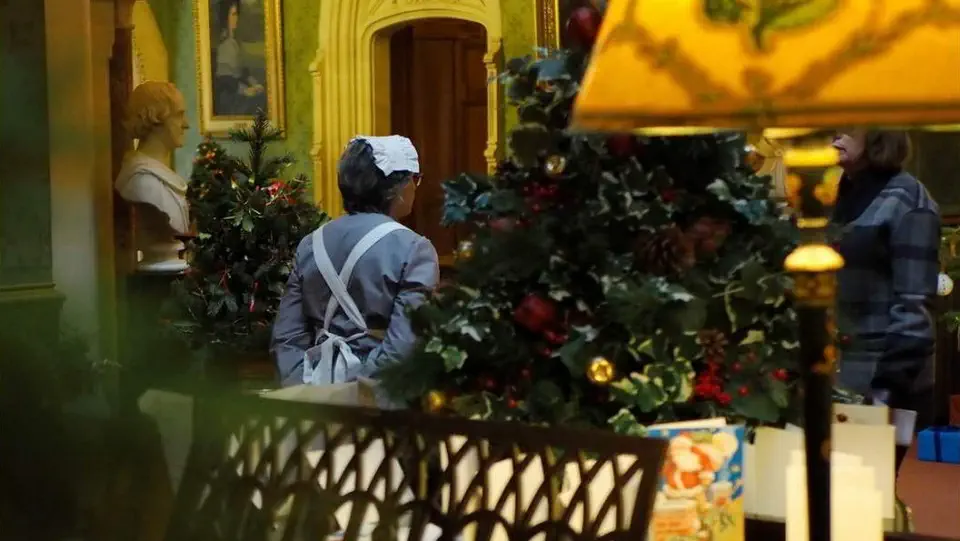
- If you ever have the opportunity, visit Tyntesfield during the Christmas season. You will be welcomed by staff dressed in beautiful period costumes, have the chance to learn traditional dances, and even sample liqueurs prepared using historic recipes. The mansion itself, decorated with a towering Christmas tree, is guaranteed to charm you.
- Did I mention that you can play tennis at Tyntesfield? You certainly can. Hidden within the extensive gardens is a tennis court once used by the owners and their guests, but now open to visitors as well. I should probably add that Piotrek lost to me rather spectacularly.
- Do you remember Piotrek’s article about the SS Great Britain? In 1852 Gibbs purchased the ship with the intention of using it to transport passengers leaving cold England for sunny Australia. The vessel was adapted to carry as many as 700 passengers at once.
- The name of the estate comes from the Tynte barons, who managed the property as early as the fifteenth century. Back then it was known as Tynte’s Place, after the family name. It was only in the nineteenth century that William Gibbs renamed it Tyntesfield.
- And one final interesting fact: theatrical performances are regularly staged at Tyntesfield. In the near future visitors will be able to enjoy The Tempest by William Shakespeare.
Practical information
- Address: Wraxall, Tyntesfield, Bristol BS48 1NX
- Opening hours: 10:00 am – 6:00 pm
- Ticket prices: £15.60 for adults, £7.80 for children
- Parking: £5 for the entire day (free for holders of National Trust membership cards)
- Please treat these prices as a general guide rather than guaranteed figures, as they may change more frequently than our articles are updated.