Bristol is the capital of South West England and the largest city in the region.
They say that home is where the heart is, and Bristol has been our home for several years now. Before settling in this part of England, however, we travelled quite extensively around the country, trying to find somewhere we could truly call home. Today, I want to tell you about our journey across England, explain why we eventually chose Bristol and, perhaps more importantly, why I would not swap it for any other city in the United Kingdom.
If you are planning a weekend in Bristol, I have also prepared a practical itinerary to help you discover the city’s most interesting places. Have a look at my guide to Bristol in 3 Days, where you will find plenty of ideas for exploring the city.
Travelling around England before settling in Bristol
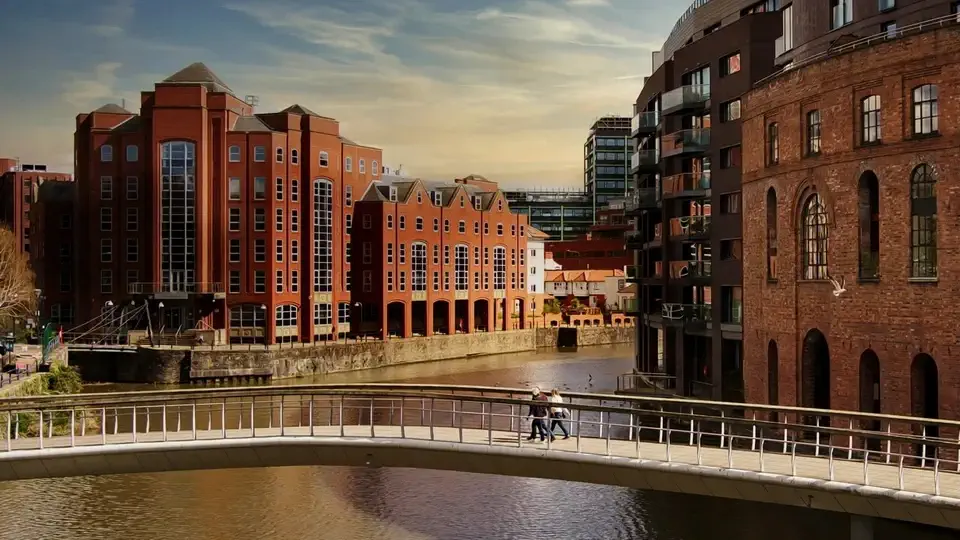
It all began in Bedford, a town that serves as a temporary home for many people arriving in England. It was not a bad place to live, but the constant cultural melting pot and a certain sense of monotony eventually began to get to us. So we moved on to the remarkable, although perhaps slightly dull eventually, Cambridge. To make matters even more amusing, our next move took us to the charming but even quieter village of St Neots.
Each of these places had its character, and we discovered something unusual wherever we went. We met plenty of wonderful people, but also quite a few less pleasant characters, the sort you would normally prefer to avoid in everyday life. To all of them, wherever they are now, we send our warmest regards! The locations changed, as did the atmosphere and our surroundings, but each time we felt that something was missing.
One day, we unfolded a map of the British Isles and started looking for the next destination on our journey around England. As you can imagine, there were plenty of ideas. We considered Leeds in the north, with York just a little further away, as well as Nottingham, Birmingham and several other cities. Fortunately, fate had something else in mind and guided us towards the last place on our list: Bristol.
Almost as soon as we arrived, we knew that this was the city that came closest to the place we had been imagining for years. A place on the map we could return to, somewhere that would gradually become home. The decision was made without much discussion. We threw the remaining list of potential destinations into the bin, and it was not long before we returned to Bristol with our modest belongings.
Bristol, England – a picturesque marina and historic harbour
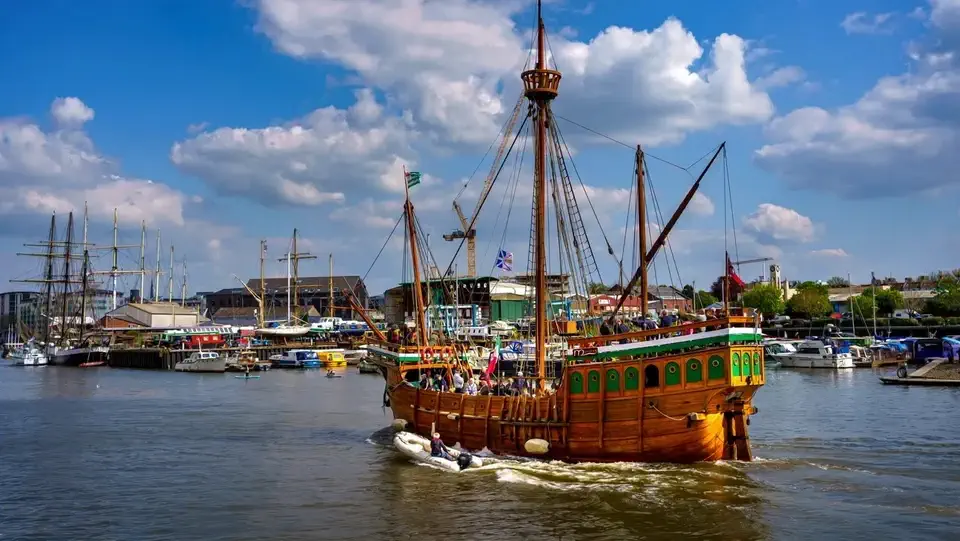
What made us decide so quickly that Bristol should become our new home? It is difficult to point to just one thing, as the decision was the result of many small details coming together. The city is lively and there is always something happening, yet it is not as noisy or hectic as London. During our very first walk around the harbour, we noticed that some streets and waterfront areas reminded us of Gdańsk in Poland. That made Bristol feel even closer to our hearts.
Bristol’s harbour has been extensively renovated and redeveloped over the years. Fortunately, the city authorities have taken care to preserve much of its original charm and character. Between modern flat blocks made of glass and steel, you can still find beautifully restored historic houses and former workshops, some of which remain in use to this day.
I particularly recommend visiting the western part of Bristol Marina, where you can sometimes watch traditional boatbuilders at work. In the small docks, they carefully restore old yachts and bring them back to their former glory. It is a fascinating sight, especially if you enjoy watching skilled craftsmen working with their hands.
Bristol, England, and the University of Bristol

The city is home to a highly respected university, which attracts more than 22,000 students in each academic year. The University of Bristol is ranked among Europe’s leading higher education institutions. Its large student population has a noticeable influence on the character of the city.
In many pleasant pubs and restaurants, you can meet people from almost every corner of the world. The art’s scene is thriving, too, with galleries and music venues attracting young people full of creative ideas, enthusiasm, and passion.
Writing about a place where you live is surprisingly difficult. Even the most wonderful attractions gradually become familiar, and their magic can fade a little when they become part of your everyday routine. There was a time when walking across the Clifton Suspension Bridge, stretching high above the River Avon, filled us with admiration and a slight sense of fear. Today, we still enjoy visiting it, but the emotions are no longer quite the same.
Please forgive me if this introduction to an article about Bristol has turned into a rather personal story. I simply want you to remember that I am writing about this city not as a passing traveller or tourist, but as someone who has fallen in love with the place and has called it home for years.
Bristol, England – attractions and places worth visiting
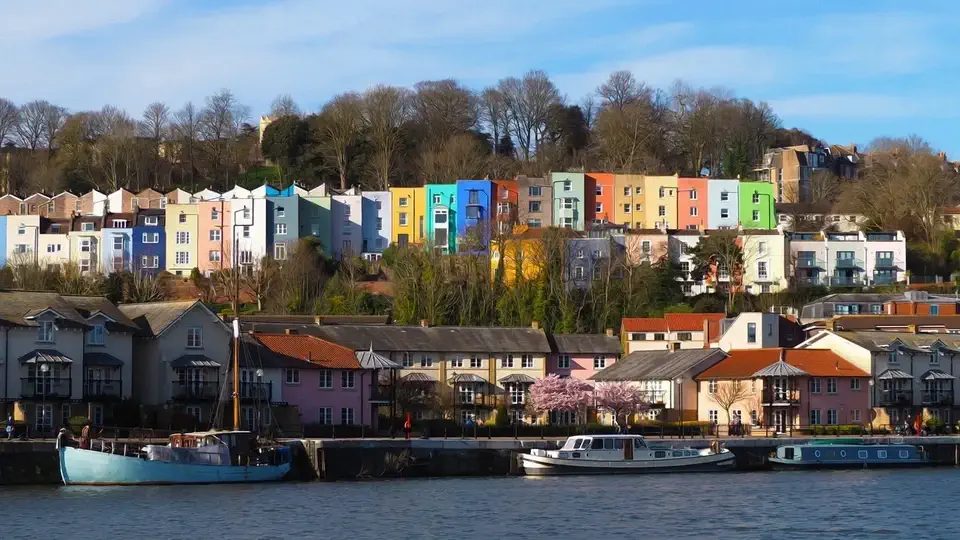
Of course, not everyone has to fall in love with our city. It is enough if you are curious enough to visit and discover what it has to offer. So, what can travellers and tourists expect to find in Bristol? Quite a lot, as it happens.
Bristol is known for its historic buildings, museums, monuments, parks and green spaces. Exploring all of them would require a considerable amount of time. Below, I have selected the places I particularly recommend and which I still enjoy visiting whenever I get the opportunity.
It is also worth remembering the remarkable historic properties looked after by the National Trust, many of which can be found in and around Bristol. If you are interested in discovering them, have a look at our guide to the National Trust in England, where I explain what the organisation does and why its properties are well worth visiting.
Bristol Zoo Project – a wildlife park in Bristol

Bristol Zoo Project is a relatively new attraction in the city, occupying the site formerly known as Wild Place Project. In 2023, Wild Place Project merged with Bristol Zoo Gardens, a smaller zoological garden that had previously been based in the Clifton district.
The attraction is run by Bristol Zoological Society and has been designed to bring together different habitats and ecosystems. Its main aim is to study endangered animal species and their place in an increasingly fragile natural environment.
Clifton Suspension Bridge – Bristol’s famous landmark
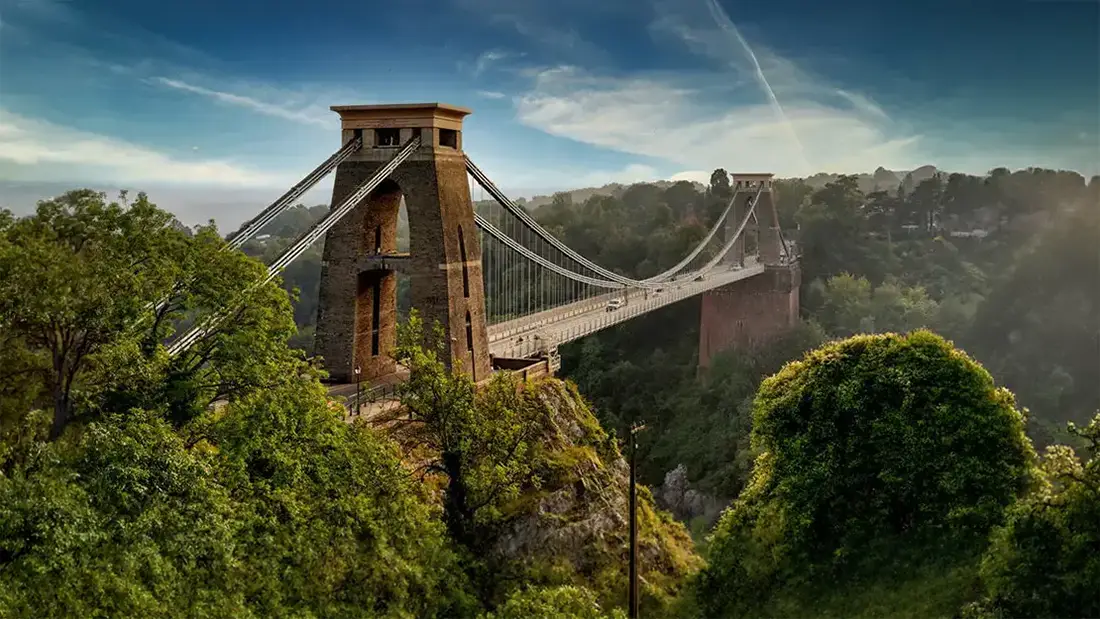
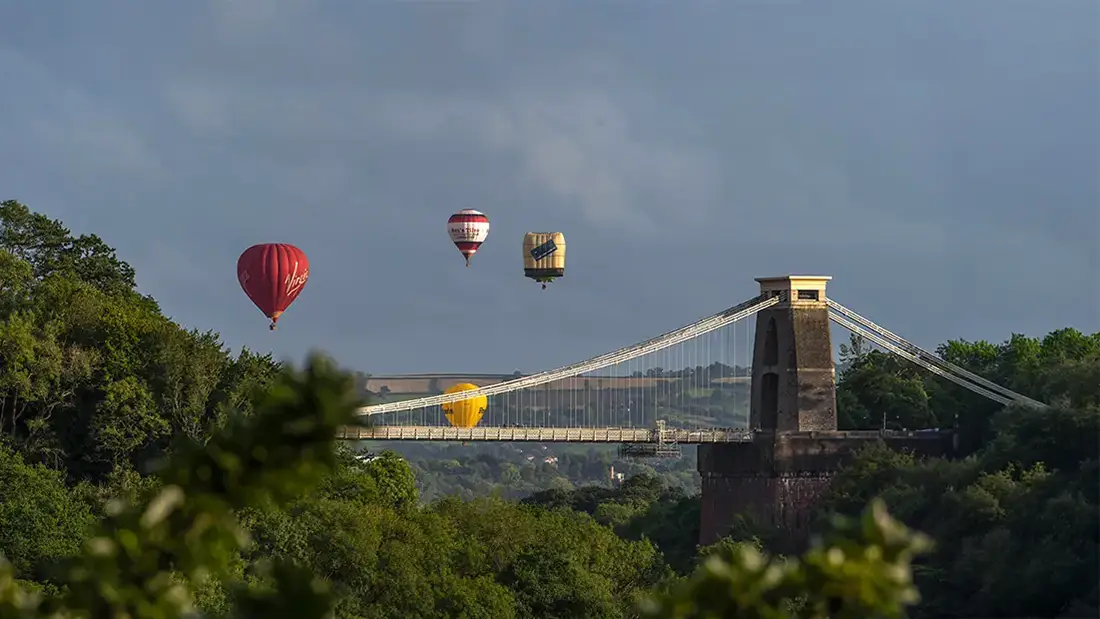
Let’s start with the bridge I mentioned earlier, which spans the Avon Gorge at a height of approximately 75 metres above the River Avon. The structure was opened in 1864 and was considered an exceptionally innovative and modern engineering project at the time. It almost immediately became a symbol of the city, and it remains one of Bristol’s most recognisable landmarks today.
Unfortunately, its designer and chief engineer did not live to see the bridge completed. He died five years before the first vehicles crossed it. For a more detailed account of this remarkable structure, including its history, construction and fascinating stories, I recommend reading our article about Clifton Suspension Bridge.
Interesting facts about Clifton Suspension Bridge
- The world’s first bungee jump using an elastic rope took place from Clifton Suspension Bridge in Bristol.
- Unfortunately, the bridge also has a darker side to its history. It became a well-known location for suicides. Before special safety measures were introduced, 127 people jumped from it over a relatively short period.
- It is certainly a subject that could inspire one of the macabre legends Michał enjoys so much.
A few facts about Clifton Suspension Bridge
- The bridge is 414 metres long and hangs approximately 75 metres above the bottom of the Avon Gorge.
- In 2003, researchers discovered that the rock supporting one of the bridge’s towers was not solid, but contained numerous caves connected by tunnels and passages. Today, these underground spaces provide an additional attraction for visitors.
- Walking across the bridge is free, although vehicles are required to pay a toll. Interestingly, the money collected from motorists covers the entire cost of maintaining the structure.
- The brilliance of its designer and engineer is perhaps best demonstrated by the fact that the bridge has never required a major structural renovation throughout its long working life. That is more than 150 years of service!
Clifton Observatory – overlooking the River Avon
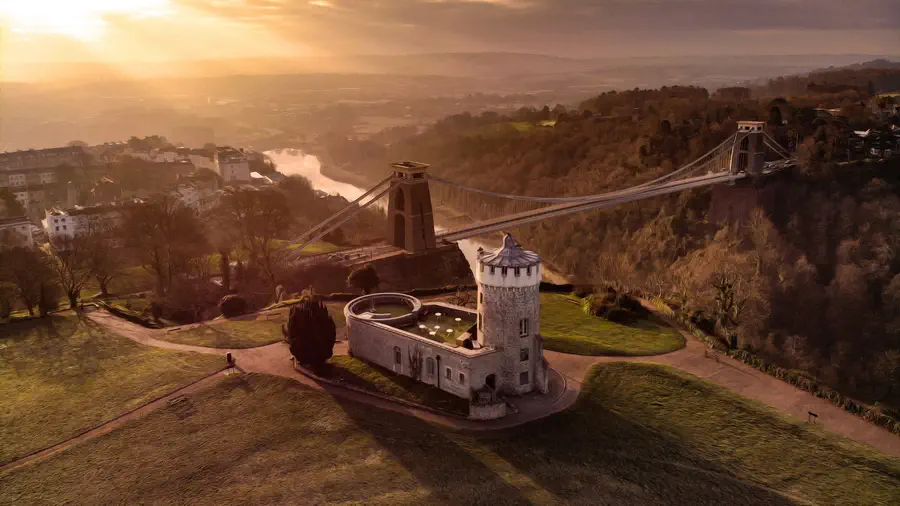
Just a short walk from the bridge, on a slight rise, stands a small historic building. Constructed in 1766, it originally served as a windmill. Over time, however, it was converted into an observatory, and a camera obscura was installed at the top. In those days, such a device must have seemed almost magical.
Today, visitors can explore the building itself and descend into the caves I mentioned earlier. Clifton Observatory stands on higher ground within Clifton Downs, and on a fine day it is an excellent place for a picnic or a relaxing break. The views across the suspension bridge and the River Avon are wonderful, while the steep cliffs provide an impressive backdrop.
Not far away, you can also explore the enormous green spaces of Ashton Court Estate, one of the city’s most popular places for walking and spending time outdoors.
SS Great Britain – a historic ship in Bristol
Of course, like almost every place on this earth, Bristol has a few darker chapters in its history. Between 1700 and 1807, more than 2,000 ships carrying enslaved people to America passed through the city’s harbour. At that time, Bristol was one of the major centres of the slave trade involving people transported from Africa. More than half a million people were shipped overseas from here.
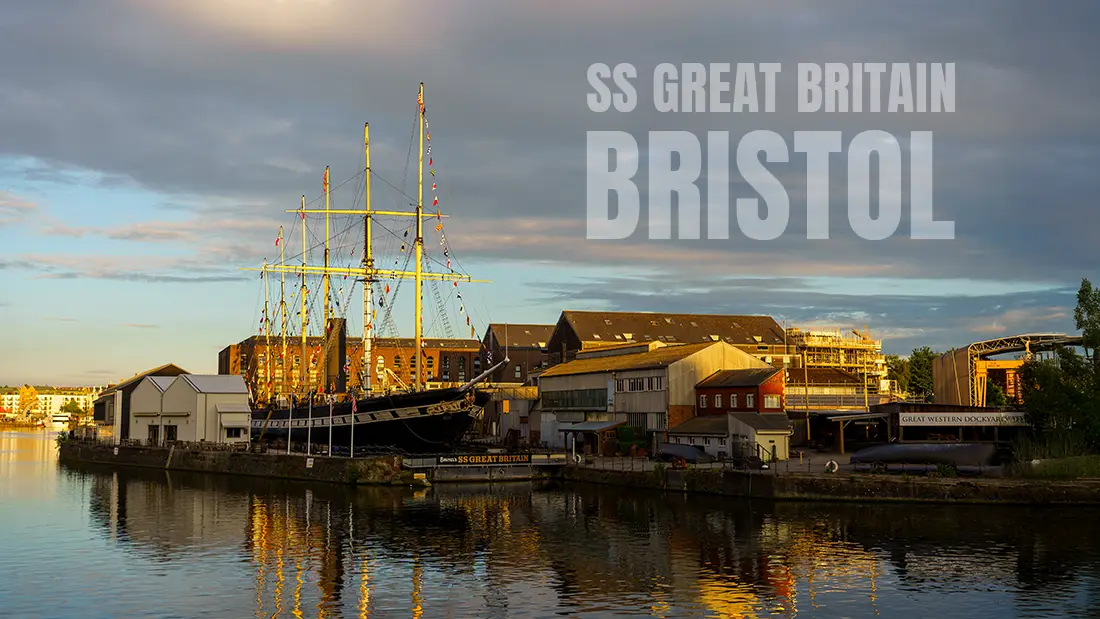
One of the most recognisable symbols of Bristol’s development as an important English port is the steamship SS Great Britain, which now stands in the harbour as a museum ship.
When she was built, SS Great Britain was described as one of the greatest achievements of human engineering and the pinnacle of contemporary technology. She was the first ship in the world to cross the route between Bristol and New York powered entirely by steam. Another important innovation was the use of a screw propeller rather than the traditional paddle wheels fitted to the sides of earlier vessels.
After many adventures on almost every ocean in the world, the ship was eventually purchased by the city authorities in 1970 and returned to the very same dock where she had originally been built. Today, she is one of Bristol’s most popular tourist attractions.
Interesting facts about SS Great Britain
One particularly interesting detail is that SS Great Britain was built by Isambard Kingdom Brunel, the same man who designed and constructed Clifton Suspension Bridge. He was also responsible for the development of the Great Western Railway and the construction of Bristol Temple Meads, the city’s magnificent main railway station, which is still in operation today.
In a public poll held in 2002 to identify the 100 Greatest Britons, Brunel came second, just behind Winston Churchill. The ship also has a Polish connection. Seweryn Korzeliński, a Polish traveller and writer, sailed to Australia aboard SS Great Britain. Alfred Szklarski, in his book Tomek in the Land of Kangaroos, mentions that he drew some of his knowledge of the Australian continent from Korzeliński’s writings.
M Shed Museum – a treasure trove of Bristol’s history
Since 2011, the city has been home to a museum dedicated to preserving and presenting Bristol’s history. I still remember what a big event its opening was. For weeks, residents queued to explore the exhibition rooms. These days, it is a little less crowded, but the museum remains extremely popular, particularly with families. Children especially seem to love the place, as many exhibits can be touched and explored to see how they work.
The museum occupies former cargo sheds in the harbour, where more than 3,000 exhibits connected with the city’s history are displayed. The collections include objects from very distant times, stretching back to prehistory and the earliest settlements in the west of England. There are also more recent stories and plenty of fascinating accounts of Bristol’s past.
If you have even a passing interest in the history of this part of England, it is well worth a visit. M Shed is not limited to the renovated interiors of the old dock buildings, filled with display cases. Outside, you can see historic harbour cranes and several vessels. The old railway tracks used to transport goods from the harbour have also been preserved.
Interesting facts about M Shed in Bristol
- More than 700,000 people visited M Shed during its first year.
- The museum cost £27 million to build.
- Inside, you will find quite a few souvenirs and objects connected with Massive Attack, the hugely popular musical group of the 1980s and 1990s, known for their experimental electronic sound.
- To celebrate the opening, parts of the museum’s interior and exterior walls were decorated with beautiful murals created by some of the best-known street artists from Britain and around the world, including the famous Banksy.
Bristol Museum & Art Gallery – a museum of art and history
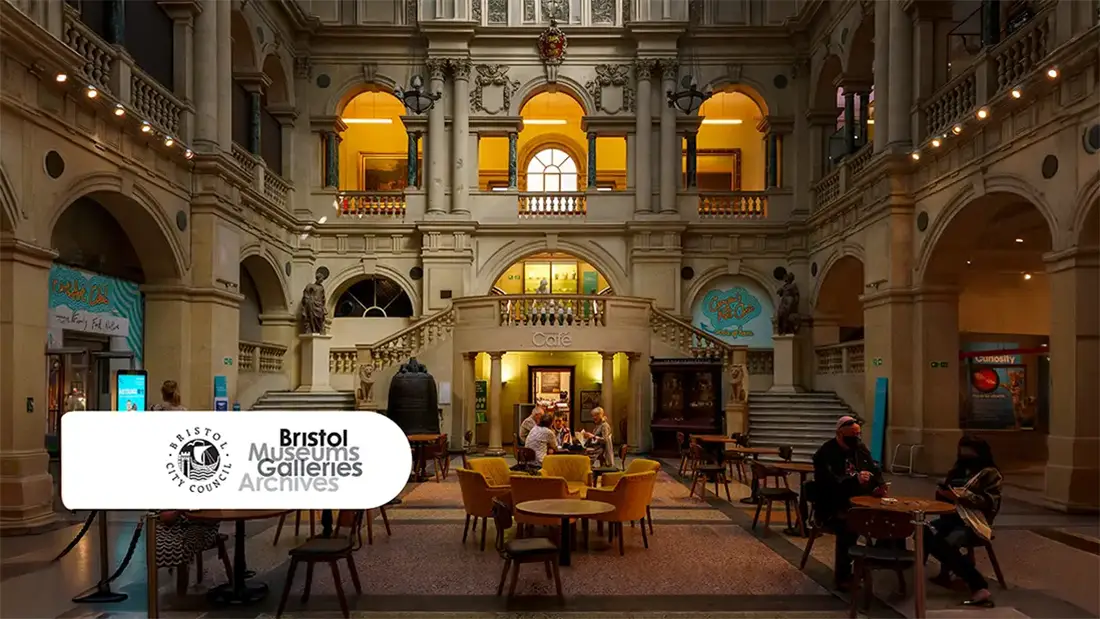
Continuing our tour, another important attraction is Bristol Museum & Art Gallery, located in the Kingsdown district. The museum houses a small but fascinating collection of Egyptian artefacts, as well as a botanical section and an extensive collection of Chinese art. You will also find exhibitions devoted to painting and ceramics.
The museum regularly hosts temporary exhibitions and themed events. Some time ago, to celebrate Chinese New Year, several days of activities were organised in the exhibition rooms, bringing together members of the local Chinese community. Visitors could sample traditionally prepared tea and watch demonstrations by masters of Eastern martial arts.
As you walk through the galleries, it is easy to appreciate the enormous influence of the British Empire during its heyday. A considerable proportion of the collections comes from territories that were once under the control of the British Crown.
Children will feel particularly welcome here, too. The museum has prepared a range of activities specifically for younger visitors. In each section, there are little areas filled with interesting facts and opportunities to enjoy creative activities connected with the subject of the exhibition. You can find more details about the collections and the museum’s history in our article about Bristol Museum & Art Gallery.
Aerospace Bristol – the aviation museum

Aerospace Bristol is located in the northern part of the city, in the Filton district. Its location is no coincidence. This is where the famous Rolls-Royce aviation facilities are based, producing high-performance aircraft engines. Filton is also home to Airbus facilities, belonging to one of the world’s leading aviation technology companies. Both organisations played an important role in the creation of Aerospace Bristol.
Visiting the aviation museum is a real adventure. The materials, equipment, and multimedia installations provide an impressive overview of human ingenuity and the knowledge that allowed us to leave the ground just over a century ago, cross oceans by air and establish commercial airline networks. Thanks to these developments, travelling around the world has become considerably faster and more convenient.
The elegant and beautiful Concorde has a special place at Aerospace Bristol. A dedicated hangar was built to house this remarkable aircraft, providing enough room not only for the original aeroplane but also for an exhibition about its history, together with objects and materials from the period when the world’s fastest passenger aircraft travelled between continents. You can read much more about the collection, the aircraft, and the history of aviation in our guide to Aerospace Bristol.
Blaise Castle Estate in Bristol

The castle standing on top of the hill in Blaise Hill Park is an interesting attraction in this part of Bristol. Children are naturally among those who enjoy it most. Historical events and themed educational activities are organised here, offering younger visitors an opportunity to learn about the past in an engaging way.
The building and the activities taking place inside it do not receive any public funding or grants. Everything relies on the work of volunteers, who organise various educational projects, including some of their ideas and initiatives. The castle itself is open for only a few hours each week, but the city, which now owns the building, is happy to consider suggestions and new projects. So, if you have an interesting idea and would like to use this unusual place for an event or activity, there should be no problem asking for permission.
Bristol Temple Meads – one of the most recognisable railway stations in South West England
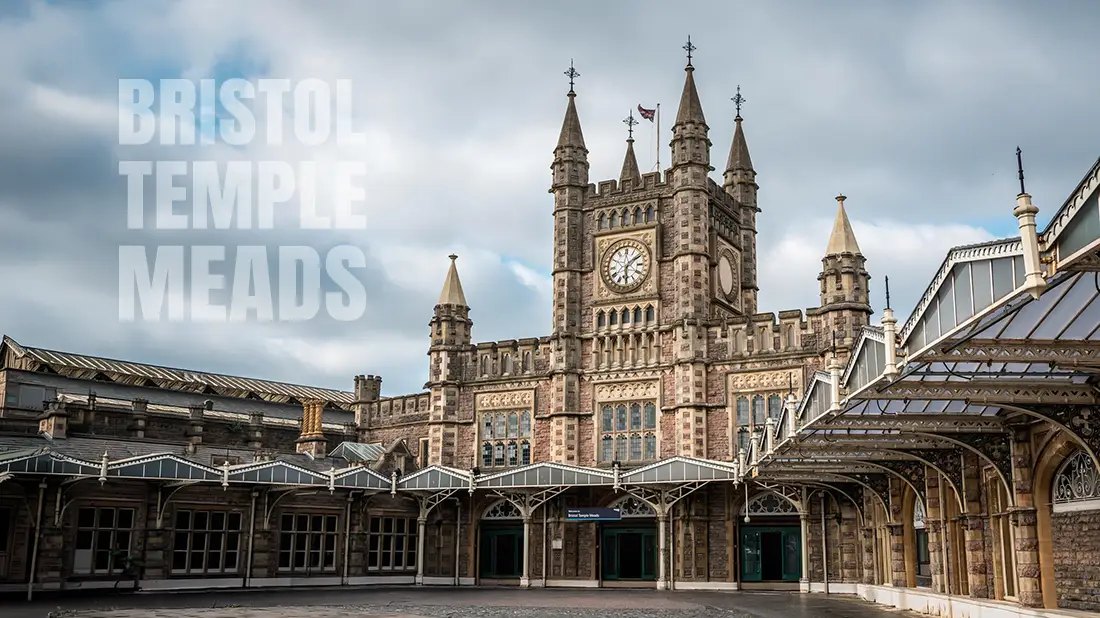
I rarely travel by train, partly because I value the convenience of other forms of transport and partly because of the time and money involved. Nevertheless, I appreciate the beauty of historic railway stations, the old locomotives that once filled the platforms with clouds of black smoke, and the enormous influence railways have had on the development of Europe and the wider world. Today, I want to tell you about Bristol Temple Meads, one of the most beautiful railway stations I have ever seen.
Bristol Temple Meads is one of the best-known railway stations in South West England. For most passengers, it is simply the place where trains arrive from London, Bath, Cardiff, and other British cities. However, this historic building has a much more interesting story than you might expect at first glance.
Whenever I look at buildings like this, I am always reminded of just how profoundly the railway changed our cities and the way people travelled. In Bristol, this transformation is particularly easy to appreciate. Temple Meads was built at a time when rail travel was only beginning to gain popularity, and its development provides an excellent illustration of how rapidly Britain’s transport infrastructure evolved during the nineteenth century.
The station is also an interesting example of Victorian industrial architecture. Its monumental hall, distinctive platform canopies and historic structural details make it worth visiting even if you have no particular interest in railways. Today, Bristol Temple Meads remains an important transport hub, while also being one of the city’s most valuable historic buildings.
Other attractions in Bristol – there is plenty more to discover

Not far from the museum mentioned earlier, you will find a small but very interesting zoo, which is currently being relocated to a new site just outside the city. We will tell you more about this unusual attraction in due course. There is also a botanical garden nearby.
In the opposite direction lies Clifton, a district filled with beautiful Victorian architecture. A little further on stands the magnificent Bristol Cathedral, whose origins date back to the eleventh century. Concerts and recitals are regularly held inside, and the cathedral is also home to a choir with a long and distinguished tradition.
If you enjoy exploring historic buildings and country estates, I would also recommend visiting some National Trust properties around the city. Tyntesfield is particularly impressive, with its magnificent Victorian house, gardens and extensive parkland. Another fascinating destination is Clevedon Court, a historic manor house with medieval origins and a remarkable collection of glass and ceramics.
Bristol, England – festivals and cultural events
As well as its many attractions, Bristol hosts a wide range of annual events. One of the best knowns is the Bristol International Balloon Fiesta, held around August each year. Balloon enthusiasts arrive from all over the world to take part in several days of flights above the city. To understand just how spectacular it is to see more than a hundred hot-air balloons floating above Bristol, you really have to experience it for yourself.
Another major event is the kite festival, known as the Kite Bristol Festival. Enthusiasts from around the world bring some truly extraordinary creations and send them soaring into the sky. One of the recent highlights was a life-sized whale floating gracefully in the wind. Professional kite flyers are not the only people who can take part. Visitors can also join the displays, provided they register in advance. If you know how to build an interesting kite and would like to show it off, September is a good time to visit Bristol.
Getting around Bristol – public transport

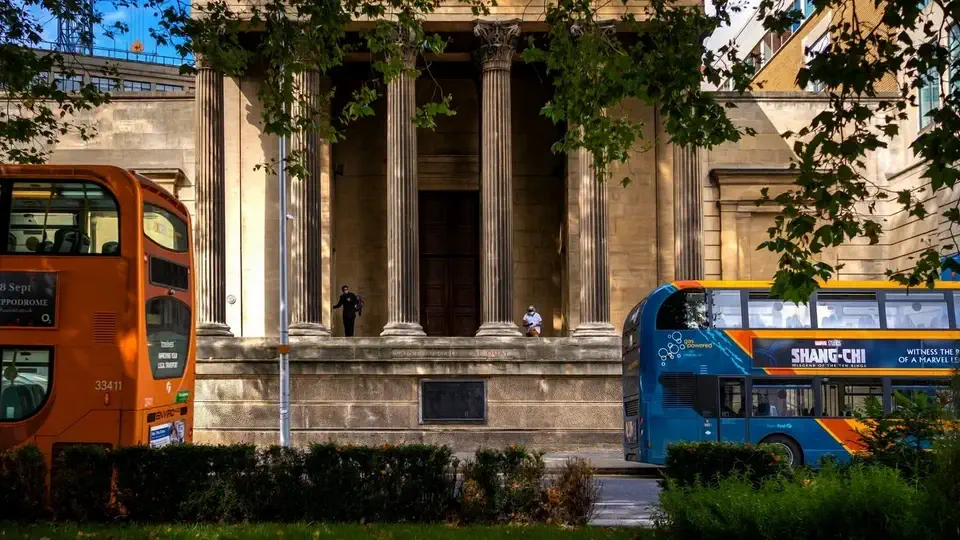
Public transport in the city works reasonably well, and improvements are continually being made. Local buses arrive at stops fairly regularly and usually run to schedule. There is also a convenient hop-on, hop-off sightseeing bus service. You can buy a ticket for one or several days and simply get on and off whenever you wish. The vehicles are traditional double-decker buses, with an open upper deck. During the journey, you can listen to commentary about the places you pass along the way.
A full-day ticket costs £15, while children’s tickets are £9. You can save a little money by purchasing tickets online. Apart from buses, you can also use the waterways to travel around the city centre. Ferry services operate regular routes between various points in the harbour. It is a pleasant way to see Bristol from a different perspective, and, of course, you do not have to worry about getting stuck in traffic.
Bristol, England – pubs and restaurants

The city is full of restaurants and charming traditional pubs. If you are determined enough, you will find somewhere serving almost every type of food from every corner of the world. We particularly enjoy restaurants offering an all-you-can-eat buffet. Not because we are especially greedy, of course, but purely out of curiosity – or at least that is the official explanation we tend to give. Our favourite restaurant is COSMO, which serves a wide range of Asian dishes.
There are hundreds of pubs in Bristol. Almost every street seems to have somewhere you can stop for a coffee or a pint of beer. I particularly recommend trying some local ale. To be perfectly honest, it is difficult for me to enjoy anything else these days. It would also be almost impossible to list all our favourite pubs, but the oldest ones are certainly among the most interesting, and there are two I would particularly recommend.
The first is The Old Duke, a lovely place where you can enjoy a pint while listening to live music. This year marks 50 years since the first jazz concert was performed there. Another interesting place is The Hatchet Inn, which dates back to 1606 and is considered the oldest pub in the city. You can enjoy a good meal here and occasionally listen to live music, too.
You could easily write dozens of articles about Bristol’s restaurants and pubs without ever running out of things to say. I am sure we will return to this subject many times in the future.
Bristol, England – final thoughts and useful information
This is simply a blog article rather than a comprehensive city guide, so there is no way I could describe everything Bristol has to offer. I will certainly return to our city in future articles to tell you more about its hidden corners and lesser-known attractions. If Michał gives me a hand, perhaps we will even include a few local legends. For now, though, that is where I will leave you. Readers who know Bristol well may feel that I have left out far too much. As I mentioned earlier, there simply is not enough room here to describe every attraction, and there are undoubtedly places in the city that even we have yet to discover.
If you have any suggestions about what I should write about next and would like to share your knowledge, please leave a comment on Facebook. Alternatively, you can contact us by email at naszeszlaki@gmail.com. We will be deeply grateful for all your advice and suggestions. Finally, I should mention that these days there is nowhere I would rather move to, leaving Bristol behind. Of course, if Magda decided that she wanted to leave, I would happily follow her to the other side of the world. As I said at the beginning: home is where the heart is.