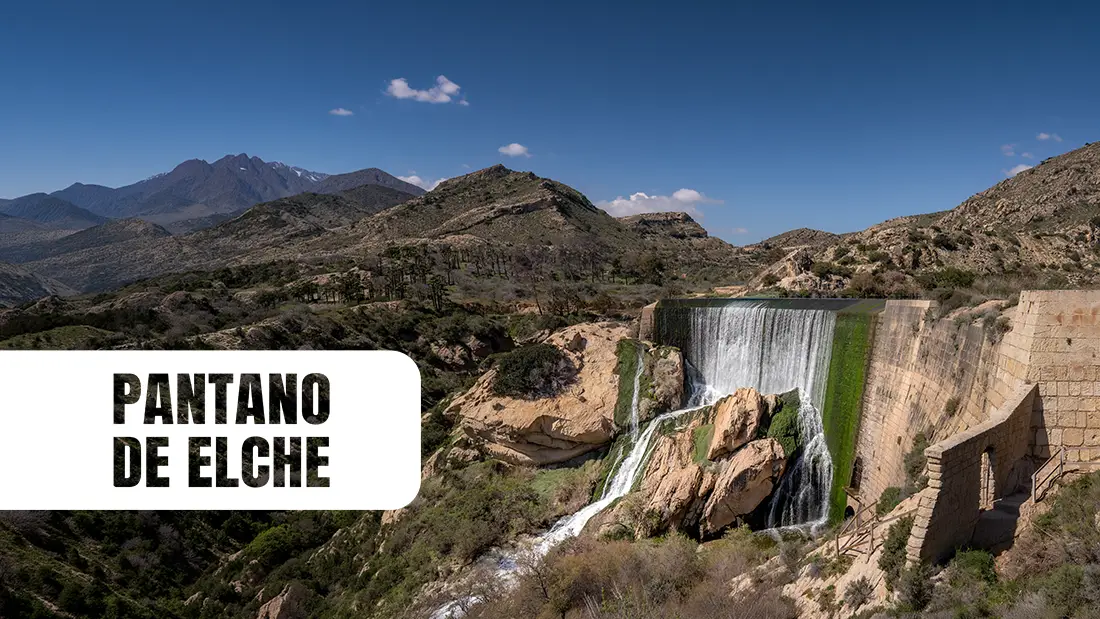
Pantano de Elche is an excellent place for a pleasant walk surrounded by nature.
There are places that seem to be right next door, yet most people simply pass them by. That was precisely the case for me with Pantano de Elche. Living on the Costa Blanca, I kept putting this trip off for a long time – until I finally went, and I’ll say it plainly: it’s one of those places where history, nature, and tranquillity come together in perfect balance, and I’ll be coming back here as often as I can. You won’t find crowds like on the beaches, and there are no tickets or queues. Instead, there’s silence, paths winding through reeds, the scent of water, and the sight of an old dam that remembers times when Spain looked entirely unique. Below, I’ll tell you about my visit to the old dam and the Pantano de Elche reservoir, as well as the history of this place. At the end, I’ll also share a handful of interesting facts and practical information.
Pantano de Elche – a history you can truly feel on site
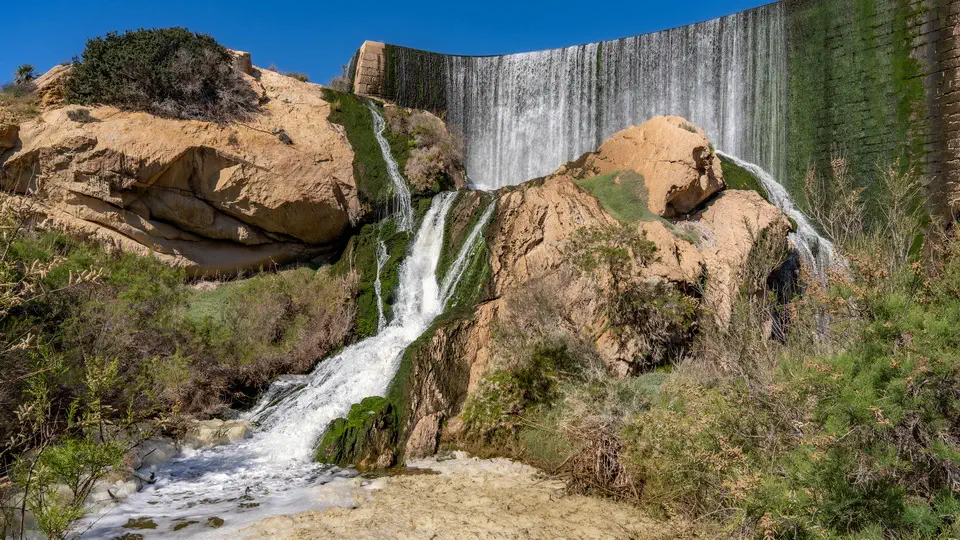
Pantano de Elche is not just an ordinary reservoir – it’s a piece of engineering history. The dam was built in the 17th century – construction began in 1632 and lasted for several years. Interestingly, it was one of the first modern arch dams in Europe after Roman times, and that really makes an impression when you stand on its crest and look down – you suddenly realise that someone designed this over 300 years ago.
The reason for its construction was simple: water. The Elche region has always struggled with shortages, and the Vinalopó River can be unpredictable. The reservoir was intended to store water for irrigating fields and gardens, which directly contributed to the development of agriculture and the city’s famous palm groves. As you might expect, the history of this place has not been peaceful. In 1793, a powerful flood partially destroyed the dam. It was then rebuilt over many years – well into the 19th century. Another dramatic event occurred in 1995, when a sluice gate failed and the reservoir was almost completely drained. It wasn’t until 2007–2008 that a thorough restoration was carried out, restoring it to its former glory. Today, it is not only a historic structure but also a protected cultural site.
Pantano de Elche – nature that surprises
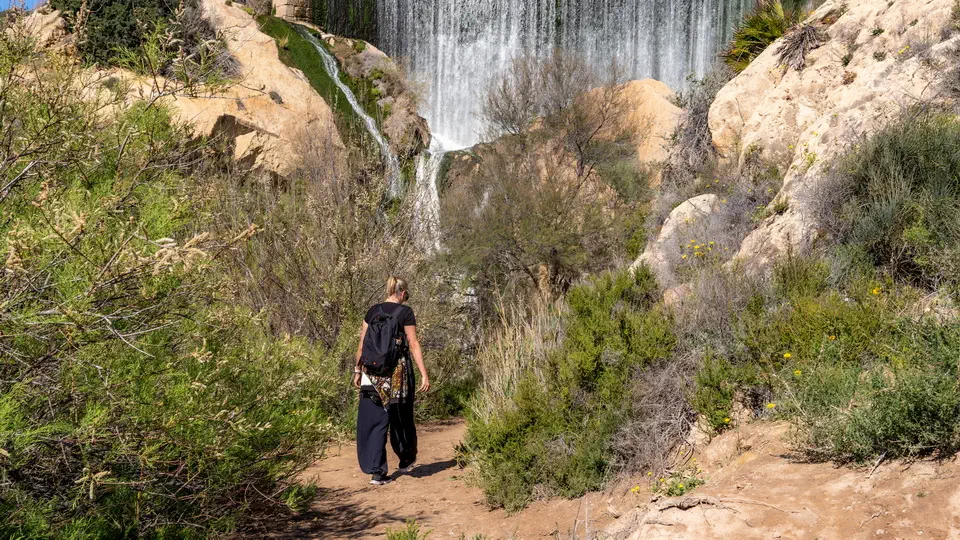
When I arrived, what was my first impression? Contrast. All around you is a dry, typically Mediterranean landscape – and suddenly, there is water, reeds, and life. Pantano de Elche has created an artificial yet highly valuable ecosystem. As a result, wetlands and habitats for many species have developed here. Walking around the reservoir, you’ll see herons and ducks, sometimes flamingos, birds of prey circling above the valley, and, if you’re lucky, wild animals such as foxes or wild boar. The vegetation plays its part too. Reeds, tamarisks, and marsh plants create a green oasis in the middle of an otherwise dry region. And that’s precisely what impressed me the most – this micro-world, created by humans but now living to its rhythm.
Pantano de Elche and the reservoir’s environmental impact
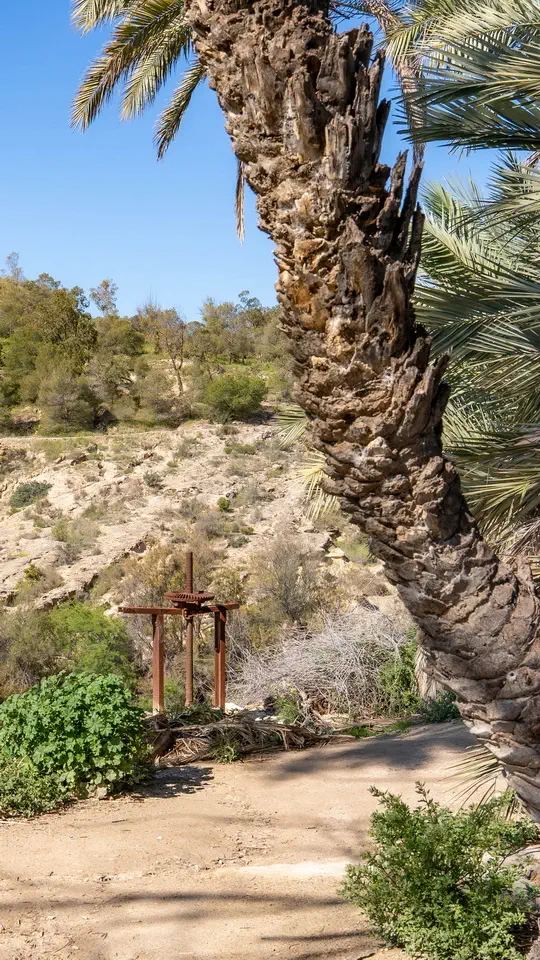
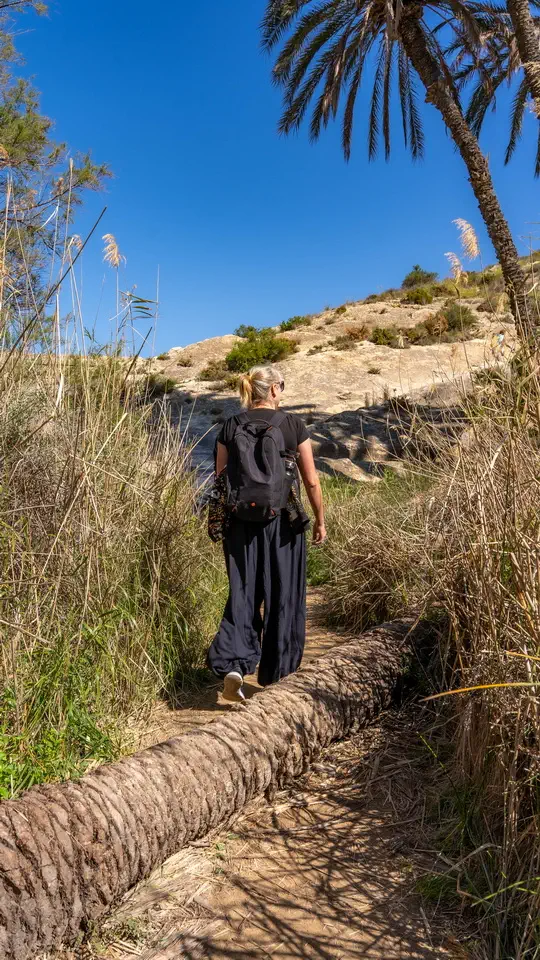
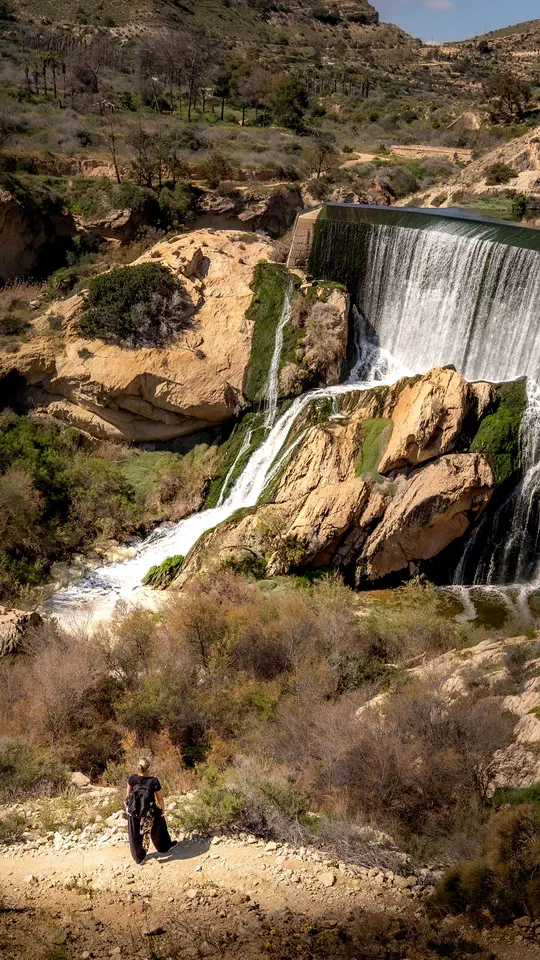
There’s no point pretending – Pantano de Elche is an artificial creation, but its environmental impact is complex and largely positive. On the one hand, for centuries it has stored water for agriculture, enabling the development of irrigation systems, including supplying water to the famous Palmeral (the largest palm grove in Europe). Most importantly, this artificial reservoir has created a unique wetland ecosystem in a dry climate.
On the other hand, the reservoir is subject to silting (a natural process), and in the past it received pollution from industrial activity. Its functioning requirements ongoing monitoring and protection. Today, the approach is different – there is a strong emphasis on sustainable tourism and nature conservation. And rightly so because this place truly deserves respect.
Practical information – from my experience
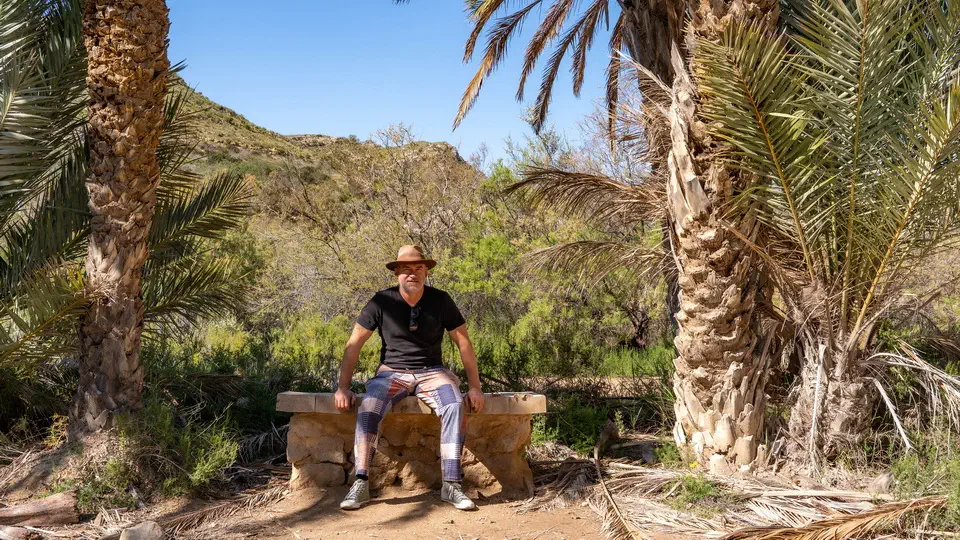
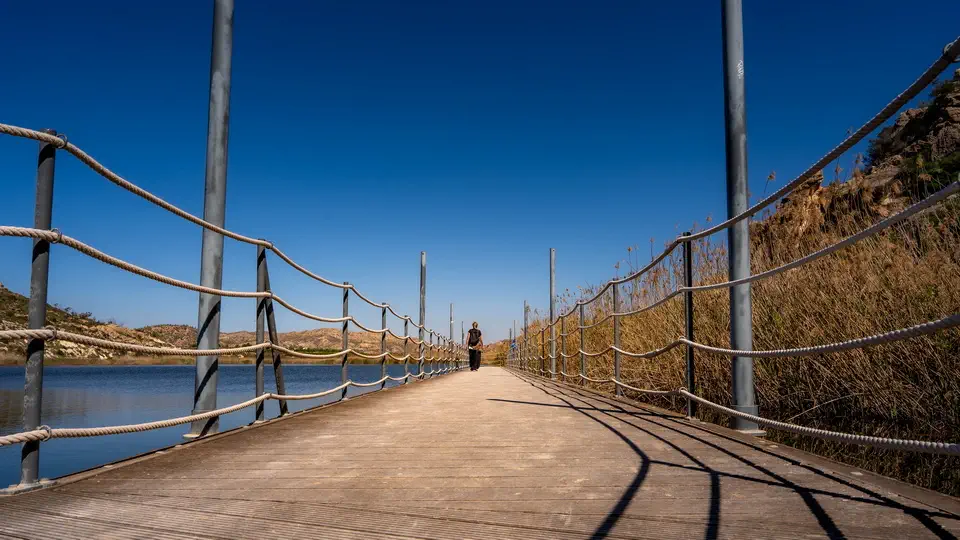
Don’t expect a typical sightseeing experience. It’s more about walking, light trekking, and soaking up the atmosphere. The most popular route is around 8 km long and follows the Vinalopó River all the way to the reservoir. Along the way, you’ll see wooden walkways, small bridges over the river, viewpoints, and information boards. The best moment of the trip? When you reach the dam and see water spilling over its edge – it looks like a natural waterfall. There’s also an interesting feature – a floating platform on the water that allows you to walk a short distance across the reservoir.
Now, a few practical details that will genuinely be helpful:
- Getting there – The easiest way is by car from Elche – about a 10-minute drive (5 km).
- Parking – There is a car park at the entrance – from there, it’s a 20–30-minute walk.
- Difficulty – Generally easy, but there are rocky sections, and it can be slippery after rain; not suitable for pushchairs or people with mobility issues.
- What to bring – Good footwear (this isn’t a promenade stroll), water (you’ll really need it in summer), a hat and sunscreen, a camera or phone – the photos turn out great.
- When to go – Spring and autumn offer the best conditions; in summer it gets very hot, while winter is calm and pleasant (as long as it’s not raining).
- How long to spend – Allow at least 2–3 hours, ideally half a day.
What to see nearby
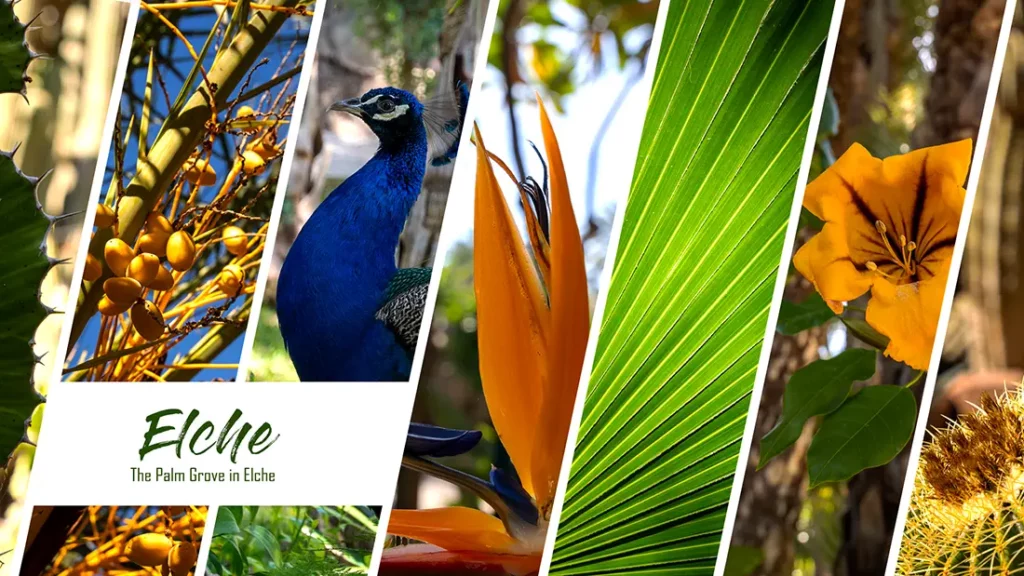
If you’re already here, it would be a shame to head back straight away. There are several interesting places nearby:
- Elche – the city of palms, home to a UNESCO-listed palm grove
- The Palmeral of Elche – the largest palm grove in Europe
- El Cau de Elche – an open-air sculpture museum carved into rock
- Walking and cycling routes along the Vinalopó River
- Small viewpoints and old water mills
Interesting facts about Pantano de Elche
- t is one of the oldest functioning reservoirs in Spain.
- Construction began in the 17th century, in 1632.
- It is considered one of the first modern arch dams in Europe.
- It was built mainly for agriculture and irrigation.
- It is closely linked to the development of Elche’s famous palm grove.
- In 1793, it was partially destroyed by a flood.
- Over the years, it has been repaired and modernised many times.
- In 1995, a sluice failure led to the reservoir being drained.
- Its current state is the result of restoration completed in 2008.
- It has heritage status as a Bien de Interés Cultural.
- It is located just 5 km from the centre of Elche.
- Wetlands of high ecological value have formed around the reservoir.
- It is an important site for waterfowl and migratory birds.
- The reservoir is partially silted, which affects its appearance.
- The dam is approximately 22 metres high.
- It was once used for electricity generation.
- There are old mills and irrigation channels in the area.
- A popular walking and cycling route runs through the site.
- In 2019, a floating walkway was added.
- It is one of the best places in the area for a peaceful walk away from the tourist crowds.