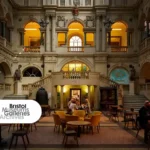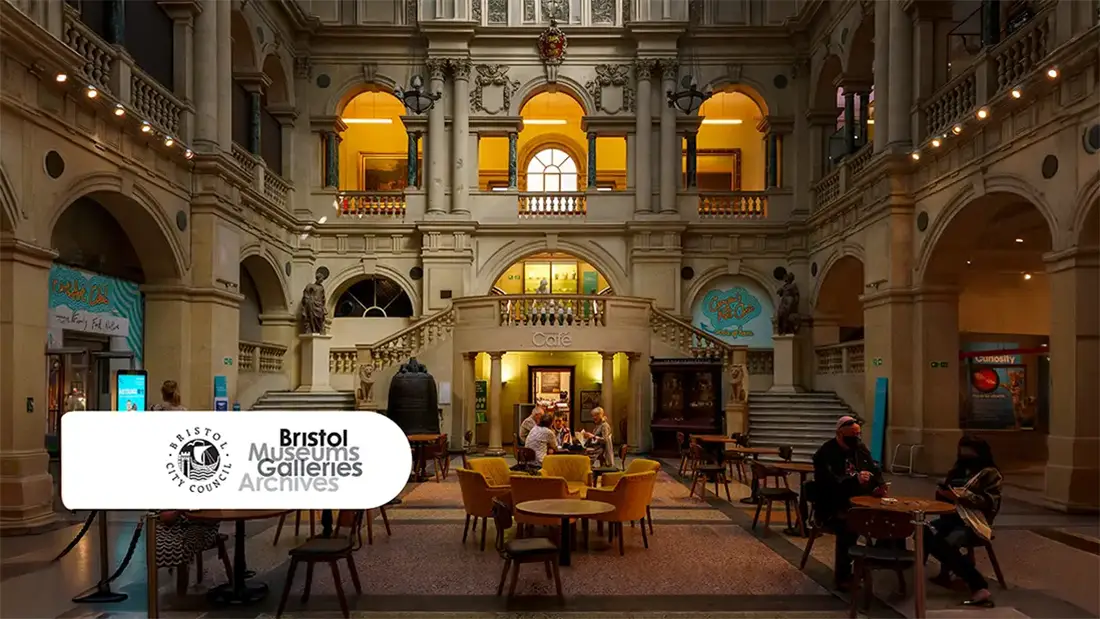
Bristol Museum & Art Gallery is one of the city’s most remarkable attractions.
They say that you can judge a city by the museums it offers. If we were to apply this principle to Bristol, the capital of South West England, we would have to conclude that it is an fascinating place. Those who love treasures displayed in glass cases, as well as visitors who enjoy browsing old, dusty volumes, will find plenty here to keep them occupied. Bristol Museum & Art Gallery is part of the Bristol Museums group, which also includes M Shed, The Georgian House Museum, The Red Lodge Museum, Blaise Museum and Bristol Archives.
Bristol Museum & Art Gallery – a museum of art in Bristol
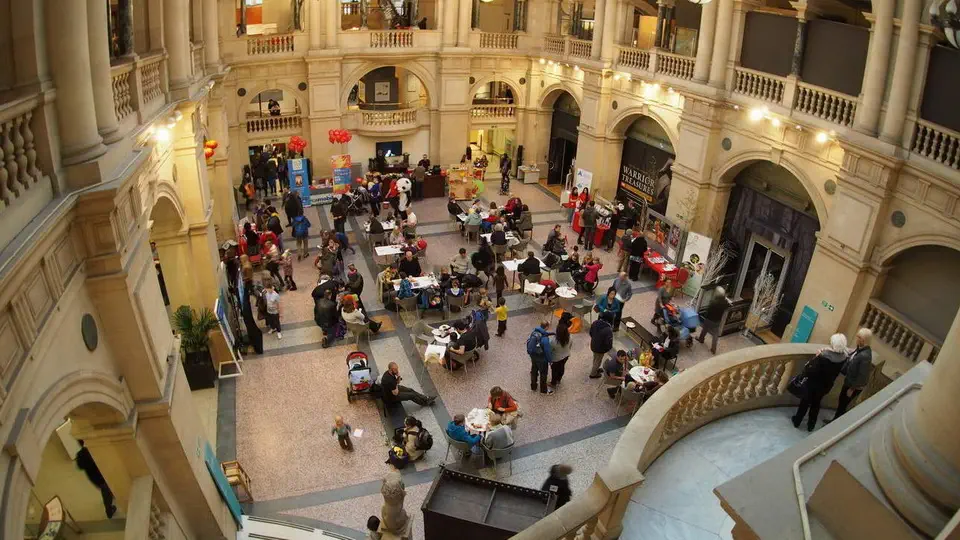
Like many publicly funded museums in Britain, Bristol Museum & Art Gallery offers free admission. Of course, visitors are welcome to leave a donation, although the amount is entirely up to them. It is considered good practice to put around £5 into the donation box near the exit, provided you feel that the institution deserves it. Personally, and I don’t think I am alone in this opinion, I believe Bristol’s museum is worth considerably more. Before telling you what you can discover inside its extensive galleries. However, I would like to share a little of its history.
The history of Bristol Museum & Art Gallery
Bristol Museum & Art Gallery was originally intended to become the largest museum of art in this part of England. It was established in 1823 as the Institution for the Advancement of Science and Art. Initially, the institution was housed some distance from its present location, in premises belonging to the university library, a few hundred metres further down Park Street. The museum moved to its current home at the top of Park Street in April 1872. The building was constructed close to the former Bishop’s College church, which at the time housed Bristol’s public library.
Following lengthy negotiations with the owners of neighbouring properties, the city of Bristol finally purchased the land around the top of Park Street in 1899. Construction of a modern home for the city’s museum then began, and the institution has remained here ever since. Initially, it was known as the Museum of Antiquities, and its first exhibits included treasures from ancient Assyria, Egypt, Greece, and Rome. A natural history exhibition was added later. At first, it was relatively small and bore little resemblance to the enormous collections displayed at the American Museum of Natural History in New York.
We were fortunate enough to visit that American institution some time ago, and I am still impressed by what we saw. In Bristol, the natural history collection initially occupied just one room. However, as interest in the history of the natural world grew, the collection expanded, and today visitors can admire a substantial range of artefacts and specimens.
Bristol Museum & Art Gallery in the twentieth century
In 1906, the museum gained additional space when it was separated from the public library, which moved to College Green. Today, this area is home to the beautiful Bristol Temple Meads is further away, but the city centre also boasts the magnificent Bristol Cathedral and the City Hall. For a while, the museum, and the University of Bristol were involved in discussions over the space left behind by the former library. An ambitious redevelopment plan was proposed, one that would have transformed the entire neighbourhood beyond recognition. Unfortunately, the outbreak of the First World War brought all preparations to a halt.
During the war, most of the exhibits from the upper floors were moved to the basements and lower levels of the building. Their former rooms were occupied by soldiers stationed in Bristol. The first half of the twentieth century was not particularly kind to the Museum & Art Gallery. In 1940, during one of the numerous bombing raids on the city, a bomb struck the oldest part of the building. It happened during the Bristol Blitz, a series of German air raids intended to destroy the city’s infrastructure and surrounding areas.
Irreplaceable exhibits lost forever
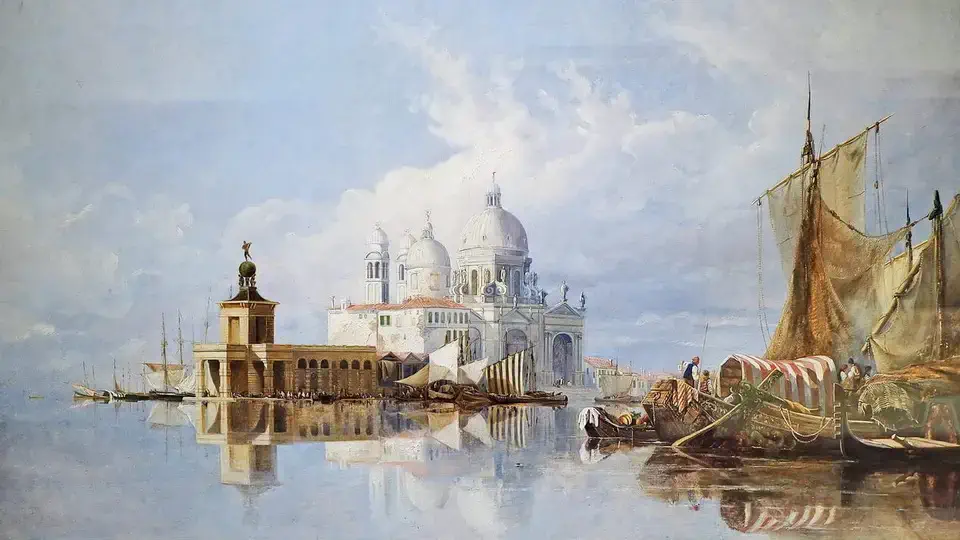
During that unfortunate night, more than 17,000 exhibits from the Natural History Department were destroyed by the bomb. The fire that broke out following the raid also consumed part of the Art Gallery. Fortunately, the most valuable works had been moved elsewhere just a few days earlier. After the war, financial difficulties forced the museum to sell its oldest section to the University of Bristol. The premises would eventually become home to Brown’s Restaurant, which is still operating today.
In the 1970s, plans were drawn up to build an entirely new museum. The proposed location was what is now Castle Park, where the ruins of an old church can still be seen beside the River Avon. However, financial considerations meant that the project never got off the ground. The city authorities eventually calculated that renovating and modernising the existing building would be considerably cheaper.
Banksy – the street artist from Bristol
The Bristol Museum & Art Gallery attracted widespread attention again in 2009, when more than 70 works by the well-known artist Banksy became part of its collection. They included drawings and multimedia installations created by the artist, who comes from Bristol. Banksy has been a well-known street artist since the early 1990s, and it was here in Bristol that his artistic style developed into what we recognise today.
The artist is famed for his dark sense of humour, expressed through amusing yet thought-provoking images. He creates them in all sorts of locations around the world. In addition to his artistic work, Banksy is an active political campaigner and filmmaker. His creations often expose the mistakes and absurdities of those who govern our world. Some politicians have described him as a vandal or even a criminal who encourages social unrest. None of this has stopped his work from achieving extraordinary prices at international art auctions. What might appear to be ordinary drawings on walls, doors or even rubbish bins can sell for millions of pounds. Reproductions of Banksy’s work are available in souvenir shops almost everywhere. We even came across T-shirts featuring his artwork in distant Cambodia.
Banksy is an extremely mysterious figure
The artist remains an extraordinarily mysterious character. Nobody can say with absolute certainty who the famous Banksy really is. One conspiracy theory suggests that Banksy is not an individual at all, but rather a group of artists working under a shared name. Supporters of this theory point to several occasions when works attributed to Banksy appeared in wholly different locations at almost the same time.
Naturally, discovering Banksy’s identity has become a popular pastime. Many people have devoted considerable time and effort to the mystery, some almost professionally. Yet, to this day, nobody has conclusively established who is hiding behind the familiar pseudonym. Several theories point towards particular individuals, including:
- Robert Del Naja – The frontman of Massive Attack, a well-known music group originating from Bristol. People have drawn this connection partly because Banksy appears to admire the band’s music, whose influence can sometimes be detected in his work.
- Jamie Hewlett – Another artist sometimes mentioned as a possible Banksy is the well-known graphic designer and comic-book creator. He became famous for the Tank Girl comic series and for creating the visual identity of the Gorillaz band. His artistic style is also occasionally associated with Banksy’s work.
There are plenty of other names suggested by enthusiasts, although many of these theories are considerably less convincing and sometimes rather far-fetched.
Bristol Museum & Art Gallery today
Bristol Museum & Art Gallery offers an enjoyable opportunity to spend several hours exploring its many galleries and exhibitions. The collections include works of art and artefacts brought together from almost every corner of the world. This is hardly surprising when you remember that, not so long ago, the British ruled over a large part of the world and often regarded themselves as its rightful owners.
The museum is spread across three floors, each offering a natural division based on subject and historical period. I recommend starting at the top. This might seem contrary to what some guidebooks suggest, but experience has taught me that after several hours of sightseeing it becomes difficult to concentrate on paintings or Chinese ceramics, many of which are displayed on the second floor.
Bristol Museum & Art Gallery – the second floor
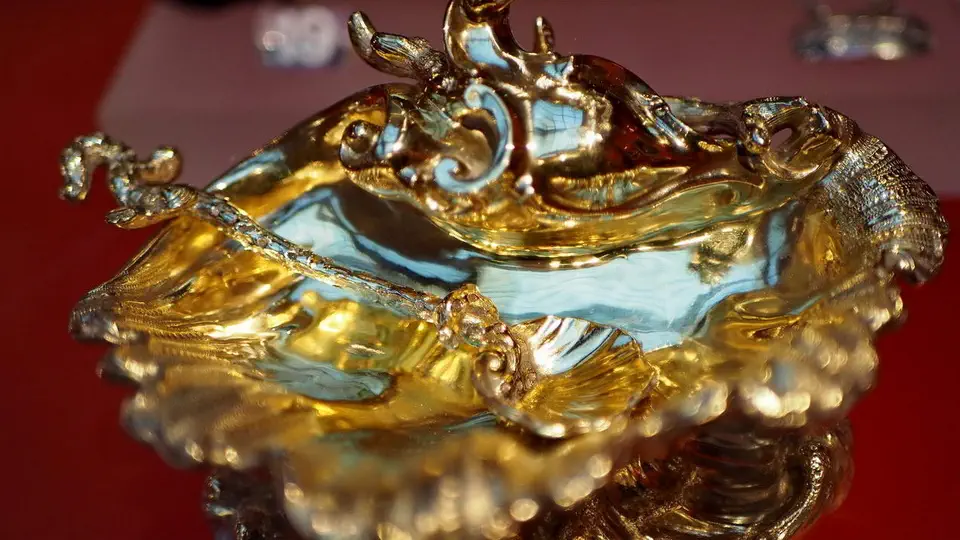
Following my advice, we will begin our visit at the very top of the building. The second floor houses the art galleries, featuring paintings and sculptures by British and European artists. Most of the works date from the Enlightenment and the early period of British Romanticism. There are also plenty of pieces from the Victorian era, with all its rather excessive prudishness.
And speaking of old paintings and Victorian sensibilities, religious art naturally has its place here too. Bristol Museum & Art Gallery contains a considerable collection of works associated with religious themes. The ceramics galleries display objects from Asia and Eastern Europe. Particularly interesting is the collection of porcelain and pottery from several celebrated Chinese dynasties. There is also a selection of glassware from Japan and other parts of the region, as well as the famous blue glass manufactured in Bristol.
The exhibits on this floor cover a considerable range of periods and styles. It is well worth taking the time to explore them, as some of the objects on display are genuinely unusual and quite rare. The silver collections are a particularly good example. Some pieces originated in British collections, while others were made in different parts of the world. Among them are several examples of silverware donated to the museum by the French authorities.
As you wander through the quiet rooms, surrounded by beautiful paintings or glass cabinets filled with Chinese ceramics, it is easy to see why I suggested starting here. Relatively few visitors make it to this part of the museum, and many of the galleries are almost deserted. This makes the experience of viewing the collections considerably more enjoyable. Another advantage is that museum staff, who sometimes seem to have little else to do when the galleries are quiet, are more than happy to tell visitors the stories behind the objects.
Bristol Museum & Art Gallery – the first floor
Unlike the upper floor, the collections on the first floor were created not by human hands but by nature itself. The display cases in this part of Bristol Museum & Art Gallery contain exhibits connected with life on Earth in its broadest sense. The oldest collections include minerals and fossils. You can see dinosaur skeletons alongside the remains of animals that lived much more recently.
The botanical and natural history collections in Bristol Museum
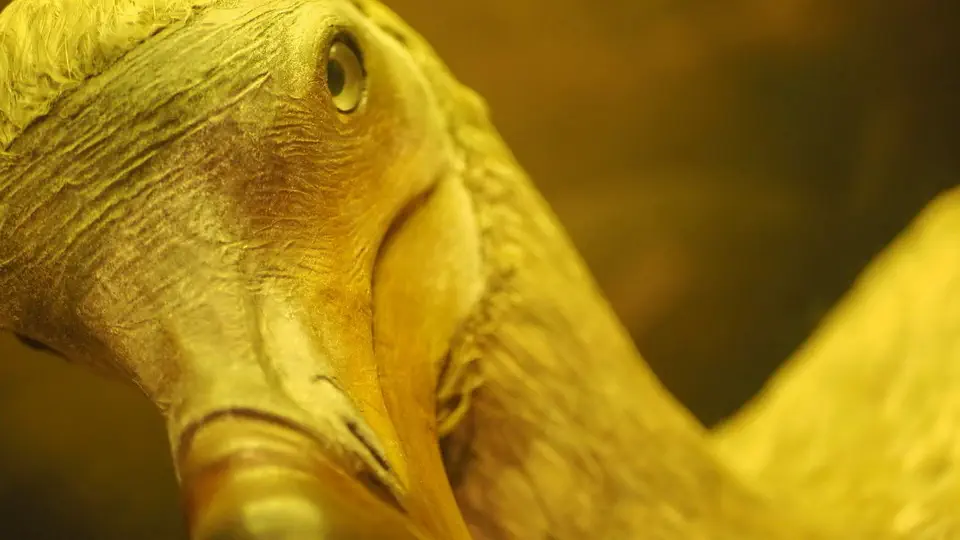
The natural history department focuses primarily on the fauna and flora of the British Isles, although its collections extend much further afield. Visitors can see animals, plants, and insects that exist today, as well as species that have long since disappeared. One particularly striking example is the preserved body of a dodo. This flightless bird once lived in considerable numbers on the island of Mauritius but was hunted to extinction in the seventeenth century. Its disappearance was apparently helped along by the excellent taste of its meat.
The museum’s display cases contain numerous bird species, each accompanied by detailed descriptions. The exhibits show not only the animals themselves but also the environments in which they live and the conditions they need to survive. There is plenty of interesting information about the role individual species play in our enormous ecosystem.
Another famous specimen displayed here is a gorilla called Alfred. The enormous ape arrived at Bristol Zoo in 1930 as a two-year-old youngster. Residents quickly fell in love with him, and he soon became something of a city mascot. When Alfred died in 1948, Bristol officially went into mourning. Today, his preserved body can be seen in the museum, accompanied by various other animals. The display cases contain tigers, monkeys, antelopes and many other creatures.
If you enjoy discovering places where nature and history come together, you might also like our article about Aerospace Bristol. Although it explores a wholly different subject, it offers another fascinating insight into the city’s scientific and technological heritage.
The geological collection at Bristol Museum
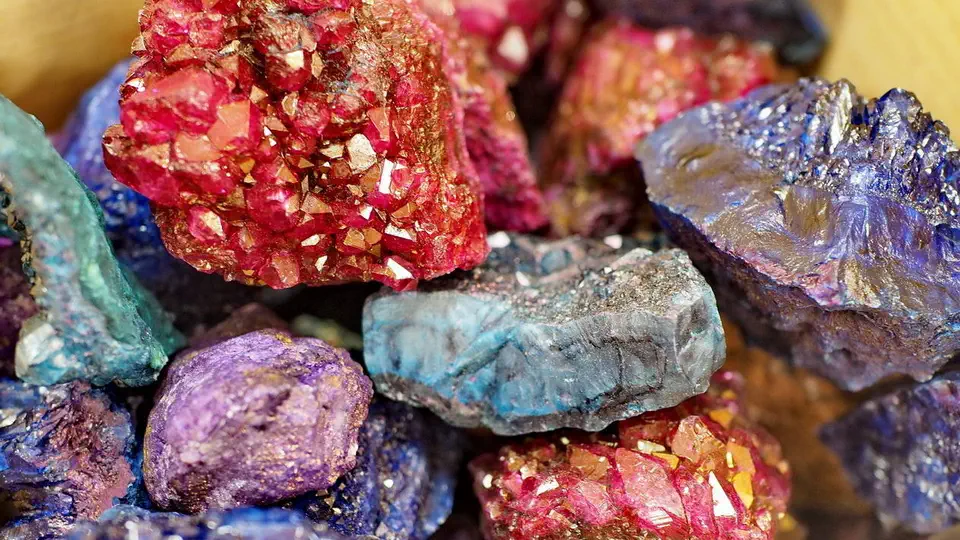
One of the most interesting sections is devoted to geology. Hundreds, if not thousands, of exhibits have been collected here. You can admire beautiful crystals extracted from deep beneath the Earth’s surface and discover what an uncut diamond or other precious stone looks like. Gold, silver and various other valuable metals are also on display. Most are presented first in their natural or form and then as processed materials.
Every exhibit is accompanied by information explaining where it was found and what natural processes had to take place for the crystal or mineral to form. In my opinion, this is one of the most interesting parts of the museum and a place where you can learn a great deal. Attractions like this can teach us more about nature and the world around us than dozens of hours spent sitting in a classroom.
This is also why Bristol Museum & Art Gallery attracts so many school groups. During these visits, teachers use the exhibits to explain scientific subjects in a simple and accessible way, helping children understand things that might otherwise seem rather abstract.
What else can you discover on the second floor of Bristol Museum? Quite a lot, actually. There are dinosaur skeletons, collections of coins and old maps. The balconies and galleries surrounding the enormous central hall contain displays illustrating how Bristol has changed over the centuries. Some rooms are also used for temporary and special exhibitions. Not so long ago, visitors could admire works by Leonardo da Vinci, while another exhibition featured traditional weaving from Central Africa.
Bristol Museum & Art Gallery – the ground floor
Eventually, we reach the ground floor of the museum. This is an ideal opportunity to take a break and enjoy a coffee in the museum café. You can also use the toilets and allow younger visitors to spend some time in the play area specially prepared for them.
Refreshed by our coffee, we can begin exploring my favourite part of Bristol Museum: the Egyptian collection.
Life and death in ancient Egypt
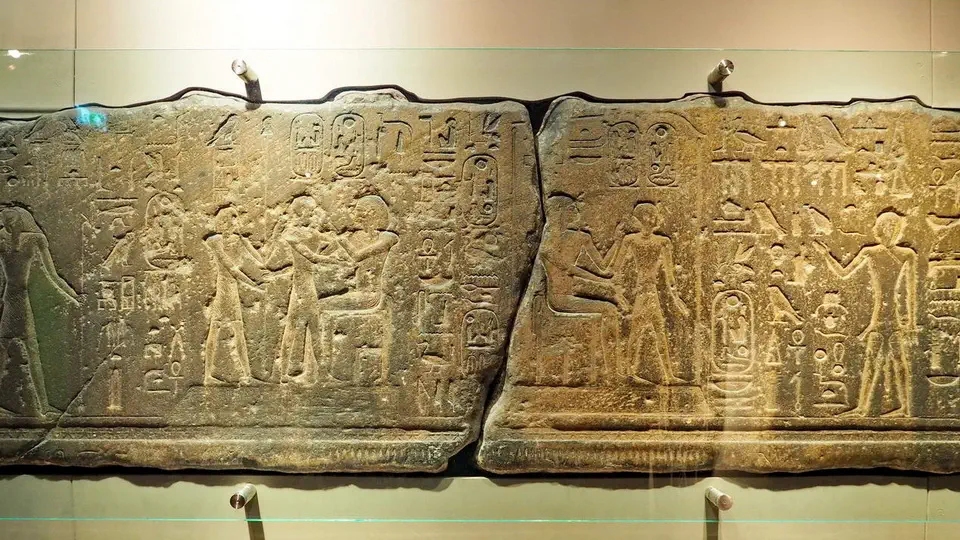
The exhibition devoted to life and death in ancient Egypt may not be particularly large, but it has an extraordinary atmosphere and an almost mysterious quality that makes you feel as though you have travelled back to those distant, mystical times.
The rooms containing the Egyptian collection are deliberately kept in semi-darkness, allowing visitors to concentrate on the artefacts illuminated inside glass display cases. And there is plenty to see. The mummies seem to stare at us with eyes that have not seen the world for thousands of years, almost offended that we dare to peer inside their dusty sarcophagi.
Nearby, you will find funerary masks and ritual figurines, as well as an entire collection of tools once used in the process of mummification. The exhibition includes not only human mummies but also the remains of animals buried alongside their owners. They stand silently in the shadows, and the expression ‘friends for eternity’ suddenly takes on a rather different meaning.
Death was a faithful companion to the ancient Egyptians
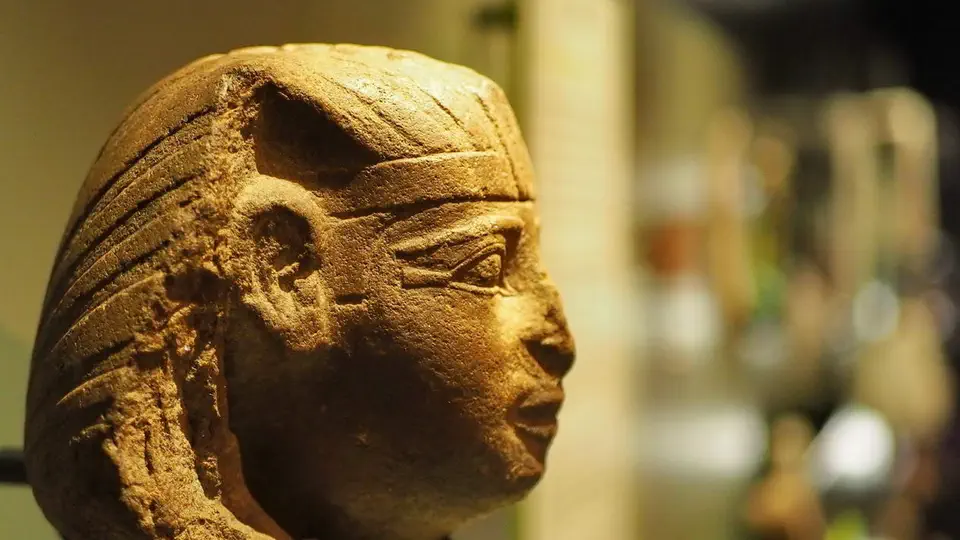
The objects gathered in this museum remind us how important death was in the lives of ancient Egyptians. It was almost celebrated as a living presence, deserving considerable time, attention, and resources. The process of mummification is a good example.
Contrary to what many of us believe about Egyptian mummies, the process was not reserved exclusively for pharaohs and their families. Anyone who could afford it could have their body preserved in this way. As you can see, money already ruled the world back then, not only among the living but also in the afterlife. The poor were simply buried in the sand, while the wealthy could enjoy an elaborate mummy and what they hoped would be a comfortable journey into the next world.
As you explore the Egyptian galleries, you may notice that many of the sarcophagi are empty. The reason lies in the rather unusual fascination with mummies that developed among Victorian residents of England. I have already written about this in our section on interesting travel facts, where you can discover what people used Egyptian mummies for after bringing them to Britain. The famous mummy-unwrapping parties became a surprisingly popular form of entertainment in Victorian drawing rooms.
I thoroughly recommend visiting this dark but fascinating section of Bristol Museum. The rooms containing Egyptian mummies are next to the exhibition devoted to ancient Mesopotamia.
Ancient Mesopotamia and Assyria
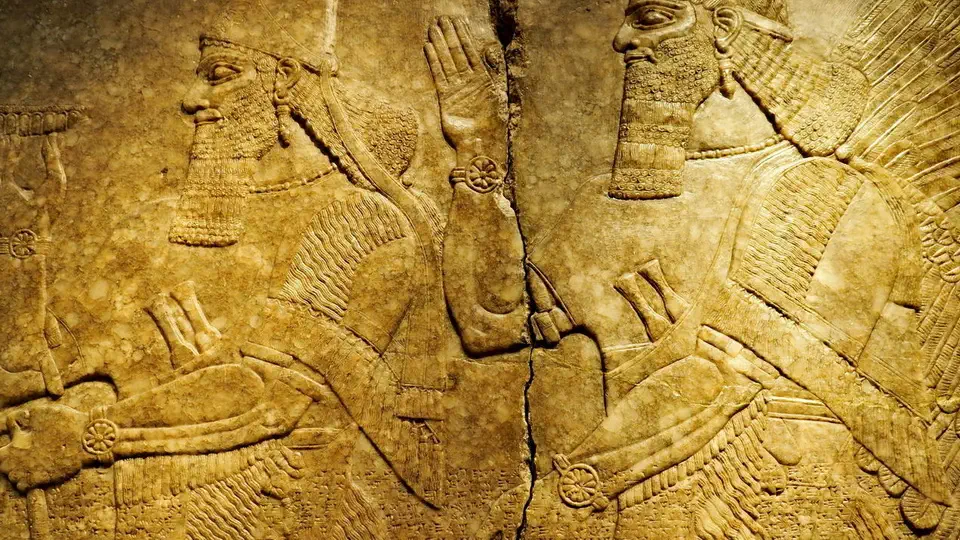
Assyria was once a genuine superpower of the ancient world. Trade was one of the main sources of its strength and helped the Assyrians establish control over almost the entire Middle East. It was one of the earliest sophisticated cultures to develop in this part of the world. Assyrian trading outposts could be found even in distant parts of Asia and far to the north.
In many respects, the strength of ancient Mesopotamia came from the shared cultural heritage of several peoples, including the Assyrians, Sumerians and Hurrians. Numerous wars and conquests eventually led to the unification of these lands, laying some foundations of the civilisation we know today.
Any written description of these events, however, can hardly compare with the knowledge you can gain by walking through galleries filled with objects and artefacts from those distant times. Seeing these pieces with your own eyes makes the history of ancient civilisations much easier to understand.
South West Wildlife – the natural world of south-west England
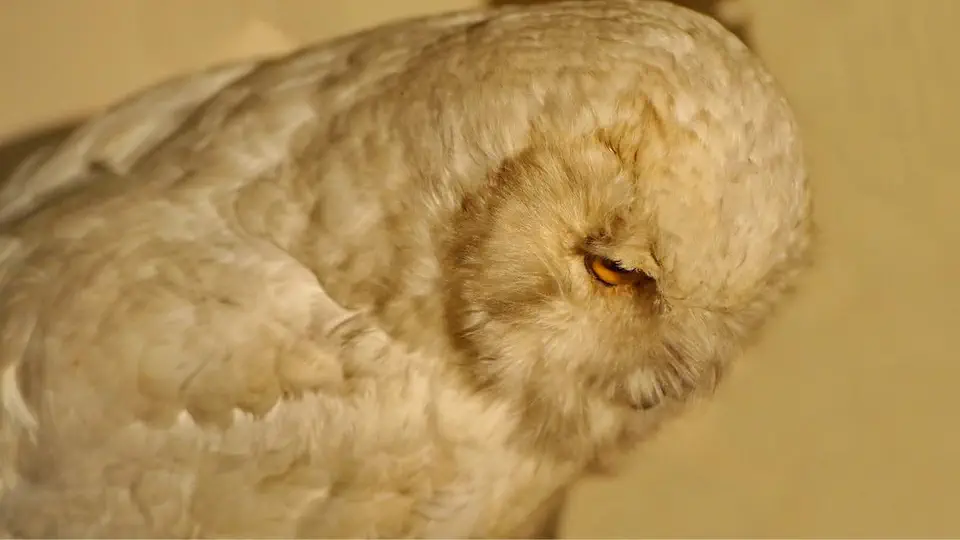
The final major section on the ground floor of Bristol Museum is called South West Wildlife. It is located to the left of the main entrance and is one of the places most frequently visited by school groups. It is worth waiting until the children have moved on to another part of the museum before exploring the exhibition in peace. Younger visitors tend to react very enthusiastically to the displays. Perhaps this is because the birds and animals behind the glass are creatures we might actually encounter in our streets, parks or beside local rivers and lakes.
Looking back at us from the display cases are familiar gulls, terns, sparrows, and many other common birds and animals. The descriptions accompanying each specimen provide plenty of information and often introduce details we might never have known before.
Occasionally, we overlook interesting facts that turn even the most familiar animals into genuine little heroes of the natural world. Did you know, for example, that the common herring gull is a remarkable flyer? It can travel hundreds of kilometres and, unlike many other birds, is capable of soaring even during powerful storms.
The exhibition also features a large map of South West England. You can discover what the seabed of the Bristol Channel and the nearby ocean looks like, as well as learn about local weather conditions and the changes that take place throughout the year.
This is a very fascinating section, and I would advise against skipping it. In addition to the exhibitions described above, the ground floor contains rooms used for temporary displays. Their subjects change from time to time, so before visiting the museum, it is worth checking the current programme on its official website.
And with that, we have reached the end of our tour of Bristol Museum & Art Gallery. I encourage everyone visiting the city to explore these beautiful rooms filled with display cases, paintings, and sculptures. Every object gathered here has a story to tell. If you take the time to look carefully, you will almost certainly discover one that captures your imagination and stays with you long after you leave.
Bristol Museum & Art Gallery – practical information
Unfortunately, because of its location, the museum does not have a dedicated car park for visitors. What’s more, parking directly on the streets surrounding the building is also difficult. Your best option is to look for a space in one of the nearby streets, several of which offer parking, or use a public car park located a few hundred metres away.
One possible parking location is: 25 Berkeley Place, Clifton, Bristol BS8 1EH, England.
If you are planning a longer visit to the city, I also recommend reading our guides to Clifton Suspension Bridge and Bristol Temple Meads. Both are excellent additions to a sightseeing itinerary.
Bristol Museum & Art Gallery – address and opening hours
- Bristol Museum & Art Gallery — Queens Road, Bristol, Bristol BS8 1RL England.
- Opening hours can be found on the museum’s official website. It is worth checking them before setting off, particularly if you are planning your visit around other attractions in the city.
- The Bristol Museum website also provides a link to a virtual tour, allowing you to explore the galleries without leaving home. This is particularly useful if the museum is temporarily closed for one reason or another, or if you simply want to see what awaits you before your visit.
Bristol Museum & Art Gallery – interesting facts
- Bristol Museum & Art Gallery houses the famous Bristol diamonds. These are actually various quartz found in considerable quantities around Bristol. Their crystals resemble diamonds in appearance. The expression ‘Bristol diamonds’ is sometimes used around the world as a synonym for something beautiful but ultimately of little monetary value.
- Admission to Bristol Museum, like many publicly funded museums in Britain, is free. There is a donation box near the exit where visitors can leave a contribution towards the museum’s upkeep.
- The museum organises educational activities for both children and adults. Details of upcoming events and workshops can be found on its official website.
- It is possible to organise a wedding ceremony inside the museum’s galleries. Just imagine exchanging your vows surrounded by paintings created by the great masters of European art. The museum also hosts other private events, including birthday parties, business meetings, celebrations, festive dinners and New Year’s Eve gatherings.
- Numerous regular events take place at Bristol Museum & Art Gallery every year. Chinese Culture Days and the popular Night at the Museum have both become established fixtures in its calendar.
- At the top of the museum building, high above the entrance, stand sculptures of three women. These stone figures represent three branches of the arts. The first is Architecture, holding a drawing board in her hands. The second represents Painting and is depicted with a palette and paintbrush. The third figure symbolises Sculpture and holds a damaged statue, apparently preparing to repair it. The sculptor responsible for these figures was William John Smith, who also created many of the other stone decorations that can be found throughout the building.
- The museum has an enormous collection of stuffed birds. More than 7,500 specimens are held in Bristol, making it one of the most impressive collections of its kind in the world.
- Bristol Museum & Art Gallery contains 19 galleries. Some are dedicated to several subjects, while others host temporary exhibitions. If the museum wanted to display every object in its collections simultaneously, it would need approximately five times the exhibition space currently available.
Suggested internal links used in the article: