Fascinating facts about fish are part of our collection exploring the many wonders of the world around us, where you can discover all kinds of interesting information about nature, history and everyday life.
Fish inhabit almost every aquatic environment on Earth. They live in mountain streams, lakes, rivers, coastal bays and the deepest parts of the oceans. Some amaze us with their colours, others grow to impressive sizes, while some can generate electric currents, change sex or survive in conditions that would be fatal to most other animals.
Fish have also accompanied humans for thousands of years. They are an important part of cuisines around the world, a valuable commodity in international trade and a source of livelihood for coastal communities, as well as the protagonists of countless legends. Their story is closely connected with the development of ancient civilisations, modern science, wildlife conservation and the global food industry.
Interesting Facts About Fish and Their History

- Fish appeared on Earth hundreds of millions of years ago. Their earliest ancestors lived in the oceans long before dinosaurs appeared, and the evolution of this group eventually produced an extraordinary variety of shapes, sizes, and ways of life.
- Fish are among the oldest vertebrates. Over the course of evolution, they developed numerous anatomical adaptations, some of which later appeared in other groups of animals, including sophisticated sensory organs and different ways of moving through their environment.
- Ancient fish did not always resemble the species we know today. Some extinct forms had bony armour instead of typical scales, and their appearance differed considerably from what we now associate with the inhabitants of rivers and oceans.
- Fish played an important role in the lives of the ancient Egyptians. The Nile provided food for local communities, while fish appeared in art and were used in everyday life. Certain species were also raised in ancient artificial ponds and water enclosures.
- The Chinese developed fish farming in ancient times. Carp have been raised in ponds for thousands of years, and methods were gradually developed to increase food production without having to rely entirely on catching fish in natural waters.
- Carp became an important part of European pond farming. During the Middle Ages, carp breeding developed around monasteries, among other places, where ponds provided a reliable supply of food during periods when the consumption of certain types of meat was restricted.
- Fish helped coastal communities survive. At a time when land transport was difficult and expensive, fishing provided local food supplies, while drying, salting and smoking allowed catches to be preserved for much longer.
- Salt transformed the history of the fish trade. Preserving fish with salt made it possible to transport them far beyond the places where they were caught. Herring and cod became important commodities, contributing to the growth of ports and the prosperity of many towns.
- Herring could influence the fortunes of European cities. Fishing and trading in herring were essential to communities around the Baltic Sea and across Northern Europe. This fish was not merely a source of food, but also a significant part of the economy and local traditions.
- Fishponds were valuable assets during the Middle Ages. Building and maintaining them required labour, suitable terrain and careful water management, so well-run fish farms played an important economic role for monasteries and landowners.
- The development of the railways transformed the fresh fish trade. Faster transport made it possible to deliver catches to towns far from the coast. As refrigeration technology improved, fish began reaching markets in greater quantities and in better condition.
- Fishing has a very long history. People caught fish using simple hooks, lines, traps, and spears as far back as prehistoric times. Over the centuries, their equipment became more sophisticated, and fishing gradually developed into a recreational activity as well.
- Fish were important during religious fasting periods in the past. In many European communities, they became a staple food when restrictions applied to the consumption of certain types of meat. These customs influenced the development of regional recipes and culinary traditions.
- The first aquariums were primarily decorative. People had kept fish in containers for a long time, but it was only later, as knowledge of water oxygenation, filtration, and temperature control improved, that they became capable of maintaining suitable conditions for many species over extended periods.
- Goldfish descend from the Prussian carp, a type of Asian carp known as the crucian carp in English. Over many generations, breeders selected individuals with particular colours and body shapes, producing the numerous ornamental varieties now found in aquariums around the world.
- Sharks have survived many changes in Earth’s history. Their ancestors appeared hundreds of millions of years ago, and various evolutionary lineages survived successive mass extinctions. Modern sharks are highly diverse, however, and not all species have similar lifestyles.
- Fish fossils help scientists reconstruct ancient environments. Their remains are found in rocks formed on the beds of prehistoric seas and lakes. By studying these fossils, researchers investigate climate change, animal evolution and the history of continents.
- Some fish are living witnesses to ancient evolutionary history. The coelacanth, sometimes called a living fossil, belongs to an extraordinary group known as lobe-finned fish. For a long time, scientists knew it only from fossils, until a living specimen was discovered in 1938.
- Scientific discoveries have transformed our understanding of fish migration. In the past, it was difficult to explain where eels and salmon went after leaving familiar fishing grounds. Research, tagging and modern tracking technology have helped scientists learn more about their remarkable journeys.
- The history of fish is also a story of wildlife conservation. Industrial fishing increased the availability of food, but it also exposed the problem of overfishing. Modern research helps establish catch limits, protect habitats and rebuild threatened populations.
Interesting Facts About Freshwater Fish: Remarkable Creatures of Our Rivers and Lakes
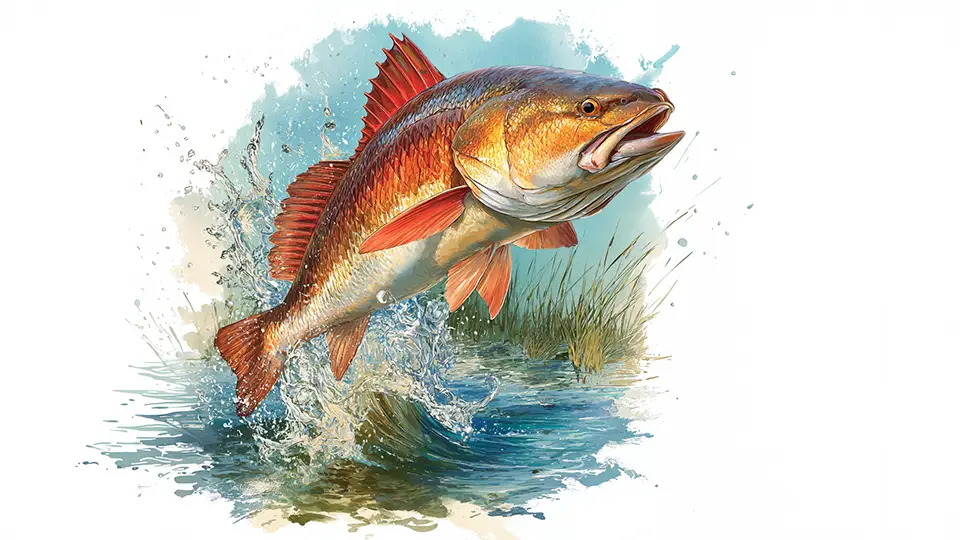
- The northern pike is one of the most distinctive predators in Polish lakes. It has an elongated body, a broad snout and sharp teeth that help it catch prey. It usually hunts from ambush, using aquatic vegetation as natural cover.
- The European catfish can grow to an impressive size. It is one of the largest freshwater fish native to Europe, reaching several metres in length. Its broad mouth and distinctive whisker-like barbels make it difficult to confuse with other species.
- Carp can adapt to various environmental conditions. They are found in ponds, lakes and slow-flowing rivers, where they feed mainly near the bottom, searching for small invertebrates, insect larvae and plant matter.
- Brown trout prefer cool, well-oxygenated water. They are commonly found in mountain streams and rivers with rocky sections and plenty of places to shelter. Their presence can indicate favourable environmental conditions, although it is not the only measure of water quality.
- The European perch has distinctive dark stripes along its sides. This predator inhabits many lakes and rivers across Europe. Young perch often live in groups, whereas larger individuals are more likely to hunt alone, feeding on small fish and other aquatic organisms.
- The common roach is one of the most widespread freshwater fish. It can be found in lakes, ponds and rivers, feeding on both small animals and plant matter. It is also an important source of food for many predators.
- The tench can thrive in waters with abundant vegetation. It prefers calm environments where it can find food and shelter. Its small scales are deeply embedded in the skin, while a layer of mucus covers its body, reducing friction and helping to protect the skin’s surface.
- Crucian carp can survive in challenging conditions. Some species and populations tolerate low oxygen levels and temporary deterioration in water quality remarkably well. Their specialised metabolic adaptations allow them to survive circumstances that many other freshwater fish would struggle to endure.
- Rainbow trout originate from North America. They have been introduced to many countries, where they are farmed and used in fisheries. Their rapid growth and ability to adapt to different farming systems have made them an important species in global aquaculture.
- The European eel spends part of its life in freshwater and part in the sea. Adult eels migrate to the Sargasso Sea to spawn, while young eels subsequently travel towards European coastlines and rivers. Their life cycle is one of the most extraordinary among fish.
- Cichlids are known for their varied parental behaviours. Many species inhabit African lakes, as well as waters in South and Central America. Some guard their eggs, others protect their young, and certain species carry their offspring inside their mouths to keep them safe.
- Piranhas have a much more varied diet than films might suggest. Not all species are specialised predators that hunt large animals. Depending on the species and the food available, they eat smaller fish, invertebrates, and even parts of plants.
- The arapaima is one of the largest freshwater fish in the world. It inhabits the Amazon Basin and can grow to several metres in length. Interestingly, it regularly surfaces to breathe air because, in addition to its gills, it has an organ that allows it to use atmospheric oxygen.
- Some gourami fish can breathe air. Found in the warm waters of Asia, these fish possess a specialised organ called a labyrinth organ, which enables them to take in atmospheric oxygen. This adaptation helps them survive in water where dissolved oxygen levels are low.
- Catfish can use their barbels to search for food. These whisker-like structures contain sensory receptors that help the fish explore their surroundings and locate something to eat. They are particularly useful when feeding in murky water or in poor light.
- Some freshwater fish can change colour. Their colouring may depend on their age, physiological condition, surroundings, and behaviour. For certain species, changing colour helps them hide from predators or communicate with other individuals.
- Trout and salmon belong to the salmonid family. They share several characteristics, including a similar body structure and a small adipose fin between the dorsal and tail fins. Many salmonids are adapted to life in cool, well-oxygenated water.
- Freshwater fish must cope with water entering their bodies. Water passes through their body surfaces and gills by osmosis, so their kidneys and other regulatory mechanisms help remove excess water and maintain the correct balance of mineral salts.
- Some fish can travel short distances over land. Asian climbing perch, for example, have specialised adaptations that allow them to move outside the water. This behaviour can help them find new habitats when their existing water sources become inaccessible.
- Freshwater fish play an important role in food chains. They feed on insect larvae, crustaceans, plankton and plants, while becoming prey for birds, mammals and larger fish. Their presence helps maintain the ecological balance of lakes, rivers, and ponds.
Interesting Facts About Marine Fish: The Mysterious Inhabitants of the Deep
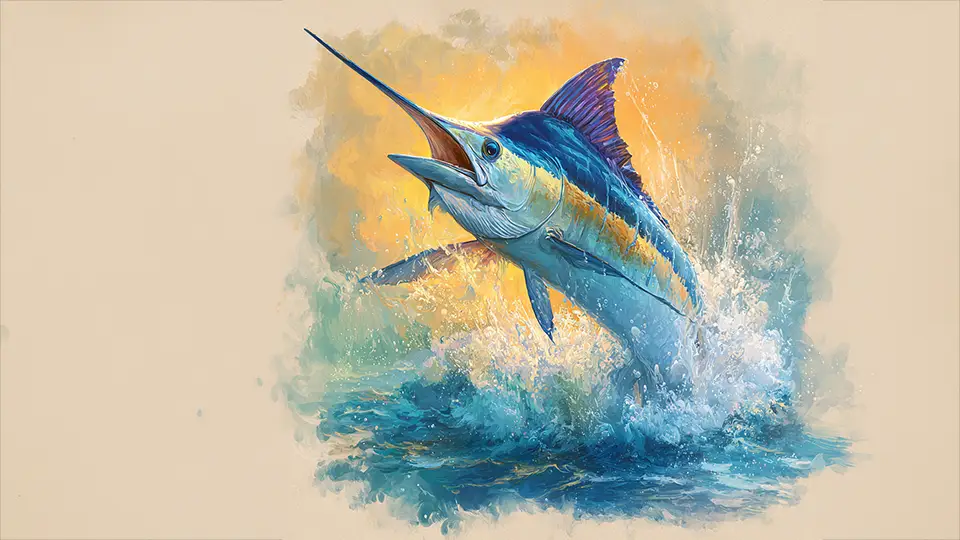
- The whale shark is the largest fish alive today. Despite its enormous size, it feeds mainly on plankton and tiny organisms. It swims with its mouth open, filtering food from the water, and its generally peaceful behaviour makes it a favourite among people who enjoy observing marine life underwater.
- The great white shark has exceptionally well-developed senses. It can detect scents, movements in the water and weak electrical signals associated with the activity of other animals. These abilities help it hunt, although they do not mean that it can detect every potential prey animal in its surroundings without fail.
- The giant manta ray is an enormous fish with a flattened body. Its broad fins resemble wings, making it look as though it is flying underwater as it swims. Despite its impressive appearance, it feeds primarily on plankton and small organisms suspended in the water.
- Clownfish live in a close relationship with sea anemones. Their skin is adapted to contact with the host’s stinging tentacles, allowing them to find shelter among its arms. This relationship benefits both organisms, although the precise details depend on the species and environmental conditions.
- Seahorses swim in an unusual way. They move mainly using a small dorsal fin, while their pectoral fins help them steer. Their upright posture, horse-like head and prehensile tail make them among the most recognisable marine fish.
- Male seahorses carry developing offspring. The female deposits her eggs into a special brood pouch on the male, where further development takes place. Once the pregnancy is complete, the male releases the young, which must fend for themselves in the marine environment from the moment they emerge.
- Flying fish can glide above the surface of the sea. They accelerate underwater, leap above the waves and spread their enlarged pectoral fins. This allows them to travel considerable distances through the air, helping them escape predators pursuing them beneath the surface.
- Pufferfish defend themselves by inflating their bodies. Swallowing water makes them considerably larger and more difficult to grasp. Many species also contain toxins, so pufferfish should never be considered safe to eat without specialist knowledge and appropriate preparation.
- Tuna are exceptionally powerful swimmers. Their streamlined bodies, strong muscles and specially shaped fins allow them to cover great distances. Some species can maintain parts of their bodies at temperatures above that of the surrounding water, supporting their activity while hunting.
- Moray eels often hide in rocky crevices. These predatory marine fish have elongated bodies and broad mouths lined with teeth. Their habit of repeatedly opening their mouths can look threatening, but it usually helps water pass over their gills rather than automatically signalling an impending attack.
- Anglerfish use an unusual lure to catch prey. In many deep-sea species, a modified fin ray extends from the head like a fishing rod, with a tip that attracts potential prey. In the darkness of the ocean, this hunting technique gives the predator an advantage by encouraging other animals to approach within striking distance.
- Deep oceans are home to fish adapted to darkness. Many have large eyes, highly sensitive sensory organs or the ability to produce light. Surviving in these conditions requires adaptations to extreme pressure, low temperatures and limited food supplies.
- Coelacanths live in deep marine waters. These extraordinary lobe-finned fish were known to scientists only from fossils for a long time. Their discovery alive in the twentieth century became one of the most surprising events in the history of fish research.
- Parrotfish help shape coral reefs. Many species scrape algae and tiny organisms from the surfaces of rocks and corals. As they feed, they also ingest small amounts of calcareous material, which can later be excreted as fine sediment after digestion.
- Some marine fish change sex during their lives. This occurs in certain wrasses and groupers, among other groups. The change may be associated with social hierarchy, the availability of mates and environmental conditions, although the process varies between species.
- The electric eel is not a marine eel. Despite its name, it lives in the freshwater rivers and wetlands of South America and belongs to a group of fish capable of producing powerful electrical discharges. It uses these discharges both to stun prey and to defend itself against threats.
- Sardines form enormous shoals. Swimming in groups helps reduce the risk of being caught by predators, as it makes it more difficult to single out an individual fish. Shoals can move in a coordinated fashion, creating spectacular formations that change shape beneath the water.
- Atlantic cod has been economically important for centuries. Its flesh can be dried, salted and frozen, making it a valuable commodity in trade between countries. However, overfishing has caused serious declines in cod populations in some regions.
- Fish living around coral reefs often have brightly coloured bodies. Intense colours can help them recognise members of their species, signal danger or blend into their complex surroundings. Coral reefs are among the most biodiverse marine environments on Earth.
- Not all marine fish live close to the surface. Many species inhabit the seabed, others live in the open water column, and some descend to enormous depths. These differences influence their anatomy, feeding habits and ability to survive in particular conditions.
- The deep sea is home to many extraordinary creatures besides fish, including fascinating jellyfish that have evolved to survive in the ocean’s remarkable underwater environments.
Interesting Facts About Fish in Cuisines Around the World
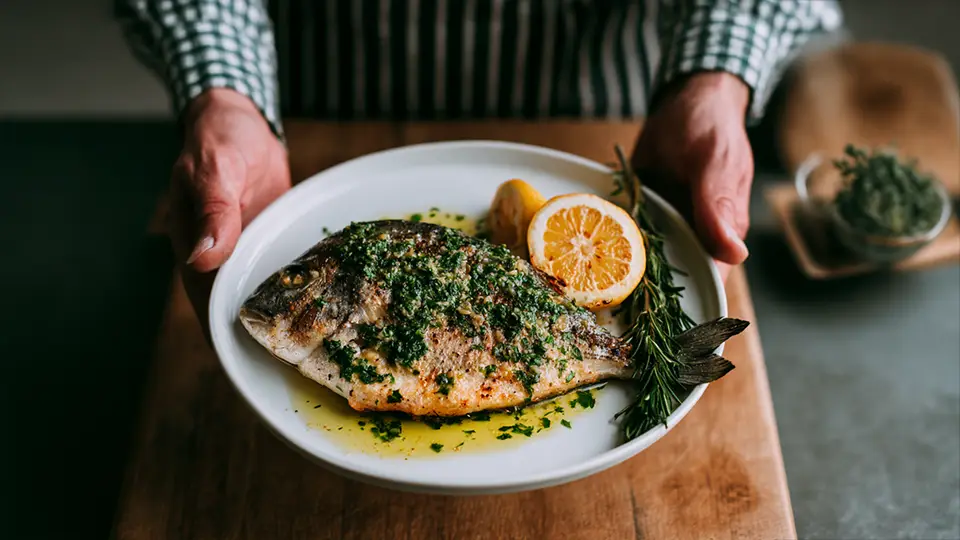
- Herring has occupied an important place in northern European cuisine for centuries. It can be salted, pickled, smoked or served with onions, cream, and spices. In Poland, it is particularly associated with festive traditions and regional recipes from Pomerania and Kashubia.
- Kashubian-style herring has many homemade variations. Popular recipes combine the fish with onions, tomatoes, and spices to create a distinctive sweet-and-sour flavour. If you are interested in regional culinary traditions, look out for our recipe for Kashubian-style herring.
- Sushi developed from traditional fish-preservation techniques. Early methods involved fermenting fish with rice, which helped preserve it. Modern sushi comes in many forms, with vinegar-seasoned rice becoming one of its most characteristic ingredients.
- Sashimi is not the same as sushi. In Japanese cuisine, sashimi consists of thinly sliced fish or other seafood served without the portion of seasoned rice associated with sushi. The quality of the ingredients, hygiene and proper storage are particularly important.
- Cod is the traditional choice for British fish and chips. The fish is coated in batter, deep-fried and served with chips. Depending on the region and restaurant, other species, such as haddock, are sometimes used instead.
- Norwegians have preserved cod by drying it for centuries. Traditional stockfish is made by air-drying fish without the need for large quantities of salt. Suitable weather conditions allow the fish to be preserved for considerably longer than fresh fish.
- Italian cuisine uses fish in a wide variety of dishes. Coastal regions are known for fish soups, pasta dishes, grilled fish and recipes featuring tomatoes and herbs. Local cooking traditions often reflect the species available in nearby waters.
- Grilled fish is popular in Spain. Along the coast, restaurants serve fresh sardines, gilthead seabream and other species cooked over a grill. Simple cooking methods help preserve the fish’s natural flavour, complemented by lemon, olive oil and herbs.
- Paella can contain fish and seafood, but it does not always do so. This Spanish rice dish has many regional variations, with recipes using fish, prawns, mussels, meat, or vegetables. There is therefore no single version that represents every type of paella.
- In Portugal, bacalhau, or salted and dried cod, is a culinary symbol. It is prepared in numerous ways, often with potatoes, eggs, onions and olive oil. Before cooking, the fish usually needs to be soaked to remove excess salt.
- French bouillabaisse originated in Marseille. This famous fish soup began as a way for fishermen to make use of the different species available in their catches. Modern versions can be elaborate and are often served with accompaniments such as toasted bread and rouille sauce.
- Fish is often pickled in Scandinavian cuisine. Herring is prepared with vinegar, sugar, onions, herbs, and spices to create a wide variety of flavours. Pickling was once an important preservation method and remains an integral part of regional culinary traditions.
- Ceviche is one of Peru’s best-known national dishes. It is made from raw fish marinated in citrus juice, usually with onions, chilli, and coriander. The acidic marinade changes the structure of the proteins, but it does not provide the same protection against microorganisms as appropriate heat treatment.
- In Thailand, fish is often combined with spicy ingredients. Local cooking makes use of chilli, lemongrass, ginger, garlic and aromatic sauces. Fish may be steamed, fried, grilled or added to spicy soups.
- Japanese cuisine also makes extensive use of fish roe. Fish eggs can be served with sushi, rice and other dishes. Depending on the species and preparation method, roe varies in size, colour, texture, and intensity of flavour.
- Caviar traditionally comes from sturgeon roe. This expensive food product varies in price according to the species, quality, and processing method. Conservation concerns affecting many sturgeon species have increased the importance of controlled farming and reliable information about the product’s origin.
- Fish are an important source of high-quality protein. They provide amino acids needed for building and repairing body tissues, while oily species such as sardines and salmon can also supply omega-3 fatty acids.
- Salmon has become a popular ingredient in dishes around the world. It can be baked, grilled, steamed, smoked or served cold. Its pinkish colour comes from carotenoid pigments that wild salmon obtain through their diet.
- Smoking fish combines preservation with flavour. Smoke deposits aromatic compounds on the surface, and the smoking process can inhibit the growth of some microorganisms. However, a product’s shelf life also depends on temperature, moisture content, salt levels and storage conditions.
- Every region of the world has its traditions for preparing fish. Some countries favour raw or marinated dishes, while others dry, ferment, boil or fry their catches. These differences reflect local resources, climate, trading history and culinary customs.
Interesting Facts About Aquarium Fish
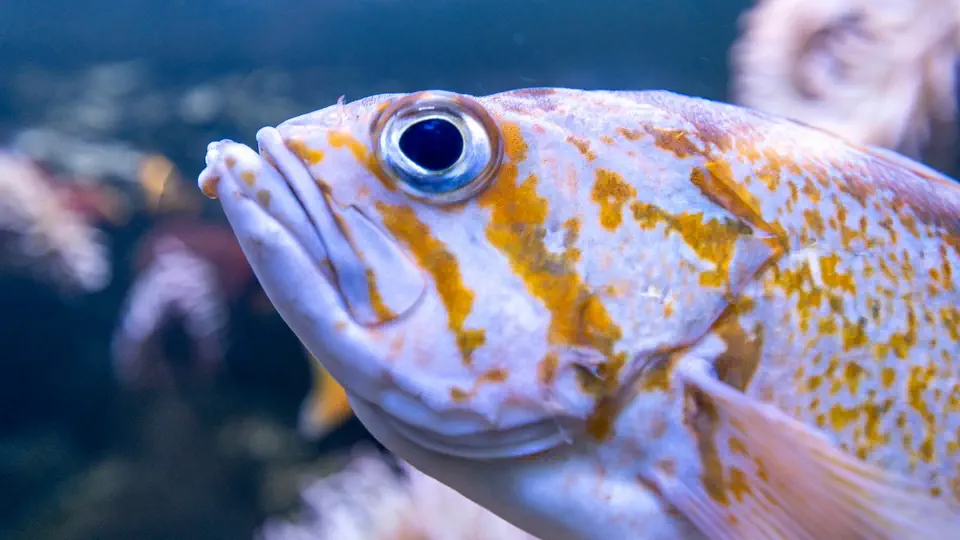
Aquarium fish captivate us with their colours, shapes and unusual behaviour. For some people, an aquarium is a small piece of the underwater world inside their home; for others, it is a hobby that requires knowledge, patience and regular care. Not every fish is suitable for every aquarium, however. Species differ in their requirements for temperature, tank size, water quality and suitable companions.
- Guppies are among the most popular aquarium fish. They originate from South America and the Caribbean, and their popularity is partly due to their small size, colourful appearance and relatively straightforward care requirements. Males are usually smaller and more brightly coloured than females, which give birth to live young rather than laying eggs.
- Goldfish can live for many years. With suitable care, some individuals survive for more than a decade, and occasionally much longer. Contrary to popular belief, they should not be kept in small glass bowls. They need a spacious, well-filtered aquarium because they produce a considerable amount of waste and can grow surprisingly large.
- Siamese fighting fish are well-known for their spectacular fins. Males of many varieties have long, colourful fins that they spread during courtship or when reacting to a rival. In the wild, these fish inhabit the waters of Southeast Asia, and their specialised labyrinth organ allows them to take in oxygen directly from the air.
- Neon tetras have a distinctive blue stripe. These small fish originate from South America and are prized for their vivid colouring. Their blue stripe reflects light in a way that can make it appear to glow. Neon tetras are happiest in groups, so they should not be kept on their own.
- Angelfish have bodies resembling triangles. Their tall dorsal and anal fins give them a distinctive shape and help them manoeuvre among aquatic plants. They originate from the Amazon Basin and need a sufficiently tall aquarium because their bodies and fins can reach considerable heights.
- Zebrafish are used in scientific research. These small freshwater fish originate from South Asia. Their embryos develop outside the mother’s body and are relatively transparent, making it easier for scientists to observe their development. Zebrafish are important model organisms in biology and medicine.
- Mollies give birth to live young. Unlike many popular aquarium fish, they do not lay eggs outside the body but produce fully formed baby fish. The young can swim and search for food almost immediately, although they may need hiding places to protect them from larger fish in the aquarium.
- Corydoras catfish help us understand life at the bottom of an aquarium. This group of small catfish originates from South America. They have distinctive barbels around their mouths, which they use to search for food in the substrate. Many species are sociable and thrive best in groups of their kind.
- Plecos can attach themselves to surfaces. Their specially adapted mouths allow them to cling to glass, stones, and pieces of driftwood. Some species eat algae, but this does not mean they can replace filtration or regular aquarium cleaning. Their diet depends on the species and may include plant matter and specially formulated foods.
- Discus fish are prized for their rounded bodies. These colourful fish originate from the Amazon Basin and are among the more demanding aquarium inhabitants. They need stable water conditions, suitable temperatures and a balanced diet. Their calm behaviour and vivid colours make them particularly popular with experienced aquarists.
- Some aquarium fish can change sex. This phenomenon occurs in certain species, although it is not typical of most popular freshwater aquarium fish. Under suitable social conditions, changing sex can allow an individual to assume a different role within a breeding group.
- Aquarium fish need rest, too. Some rest among plants, others remain almost motionless in the water or hide near the bottom. Since most fish do not have movable eyelids, their rest does not look quite like human sleep. Providing a regular day-and-night cycle is important for their wellbeing.
- An aquarium needs biological filtration. Beneficial bacteria develop inside the filter and convert toxic ammonia, produced partly by fish waste and leftover food, into less harmful compounds. This is why a new aquarium should not be stocked with fish before an appropriate biological environment has been established.
- Too much food can harm aquarium fish. Uneaten leftovers decompose, reduce water quality and place an additional burden on the filter. Feeding should be adjusted to the species, age, and number of fish, with portions small enough for the inhabitants to consume within a suitable period.
- Aquatic plants are more than just decoration. They provide shelter, create places to rest and can offer surfaces on which fish lay their eggs. Under suitable conditions, plants also absorb some nutrients from the water, helping maintain a balanced aquarium environment.
- Not all aquarium fish enjoy the company of other species. Some are peaceful and thrive in mixed-species aquariums, while others are territorial or may eat smaller tank mates. Before combining different fish, it is important to check their environmental requirements, temperament and eventual adult size.
- Aquarium shrimp are not fish, but they often share tanks with them. Popular dwarf shrimp help consume leftover food and feed on some algae and biofilm. They nevertheless require suitable water conditions and hiding places, and some fish may prey on their young.
- Aquarists breed fish in a wide variety of colour forms. Over many generations, breeders have selected individuals with particular colours, fin shapes and body patterns. This has produced numerous varieties of guppies, fighting fish, goldfish and other species that look quite different from their wild ancestors.
- Marine aquariums are more demanding than many freshwater setups. In addition to temperature and water quality, owners must monitor salinity and the concentration of essential minerals. Reef aquariums also require suitable lighting, water circulation and careful attention to the needs of corals.
- Aquarium fish should never be released into natural waters. Fish introduced into rivers, lakes, or ponds can spread diseases, compete with native species or become invasive. Unwanted fish should be rehomed responsibly or taken to an aquarium shop or local animal welfare organisation for advice.
Aquarium fish provide countless fascinating opportunities for observation, but keeping them also involves responsibility. Before buying fish, it is worth learning about the needs of the chosen species and preparing the aquarium so that the animals have enough space, clean water, a suitable diet and safe places to hide. A well-maintained aquarium is not simply an attractive decoration; it is a small ecosystem in which its inhabitants can live under appropriate conditions.
Interesting Facts About Fish in the Religions, Myths, and Legends of the World
Fish have appeared in stories about the creation of the world, religious symbolism and legends passed down through generations for thousands of years. For some peoples, they symbolised good fortune and abundance; for others, they represented faith, rebirth or mysterious forces dwelling in the depths. Many cultures also believed that the seas and rivers concealed extraordinary creatures that could never be encountered on the surface. These fascinating facts show how fish and fish-like creatures have captured the human imagination across different continents.
- The fish is one of the oldest symbols of Christianity. The Greek word ichthys, meaning fish, became a symbol of belief in Jesus Christ during the early centuries of Christianity. Its individual letters form a Greek acrostic expressing a statement of faith, and the fish symbol appeared in early Christian art and meeting places.
- The Bible tells the story of Jonah and the great fish. According to the Book of Jonah, the prophet was swallowed by a great fish and remained inside it for three days and three nights. The story is interpreted as a tale of repentance, obedience, and salvation. The biblical text does not identify the species of the creature.
- Fish appear in accounts of Jesus’s miracles in Christianity. One of the best-known stories describes how a large crowd was fed with five loaves of bread and two fish. This episode became an important subject in religious art and serves as a reminder of sharing food and caring for those in need.
- Hinduism features Matsya, the fish incarnation of Vishnu. According to one tradition, the god took the form of a fish to save the sage Manu and help him survive a great flood. Matsya is the first of the ten most commonly recognised avatars, or divine incarnations, of Vishnu.
- Hindu stories about Matsya resemble great flood narratives found in other cultures. In these accounts, water destroys the existing order of the world, while chosen heroes are given a chance to survive. The fish acts as a guide and protector, helping preserve life through a catastrophe.
- Two golden fish are important symbols in Buddhism. They are among the so-called Eight Auspicious Symbols of Tibetan Buddhism and are usually depicted as a pair of fish swimming freely through the water. Their symbolism includes freedom, happiness, and liberation from the limitations of worldly existence.
- In Chinese culture, the carp symbolises perseverance and success. A popular legend tells of carp attempting to overcome a powerful current and leap over a waterfall known as the Dragon Gate. A carp that succeeds transforms into a dragon. The story has become a symbol of overcoming difficulties and achieving ambitious goals.
- Japanese koi carp are associated with courage and good fortune. In Japan, these colourful fish are valued both as ornamental animals and as cultural symbols. Their ability to swim against the current has inspired stories about perseverance, while images of koi frequently appear in art and decoration.
- Japan has a festival associated with carp. During Children’s Day, celebrated on 5 May, families display colourful carp-shaped streamers called koinobori. They symbolise children’s health, strength and good fortune. The tradition refers to the legend of the carp that overcomes the current and becomes a dragon.
- Some fish had religious significance in ancient Egypt. One example is the lepidotus, a fish depicted in Egyptian art and associated with particular deities. The collections of the Metropolitan Museum of Art include metal representations of this fish dating from between the seventh and first centuries BC.
- Mesopotamian stories described creatures combining human and fish-like features. One such figure was Oannes, associated with Babylonian traditions. According to the accounts, he emerged from the sea and shared knowledge intended to help civilisation develop. The idea of a being arriving from the water also appeared in later mythological interpretations.
- The Greek god Triton had a fish’s tail. In Greek mythology, Triton was the son of Poseidon and Amphitrite. He was depicted with a human torso and a fish’s tail, often carrying a conch shell that he blew to announce his presence or calm the waves. Over time, he became one of the most recognisable figures associated with the sea in Greek mythology.
- Mermaids did not always look the way they do today. In ancient Greek mythology, sirens were originally depicted as creatures with the features of women and birds. Only in later European traditions were they increasingly portrayed as women with fish tails. Their appearance changed over the centuries through literature, art, and sailors’ tales.
- Mermaid legends may have been inspired by real animals. In the past, sailors sometimes mistook manatees and dugongs for mythical sea creatures. Seen from a distance, particularly in poor visibility, their movements, and body shapes could easily have fuelled the imaginations of people unfamiliar with these animals.
- In Norse mythology, Loki took the form of a salmon. In one story about the trickster god, Loki transformed himself into a salmon to hide from the other gods. He was eventually caught. This tale shows that fish did not always symbolise peace or good fortune in mythology; they could also serve as disguises for cunning and dangerous characters.
- In Irish legends, a salmon could bestow wisdom. One famous story tells of the Salmon of Knowledge, a fish that acquired all the knowledge in the world. A hero named Fionn mac Cumhaill supposedly gained extraordinary wisdom after tasting the fish that his teacher was preparing. The legend remains an important part of Irish folklore.
- Fish can symbolise good fortune in Jewish tradition. In some customs, fish are associated with fertility, prosperity, and abundance. Their presence in festive meals can carry symbolic meaning, although traditions vary between communities and regions.
- In Chinese art, fish can represent prosperity. Images of carp and other fish appear in paintings, decorations, and objects associated with Lunar New Year celebrations. Traditional Chinese symbolism connects fish with abundance and good fortune, so their images are sometimes used to express wishes for prosperity in the coming year.
- Many cultures told stories about giant fish living in the depths. Ancient sailors passed down tales of enormous creatures said to overturn boats or swallow people. Some stories may have been inspired by sightings of large fish, whales and giant squid, while others arose from imagination and fear of the unknown ocean.
- Fish in myths often symbolise rebirth and new life. Because they live in water, which many cultures associate with the beginning of the world, purification and renewal, fish appear in stories of survival and transformation. Their symbolism was not universal, however: depending on the tradition, fish could also represent knowledge, fertility, abundance or divine protection.
Interesting Facts About the Fishing Industry and the Economic Importance of Fish

- Fishing involves catching fish that live in natural waters. It takes place in seas, oceans, lakes and rivers, and its scale depends on the availability of fish stocks, technology, regulations and environmental conditions.
- Aquaculture means farming aquatic organisms. It includes fish, crustaceans, molluscs and certain aquatic plants. Farming can take place in ponds, tanks, submerged cages or modern recirculating aquaculture systems.
- Fish farming has a history spanning thousands of years. It was developed in ancient China, while carp ponds became particularly important in Europe. Modern aquaculture, however, uses far more advanced methods to control feeding, water quality and reproduction.
- Carp is one of the most important species raised in ponds. It makes good use of available food, grows in various conditions and has a long history of cultivation. In Poland, its importance is particularly evident during the Christmas season.
- Atlantic salmon is an important farmed species. In many countries, salmon are raised under controlled conditions, including in marine farming cages. This production provides food but requires careful management of disease, water quality and the impact of farming on wild populations.
- Fishing provides employment for millions of people. The industry supports not only fishers but also people who repair nets, operate ports, transport catches, process fish, sell seafood and monitor the quality of fish products.
- Fishing requires appropriately selected equipment. Gillnets, trawls, purse seines, traps, and fishing rods are among the methods used. The choice depends on the species, fishing depth, weather conditions and regulations designed to protect aquatic resources.
- Modern fishing vessels use navigational technology. Satellite systems, echo sounders and depth-measuring equipment help crews locate fishing grounds and navigate safely. Although technology can improve fishing efficiency, it also makes responsible management of fish stocks particularly important.
- Fish processing involves much more than producing tinned fish. Fish are filleted, frozen, salted, dried, smoked and used to make ready meals. Processing facilities must maintain hygiene, control temperatures and identify the origin of their raw materials to reduce risks to consumers.
- Fishmeal and fish oil are produced from fish. These products are used, among other things, in animal feed and aquaculture. They may be made from particular fish species or from parts left over after fish intended for human consumption have been processed.
- Waste from fish processing can be reused. Skins, bones, and other by-products can become raw materials for animal feed ingredients, oils, gelatine and other materials. Such solutions help reduce waste and make better use of the resources obtained from catches.
- Overfishing can cause fish populations to collapse. This happens when more fish are caught than a population can replace through reproduction. Rebuilding depleted stocks may take many years and can require restrictions on fishing as well as the protection of breeding grounds.
- Bycatch is one of the problems associated with fishing. It refers to organisms accidentally caught alongside the species being targeted. These may include undersized fish, marine turtles, birds or mammals, which is why equipment designed to reduce accidental catches is being developed.
- Fishing methods do not all affect the environment in the same way. Their impact depends on the type of equipment, location, quantity of organisms caught and duration of fishing operations. Some gear can damage the seabed, while other methods create different forms of ecological pressure.
- Tracing the origin of fish helps combat illegal fishing. Catch documentation, product labelling and monitoring systems make it possible to establish where fish were caught or farmed. This helps identify irregularities in the supply chain and supports legitimate producers.
- Fish certifications are intended to help consumers choose products. Some schemes assess how fisheries or farms are managed, and their labels may indicate compliance with particular environmental standards. It is worth checking exactly what a certificate covers, as different schemes use different criteria.
- Climate change affects the distribution of fish. Rising water temperatures, changes in salinity and ocean acidification can cause species to move into new areas. For the fishing industry, this means adapting management strategies and taking changes in local ecosystems into account.
- Pollutants can enter aquatic organisms. Heavy metals, pesticides, and other contaminants may accumulate in their bodies or pass through the food chain. Monitoring water quality and food safety is therefore important for the health of both humans and animals.
- Aquaculture can reduce pressure on some wild fish populations. Farming supplies fish to the market without requiring every individual to be taken from natural fishing grounds. Its overall impact nevertheless depends on the species, feed, water use, waste management and the possibility of farmed fish escaping into the wild.
- The future of the fishing industry depends on responsible management. Scientists, fishers, fish farmers and public authorities must balance food production with nature conservation. Reliable information about fish stocks, effective monitoring, waste reduction and the protection of breeding and nursery habitats are all essential.
Interesting Facts About Fish for Children
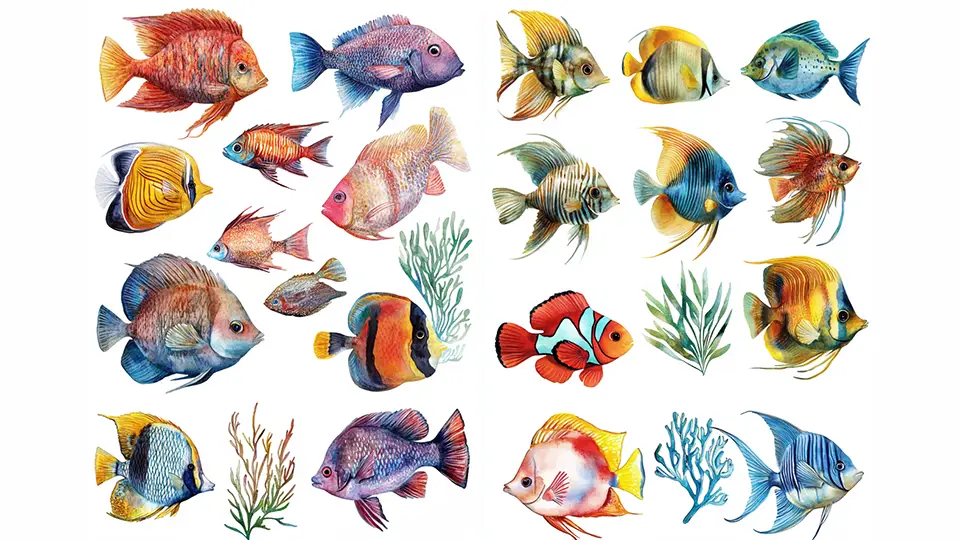
- Fish do not close their eyes when they sleep. Most species do not have movable eyelids like humans. When resting, they often remain still, hide among plants or rocks and reduce their activity, but their eyes remain open.
- The largest fish in the world is a gentle giant. The whale shark can grow to well over ten metres in length, yet it feeds mainly on plankton and tiny organisms. Despite its enormous size, it does not hunt large animals in the way its name might suggest.
- A seahorse looks like a tiny horse underwater. It has a distinctive head, an upright body and a tail that can grip underwater plants. It is nevertheless a true fish, breathing through gills and moving with the help of its fins.
- Clownfish are well-known for their colourful appearance. Their orange bodies and pale stripes make them easy to recognise. They live among sea anemones, whose stinging tentacles deter many predators while providing the clownfish with a safe hiding place.
- Fish can sense their surroundings using the lateral line. This remarkable sensory system helps them detect movements in the water and vibrations caused by other animals. It allows them to orient themselves in murky water, even when visibility is poor.
- Some fish can glow in the dark. Deep in the oceans, certain species produce their own light. They use it to attract prey, communicate or hide from predators in environments that sunlight cannot reach.
- Flying fish can leap above the waves. After accelerating underwater, they jump into the air and spread their broad fins to glide over the surface of the sea. This helps them escape predators pursuing them underwater.
- A pufferfish can turn itself into a spiky ball. When threatened, it fills its body with water and sometimes air, making itself appear much larger. This trick makes it more difficult for predators to swallow, while some species also possess powerful toxins.
- Fish come in many shapes and sizes. Some are shorter than a human fingernail, while others can reach the size of a delivery van or even larger. Their appearance depends on their habitat, feeding habits and the adaptations they need to survive.
- Not every fish has scales. Many species have smooth skin, while others have tiny scales or scales hidden beneath the skin’s surface. Catfish, for example, can be recognised by their distinctive barbels around the mouth.
- Fish can recognise tastes. Taste receptors are found not only in their mouths but, in some species, on other parts of their bodies as well. This helps them locate food, particularly in murky water or poor lighting.
- Some fish produce sounds resembling grunts. They may use their swim bladders, jaws, or movements of other body parts to make noises. These sounds can help them communicate, deter rivals or attract mates, so the underwater world is not always as silent as we might imagine.
- Goldfish can live much longer than many people realise. With appropriate care, a spacious tank and good water quality, they can survive for more than a decade and sometimes considerably longer. A small glass bowl, however, does not provide suitable living conditions.
- Fish do not drink water in quite the same way as humans. Marine and freshwater species must regulate the balance of water and salts in their bodies differently. Marine fish generally drink seawater, whereas freshwater fish absorb substantial amounts of water through their body surfaces and gills.
- Some fish look after their young. Parents may guard their eggs, fan them with their fins to ensure a supply of oxygenated water or defend their offspring against predators. In some cichlid species, the young can even find shelter inside an adult’s mouth.
- Fish can hide using their colouring. Some have colours resembling sand, while others look like stones, corals or aquatic plants. This camouflage helps them avoid predators and can also allow them to surprise the animals they hunt.
- Sharks have several rows of teeth. In many species, teeth are gradually replaced by new ones, allowing their dentition to renew continuously. This is a useful adaptation because teeth can wear down or fall out during hunting.
- Fish can be excellent parents. In some species, the male builds a nest, guards the eggs and drives away intruders. In others, the female or both parents provide care, with the exact behaviour depending on the species and its environment.
- Fish need clean water that suits their particular needs. Pollution, excessive temperatures and low oxygen levels can interfere with their breathing and development. Looking after rivers, lakes, and seas therefore benefits not only fish but also other animals and people.
- Fish are important to the natural world, even if we rarely see them in their habitats. They provide food for many animals, help regulate populations of other organisms and contribute to the movement of nutrients through ecosystems. Observing fish in the wild teaches us how much depends on maintaining the balance of aquatic environments.
- Fascinating facts about fish are part of our collection of articles exploring the interesting things that surround us.
Fish are an extraordinarily diverse group of animals, and learning about them helps us better understand the history of life on Earth, how ecosystems function and why water is so important to humans. From prehistoric species and the inhabitants of Polish lakes to the colourful fish of coral reefs, every group has its own fascinating stories to tell.
It is worth remembering that protecting fish begins with looking after their environment. Clean rivers, healthy lakes and well-protected seas are essential for the survival of many species and give future generations the opportunity to discover the extraordinary underwater world. I hope the fascinating facts about fish collected here will help you appreciate just how diverse and remarkable aquatic life can be.
Interesting Facts About Fish – Polish version