Interesting facts about tomatoes are a handful of information and facts about the tasty and healthy vegetables that tomatoes are.
Tomatoes are among my favourite vegetables – or fruits, as some believe. They taste great as an addition to many dishes, salads, sauces or soups, and, importantly, they have remarkable properties and outstanding nutritional value. It is therefore no surprise that they are the most widely consumed vegetables in the world, with global production reaching nearly 200 million tonnes. In the article below, you will find plenty of interesting information and facts that may surprise you.
Interesting Facts About Tomatoes and Their Varieties
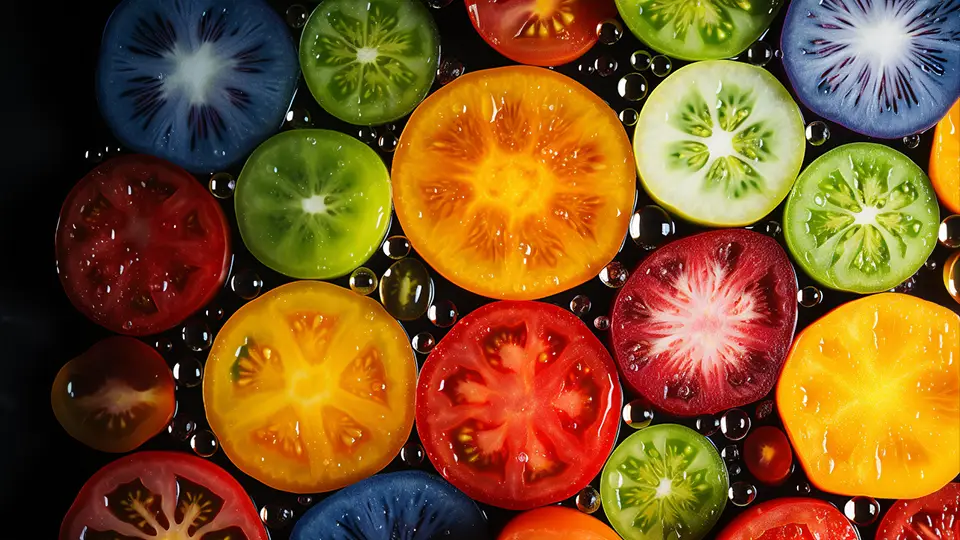
Tomatoes are among the most diverse vegetables (or, in fact, fruits!) that appear on our tables. Although they may seem similar at first glance, there are hundreds of varieties differing in shape, colour, taste and culinary use. From tiny cherry tomatoes to large, fleshy varieties – there is something for everyone.
- There are over 10,000 varieties of tomatoes, and some sources suggest the number may be as high as 20,000.
- Cherry tomatoes are among the sweetest varieties – they contain more natural sugars than larger tomatoes.
- The “Black Krim” variety has a dark red, almost black colour and a slightly salty taste.
- “San Marzano” tomatoes are considered among the best for sauces, especially in Italian cuisine.
- There are tomatoes in yellow, orange, and even green – not all of them turn red when ripe.
- The “Green Zebra” variety remains green even when fully ripe.
- Raspberry tomatoes are valued for their delicate, sweet flavour and thin skin.
- Beefsteak varieties can grow huge – even over 500 grams.
- “Roma” tomatoes have less juice and more flesh, making them ideal for preserves.
- There are tomato varieties shaped like pears, plums, and even hearts.
- Wild tomatoes are much smaller and more resistant to disease than cultivated varieties.
- Some varieties have a slightly spicy or citrus-like flavour.
- “Cherokee Purple” tomatoes have an intense, sweet-smoky flavour and a dark colour.
- There are varieties specially bred for growing in pots on balconies.
- Cherry tomatoes often grow in large clusters resembling grapes.
- The “Yellow Pear” variety has the shape of a small pear and a light yellow colour.
- Tomatoes can differ not only in taste but also in nutrient content.
- Some old varieties (so-called heirloom) are passed down from generation to generation without genetic modification.
- Greenhouse tomatoes are often more uniform in appearance, but less aromatic than those grown in soil.
- There are drought-resistant varieties that thrive in hot climates.
- The smallest tomatoes in the world are only a few millimetres in diameter and grow wild in South America.
- There are varieties with an almost white colour, with a very delicate, slightly sweet flavour.
- “Blue” tomatoes (e.g. Indigo Rose) contain anthocyanins – the same pigments found in berries, giving them a dark purple colour.
- Some varieties have such thin skin that they crack easily, even under slight pressure.
- Tomatoes are divided into determinate (bush) and indeterminate (climbing) varieties, which can grow several metres tall.
- There are varieties bred specifically for transport – they are firmer and less prone to damage.
- Grape-type cherry tomatoes are more elongated and have thicker skin than classic cherry tomatoes.
- Some varieties have leaves resembling potato leaves – a result of their shared origin in the nightshade family.
- Tomatoes can vary greatly in ripening time – from around 50 to even 100 days.
- There are varieties with exceptionally intense aroma, highly valued by chefs.
- Some old tomato varieties are so rare that they can only be found in enthusiasts’ collections and seed banks.
Tomatoes are a true treasure of nature – diverse, tasty and incredibly versatile in the kitchen. Thanks to the vast number of varieties, everyone can find their favourite flavour and use. Whether you eat them raw, in sauces or dried – tomatoes can always surprise you with their diversity.
Interesting Facts About Tomatoes and Their Nutritional Properties
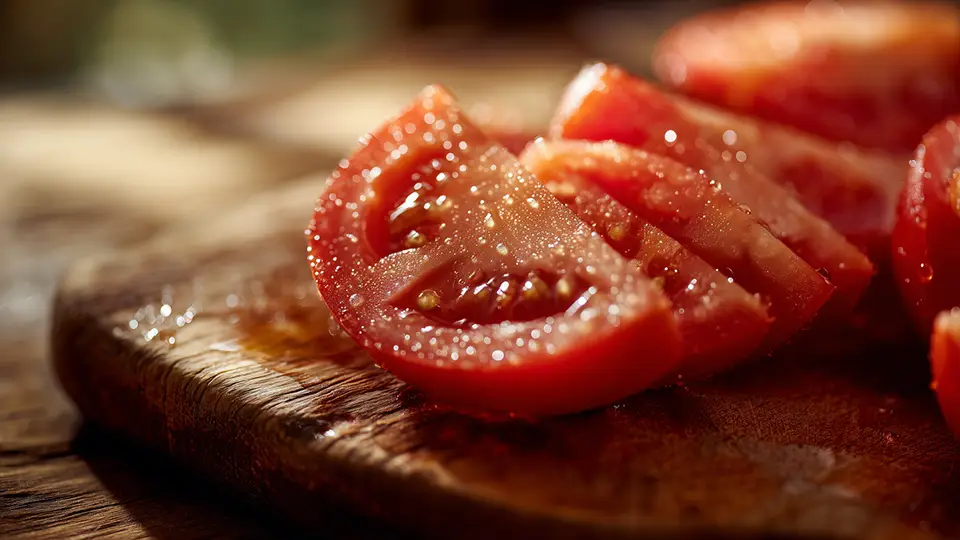
Tomatoes are not only a tasty addition to many dishes but also a true treasure trove of nutrients. They contain numerous vitamins, minerals, and antioxidants that support the health of the entire body. Interestingly, their properties may change depending on the form – fresh, cooked or dried tomatoes differ in composition.
- Tomatoes are a rich source of lycopene – a powerful antioxidant that helps protect cells.
- Lycopene is better absorbed from processed tomatoes (e.g. sauces) than from raw ones.
- Tomatoes contain a lot of vitamin C, which supports the immune system.
- They are a good source of potassium, helping regulate blood pressure.
- Tomatoes are low in calories – around 18 kcal per 100 g.
- They contain dietary fibre, which supports digestion.
- Tomatoes provide vitamin A in the form of beta-carotene, beneficial for eyesight.
- They contain vitamin K, which supports bone health.
- Tomatoes have hydrating properties – they consist of over 90% water.
- The antioxidants they contain may support heart health.
- Tomatoes may help reduce inflammation in the body.
- Regular consumption of tomatoes may help protect the skin from UV radiation.
- Tomatoes contain small amounts of iron, supporting the production of red blood cells.
- They are a source of B vitamins, including folic acid.
- Tomatoes may support the nervous system thanks to their micronutrient content.
- They contain natural organic acids that may aid digestion.
- Tomatoes have a low glycaemic index, making them suitable for people monitoring blood sugar levels.
- Dried tomatoes contain significantly more nutrients per gram, but also more calories.
- Tomato juice may support recovery after physical exercise thanks to its electrolyte content.
- Tomatoes contain compounds that support eye health and may reduce the risk of eye diseases.
Tomatoes are an excellent example of a product that combines great taste with high nutritional value. It is worth including them in your daily diet in various forms to fully benefit from their health-promoting properties.
Interesting Facts About Tomatoes and Their Origin
The origin of tomatoes is a fascinating story combining geographical discoveries, culture and changing attitudes towards food. Although they are now a staple in many cuisines, their journey to our tables was long and full of interesting twists.
- Tomatoes originate from the western part of South America, mainly from present-day Peru and Ecuador.
- Their wild ancestors also grew in areas of present-day Chile.
- Tomatoes were probably first domesticated in Mexico.
- It was the civilisations of Mesoamerica that began using tomatoes in cooking.
- The word “tomato” comes from “tomatl” in the Nahuatl language used by the Aztecs.
- The Aztecs cultivated various tomato varieties before the arrival of Europeans.
- Tomatoes reached Europe after the voyages of Christopher Columbus and other explorers.
- Spanish conquistadors brought tomatoes to Europe in the 16th century.
- Initially, tomatoes were treated as ornamental plants in Europe.
- In some countries, they were considered poisonous because they belong to the nightshade family.
- In Italy, tomatoes were called “pomo d’oro”, meaning “golden apple”.
- Early European tomato varieties were often yellow rather than red.
- Tomatoes were not popular in Northern Europe for a long time due to the cooler climate.
- They first appeared in Spain and Portugal in Europe.
- Over time, they spread throughout the Mediterranean region.
- Tomatoes reached Great Britain only in the 17th century.
- In North America, they were also long considered unsafe to eat.
- It was only in the 18th and 19th centuries that tomatoes began gaining popularity in European cuisine.
- The development of greenhouse cultivation contributed to their wider spread.
- Today, tomatoes are among the most widely grown crops in the world, although their story began with small wild fruits in South America.
- Tomatoes reached Poland relatively late – most likely in the 16th or 17th century, along with the fashion for southern European plants.
- They arrived mainly via Italy and France, where they had gained popularity earlier.
- Initially in Poland, as in other European countries, they were considered ornamental rather than edible.
- They were mainly grown in aristocratic and royal gardens as a botanical curiosity.
- Bona Sforza contributed to their spread in Poland by introducing Italian vegetables and spices.
- For a long time, they were called “love apples” or “golden apples” in Poland.
- In the 18th century, tomatoes began to be used gradually in cooking, but they were still rare.
- Only in the 19th century did tomatoes start appearing more often in Polish recipes.
- The development of greenhouses and garden cultivation in the 19th and 20th centuries significantly increased their availability in Poland.
- They became firmly established in Polish cuisine only in the 20th century, forming the basis of dishes such as tomato soup and sauces.
Interesting Facts About Tomatoes in World Cuisines

Tomatoes are one of the most universal ingredients in the world – present in the cuisines of almost every continent. Although they originate from South America, it is now difficult to imagine such diverse culinary traditions as Italian, Mexican, or Indian cuisine without them. Their flavour, colour, and versatility have made them a true star of global cuisine.
- In Italian cuisine, tomatoes became popular only in the 18th century.
- Tomato sauce is the basis of many Italian dishes, such as pizza and spaghetti.
- In Mexico, tomatoes are a key ingredient in salsa.
- In Spanish cuisine, “gazpacho” – a cold tomato soup – is popular in hot weather.
- Ketchup, one of the most popular sauces in the world, is made mainly from tomatoes.
- In India, tomatoes are often used as a base for curries.
- In Turkey, tomatoes are the foundation of many dishes, including soups and stews.
- In the United States, tomatoes are one of the most commonly consumed vegetables.
- In Greece, tomatoes are a key ingredient of Greek salad.
- In French cuisine, tomatoes appear in dishes such as ratatouille.
- In Japan, tomatoes are typically eaten raw as a snack.
- In Middle Eastern countries, tomatoes are an important ingredient in dishes such as shakshuka.
- Sun-dried tomatoes are especially popular in Italy and Mediterranean countries.
- Canned tomatoes are widely used around the world as a convenient base for sauces.
- In Chinese cuisine, tomatoes are frequently combined with eggs in simple dishes.
- Tomatoes can be grilled, baked, dried, fried or eaten raw.
- There are tomato soups in almost every culinary culture.
- Tomatoes pair well with both meat and vegetarian dishes.
- In some countries, tomatoes are even used in desserts and jams.
- In Peru, there are traditional tomato sauces with chilli peppers.
- Tomatoes are one of the main components of the Mediterranean diet.
- In many cuisines, green (unripe) tomatoes are used, e.g. fried in the USA.
- Tomatoes are often the base for pasta sauces worldwide.
- In Africa, tomatoes are an important ingredient in one-pot dishes and sauces.
- Tomato juice is a popular drink in many countries.
- Tomatoes are one of the most widely cultivated vegetables in the world.
- Their versatility makes them suitable for both simple home dishes and refined restaurant cuisine.
Interesting Facts About Tomatoes in Myths and Legends
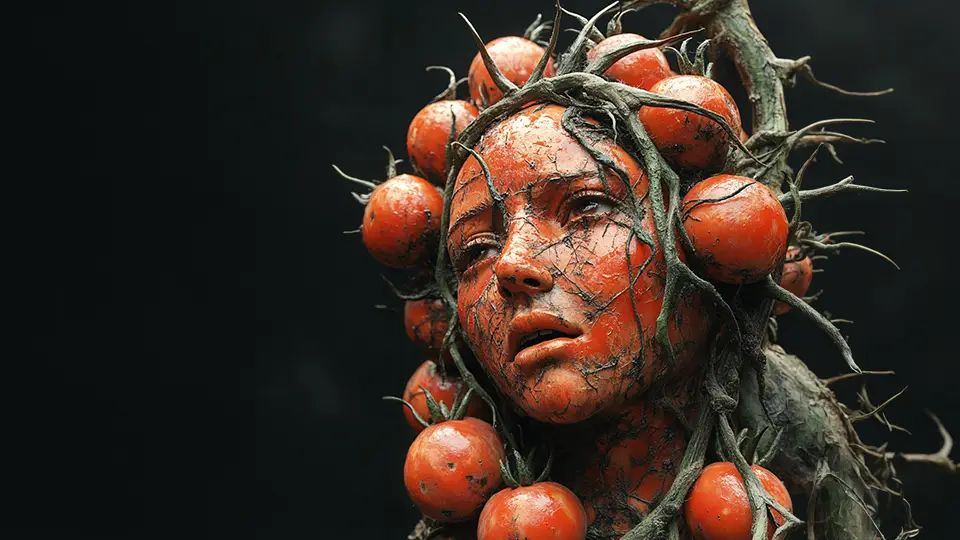
Although tomatoes do not have as long and deeply rooted symbolism as apples or grapes, they also appear in various stories, beliefs and folk traditions. They were typically surrounded by mystery, and their unusual appearance and origin led people to attribute magical properties to them.
- For a long time in Europe, people believed tomatoes were poisonous and could cause illness.
- In some regions, it was thought that eating tomatoes could lead to madness.
- Tomatoes were called “love apples” and believed to have aphrodisiac properties.
- In Italy, people believed tomatoes could bring luck in love.
- In France, they were a symbol of passion and romantic feelings.
- Some alchemists considered tomatoes to be plants with magical energy due to their intense colour.
- In old European beliefs, the red colour of tomatoes was associated with blood and life force.
- In some legends, tomatoes were believed to protect against evil spirits if kept at home.
- In North America, stories circulated that tomatoes could poison people through contact with metal utensils.
- One popular story tells of a brave cook who publicly ate tomatoes to prove they were not poisonous.
- In Mexico, tomatoes were part of traditional folk beliefs and were treated as a gift of nature.
- The Aztecs believed tomatoes strengthened both body and spirit.
- In some cultures, tomatoes were believed to influence emotions and mood.
- There were superstitions that growing tomatoes near the home brought prosperity.
- In the past, tomatoes were attributed almost magical healing properties.
- In some folk tales, tomatoes were a symbol of forbidden fruit.
- Due to belonging to the nightshade family, they were associated with “witch plants”.
- In medieval Europe, tomatoes were suspected of being used in love potions.
- In some regions, it was believed that red fruits like tomatoes warded off evil forces.
- To this day, in some countries tomatoes symbolise passion, energy, and life.
Although many of these beliefs may seem amusing or unlikely today, they show how much emotion and curiosity tomatoes once inspired. From a mysterious and suspicious plant, they have become one of the most beloved ingredients in cuisines around the world.
Interesting Facts About Tomatoes for Children
Tomatoes are not just something that goes into a sandwich or soup – they are real kitchen heroes! They come in fun colours, funny shapes and are full of surprises.
- A tomato is actually a fruit, although most people think it is a vegetable!
- Tomatoes can be red, yellow, orange, green, and even almost black!
- The smallest tomatoes are the size of… a fingernail!
- The largest tomatoes can be heavier than an apple – even like a small ball!
- Tomatoes are made up of over 90% water – almost like a juicy drink!
- Cherry tomatoes grow in clusters like grapes.
- Some tomatoes are heart-shaped – they look very funny!
- Tomatoes love sunshine – the more they get, the tastier they are.
- Tomatoes are used to make ketchup – one of the most popular sauces in the world!
- Tomatoes can be sweet, sour, and sometimes even a bit spicy.
- There are tomatoes that stay green even when ready to eat.
- Tomatoes can be eaten raw, cooked, baked or dried.
- In some countries, children eat tomatoes like apples – as a snack.
- Inside tomatoes are small seeds that can be planted to grow new plants.
- One tomato plant can produce a lot of fruit!
- Tomatoes help you stay healthy and strong because they contain many vitamins.
- Tomatoes are the stars of many dishes, such as pizza and spaghetti.
- There are tomatoes that can grow in pots on a balcony.
- Tomatoes can have stripes, spots or multiple colours on one skin!
- Inside a tomato is a jelly-like juice that is very healthy.
- Tomatoes have a distinctive smell – especially when freshly picked.
- You can make delicious tomato soup from them – almost every child knows it!
- Some tomatoes are so small that you can eat them in one bite.
- Tomatoes grow on bushes, not on trees.
- Long ago, people were afraid to eat tomatoes because they thought they were poisonous!
- Tomatoes travelled around the world before reaching our plates.
- There are tomatoes with very strange shapes – sometimes they look like little monsters!
- Tomatoes are loved by chefs all over the world.
- You can make tomato juice – some people truly like it!
- Tomatoes are among the most widely cultivated plants in the world.
- Interesting facts about tomatoes are just one of many topics on Get Ready For Adventure. For more fun facts, visit our website and explore the section dedicated to interesting facts.