Let me take you to a Helicopter Museum in Weston-super-Mare founded by Elfan ap Rees, which remains one of the major attractions of Weston-super-Mare in South West England to this day.
Elfan was a man who had been passionate about aviation for as long as he could remember. As a child, he watched with bated breath as the fearsome and fast Spitfire fighters took off, striking fear into German forces during the Second World War. Even as a boy, he could identify individual aircraft models and even recognise their engines simply by the sound they made.
Eventually, the war ended and Elfan became a pilot himself. He flew numerous combat missions for the RAF in many parts of the world. More than once, he risked his life and health to complete the tasks assigned to him. Whenever he returned safely, he would say:
“I only made it because I had a really good machine.”
The Cold War accelerated the development of aviation technology. New types of aircraft appeared, including helicopters. These modern and increasingly sophisticated machines quickly gained the respect of pilots and found applications wherever fast and efficient transport or aerial support was required.
Elfan ap Rees fell completely in love with helicopters. In time, he began flying them himself, and his passion only grew stronger. In 1958, he purchased his first damaged helicopter engine, followed shortly afterwards by parts of a shattered cockpit and equipment from another wrecked aircraft. This marked the beginning of the collection that I am about to tell you about.
The Beginnings of The Helicopter Museum in Weston-super-Mare
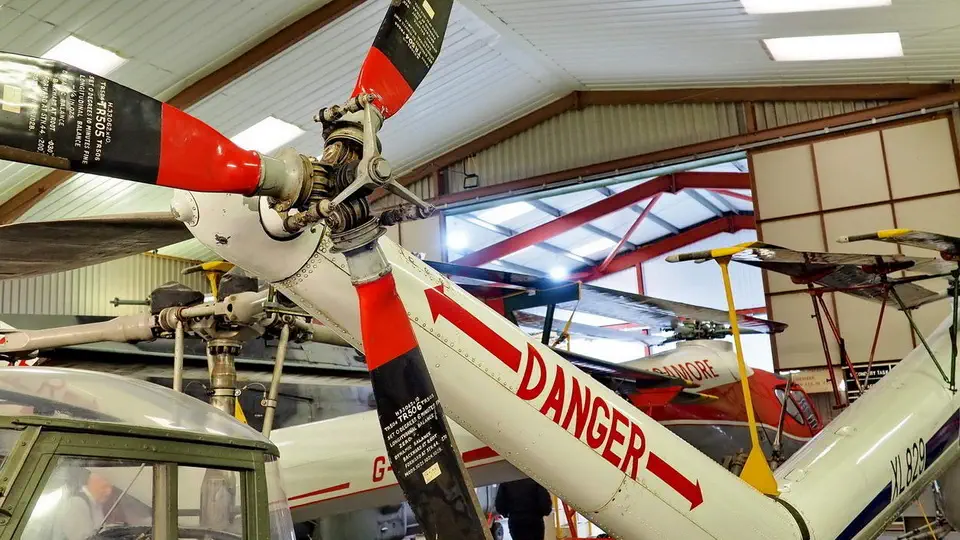
In its earliest years, the museum consisted mainly of technical documentation relating to famous helicopter designs, along with a vast assortment of spare parts and components from various aircraft.
It was not until 1969 that Elfan ap Rees acquired his first complete helicopter. It was a Bristol Sycamore Mk.3. Built by Bristol Aeroplane Company, it became the first British helicopter to receive all necessary certifications and gain international flight approval.
The next aircraft to join the collection was a Bristol Type 192 Belvedere. This helicopter was also manufactured by Bristol Aeroplane Company and served for many years with the Royal Air Force. The wreck that Elfan purchased was painstakingly restored by enthusiasts who shared his passion for rotary-wing aviation.
More helicopters soon followed. Most were retired RAF aircraft reaching the end of their operational lives, along with associated equipment and spare parts.
During the 1970s, the collection expanded to include the Westland Whirlwind, Bristol Sycamore Mk.14 and the prototype ultra-light helicopter Gadfly HDW.1. The latter was a particularly unusual design. Essentially consisting of little more than a cockpit suspended beneath twin rotor blades and propelled by an engine mounted at the rear, it represented a bold experiment in helicopter engineering.
The 1980s brought even more additions. Among them were the Fairey Rotodyne, a remarkable hybrid between a helicopter and an aeroplane, and the military Westland Scout. This lightweight helicopter had been designed for British Army special forces and served wherever the interests of the United Kingdom required rapid military deployment.
By the end of the 1980s, Elfan ap Rees had assembled dozens of helicopters and a vast collection of aviation-related equipment. He subsequently applied to the Museums and Galleries Commission for official museum status. His application was approved, and in 1989 Prince Andrew, Duke of York, officially opened The Helicopter Museum in Weston-super-Mare.
The Helicopter Museum Today
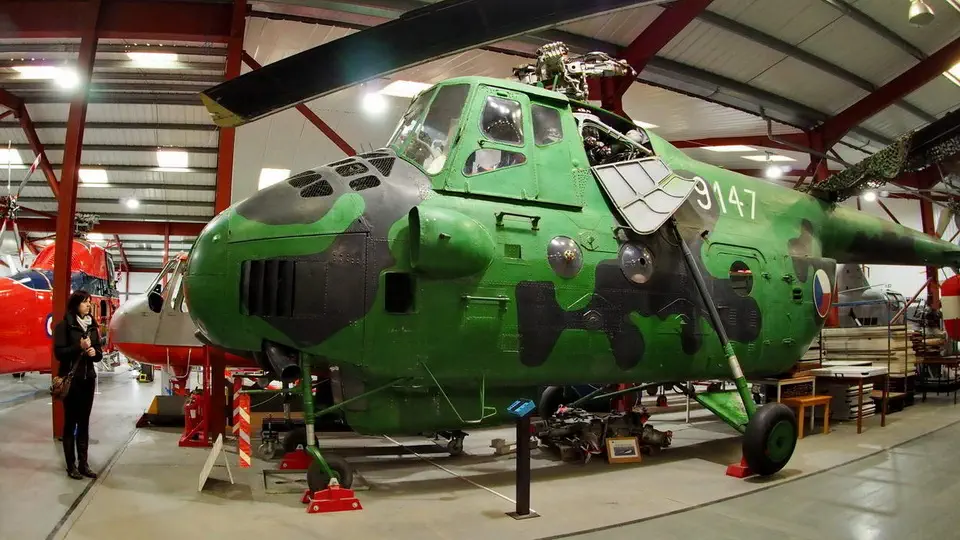
Today, the museum employs several mechanics and exhibition staff. A significant proportion of the workforce consists of volunteers and aviation enthusiasts, who remain the driving force behind this remarkable institution.
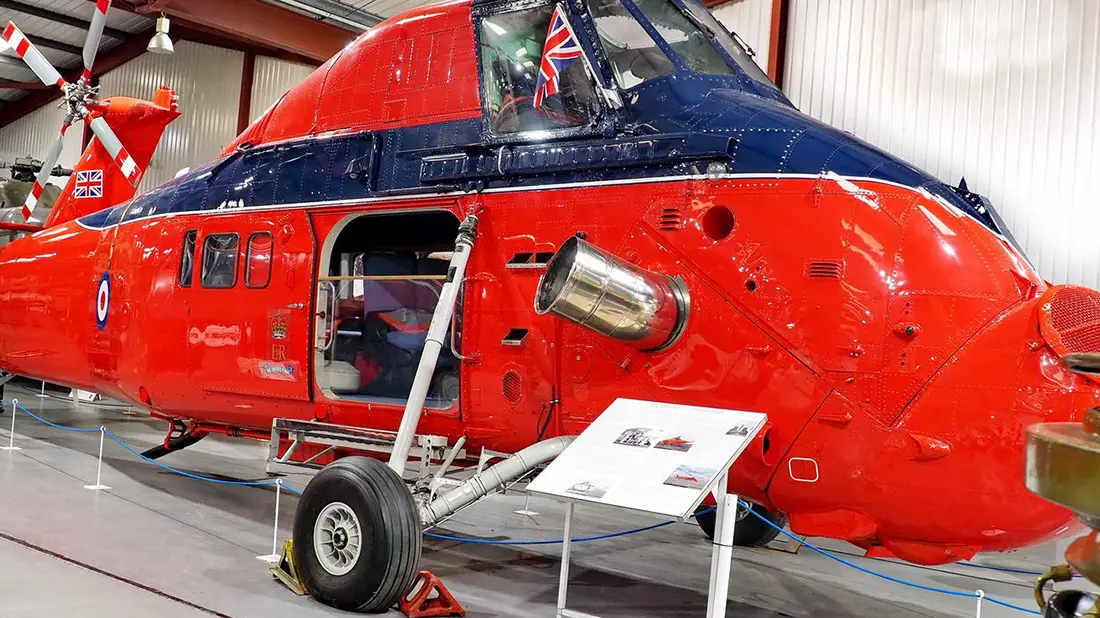
Helicopter enthusiasts travel to Weston-super-Mare from all over the world to assist in restoring the aircraft housed here. Visitors can admire well over one hundred helicopters, most of which have been carefully repaired and restored. Work continues on many aircraft, providing an additional attraction for visitors.
It is possible to observe mechanics at work, carefully fitting components and restoring damaged exhibits with almost artistic precision.
Soviet Helicopters at The Helicopter Museum
Following the collapse of the Iron Curtain, the museum gained access to a wealth of aviation equipment from Eastern Europe.
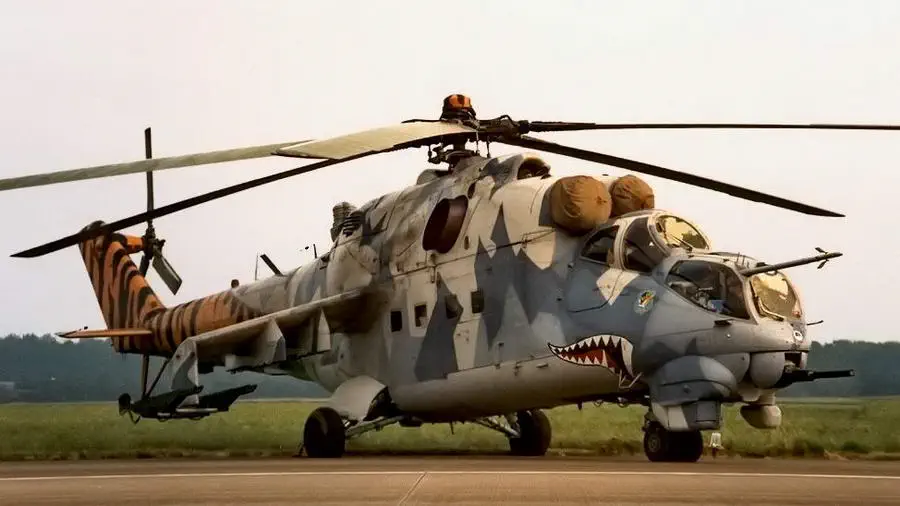
Perhaps the most impressive Soviet-built helicopter in the collection is the Mil Mi-24. Developed in the Soviet Union during the late 1960s, this heavily armed attack helicopter was known in the West by the NATO reporting name “Hind” and commanded enormous respect.
A true predator of the skies, the Mi-24 carried an extensive weapons load while also transporting up to eight soldiers. These troops could be deployed even under heavy enemy fire, after which the helicopter could provide close air support for ground operations.
Despite its intimidating appearance, it is also an exceptionally beautiful aircraft.
Visitors can also see the fascinating Kamov Ka-26, known in NATO terminology as “Hoodlum”. This unusual helicopter featured a distinctive twin-rotor arrangement and a highly unconventional design. Its appearance is unlike almost any other helicopter ever produced, and its unique configuration ensured that few similar aircraft followed in its footsteps.
A Polish Connection
The museum also houses several aircraft connected with the Polish Armed Forces.
One example is the WSK PZL-Świdnik helicopter, produced in Poland under Soviet licence. This lightweight and highly versatile aircraft performed a wide range of roles. It served as an air ambulance, operated with police forces and supported military operations.
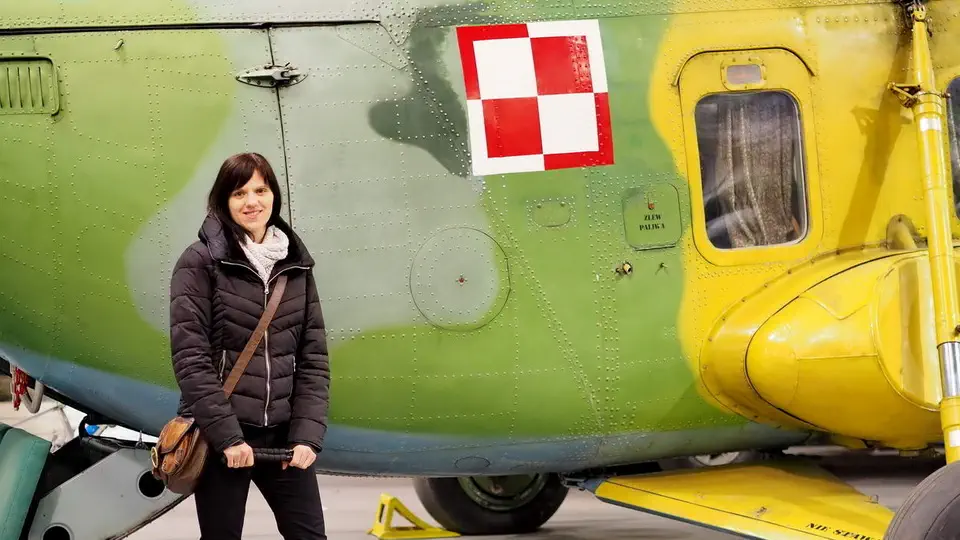
Another helicopter with strong Polish connections is the Mil Mi-4, known in the West as “Hound”. This transport helicopter served in many countries around the world, including Poland. In its VIP configuration, it carried senior Polish communist officials, including First Secretary Edward Gierek.
The very helicopter displayed at The Helicopter Museum still bears the distinctive red-and-white Polish checkerboard insignia.
Other Aircraft in the Collection
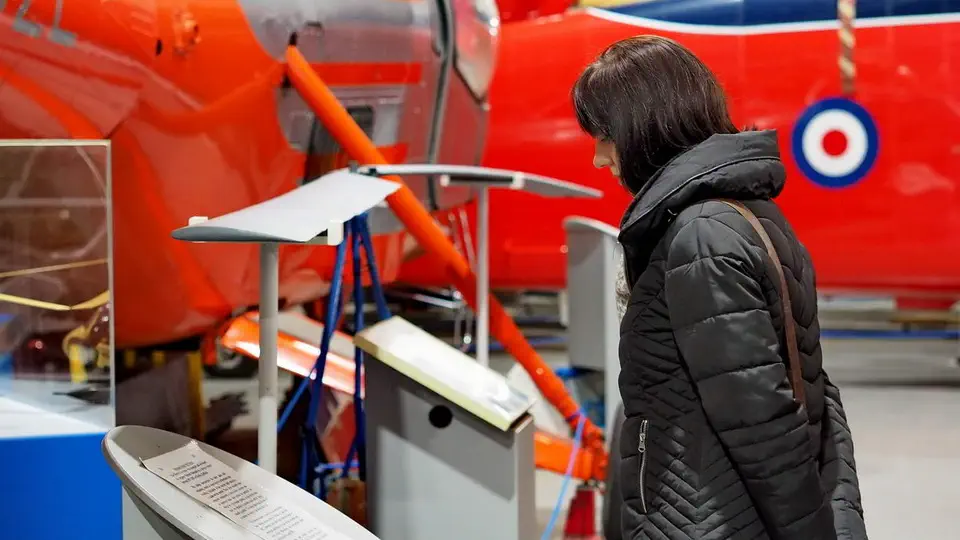
The helicopters already mentioned represent only a fraction of the museum’s collection.
Visitors can also see aircraft from Italy, such as the Agusta A109A, as well as the French-built Eurocopter SA365N Dauphin.
Several famous machines represent american aviation. One of them is the legendary Bell UH-1 Iroquois, which served extensively during the Vietnam War. Another is the enormous Piasecki H-21, a twin-rotor transport helicopter capable of carrying exceptionally heavy loads. The collection also includes the Hiller UH-12C, another aircraft associated with the Vietnam era.
These examples merely scratch the surface of what The Helicopter Museum has to offer.
Children are particularly likely to enjoy the experience, as the collection can become a genuine adventure for younger visitors. There is even a helicopter-themed playground designed specifically for them.
After numerous hours of exploring, visitors can relax in the museum café, where they can enjoy a surprisingly good cup of coffee and a light snack.
We thoroughly enjoyed our visit, despite Magda not usually being a fan of technical museums. The atmosphere here is very different from that found in many traditional museums.
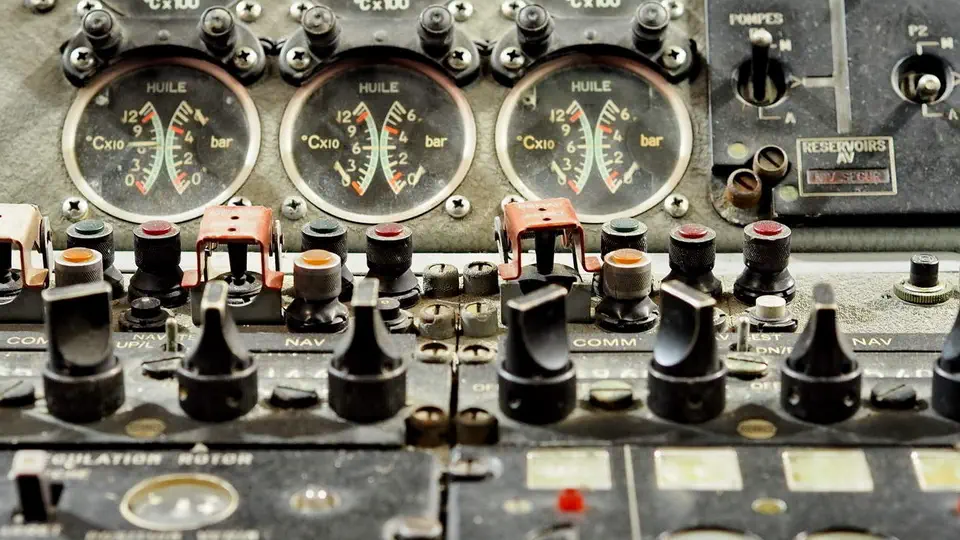
There is a relaxed and informal feel throughout the site. Helicopters stand wherever space permits, while parts and components seem to be scattered everywhere. The former military hangars housing the museum have not been overly renovated. On the contrary, the whole place feels more like a giant working workshop where mechanics and enthusiasts constantly tend to their beloved machines.
Practical Information
Adress Helicopter Museum in Weston-super-Mare: The Helicopter Museum, Locking Moor Road, Weston-super-Mare, BS24 8PP
Opening Hours
Weston Super Mare Helicopter Museum opening hours.
- Monday – Closed
Tuesday – Closed
Wednesday – 10:00 am – 4:30 pm
Thursday – 10:00 am – 4:30 pm
Friday – 10:00 am – 4:30 pm
Saturday – 10:00 am – 4:30 pm
Sunday – 10:00 am – 4:30 pm
Closed On
- 6 April 24–26 December 1 January
Admission Prices
Individual Tickets
- Dorośli – 17 funtów
- Dzieci poniżej 4 lat — wejście darmowe
- Dzieci (4 -17) – 7 funtów
- Seniorzy (65+) – 9 funtów
- Studenci – 9 funtów
Ceny biletów rodzinnych do Muzeum Helikopterów w Weston Super Mare.
- Rodzina 2+2 – 27 funty
- Rodzina 2+3 – 36 funtów
Purchased tickets remain valid for 12 months and allow unlimited visits during that period. However, each ticket is issued in an individual’s name and may only be used by the person for whom it was purchased.
For the latest admission prices and visitor information, please refer to the museum’s official website.
The Helicopter Museum in Weston-super-Mare – Facts and Interesting Information
- The museum officially opened in 1989, although the collection itself dates back to 1958.
- Aviation enthusiast Elfan ap Rees founded the museum and assembled its entire collection.
- The museum occupies former RAF facilities and uses historic military hangars and buildings.
- Until the 1950s, the site functioned as a small airfield, initially for military use and later for civilian aircraft.
- The opening of Bristol’s larger airport eventually rendered the airfield obsolete.
- The museum houses more than 100 helicopters from around the world.
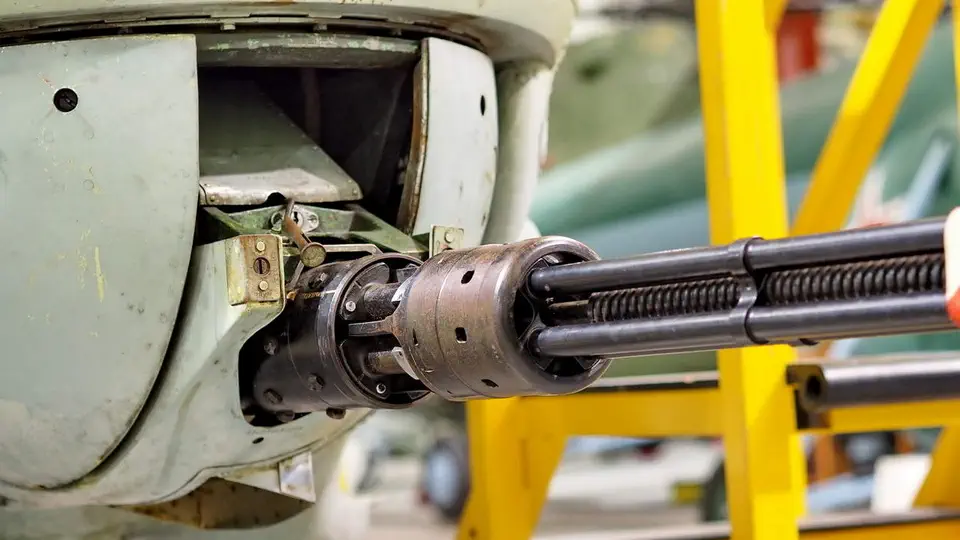
- Every aircraft undergoes restoration work aimed at returning it to its former glory.
- Most people working at the museum are volunteers.
- The Helicopter Museum is one of the largest helicopter museums in the world.
- One of the newest additions to the collection is the Westland Lynx. This British helicopter famously set a world speed record for helicopters, exceeding 400 kilometres per hour.