Interesting Facts About Birds is another article in our series exploring the things and creatures that surround us.
Birds are among the most fascinating creatures living on Earth. They can fly across oceans, travel thousands of miles during migration, sing in extraordinary ways and adapt to almost every environment imaginable. From tiny hummingbirds to enormous ostriches, the world of birds is filled with mysteries, curiosities and remarkable stories. Throughout human history, birds have symbolised freedom, wisdom, divinity, and even danger. They have appeared in art, religion, legends and everyday life for centuries. In this article, you will discover a giant collection of fascinating facts about birds. Each chapter explores a different side of the avian world – from biology to culture and mythology.
Interesting Facts About Birds
Birds are among the most extraordinary animals on our planet. Their ability to fly has fascinated people for thousands of years and inspired inventors, poets, and travellers alike. Modern science continues to uncover astonishing facts about their behaviour, intelligence, and survival skills.
Interesting Facts About Birds and the Extraordinary Nature of These Beautiful Creatures
- The bee hummingbird from Cuba is the smallest bird in the world and weighs less than a one-penny coin. Its heart can beat more than a thousand times per minute.
- Albatrosses can glide above the oceans for hours without flapping their wings once, using only air currents above the waves.
- Owls have an exceptionally silent flight thanks to the special structure of their feathers, allowing them to hunt almost noiselessly at night.
- Ravens are considered some of the most intelligent birds in the world. They can solve problems, use tools and remember human faces.
- Flamingos are born white or grey. Their pink feathers only appear after eating foods rich in carotenoids.
- Emperor penguins can survive temperatures as low as minus sixty degrees Celsius thanks to their dense feathers and thick layer of fat.
- The peregrine falcon is the fastest animal in the world. During a hunting dive, it can reach speeds exceeding three hundred kilometres per hour.
- Parrots can imitate human speech, but they mainly do it to communicate with members of their flock.
- The ostrich is the largest living bird in the world and can grow over two and a half metres tall.
- Birds have lightweight hollow bones that make flying easier and require less effort.
- Some bird species, such as cuckoos, lay their eggs in the nests of other birds to avoid raising their chicks.
- Pigeons possess an incredible sense of direction and can return home from very long distances.
- Toucans have enormous beaks that help them regulate body temperature in tropical climates.
- Songbirds learn melodies similarly to how humans learn language. Young birds listen to older ones and imitate the sounds they hear.
- Swans often mate for life and symbolise loyalty in many cultures around the world.
- Some gulls use cars to crack open shellfish by dropping them onto roads beneath moving vehicles.
- Woodpeckers have strong skulls and tongues that protect their brains while pecking at trees.
- Hummingbirds are the only birds capable of flying backwards thanks to the unique structure of their wings and muscles.
- Birds can see more colours than humans because they can detect ultraviolet light.
- Some species of seabirds can sleep while flying by resting only one half of their brain at a time.
- Peacocks use their enormous tails not only for display, but also to intimidate rivals and attract mates.
- Crows can cooperate while searching for food and pass knowledge on to future generations.
- Cassowaries are among the most dangerous birds in the world and can seriously injure humans with their sharp claws.
- Migratory birds use the Earth’s magnetic field as a natural compass during long journeys.
- Some species of ducks sleep with one eye open to notice danger more quickly.
The extraordinary nature of birds makes them some of the most fascinating creatures on Earth. Their abilities often seem almost impossible and show just how remarkable nature can be.
Interesting Facts About Birds – Where Birds Live
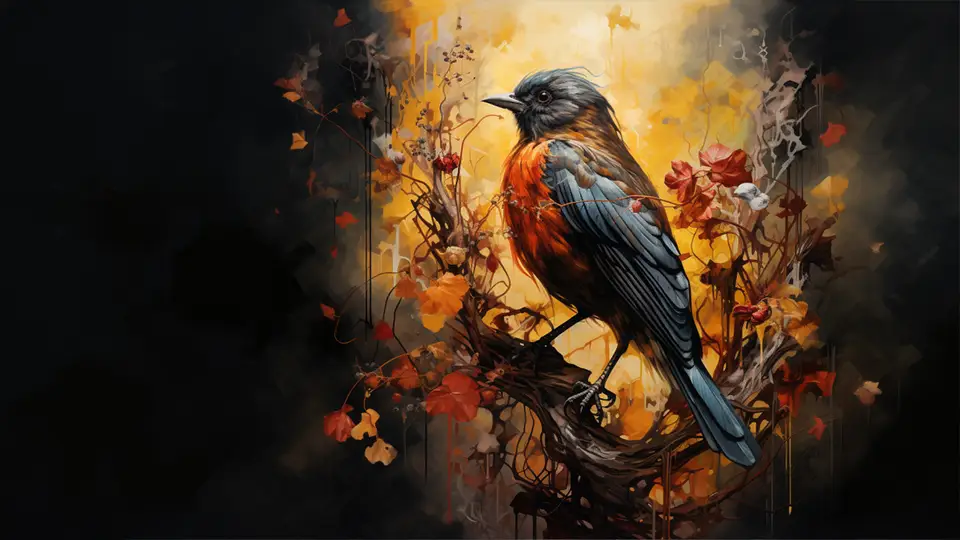
Birds can be found almost everywhere. They live in deserts, jungles, oceans, mountains and major cities. Thanks to their incredible adaptability, they have conquered nearly every corner of our planet.
- Emperor penguins live in Antarctica, where temperatures are among the lowest in the world.
- Andean condors inhabit the high mountains of South America and can soar above cliffs for hours at a time.
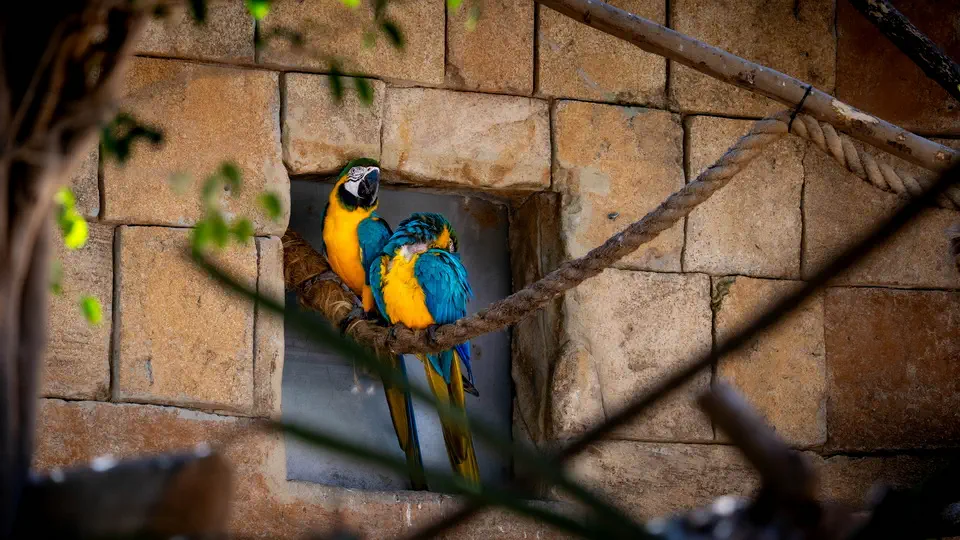
- Tropical birds such as macaws and toucans live in the humid rainforests of the Amazon filled with fruit and exotic plants.
- Gulls and albatrosses spend most of their lives above the oceans and can travel thousands of kilometres over water.
- Some owl species live in deserts and hunt at night to avoid the extreme daytime heat.
- Pigeons, sparrows, and jackdaws thrive in cities, having learned to live alongside humans.
- Flamingos often inhabit salty lakes rich in tiny organisms that form their main source of food.
- Puffins build nests on steep cliffs along the North Atlantic coast, where they are safer from predators.
- Ostriches live on the African savannah, where their speed helps them escape predators.
- Birds of prey prefer mountains and rocky cliffs, from where they can easily observe the land while hunting.
- More bird species live in tropical rainforests than in most other environments on Earth.
- Ducks and swans prefer lakes, ponds, and calm rivers rich in aquatic plants.
- Some desert birds can survive long periods without water by obtaining moisture mainly from food.
- Arctic birds must cope with months of darkness and forceful winds.
- Capercaillies and black grouse live in the coniferous forests of Europe, where they blend perfectly into the woodland surroundings.
- Australia is home to extraordinary birds such as emus and lyrebirds, capable of imitating almost any sound.
- waterbirds often build nests on islands to reduce the risk of predator attacks.
- Some bird species live only on small islands and can be found nowhere else in the world.
- Pelicans prefer coastlines and vast lakes rich in fish.
- In the Himalayas there are birds capable of flying at great heights despite the low oxygen levels.
- Birds living in wetlands have long legs that help them move through shallow water.
- Swifts can spend most of their lives in the air, landing only during the breeding season.
- Mangrove forests are home to many wading birds that hunt fish and crustaceans.
- Urban birds increasingly use buildings as substitutes for natural cliffs and rocky ledges.
- Some bird species migrate between continents, meaning they live in different parts of the world depending on the season.
The world of birds is incredibly diverse. Their presence in almost every environment demonstrates their remarkable adaptability and survival skills.
Interesting Facts About Birds – Birds in Europe
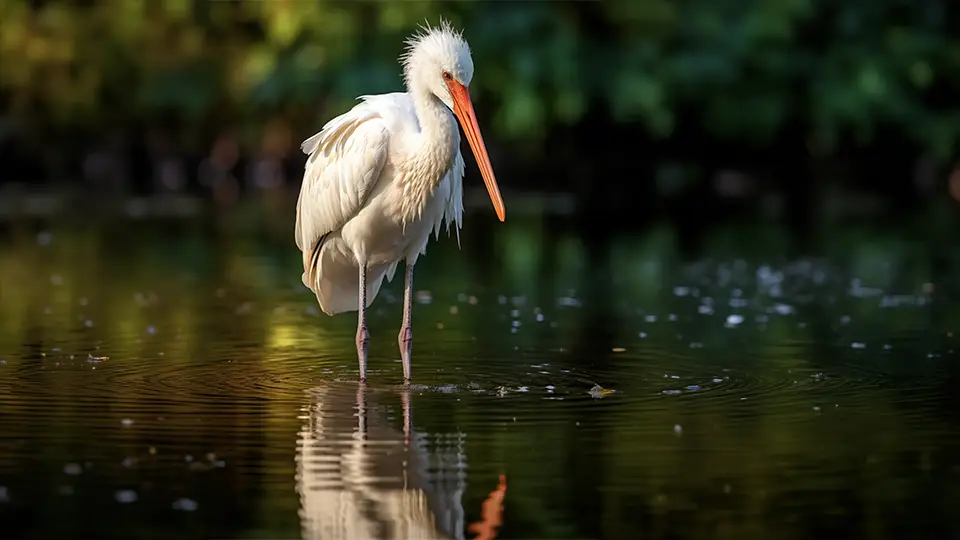
Europe is home to hundreds of bird species. Some live here throughout the year, while others arrive only for the breeding season or winter. European birds have accompanied humans in cities, villages, and forests for centuries.
- The white stork is one of the most recognisable birds in Europe and a symbol of good luck in many countries.
- Poland is home to one of the world’s largest populations of white storks.
- The nightingale is well-known for its beautiful song, which has inspired poets and musicians for centuries.
- Sparrows were once extremely common in European cities, although their numbers have declined recently.
- The golden eagle inhabits mountainous regions of Europe and is one of the continent’s largest predators.
- Puffins live along the northern coasts of Europe and are easily recognised by their colourful beaks.
- The mute swan is one of the most beautiful waterbirds found on European lakes.
- Swifts can remain airborne for several months without landing.
- The Eurasian eagle-owl is Europe’s largest owl and can even hunt foxes or young deer.
- During migration, cranes form distinctive V-shaped formations high in the sky.
- In the United Kingdom, robins are symbols of Christmas and often appear on festive cards.
- The hoopoe stands out because of its striking crest and distinctive call.
- Crows and rooks are among the most intelligent birds living in Europe.
- Pheasants were brought to Europe from Asia many centuries ago and quickly became popular game birds.
- Cormorants are excellent divers and can hunt fish underwater for long periods.
- In the Alps live bearded vultures, which drop bones from great heights to crack them open and reach the marrow.
- Great tits are among the best-known small garden birds in Europe.
- Flamingos can also be found in Europe, especially in southern Spain and France.
- Lapwings perform spectacular courtship flights filled with sharp turns and aerial acrobatics.
- Swallows have long been considered a sign of approaching spring.
- Snowy owls live in Finland and Sweden, adapted to life in freezing climates.
- Crossbills have unusual crossed beaks that help them extract seeds from pinecones.
- Birds of prey in Europe were persecuted for many years, but many species are now protected.
- European national parks are home to hundreds of migratory bird species.
- Europe is an important resting place for millions of birds travelling between Africa and the Arctic.
European birds create an incredibly rich and diverse world. They have accompanied humanity for thousands of years and remain an significant part of the natural heritage of the continent.
Interesting Facts About Birds – How Birds Are Classified

The world of birds is vast and incredibly diverse. Scientists classify birds into different groups according to their anatomy, behaviour, lifestyle and evolutionary history.
- Birds are divided into groups such as birds of prey, waterbirds, songbirds and flightless birds.
- Birds of prey possess sharp talons and curved beaks used for tearing meat.
- waterbirds include ducks, swans, and pelicans.
- Songbirds form the largest group of modern birds.
- Flightless birds such as ostriches and kiwis lost the ability to fly during evolution.
- Although penguins cannot fly, they are excellent swimmers.
- Parrots are distinguished by their intelligence and ability to imitate sounds.
- Wading birds have long legs that allow them to move through shallow waters.
- Hummingbirds form a separate group of tiny birds specialised in feeding on nectar.
- Seabirds are perfectly adapted to life above the oceans.
- Owls are nocturnal birds of prey that hunt after dark.
- Woodpeckers possess exceptionally strong beaks designed for drilling into wood.
- Migratory birds are often classified according to the length of their journeys.
- Some bird species form enormous flocks numbering thousands of individuals.
- Modern birds evolved from dinosaurs that lived millions of years ago.
- Ornithology is the scientific study of birds.
- Exotic birds frequently have brilliantly coloured feathers.
- Game birds such as pheasants and partridges are mainly adapted to life on the ground.
- Swifts and swallows spend most of their lives in the air.
- Forest birds often have camouflage colours that help them hide among trees.
- Desert birds possess adaptations that reduce water loss.
- Tropical birds are among the most colourful creatures in the world.
- Some bird species are highly specialised and feed on only one type of food.
- Scientists continue to discover new information about the origins and evolution of birds.
- More than ten thousand bird species currently exist around the world.
The classification of birds helps us better understand their diversity and extraordinary adaptations to life in different environments.
Interesting Facts About Birds – The Place of Birds in Art

Birds have inspired artists for thousands of years. They appear in paintings, sculptures, music, poetry, and architecture. They have symbolised freedom, beauty, the soul and divine power.
- Since ancient times, the peacock has symbolised beauty and wealth in many cultures.
- Doves frequently appear in religious paintings as symbols of peace and spirituality.
- In medieval manuscripts, artists often decorated margins with illustrations of exotic birds.
- Swans inspired Romantic poets with their elegance and tranquillity.
- The phoenix became a popular symbol of rebirth and immortality in art.
- Songbirds often appeared in classical music as inspiration for composers.
- In Japan, cranes symbolise happiness and long life.
- Ancient Egyptian wall paintings portrayed birds as creatures connected with the human soul.
- During the Renaissance, artists carefully studied bird anatomy to depict movement realistically.
- Bird motifs often appeared on royal coats of arms and family crests.
- Modern graffiti frequently uses bird imagery as a symbol of freedom.
- In Chinese culture, the phoenix represents harmony and imperial power.
- Eagles symbolised the strength of the Roman Empire and many later nations.
- Birds appear in ballet, most famously in Swan Lake.
- In poetry, the nightingale often symbolised love and melancholy.
- Bird motifs are extremely popular in tattoos across the world.
- Folk artists frequently decorated furniture and pottery with colourful birds.
- Church stained-glass windows often depict doves and peacocks as religious symbols.
- Bird motifs were especially popular in Art Nouveau.
- In many cultures, images of birds were believed to protect households from evil.
- Surrealist painters used birds as symbols of dreams and imaginative freedom.
- Modern wildlife photography has made birds some of the most photographed animals in the world.
- Architecture often includes sculptures of eagles or other birds decorating buildings.
- Birds are common characters in children’s books and illustrations.
- Wing motifs symbolising freedom appear in the art of almost every culture in the world.
Birds have inspired human imagination for centuries and remain among the most important symbols found in art throughout the world.
Interesting Facts About Birds – The Place of Birds in Legends, Myths, and Religions

Since ancient times, birds have appeared in human beliefs and traditions. They were considered messengers of the gods, guardians of souls or symbols of life and death.
- The phoenix was a mythical bird reborn from its ashes.
- In Norse mythology, Odin’s ravens brought the god information from across the world.
- In Christianity, the dove symbolises the Holy Spirit and peace.
- In Ancient Egypt, the falcon was associated with the god Horus.
- In Slavic mythology, some birds were believed to guide the souls of the dead.
- Hindus consider the peacock a sacred bird symbolising beauty and divinity.
- In many legends, owls symbolised wisdom or foretold misfortune.
- In Japanese culture, cranes represent longevity and happiness.
- Eagles have symbolised strength, power, and victory for centuries.
- In the Bible, the raven was the first bird released by Noah after the flood.
- Birds were often viewed as creatures connecting the earth with the heavens.
- In Greek myths, gods sometimes transformed humans into birds.
- In Celtic culture, ravens were associated with war and prophecy.
- Slavs believed that storks brought good fortune to homes where they built nests.
- In Islam, birds often symbolise the soul and the spiritual journey of humanity.
- The phoenix appears in the legends of many cultures under different names.
- During the Middle Ages, owls were believed to be connected with magic and witchcraft.
- In some religions, peacocks symbolised immortality.
- Ravens appear in legends as clever and intelligent creatures.
- In many cultures, birds were considered omens of weather changes or important events.
- Mythical harpies were depicted as half-woman, half-bird creatures.
- In ancient Rome, the flight of birds was interpreted as messages from the gods.
- Some peoples believed that the souls of the dead could take the form of birds.
- Birds often symbolised spiritual freedom and the ability to cross the boundaries of the human world.
- Bird motifs remain an significant part of modern religions, legends, and fantasy stories.
Birds have always occupied a special place in human belief systems. Their ability to fly made them seem closer to the gods than to the earth.
Interesting Facts About Birds for Children
- Hummingbirds can flap their wings dozens of times every second.
- Penguins propose to their partners by giving them pebbles.
- Parrots can learn many human words.
- Flamingos are pink because they eat shrimp and algae.
- Ostriches cannot fly, but they can run very fast.
- Owls can rotate their heads almost all the way around.
- Woodpeckers peck at trees to look for insects beneath the bark.
- Storks build enormous nests on rooftops and poles.
- Ducks have waterproof feathers.
- Peacocks spread their tails to impress a mate.
- Swifts spend most of their lives in the air.
- Birds have lightweight bones that help them fly.
- Penguins are excellent swimmers underwater.
- Seagulls sometimes steal food from tourists at the seaside.
- Ravens are among the most intelligent birds in the world.
- Swallows return to the same places every year.
- Swans often stay with the same partner for life.
- Some birds sing more beautifully at dawn than during the day.
- Toucans have huge colourful beaks.
- More than ten thousand bird species live around the world.
Birds are an incredibly important part of the natural world. They amaze us with their appearance, songs, intelligence, and ability to fly. For thousands of years they have inspired people and remained heroes of legends, works of art and religious stories. Whether we are watching a sparrow outside the window, a majestic eagle in the mountains or an exotic toucan in the jungle, every bird reminds us of the extraordinary beauty of nature. I hope the interesting facts about birds collected here help you understand their world a little better.