The City of Culture in Tunis is one of the most rewarding places to visit during a stay in Tunisia’s capital. While many travellers head straight for the historic Medina, the Bardo Museum or Avenue Habib Bourguiba, far fewer discover that just a few minutes away lies a place showcasing an entirely different side of modern Tunisia.
Known officially as Cité de la Culture Chedli Klibi, the Tunis Culture Centre is the country’s largest cultural complex and one of the most impressive institutions of its kind in North Africa. Designed to bring together tradition and innovation, it connects art with education while providing a meeting place for Tunisian artists and international visitors alike.
Covering approximately nine hectares, the complex opened its doors in 2018 after many years of construction. It stands on Avenue Mohamed V, on the site of the former International Trade Fair Centre, and has quickly become a symbol of Tunisia’s cultural ambitions.
Whether you’re passionate about art or simply curious to experience another side of the city, it’s well worth setting aside at least a few hours to explore the complex. Even if you don’t plan to attend a concert or theatre performance, wandering through its spacious grounds offers a fascinating insight into how contemporary Tunisia embraces culture, creativity and modern architecture.
During our visit to Tunis, we decided to explore this remarkable venue, and it turned out to be one of the city’s biggest surprises.
City of Culture in Tunis – First Impressions Striking Contemporary Architecture
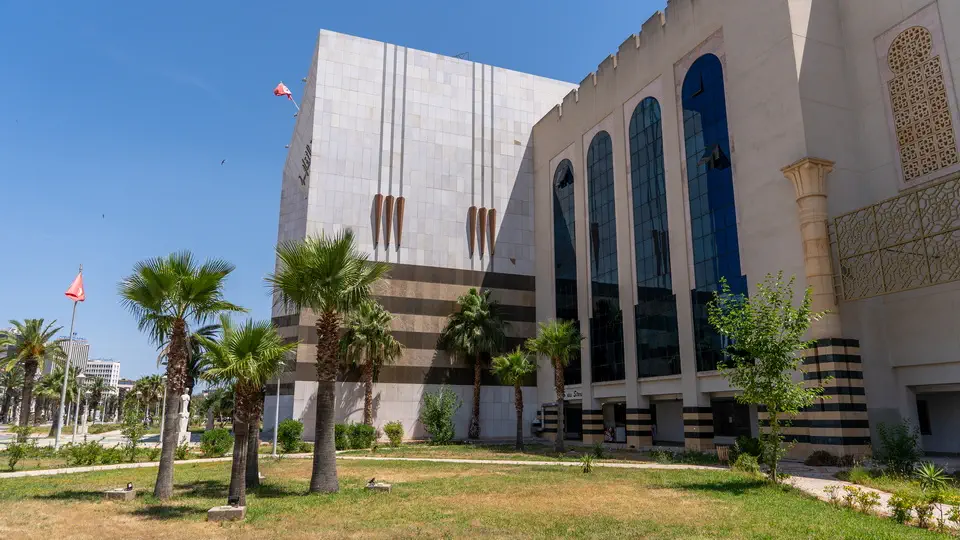
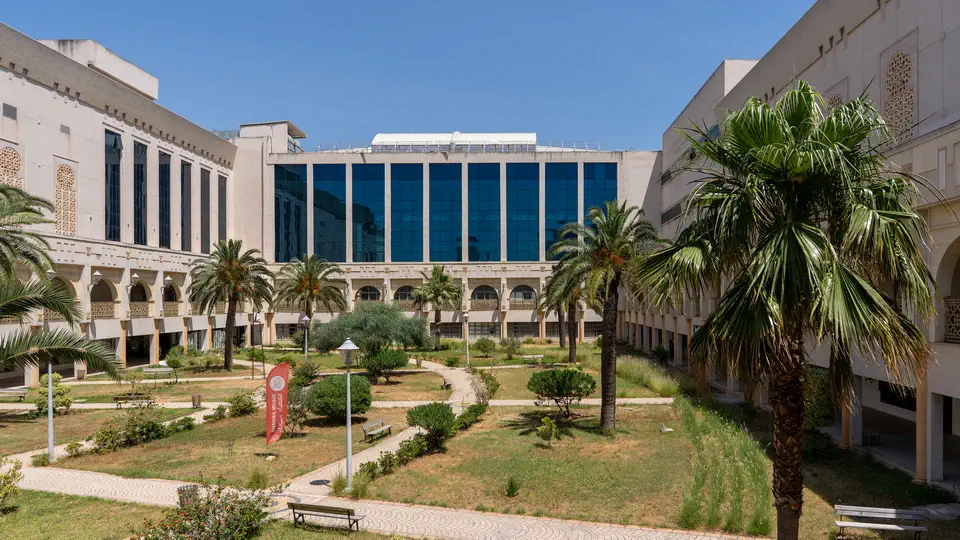
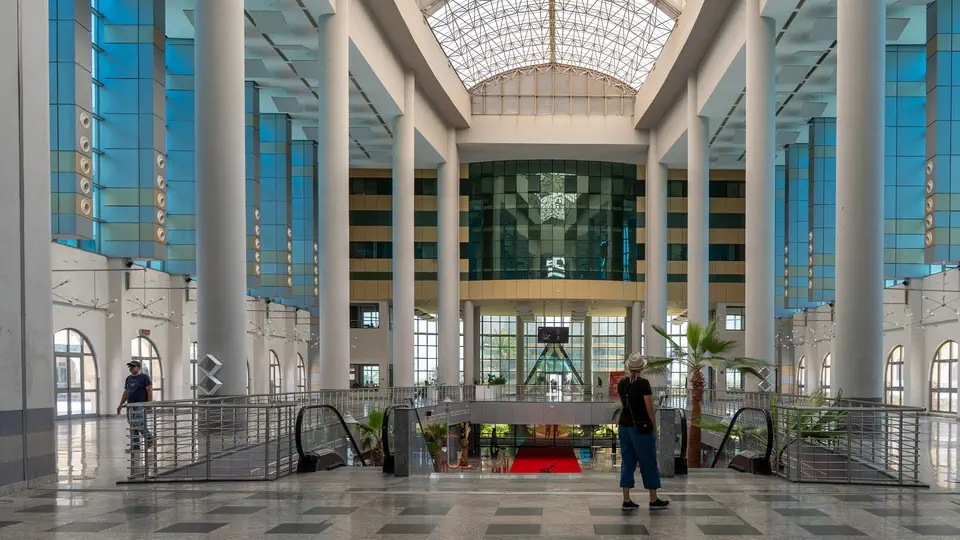
Long before you reach the entrance, your attention is drawn to the spectacular glass dome that appears to float above the surrounding buildings. Its bold, futuristic design contrasts sharply with the traditional architecture found elsewhere in Tunis. Glass, steel and pale stone dominate the exterior, giving the complex the appearance of a world-class cultural and conference centre rather than a conventional museum.
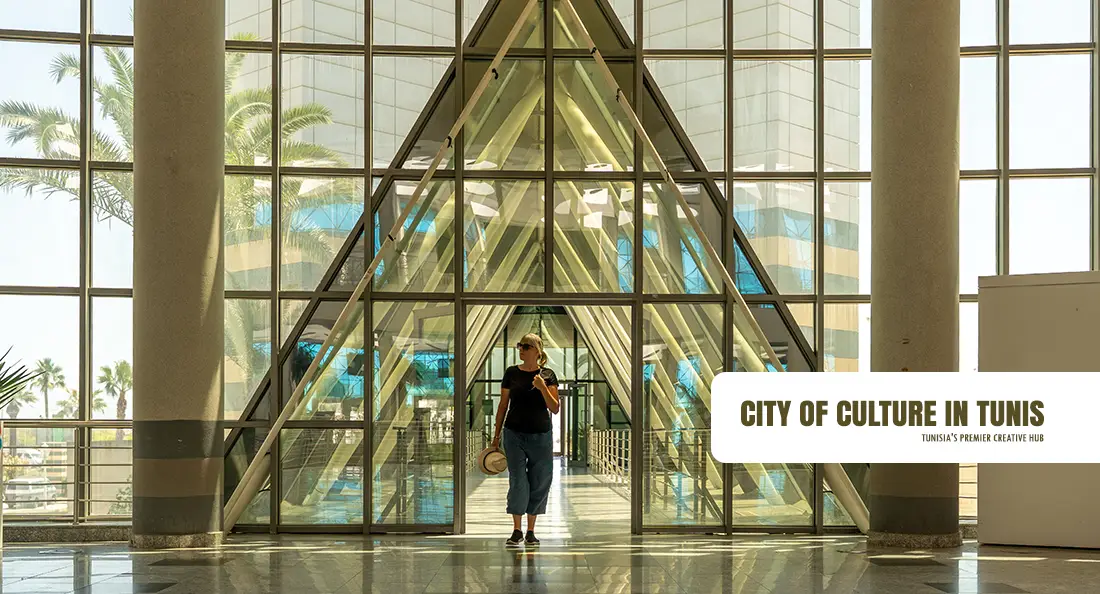
The interior is equally impressive. Wide promenades, soaring atriums and generous open spaces create an atmosphere that feels bright and welcoming, even when the centre is busy. The architects designed the complex as a gathering place for residents, artists and visitors, so you’ll find cafés, seating areas and peaceful corners where you can take a break or simply watch everyday life unfold.
The atmosphere changes completely after sunset. As darkness falls, the buildings are beautifully illuminated, transforming the entire complex into one of the most photogenic and atmospheric places in modern Tunis.
City of Culture in Tunis – What Does the Tunis Culture Centre Offer Visitors?
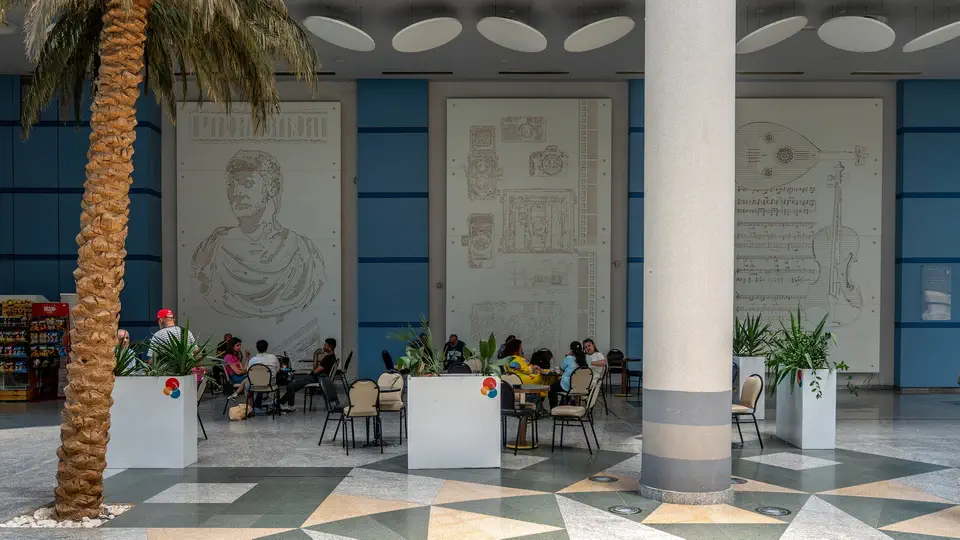
Although its name suggests a single building, the City of Culture in Tunis is actually a vast complex housing numerous cultural institutions. This means there’s something to suit virtually every visitor, whether you’re interested in music, theatre, cinema, photography, literature or contemporary art.
One of its greatest strengths is the sheer variety of experiences on offer. In a single day, you can browse an exhibition of contemporary paintings, visit a museum, enjoy a film screening and finish the evening with a symphony concert or an opera performance.
The complex is home to the National Museum of Modern and Contemporary Art, the Opera of Tunis, several theatres, cinemas, art galleries, temporary exhibition spaces, institutions dedicated to literature and translation, a national centre for film and visual arts, as well as cafés and relaxing public spaces.
Because everything is located within one beautifully designed complex, even visitors who don’t usually spend much time in museums often find themselves happily exploring for most of the day.
City of Culture in Tunis – The Opera of Tunis is a Heart of the Cultural Complex
The architectural and cultural centrepiece of the entire complex is the Opera of Tunis. It has become one of the defining symbols of contemporary Tunisian culture.
Its main auditorium seats around 1,650 people and regularly hosts classical concerts, opera performances, ballet productions and shows by internationally acclaimed artists. In addition, two smaller performance spaces provide venues for regional theatre companies and emerging performers.
For visitors, one of the greatest attractions is the opportunity to experience Tunisian performing arts first-hand. The programme frequently includes traditional Arabic music concerts, performances by the national symphony orchestra, ballets inspired by the history of the Maghreb, and innovative reinterpretations of classical masterpieces.
Ticket prices are generally far lower than those of many European opera houses, making it well worth checking the programme before your trip to Tunis.
City of Culture in Tunis – National Museum of Modern and Contemporary Art
If you have an interest in art, make sure you visit the National Museum of Modern and Contemporary Art, one of the highlights of the Tunis Culture Centre. Its exhibitions trace the evolution of Tunisian art from the mid-20th century to the present day, offering a fascinating insight into the country’s creative development.
The museum showcases an impressive collection of paintings, photography, sculptures, multimedia installations and works by emerging artists experimenting with cutting-edge technologies and contemporary forms of expression.
Visiting the museum is an entirely different experience from exploring the ancient ruins of Carthage or the renowned Bardo Museum. Instead of looking back at Tunisia’s distant past, you’ll discover a vibrant, modern nation shaped by talented artists whose work blends Arab traditions with European influences.
The museum also hosts a changing programme of temporary exhibitions featuring artists from across Africa and the Mediterranean, ensuring that every visit offers something new.
City of Culture in Tunis – Cinematheque and Modern Cinemas, A Must for Film Lovers
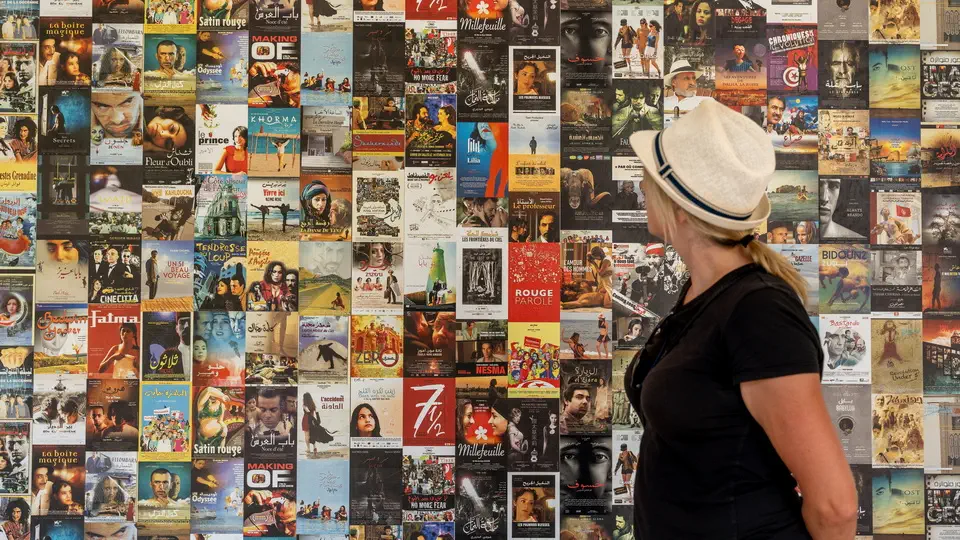
One of the lesser-known attractions within the complex is the Cinematheque, together with its state-of-the-art cinemas. This is where visitors can enjoy international film festivals, screenings of Arab cinema, documentary films, classic masterpieces and special events featuring directors, actors, and producers.
If your visit coincides with one of the centre’s film festivals, you’ll have the chance to watch productions that rarely reach cinemas outside the Arab world. It’s an excellent opportunity to gain a more profound understanding of Tunisian culture through the lens of cinema.
For anyone interested in world cinema, this is undoubtedly one of the most rewarding experiences the Tunis Culture Centre has to offer.
City of Culture in Tunis – Temporary Exhibitions, Festivals and Cultural Events Throughout the Year
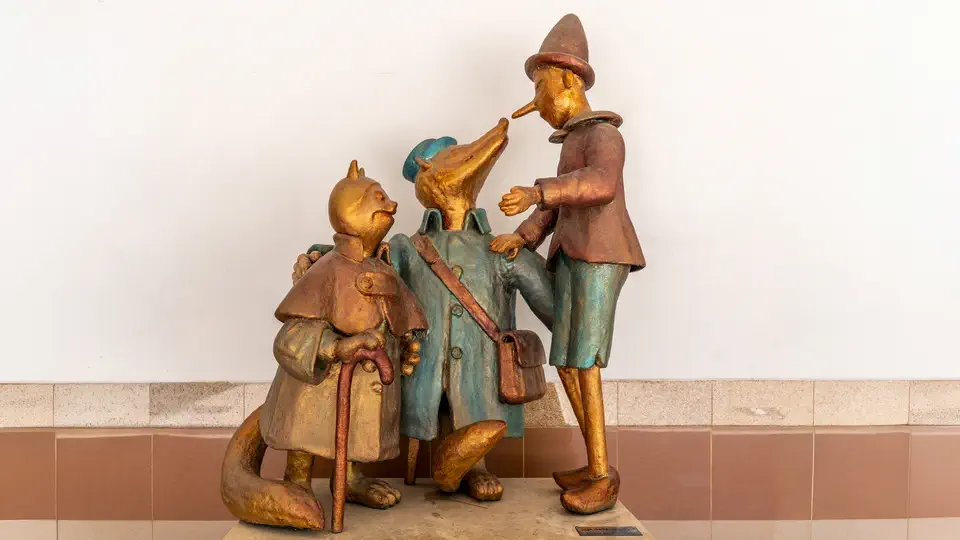
One of the greatest strengths of the City of Culture in Tunis is that no two visits are ever quite the same. Throughout the year, the complex hosts an ever-changing programme of exhibitions dedicated to photography, painting, sculpture, digital art and contemporary installations.
Many exhibitions showcase the work of Tunisian artists, while others feature creators from France, Italy, Spain, and countries across Africa. This constant rotation keeps the complex lively throughout the year and encourages even residents to return time and again.
Its packed cultural calendar is one of the reasons the centre has become such an important part of life in modern Tunis. Rather than being a place you visit once and forget, it offers something new almost every week, from concerts and theatre performances to film screenings, art exhibitions and meetings with artists.
During our visit, the evening atmosphere made the biggest impression on us. As the sun set, the courtyards filled with local people enjoying the warm evening air. Students gathered in cafés discussing art over coffee, while queues formed outside the concert halls as people of all ages arrived for the night’s performances.
It was impossible not to notice how deeply culture is woven into everyday life in Tunisia.
For travellers, this provides a wonderful opportunity to experience the country from an entirely different perspective. Instead of focusing solely on monuments that are thousands of years old, visitors can immerse themselves in Tunisia’s thriving contemporary arts scene and discover the creativity shaping the nation today.
Carthage Theatre Days – A Celebration of Arab and African Theatre
One of the most prestigious events hosted at the Tunis Culture Centre is the Journées Théâtrales de Carthage (JTC), better known in English as the Carthage Theatre Days.
Founded in 1983, the festival has grown into one of the leading theatrical events in both Africa and the Arab world. Over the course of several days, stages across the cultural complex welcome productions from Tunisia, Algeria, Morocco, Egypt, Lebanon, Senegal, France and many other countries.
The programme is remarkably diverse. Alongside traditional theatre productions, audiences can enjoy modern reinterpretations of classic plays, street theatre, one-person performances, experimental productions and multimedia shows that push the boundaries of contemporary performance.
The festival attracts far more than theatre enthusiasts. Directors, actors, critics, academics, and students from across the world gather in Tunis to exchange ideas, attend workshops and participate in discussions about the future of theatre.
For international visitors, the event offers a unique opportunity to discover the richness, diversity, and creativity of contemporary Arab and African performing arts.
Carthage Film Days – Africa’s Oldest Film Festival
Another event that deserves a place on every culture lover’s itinerary is the Journées Cinématographiques de Carthage (JCC), internationally known as the Carthage Film Days.
Established in 1966, it is the oldest film festival in both Africa and the Arab world. Although screenings take place at several venues across Tunis, the Tunis Culture Centre serves as one of the festival’s main hubs. Its cinemas host feature films, documentaries, animated productions and short films from across Africa, the Middle East and the Mediterranean region.
For international visitors, the festival offers a rare chance to watch films that are seldom screened in European cinemas. Many screenings are followed by discussions with directors, producers and actors, giving audiences a fascinating insight into the creative process behind the films.
Even if you don’t speak Arabic, many screenings include English or French subtitles, allowing overseas visitors to enjoy the festival just as much as local audiences.
Music Festivals and Concerts Throughout the Year
Music plays a central role at the City of Culture in Tunis. Almost every month, the Opera of Tunis hosts concerts featuring an impressively diverse programme.
Visitors can enjoy everything from classical music performed by symphony orchestras to traditional Arabic melodies, Andalusian music, jazz, flamenco, and contemporary electronic performances. Artists from Tunisia, Europe and across Africa regularly appear on stage, ensuring that every season brings fresh musical experiences.
During the summer months, many concerts move outdoors. Performances beneath the evening sky create a magical atmosphere, attracting both residents and visitors looking for a memorable night in Tunis.
Whether you enjoy classical masterpieces or modern world music, there’s an excellent chance you’ll find a performance worth attending.
Dance and Ballet Festivals
The Tunis Culture Centre is also one of the country’s leading venues for dance. Throughout the year, it hosts international ballet performances and contemporary dance festivals featuring artists from Tunisia and abroad.
Audiences can enjoy classical ballet alongside productions inspired by the heritage of the Maghreb, modern dance performances and innovative shows combining choreography with multimedia technology.
Many productions are collaborative projects involving Tunisian and European artists, creating performances that successfully blend different artistic traditions and cultural influences.
Literary Events and Book Fairs
Book lovers will also find plenty to enjoy at the Tunis Culture Centre. Throughout the year, the venue hosts author talks, book launches, discussions on Tunisian history and culture, and meetings with writers from around the world.
Events dedicated to Arabic and French-language literature are especially popular, while workshops for aspiring writers and translators attract participants from across the region.
For international visitors, these literary events provide an excellent introduction to contemporary Tunisian literature, which often explores the country’s social, historical and cultural identity.
Art Exhibitions All Year Round
One of the biggest reasons to return to the City of Culture in Tunis more than once is its constantly changing exhibition programme.
Every year, dozens of exhibitions showcase painting, photography, sculpture, printmaking, Arabic calligraphy and digital art. Many are organised in partnership with international cultural institutions, allowing visitors to admire works by artists from France, Italy, Spain, Germany, and countries across Sub-Saharan Africa.
Several exhibitions are interactive, giving visitors the opportunity to take part in workshops, demonstrations, and presentations exploring the latest technologies used in contemporary art.
As a result, every visit offers something fresh, making the Tunis Culture Centre one of the most dynamic cultural attractions in Tunisia.
City of Culture in Tunis – Practical Information for Visiting the Tunis Culture Centre
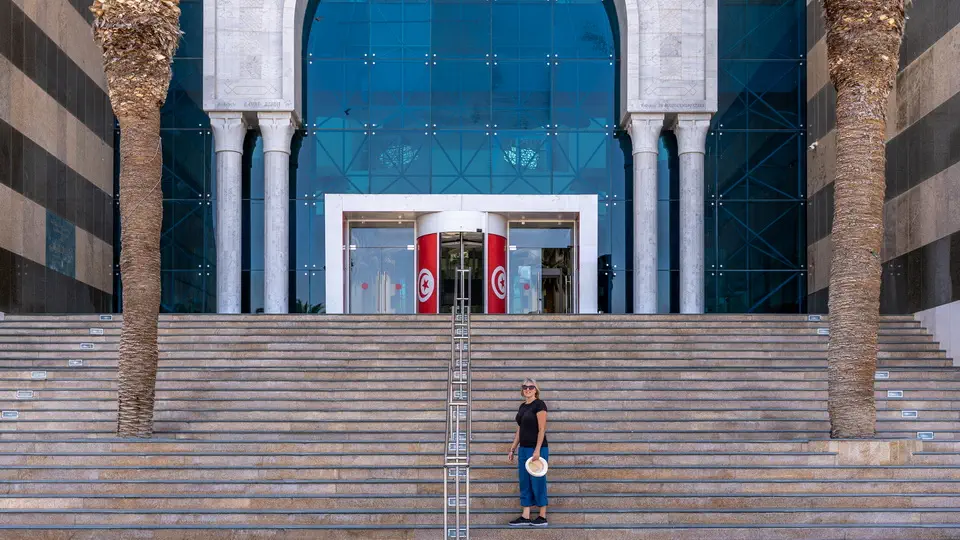
Although the Tunis Culture Centre is one of the country’s most impressive modern landmarks, surprisingly few tourists include it in their sightseeing plans. That’s a real shame, as its convenient location makes it easy to combine with visits to the Medina of Tunis, Avenue Habib Bourguiba or the famous Bardo Museum.
With a little planning, you can easily experience both the historic and contemporary sides of Tunisia’s capital in a single day.
- Where Is the Tunis Culture Centre? – The complex stands on Avenue Mohamed V, one of Tunis’s main thoroughfares. This modern district is home to office buildings, hotels, cafés and government institutions, creating a striking contrast with the narrow streets of the old Medina. From the historic centre, the walk takes around 20 to 30 minutes at a relaxed pace. Along the way you’ll pass wide pavements, public squares, shops and restaurants, giving you a chance to experience another side of everyday life in Tunis.
- How to Get There – There are several convenient ways to reach the Tunis Culture Centre.
- By Taxi – Taking a taxi is by far the easiest option. Taxis in Tunis are relatively inexpensive, and virtually every driver knows the Cité de la Culture. Simply mention the name, and you’ll be dropped off right outside the main entrance. Before setting off, it’s always wise to check that the driver has switched on the meter to avoid unnecessary fare negotiations.
- By Métro Léger – The city’s Métro Léger light rail system is another excellent choice. Several lines stop within easy walking distance of the complex, making it an affordable and efficient way to travel from most parts of Tunis. It’s also a great option for travellers who enjoy experiencing everyday local life while saving money on transport.
- On Foot – If you’re staying near Avenue Habib Bourguiba or in central Tunis, walking is highly recommended. The route is straightforward, well maintained and passes through one of the city’s most attractive modern districts.
- How Much Time Should You Allow for Your Visit? – The amount of time you’ll need depends on what you’d like to see. If you’re mainly interested in the architecture and the current exhibitions, around two hours should be enough. However, if you plan to visit the museum, browse the galleries and stay for a concert, opera or theatre performance, it’s worth setting aside between four and six hours. Art enthusiasts could easily spend an entire day here, particularly if one of the major festivals is taking place. The best time to visit is in the late afternoon. You can spend the morning exploring the Medina of Tunis or the Bardo Museum before ending the day with an evening performance. After sunset, the beautifully illuminated buildings create a magical atmosphere that complicates the entire even more impressive.
- Opening Hours – Different parts of the complex operate independently, so opening times vary. Museums, galleries, libraries, and exhibition spaces often follow different schedules from the opera house and performance venues. If you’re planning to attend a specific concert, exhibition or theatre production, it’s worth checking the latest programme in advance. This is especially important during public holidays and throughout Ramadan, when opening hours and event schedules may change.
- Do You Need to Book Tickets in Advance? – The public areas of the Tunis Culture Centre can usually be explored free of charge. Tickets are required for concerts, opera performances, theatre productions and other ticketed cultural events. For smaller performances, it’s often possible to buy tickets on the day. However, if a well-known performer is appearing or one of the major festivals is taking place, booking in advance is strongly recommended to avoid disappointment.
- When Is the Best Time to Visit? – The Tunis Culture Centre is worth visiting throughout the year, but from our experience the best months are October to May. The weather is much more pleasant than during the height of summer, and this is when the cultural calendar is at its busiest. Visitors can enjoy the widest selection of concerts, theatre performances, exhibitions and international festivals. Autumn is particularly exciting, as many of Tunisia’s most important theatre and film festivals take place during this season. If you’re travelling in summer, consider visiting after sunset. Temperatures become far more comfortable, while open-air concerts and evening events fill the complex with a lively atmosphere.
- Cafés and Restaurants – Several modern cafés and snack bars are located within the complex, making it easy to take a break between exhibitions. You can enjoy a traditional Tunisian coffee, refreshing mint tea or a light meal without leaving the venue. If you’re looking for a more substantial lunch or dinner, simply walk a few minutes towards Avenue Mohamed V, where you’ll find a wide range of restaurants serving Tunisian, French, Italian and international cuisine.
- Is the Tunis Culture Centre Suitable for Families? – Absolutely. The Tunis Culture Centre is spacious, modern, and family-friendly. Throughout the year it hosts a wide variety of events designed specifically for children, including art workshops, theatre performances, animated film screenings and educational concerts. Large open spaces allow younger visitors to move around safely, while numerous seating areas make exploring the complex comfortable, even for families travelling with small children.
- Safety – The area surrounding the Tunis Culture Centre is considered one of the safest parts of Tunis. Government offices, hotels and administrative buildings ensure that the neighbourhood remains busy throughout the day with residents, office workers and visitors. The complex itself is well lit after dark and regularly patrolled by security staff. As with any major city, it’s sensible to keep an eye on your belongings, avoid displaying expensive equipment unnecessarily and take normal travel precautions.
- Helpful Tips Before You Visit – Before travelling, it’s worth checking the centre’s latest events calendar. Even if you’re only planning a brief visit, you may discover that a concert, exhibition, or festival is taking place during your stay. Photography enthusiasts should definitely bring a camera. The striking glass dome, elegant contemporary architecture and dramatic evening lighting make this one of the most photogenic locations in modern Tunis. If you enjoy discovering cities through their culture as well as their history, the Tunis Culture Centre deserves a place near the top of your itinerary. It demonstrates perfectly how Tunisia celebrates its rich heritage while confidently embracing the future.
City of Culture in Tunis – Facts and Interesting Things to Know
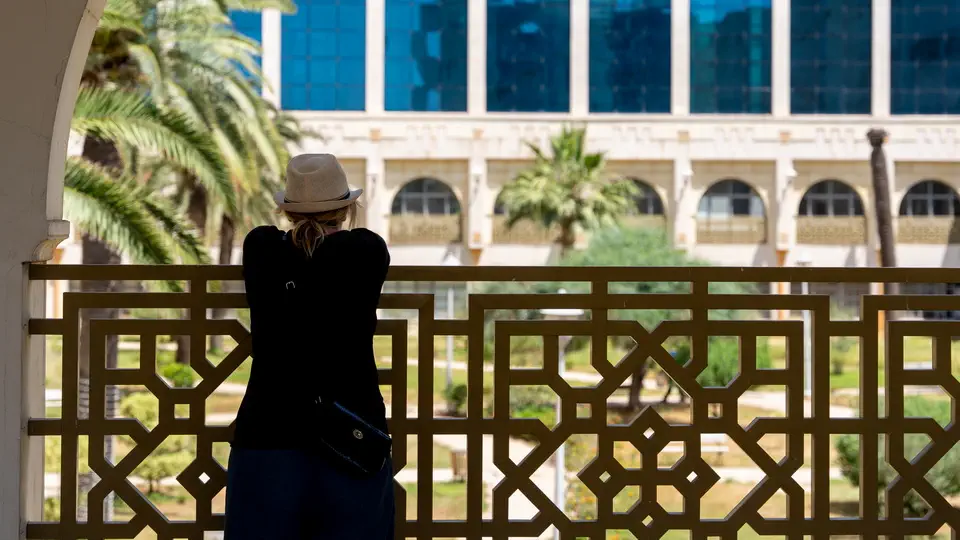
- It Is Tunisia’s Largest Cultural Complex – Covering around nine hectares, the Tunis Culture Centre is the country’s largest venue dedicated to arts and culture. Within a single complex, you’ll find an opera house, museums, theatres, cinemas, galleries and numerous cultural institutions.
- Construction Took Many Years – Although the first plans were drawn up in the early 2000s, financial and organisational challenges significantly delayed the project. The complex eventually opened to the public in 2018.
- It Is Named After an Influential Tunisian Cultural Figure – The official name, Cité de la Culture Chedli Klibi, honours Chedli Klibi, a distinguished Tunisian intellectual, Minister of Culture and the first Tunisian to serve as Secretary-General of the Arab League.
- The Glass Dome Has Become a Symbol of Modern Tunis – The spectacular glass sphere rising above the complex can be seen from many parts of the city centre and has become one of the most recognisable landmarks of contemporary Tunis.
- Home to One of North Africa’s Largest Opera Houses – The main auditorium seats around 1,650 people, making it one of the largest and best-equipped performing arts venues in North Africa.
- It Houses the National Museum of Modern and Contemporary Art – The museum presents works by Tunisian artists from the mid-20th century to the present day, including paintings, sculptures, multimedia installations and cutting-edge contemporary artworks.
- One of the Main Venues for the Carthage Film Days – During the internationally renowned Carthage Film Days, the centre’s cinemas become a meeting place for filmmakers, actors, and cinema enthusiasts from across Africa and the Arab world.
- There Is Something Happening Almost Every Day – For most of the year, the complex hosts concerts, theatre performances, film screenings, workshops, conferences and temporary exhibitions, ensuring there’s always something new to experience.
- Many Events Are Free to Attend
- A surprising number of events at the Tunis Culture Centre are completely free of charge. Temporary exhibitions, open-air concerts, literary talks and cultural activities held in the courtyards can often be enjoyed without purchasing a ticket, making the complex an excellent destination for travellers on any budget.
- A Favourite Meeting Place for Residents – The Tunis Culture Centre is far more than a tourist attraction. It has become an important social hub where Tunisians meet friends, enjoy a coffee, attend family events or simply relax after work. This lively atmosphere gives visitors a genuine glimpse into everyday life in modern Tunis.
- Contemporary Architecture with Traditional Inspiration – Although the buildings are constructed primarily from glass, steel and stone, the architects drew inspiration from traditional Arab courtyards and the open public spaces typical of cities across the Maghreb. The result is a striking blend of modern design and regional heritage.
- The Complex Looks Even More Spectacular After Dark – As night falls, the buildings are beautifully illuminated, while the iconic glass dome reflects the lights of the surrounding city. Many photographers consider the evening to be the best time to capture the complex at its most impressive.
- Several Performance Venues in One Location – In addition to the main opera house, the complex includes several smaller theatres designed for experimental productions, children’s performances and more intimate cultural events. This variety allows the centre to host an exceptionally diverse programme throughout the year.
- One of the Best Places to Discover Contemporary Tunisia – While many visitors focus on Tunisia’s ancient monuments and archaeological sites, the Tunis Culture Centre offers an insight into the country’s modern creative scene. It showcases the work of today’s artists, musicians, filmmakers and performers, revealing a dynamic and forward-looking side of Tunisia that many travellers never experience.
- An Important Educational Centre – The complex regularly organises workshops and educational programmes for children, teenagers, and adults. Subjects range from painting, photography and theatre to music, Arabic calligraphy and digital art, encouraging creativity across all generations.
- Artists from Around the World Perform Here – Musicians, actors, dancers and visual artists from Europe, Africa, the Middle East and beyond appear at the Tunis Culture Centre throughout the year. This international approach ensures an exciting and constantly changing cultural programme.
- One of the Most Photogenic Places in Modern Tunis – Its striking architecture, spacious plazas, elegant glass façades and impressive lighting have made the complex one of the city’s favourite locations for photographers, content creators and architecture enthusiasts.
- Ramadan Brings a Unique Atmosphere – During Ramadan, the Tunis Culture Centre hosts a series of special evening concerts and cultural events after the daily fast has ended. Traditional music, lively gatherings and a festive atmosphere attract large crowds of residents, creating one of the most memorable times of year to visit.
- A Symbol of Modern Tunisia – The creation of the Tunis Culture Centre reflects Tunisia’s commitment not only to economic development but also to investment in education, creativity, and the arts. Today, it stands as one of the country’s most recognisable symbols of cultural progress and modern identity.
- There’s Something for Everyone – Even visitors with little interest in museums or galleries are likely to enjoy spending time here. Contemporary architecture, welcoming cafés, spacious public squares, evening concerts and a relaxed atmosphere make the Tunis Culture Centre an appealing destination for all kinds of travellers. It is a perfect example of how a thoughtfully designed public space can serve both as a major tourist attraction and as a vibrant meeting place for the local community.