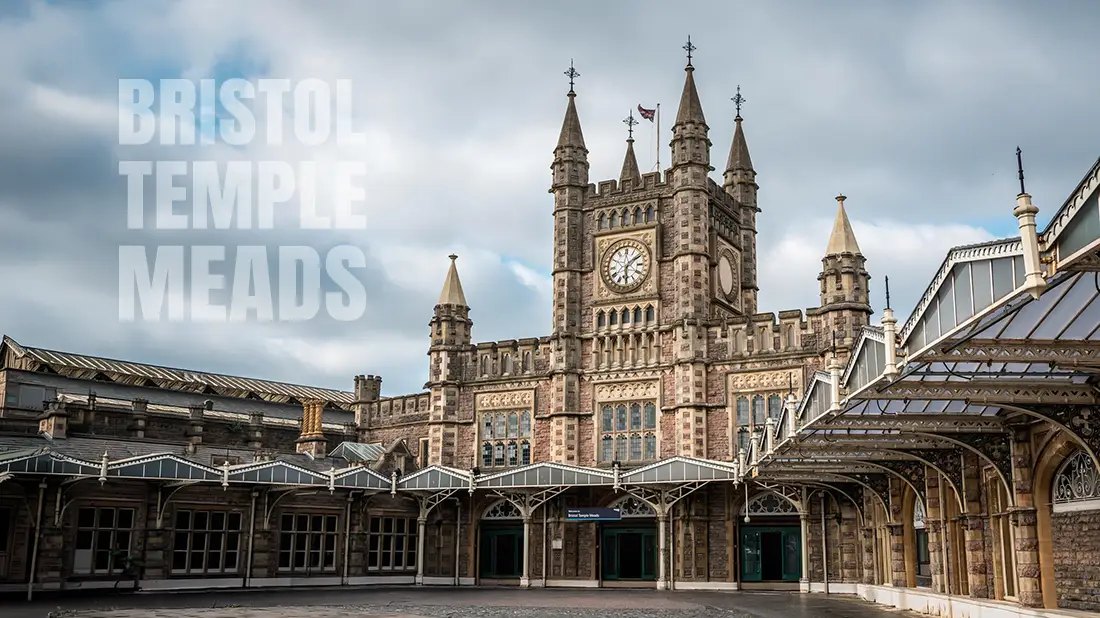
I rarely travel by train, partly because I find other forms of transport more convenient and partly because they save me time and money. However, I have always appreciated the beauty of old railway stations, the sight of steam locomotives billowing clouds of black smoke, and the enormous influence the railway has had on the development of Europe and the wider world. Today, I would like to tell you about Bristol Temple Meads, one of the most beautiful railway stations I have ever seen.
Bristol Temple Meads is one of the most recognisable railway stations in South West England. For most passengers, it is simply the place where trains arrive from London, Bath, Cardiff, and other British cities. However, this historic building has a far more interesting story than you might imagine at first glance.
Whenever I visit places like this, I find myself thinking about how dramatically the railway changed cities and the way people travelled. This is particularly noticeable in Bristol. Temple Meads was built at a time when rail travel was only just beginning to gain popularity, and its development provides an excellent example of how rapidly Britain’s transport infrastructure evolved during the nineteenth century.
The station is also an interesting example of Victorian industrial architecture. Its monumental train shed, distinctive platform canopies and historic structural features make it worth exploring even if you have little interest in railways. Today, Bristol Temple Meads is an important transport hub, but it remains one of the city’s most valuable historic buildings.
History of Bristol Temple Meads – from the first railway to a major station
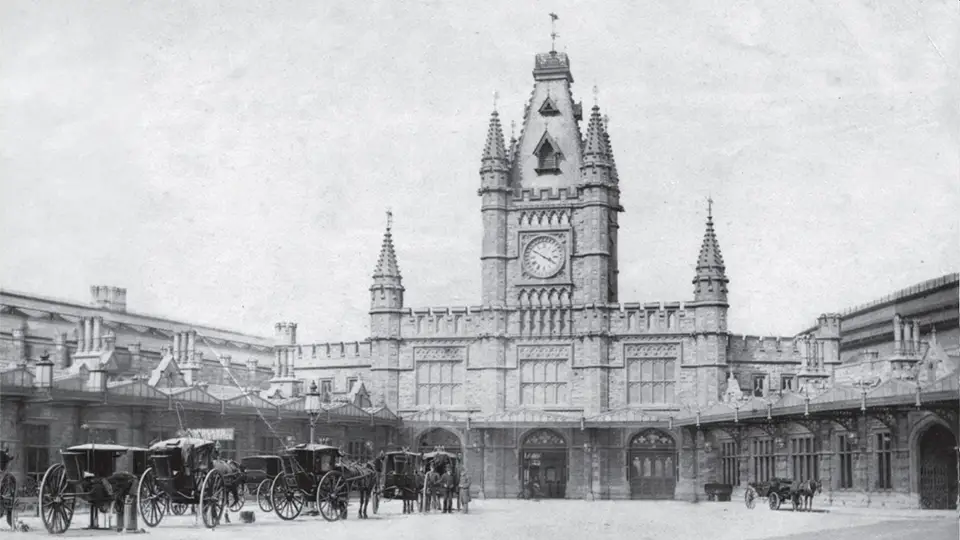
The history of the station begins in the first half of the nineteenth century, when Britain was experiencing the Industrial Revolution. Railways were becoming an increasingly important means of transport, and cities competed to attract new connections. Bristol, which was then one of the country’s most important trading ports, needed an efficient railway link with London.
The first station was designed by Isambard Kingdom Brunel, one of the most remarkable engineers of the nineteenth century. He was also responsible for numerous groundbreaking railway and engineering projects throughout Britain. If you are visiting Bristol, you can explore two other famous landmarks associated with him: the spectacular Clifton Suspension Bridge and the SS Great Britain, a historic museum ship also designed and built by Brunel.
The first station building opened on 31 August 1840. Initially, trains operated between Bristol and Bath, while the full railway connection with London was introduced a year later, on 30 June 1841. The original station was considerably smaller than the complex we see today, with just two platforms – one for arriving passengers and another for those departing.
Over the following years, railway traffic increased rapidly. More railway companies began operating services to Bristol, and the existing infrastructure could no longer cope with demand. In 1845, the Bristol and Exeter Railway opened its own station, positioned at right angles to the original building. A more substantial structure replaced it in 1854.
The real transformation, however, did not begin until the 1870s. In 1871, work started on a new and considerably larger station complex. The design was prepared by architect Matthew Digby Wyatt, who opted for a Gothic Revival style. The first part of the new station opened in July 1874, while the entire complex was completed and officially opened on 1 January 1878. At that time, the station had seven platforms, although their number increased again in subsequent years.
By the beginning of the twentieth century, Bristol Temple Meads was handling so many passengers that another expansion became necessary. Between 1930 and 1935, the station was enlarged, increasing the number of platforms from nine to fifteen. This was one of the most significant modernisation projects in its history. Brunel’s original station ceased to operate as a railway station on 12 September 1965. However, its historic structure did not disappear entirely, and parts of the original building and its distinctive timber roof can still be recognised within the present-day complex.
The architecture of the station – Gothic Revival, iron and glass
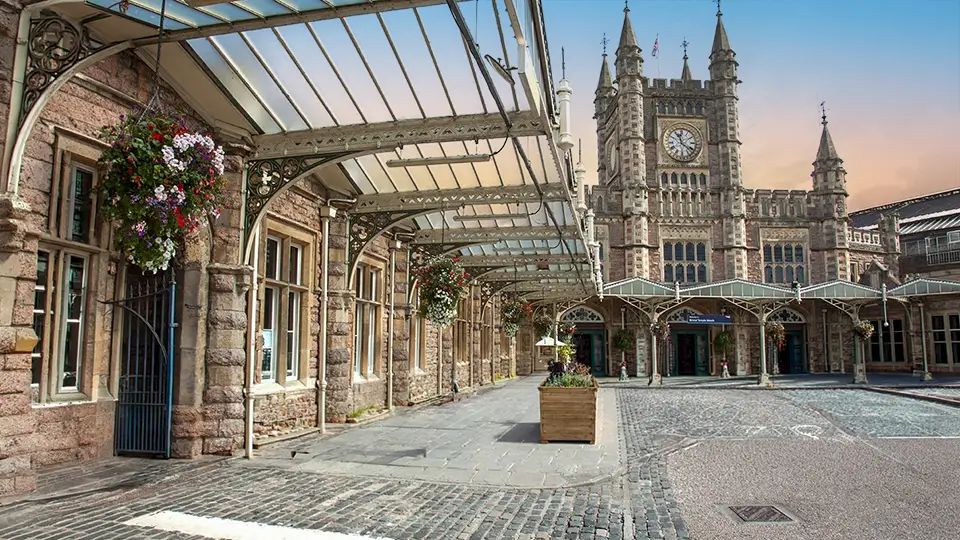
One of the station’s greatest attractions is undoubtedly its architecture. Bristol Temple Meads is not a single building designed and constructed during one particular period. It is an extensive complex that reveals several stages in the development of British railways. The oldest section, associated with Isambard Kingdom Brunel, reflected his distinctive architectural style, inspired by Tudor buildings. Matthew Digby Wyatt’s later expansion introduced Gothic Revival elements, while subsequent modernisations brought in features typical of twentieth-century industrial architecture.
The magnificent main train shed immediately catches the eye. Its enormous roof, supported by steel and timber elements, creates a remarkable space where passengers can watch trains arriving and departing regardless of the weather.
Large glazed sections allow natural light to flood the interior, while the roof structure demonstrates just how effectively functionality can be combined with architectural design. It was precisely these engineering solutions that made Victorian railway stations some of the most recognisable buildings of their age. The building is also Grade I listed, the highest category of heritage protection in England, reserved for structures of exceptional historical or architectural importance.
Where does the name Temple Meads come from?

The station’s name is closely connected with the medieval history of this part of Bristol. The word Temple refers to the Knights Templar, a religious military order that owned land here during the twelfth and thirteenth centuries. The Templars were a medieval order of knights established to protect pilgrims travelling to the Holy Land. They owned estates and agricultural buildings on what were then the southern outskirts of Bristol. Over time, the entire area became known as Temple.
The second part of the name, Meads, comes from an old English word referring to meadows and grassy fields. These were the very grounds on which the railway station was eventually built. Nearby, you will also find Temple Church, a medieval church associated with the Templars. Its ruins and distinctive leaning tower have survived to this day. The church was badly damaged during the German bombing raids on Bristol in November 1940.
This is one of the most interesting historic corners of the area surrounding the station. It is a fascinating place to see how modern railway infrastructure has been built upon much older layers of the city’s history.
Bristol Temple Meads today – a major modernisation project

Over more than 180 years, the station has undergone numerous changes in both appearance and function. Another major modernisation project has recently been launched, with the aim of adapting this historic building to accommodate growing passenger numbers. The work has included repairs to the roof of the main train shed, restoration of steel structural elements and the replacement of glazing. The scale of the undertaking has been considerable. Approximately 2,500 repairs have been carried out on steel components, alongside conservation work on the timber sections of the structure.
One of the most important developments is the construction of new station entrances. On 7 September 2026, the new eastern entrance opened, providing a direct connection to the neighbouring University of Bristol Temple Quarter Enterprise Campus.
The investment cost £23 million. According to the plans, it is expected to accommodate approximately 2.5 million passengers annually by 2030. This is the first of three new access points planned for the station. The surrounding neighbourhood is also undergoing a transformation. Temple Quarter is intended to become a modern residential and business district, with new public spaces, employment opportunities and improved transport connections.
What is there to see near Bristol Temple Meads?
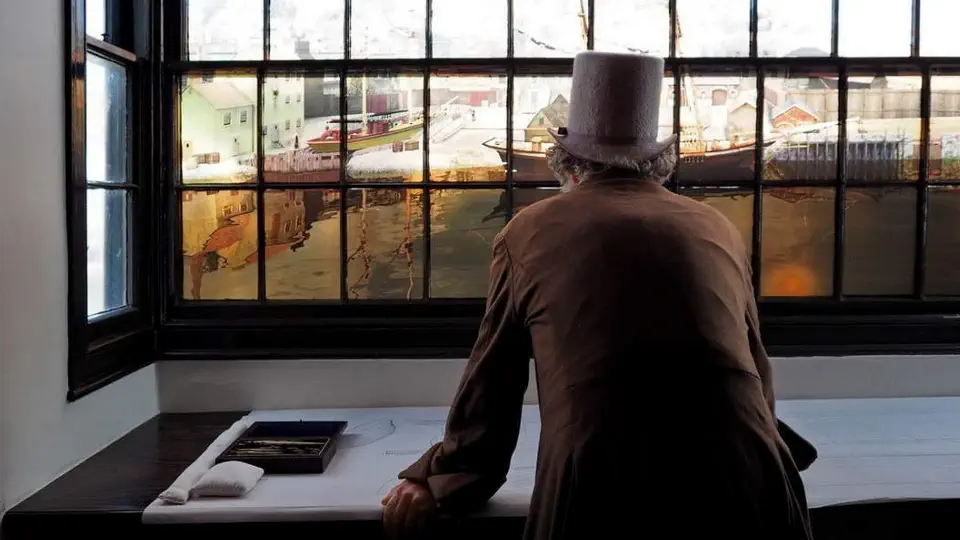
The station is an excellent starting point for exploring Bristol. Several interesting attractions can be found nearby, making it easy to combine a visit to the railway station with a short sightseeing trip around the city.
Temple Church – Medieval ruins of a Templar church with a distinctive leaning tower. It is one of the most unusual historic landmarks in this part of Bristol. I particularly recommend stopping here to learn about the Knights Templar and discover the remains of their former place of worship.
St Mary Redcliffe Church – One of the most beautiful Gothic churches in Bristol. It stands out thanks to its impressive tower, richly decorated architectural details and long history dating back to medieval times.
Bristol Floating Harbour – The city’s former commercial harbour, now one of the most pleasant areas for a walk. You will find historic dock buildings, restaurants, museums and numerous boats moored along the waterfront.
Brunel’s SS Great Britain – A historic steamship designed by Isambard Kingdom Brunel, now serving as a museum. It is one of Bristol’s most important attractions, particularly for anyone interested in engineering, maritime history and the development of transport. You can read more in my article about the SS Great Britain museum ship in Bristol.
Clifton Suspension Bridge – The famous suspension bridge in Bristol is not merely a symbol of the city. It is also a remarkable demonstration of Victorian engineering ambition and construction skills.
If you have more time, I recommend combining a walk around the railway station with a visit to Floating Harbour. This way, you can discover two important aspects of Bristol’s history – its railway heritage and its maritime past.
Practical information – how to get to Bristol Temple Meads
Bristol Temple Meads is located on Station Approach, not far from the city centre. It is Bristol’s main railway station and one of the most important transport hubs in South West England.
Trains arrive here from destinations including London Paddington, Bath, Cardiff, Birmingham, Exeter, and Plymouth. Most services are operated by Great Western Railway and CrossCountry. Facilities at the station include ticket offices, ticket machines, waiting rooms, shops, food outlets and free Wi-Fi. There are also facilities for passengers with reduced mobility. Useful information:
- Address: Station Approach, Bristol, BS1 6QF.
- Ticket office opening hours: Monday to Saturday, 6:15 am–9:30 pm; Sundays, 7:00 am–9:30 pm.
- Station opening hours: The station is accessible during railway operating hours, with access also available later in the day.
- Transport connections: Trains, buses, taxis, and connections to Bristol Airport.
- Parking: Parking facilities are available at the station.
- It is always best to check train times and any possible service disruptions before travelling. The National Rail website is a useful source of up-to-date information.
Legends and mysteries of Bristol Temple Meads – ghosts, tragic stories and railway secrets
Bristol Temple Meads has more than 180 years of history behind it, and over time, stories have emerged about ghosts, unexplained events and incidents that continue to attract attention. It is worth distinguishing local legends from documented historical events, though. Not every story associated with the station is supernatural, but some have genuinely dark origins.
During my research, I came across several accounts connected directly with the platforms, as well as legends from the surrounding neighbourhood. One of the most intriguing concerns an incident that took place in 1917 and is associated with platform five.
The ghost of platform five – a tragic story from 1917

One of the darkest stories connected with Bristol Temple Meads dates back to October 1917. Its main characters were a soldier named Albert Cross and his wife, Bessie. Albert was preparing to return to the front line in France. During their farewell at the railway station, Bessie told him that she was pregnant by another man. The news led to a terrible tragedy. Albert pulled out a rifle and shot his wife before surrendering himself to the police.
Modern accounts of haunted places in Bristol associate this tragedy with platform five. According to local stories, the ghost of a woman connected with the incident is said to appear there. However, there is no reliable evidence confirming any paranormal activity. The tragedy itself is mentioned in local collections of historical crime stories and accounts of haunted locations.
The Templar knight who appears near the station

Another story takes us to the nearby fire station on Temple Back. The building opened in 1975, and reports of strange figures appearing inside it began during its first year of operation. The best-known account concerns a mysterious man dressed in clothing resembling medieval armour. One member of staff reportedly saw him walking down the stairs. Others described a figure appearing in the courtyard and disappearing whenever someone tried to approach it. Another witness claimed to have heard the sound of horses’ hooves and the clanking of armour, but saw only the shadow of a rider vanishing into a dark station corridor.
There were also stories about a cook who supposedly chased a mysterious figure out of the kitchen. Some witnesses believed it might have been the ghost of a Templar knight. Why did they make that connection? The fire station stands on land associated with the medieval presence of the Knights Templar. Their former estates gave the entire neighbourhood its name, including Temple Meads. It is one of the more interesting local ghost stories, although it concerns the nearby fire station rather than the railway station itself.
Brunel’s mysterious tunnels and hidden rooms
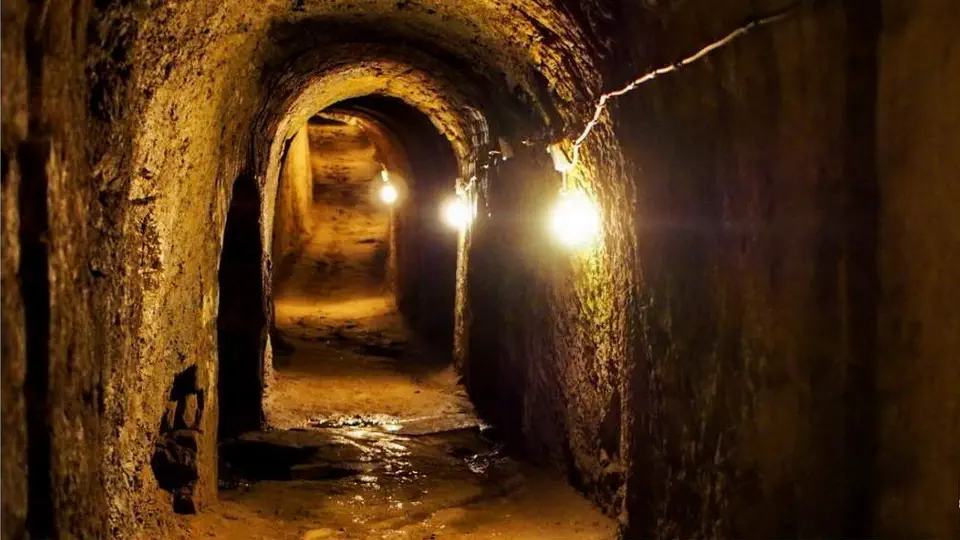
There is another story connected with the station that is less supernatural but equally fascinating. It concerns hidden spaces, tunnels, passageways and vaulted structures dating back to the time of Isambard Kingdom Brunel. During special tours organised in 2015 to mark the 175th anniversary of the first railway journey from Temple Meads, visitors were given access to areas normally closed to passengers. These included hidden passageways and rooms associated with the station’s original construction.
Local publications described these areas as Brunel’s secret world. However, they were not mysterious hideaways or confirmed locations where hidden treasures had been stored. They formed part of the technical infrastructure supporting this enormous railway project. Even today, the historic structure contains numerous features that ordinary passengers never get to see. It is a good reminder that a railway station is a far more complicated structure than its street-facing façade might suggest.
The giants of the Avon Gorge – a legend that arrived at the station

This is one of the most fascinating legends associated with Bristol, and since 2026, you can discover it at the railway station itself. The story tells of two giant brothers, Goram and Vincent, who both fell in love with a beautiful woman named Lady Avon. She decided that she would marry whichever brother managed to drain the lake stretching between Bradford-on-Avon and Bristol.
The brothers set to work. Goram began digging, creating the Hazel Brook valley, but eventually became exhausted and fell asleep. Vincent, however, refused to give up. He dug an enormous channel through which the water could flow towards the sea. According to the legend, this is how the Avon Gorge was created.
Disappointed by his defeat, Goram supposedly stamped his foot into the ground in anger, leaving behind a giant footprint. According to local tradition, it can still be found on the grounds of Blaise Estate. In March 2026, sculptures depicting the legendary giants were unveiled near Bristol Temple Meads. The installation forms part of the Great Western Railway Legend Trail, which celebrates traditional stories and folklore from South West England and Wales.
The Knights Templar and the mysteries of Temple Church

When exploring the history of Bristol Temple Meads, it is difficult to overlook the Knights Templar. Their medieval presence is precisely where the name of the entire neighbourhood comes from. The order owned estates here, and traces of its history have survived in places such as Temple Church. The building was badly damaged during the bombing raids of 1940, but its walls and distinctive leaning tower remain standing.
The church is also associated with stories about medieval knights, ancient ceremonies and the mysteries of the order. However, there is no confirmed evidence of hidden Templar treasures beneath the railway station or within the church ruins. The history of the building is fascinating enough without adding unsubstantiated claims. The original church was built by the Templars in a circular design, and its outline is still marked on the site of the former church.
I have not found any reliable evidence confirming that the railway station itself is regularly haunted. There are stories about a ghost connected with the tragic incident on platform five, but these should not be presented as verified sightings. Many more local ghost stories concern nearby buildings, particularly the fire station on Temple Back. Nevertheless, the entire neighbourhood has just the right atmosphere for such tales. Medieval traces of the Knights Templar, historic buildings, old tunnels and more than 180 years of railway history create a particularly intriguing combination.
For me, the most interesting story is that of Albert and Bessie Cross. This is not a ghost legend invented centuries ago, but a tragic event from the First World War that has become permanently embedded in local stories about the station.
A few final thoughts
In my opinion, Bristol Temple Meads deserves a visit even if you have no intention of travelling by train. It is an interesting monument to engineering and architecture, showing just how important the railway was to the development of British cities. What impresses me most is the combination of a historic structure with its modern-day purpose. The station still handles enormous numbers of passengers while retaining the character of a nineteenth-century building. It is not a museum sealed behind glass, but a living part of Bristol’s history.
If you are planning to explore the city, take a few minutes to admire the main train shed and the station’s historic façade. Afterwards, you can walk towards Temple Church, St Mary Redcliffe and the waterfront area of Bristol. This short route allows you to discover a side of the city that is easily overlooked when following the usual sightseeing trails.
Bristol Temple Meads – facts, information and interesting facts
- Bristol Temple Meads opened on 31 August 1840 and is one of the oldest railway stations in the world.
- The original station building was designed by Isambard Kingdom Brunel, the famous British engineer responsible for many groundbreaking nineteenth-century projects.
- The original station had just two platforms. One was used by arriving passengers, while the other served those beginning their journeys.
- The first trains operating from Bristol Temple Meads travelled to Bath. The route formed part of the Great Western Railway, one of Britain’s most important railway companies.
- The railway connection with London was introduced on 30 June 1841. Train travel began to compete with road and water transport.
- The name Temple Meads refers to the Knights Templar, a medieval military order that owned land in this part of Bristol. The word ‘Meads’ refers to the former meadows in the area.
- The ruins of Temple Church, a medieval church associated with the history of the Knights Templar, can be found near the station.
- Brunel’s original station was gradually expanded and replaced by a much larger complex. The main section of the new building opened in 1874, and the entire project was completed in 1878.
- The architect responsible for the nineteenth-century expansion was Matthew Digby Wyatt. He introduced Gothic Revival elements that gave the station its monumental appearance.
- The historic train shed features an impressive roof supported by a combination of timber and iron structures. It is one of the most distinctive architectural features of the entire complex.
- Bristol Temple Meads is a Grade I listed building, the highest category of heritage protection in England.
- Another major reconstruction of the station began in 1930. The work continued until 1935 and increased the number of platforms from nine to fifteen.
- The old station designed by Brunel ceased operating as a railway station on 12 September 1965. However, its historic features have survived within the wider complex.
- Bristol Temple Meads played an important role in the city’s economic development. Thanks to the railway, Bristol gained faster connections with London and other industrial centres across Britain.
- The station has been modernised many times, but its historic architecture has been preserved. This allows visitors to see a fascinating combination of nineteenth-century engineering and modern railway infrastructure.
- In November 1940, the area around the station suffered damage during German bombing raids on Bristol. The nearby Temple Church was also damaged.
- The present-day railway complex is considerably larger than Brunel’s original station. It consists of buildings and structures constructed over a period of more than a century.
- In 2026, a new eastern entrance to the station opened, providing better access to the developing Temple Quarter district and the University of Bristol campus.
- Bristol Temple Meads is an important railway hub in South West England. Trains from here connect Bristol with destinations including London, Bath, Cardiff, Birmingham, Exeter and Plymouth.