Interesting facts about fish are part of our collection exploring the many wonders of the world around us, where you can discover all kinds of interesting information about nature, history and everyday life.
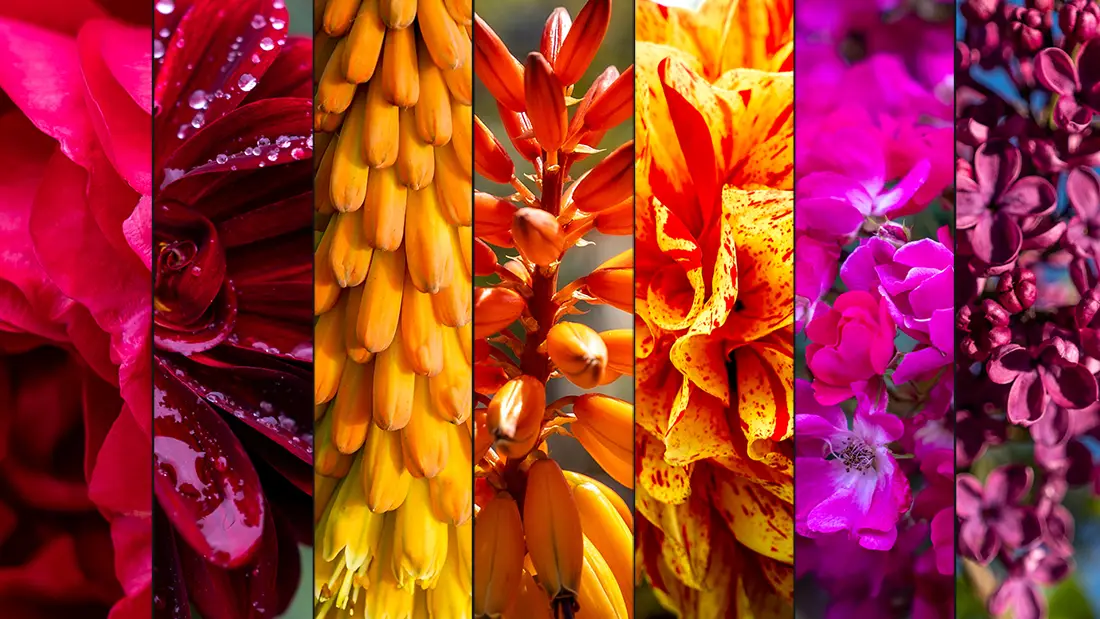
Flowers delight us with their colours, fragrances and incredible variety, but their importance goes far beyond decorating gardens or brightening up our homes. Without flowers, many of the fruits, seeds, and products that we enjoy every day would not exist. They are also an important part of human culture, religion, traditional medicine and ancient beliefs.
Some flowers can generate their heat on cold days, others produce a smell resembling rotting flesh, while a few open only after dark. There are species that have survived for millions of years and others whose individual flowers last just a few hours. I have put together a collection of interesting facts about flowers, divided into several themed chapters. You will find historical and natural history facts, as well as stories about how people have used flowers throughout the centuries. There is also a special collection of flower facts for children at the end.
Interesting Facts About Flowers, Their History and Their Importance in Ancient Times
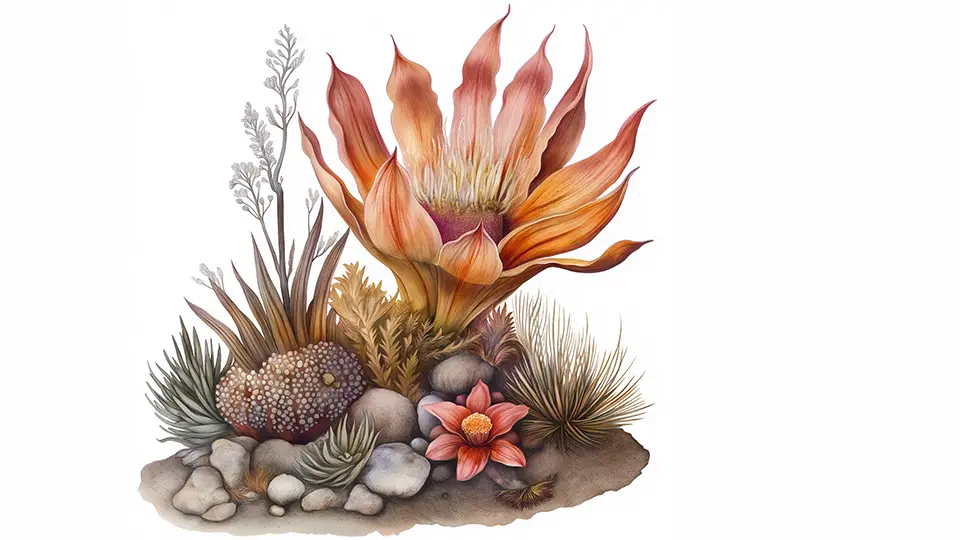
- Flowers appeared on Earth considerably later than the first plants. The oldest-known evidence of flowering plants, also known as angiosperms, dates back approximately 130 million years. Before their arrival, the land was dominated by plants such as ferns, cycads, and gymnosperms.
- Flowers were already growing on Earth when dinosaurs roamed the planet. During the Cretaceous period, they began to diversify rapidly and gradually spread across increasingly large areas of land. Over time, flowering plants became one of the most important groups of plants on our planet.
- The ancient Egyptians were particularly fond of lotus flowers. The plant was associated with rebirth, life, and the sun. Images of lotus flowers decorated temples, tombs, everyday objects and jewellery, making them an important part of Egyptian art and symbolism.
- In Ancient Greece, flowers were often associated with gods and goddesses. The rose was linked to Aphrodite, the goddess of love and beauty, while the narcissus inspired its own mythological story about a young man who fell in love with his reflection.
- Roses are among the oldest flowers cultivated by humans. Their cultivation was already well established in ancient times, particularly in Persia, China, Greece, and Rome. Over the centuries, hundreds of varieties were developed, differing in colour, fragrance, and petal shape.
- Flowers played an important role in celebrations in ancient Rome. They were used during feasts, religious festivals, weddings, and funerals. Wealthy Romans decorated their homes with garlands, while rose petals were scattered during lavish banquets.
- Tulips became a symbol of wealth in seventeenth-century Holland. Their extraordinary popularity led to a phenomenon known as Tulip Mania. Some flower bulbs reached prices comparable to the value of houses, and trading in tulips became the subject of enormous financial speculation.
- Flowers were once an important way of communicating messages. During the nineteenth century, the so-called language of flowers became particularly popular, with different species being assigned specific meanings. A bouquet could express love, gratitude, jealousy, friendship, or even rejection.
- During the Middle Ages, flowers were commonly found in monastery gardens and around castles. They were grown for decorative purposes, but also had practical uses. Certain species were used to prepare infusions, oils, perfumes and traditional herbal remedies. If you are interested in this subject, you can also read our article about interesting facts about herbs, their history and traditional uses.
- Flowers played an important role in ancient funeral ceremonies. In many cultures, they were placed on graves as symbols of remembrance, the passing of time and rebirth. The tradition of decorating burial places with plants has survived to this day.
- In Japan, cherry blossoms, known as sakura, became a symbol of the fleeting nature of beauty. Their short flowering season reminds people that the most beautiful moments do not last forever. Hanami, the traditional custom of admiring blossoming cherry trees, remains an important social and cultural event in Japan.
- Chrysanthemums have a special place in Asian culture. In China and Japan, they have been associated with longevity, nobility, and autumn for centuries. In Japan, the chrysanthemum is also an imperial symbol and features in the Imperial Family’s emblem.
- In the past, flowers were used to produce natural dyes. The petals of marigolds, safflowers and certain varieties of hollyhocks could produce yellow, orange, red and pink shades. Plant-based dyes were used, among other things, to colour fabrics.
- Flowers were an important feature of medieval herbals. The authors of these early books described the appearance of plants, where they grew and the properties attributed to them. Some descriptions were based on scientific observations, while others combined knowledge of nature with superstitions and traditional beliefs.
- In Slavic culture, flowers and other plants played an important role in midsummer celebrations. Wreaths, herbs and floral decorations were used during Kupala Night, while the search for the legendary fern flower became one of the best-known themes in traditional folklore. You can discover more about these ancient customs in our article about Slavic folklore and Baba Yaga.
- Flowers have inspired painters since ancient times. Their images appeared in frescoes, mosaics, ceramics, and textiles. They became particularly popular in seventeenth-century European painting, when still-life compositions featuring bouquets developed into an artistic genre in their own right.
- The first botanical gardens in Europe were established primarily for scientific and medicinal purposes. They brought together plants needed by doctors and pharmacists, and over time, exotic species from distant continents were added to their collections. These gardens became important centres for the development of botany.
- For centuries, the rose has been a symbol of love, although its meaning has also depended on its colour. Red flowers were associated with passion, white ones with innocence, while yellow roses represented jealousy in some traditions and friendship in others. These meanings are not universal, however, and vary between cultures.
- In the past, people placed flowers inside books and letters. Dried petals served as reminders of important people, journeys and special occasions. The tradition has survived in the form of herbariums, keepsake cards and decorations made from dried plants.
- Flowers were so important to ancient civilisations that their images even appeared on coins. The lotus, rose, lily and chrysanthemum featured in art, heraldry and national symbolism. In this way, flowers became not only part of the natural world but also an important element of the history and identity of many nations.
Interesting Facts About Flowers – Where They Grow and Some Extraordinary Species
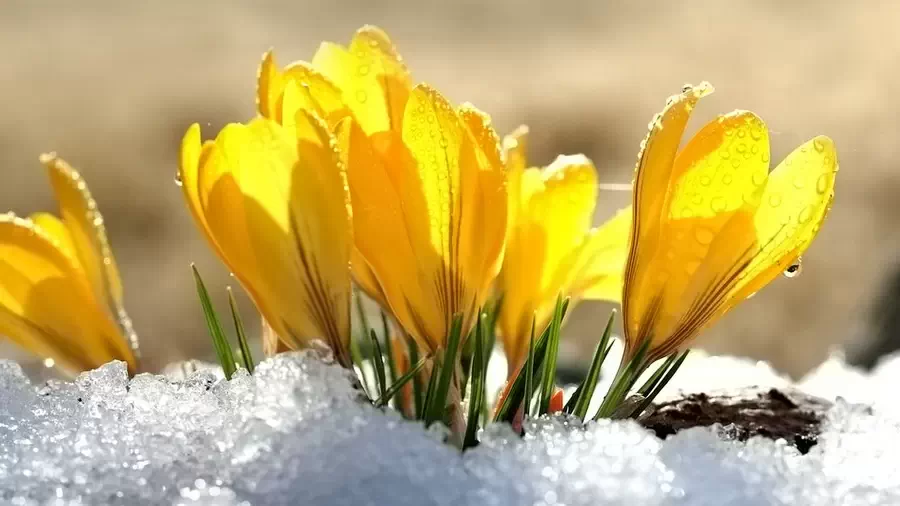
- Not all flowers grow in warm climates. Many species thrive in mountains, Arctic regions and places where low temperatures prevail for most of the year. Some plants can even bloom while snow is still covering the ground.
- The largest single flower in the world belongs to Rafflesia arnoldii. Its bloom can reach approximately one metre in diameter and weigh as much as 10 kilograms. The plant grows in the forests of South-East Asia, and its smell resembles rotting flesh, which helps attract flies.
- The world’s largest inflorescence is produced by the talipot palm. It can reach several metres in height and consists of thousands of tiny flowers. Interestingly, this palm usually flowers only once in its lifetime, after which it gradually dies.
- Desert flowers can survive extremely harsh conditions. Some species remain dormant for many months, waiting for sufficient rainfall. When water finally arrives, the desert can become covered with colourful flowers in a remarkably short time.
- Snowdrops can push their way through a thin layer of snow. They begin flowering very early in the year, often before the official arrival of spring. These plants are specially adapted to survive and grow in low temperatures.
- Orchids can be found almost everywhere in the world. They grow on every continent except Antarctica. Many species thrive in tropical rainforests, where they attach themselves to tree trunks and branches without taking nutrients from the trees themselves.
- Some flowers grow exclusively in minimal areas of the world. Such species are known as endemics. Their natural distribution may be limited to a single island, valley or mountain range, making them particularly vulnerable to extinction.
- The lotus can remain afloat thanks to its large, distinctive leaves. Its flowers rise above the water’s surface and open during the day. The lotus occurs naturally in several parts of the world, including Asia and Australia.
- Cacti also produce flowers, although their appearance may surprise people who associate these plants exclusively with sharp spines. Some species produce enormous, spectacular blooms that last for just one night.
- Mountains are home to plants with extraordinary adaptations to cold conditions. One example is the stemless campion, whose flowers and leaves form low-growing clusters close to the ground. This growth habit helps reduce heat loss and provides protection against strong winds.
- The sunflower originates from North America, where it was cultivated by Indigenous peoples long before the arrival of Europeans. It reached Europe in the sixteenth century, initially as an ornamental plant. Only later did people begin to appreciate its seeds and the possibilities of producing oil from them.
- Vanilla flowers are extremely delicate and remain suitable for pollination for only a short time. In many parts of the world, the plants have to be pollinated by hand because their natural pollinators are not present in sufficient numbers. This is one of the reasons why producing genuine vanilla is such a demanding process.
- The tulip is the flower most commonly associated with the Netherlands, but the plant actually originates from Central Asia. It reached Europe through the Ottoman Empire before becoming enormously popular in the Low Countries.
- Tropical rainforests are home to countless flowers that never make it into garden centres. Some species grow exclusively high up in the tree canopy, while others develop on the damp forest floor. They can be so rare that even experienced naturalists may struggle to find them during lengthy expeditions.
- Flowers can display almost every colour of the rainbow. Their shades depend on the presence of different pigments, including anthocyanins, carotenoids and betalains. Some plants change the colour of their flowers depending on their age or environmental conditions.
- Certain flowers can change colour after pollination. For insects, this may be a signal that the plant no longer offers nectar. This allows pollinators to find flowers that are still worth visiting more quickly.
- Many plants flower only at night. These include certain cacti, among them the famous Queen of the Night. Its large, fragrant flowers open after sunset and often wither before the following evening.
- Flowers also grow in wetlands and marshy areas. Here, you can find species such as irises, marsh marigolds and water lilies. These plants are adapted to living in wet soil, and some have specialised tissues that help transport air throughout their structures.
- The natural world is home to carnivorous plants that can attract and digest insects. One example is the pitcher plant, whose leaves form traps resembling small jugs. This allows the plant to obtain minerals that are scarce in the nutrient-poor soil where it grows.
- Some flowers are so rare that botanists spend years searching for them. This may be due to their limited distribution, the destruction of their natural habitats or difficulties with reproduction. Protecting these species often requires the creation of nature reserves and special breeding programmes.
Interesting Facts About Flowers, Their Role in Nature and Their Extraordinary Properties
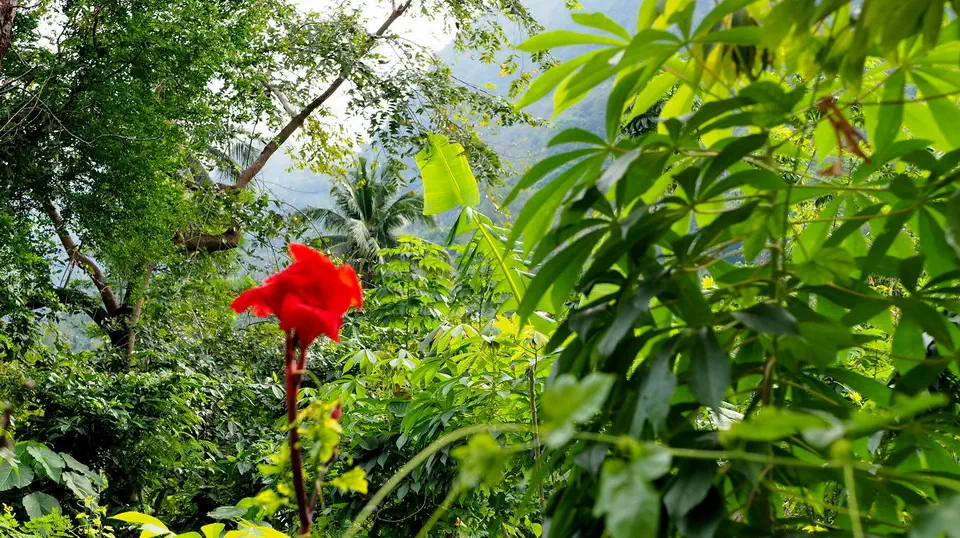
- The primary function of flowers is to help plants reproduce. They contain the reproductive organs responsible for the formation of seeds. Following pollination and fertilisation, seeds develop from the ovules and, often, fruits are formed as well.
- Not all flowers need insects for pollination. Some plants rely on the wind, which carries pollen from one flower to another. This group includes grasses, hazel trees and many deciduous trees.
- Bees see the world differently from humans. They can detect ultraviolet light, allowing them to see patterns on flower petals that are invisible to the human eye. These markings act like signposts, guiding bees towards nectar.
- Some flowers can generate their heat. One example is the giant arum, which can produce warmth while flowering. This phenomenon helps spread its scent and attract pollinating insects.
- The smell of flowers is not always pleasant to humans. Some species release an odour resembling rotting meat, faeces or spoiled fish. This is their way of attracting flies and other insects that help transfer pollen.
- Flowers can open and close depending on the time of day. This phenomenon is known as nyctinasty or photonasty, depending on the mechanism involved. Plants use these movements to adapt to the activity of insects and changing light conditions.
- Some flowers can change their position throughout the day. Sunflowers are a well-known example, as their young buds follow the movement of the sun. Once the plant matures, however, its flower head usually remains facing east.
- The colour of flowers is critical to pollinators. Bees are particularly attracted to blue and violet flowers, while butterflies are often drawn to brightly coloured blooms. Over millions of years, plants have developed different strategies to improve their chances of successful pollination.
- Some flowers imitate the appearance of insects. Orchids belonging to the genus Ophrys can resemble the females of particular bee or wasp species. Males attempting to mate with these flowers inadvertently carry pollen to other plants.
- Flowers can produce nectar, which is an important source of energy for many animals. Bees, butterflies, hummingbirds, bats and numerous other species feed on it. In return for this food, these animals help plants with pollination.
- Some flowers are pollinated by bats. They are usually large, pale and open at night. They often have a strong fragrance and produce generous amounts of nectar, making them easier to locate in the darkness.
- Flowers can use ants to protect themselves against plant-eating animals. Certain plants produce sweet substances that attract ants. In return, these insects deter animals that might otherwise damage their leaves and buds.
- Many flowers have special patterns that guide insects towards their centres. Lines and spots on the petals can indicate the route to the nectar. Humans often fail to notice these markings because some are visible only under ultraviolet light.
- Flowers can also provide an important source of food for birds. In tropical regions, hummingbirds visit hundreds of flowers every day to collect nectar. Their long beaks and tongues are perfectly adapted to reaching food hidden deep inside flower heads.
- Some plants produce flowers that resemble traps. In certain species, insects become temporarily trapped inside the flower, ensuring that they come into contact with its pollen. They are released only after completing a particular part of the pollination process.
- Flowers have an enormous influence on biodiversity. Meadows filled with wild plants provide food and shelter for numerous species of insects, birds and small mammals. This is why natural meadows are so important for the functioning of ecosystems.
- Some flowers can survive wildfires. Their seeds remain dormant in the soil for many years and germinate only when suitable conditions arise. In this way, plants use natural disturbances to colonise new areas.
- Flowers can also indicate the quality of the environment. The presence of particular species allows naturalists to assess soil moisture, its composition and the degree to which an area has been altered by human activity. Changes in vegetation can therefore provide early warning signs of ecological problems.
- Some plants flower only once every few or even several dozen years. In certain bamboo species, the flowering cycle can be exceptionally long, and entire groups of plants may die after producing seeds. This is one of the most unusual life cycles in the plant kingdom.
- Flowers also help maintain the balance of nature. They provide food for pollinators, while the seeds they produce allow vegetation to regenerate. Without flowers, many animal species would struggle to find enough food.
Interesting Facts About Flowers in Medicine, Cooking and Everyday Life
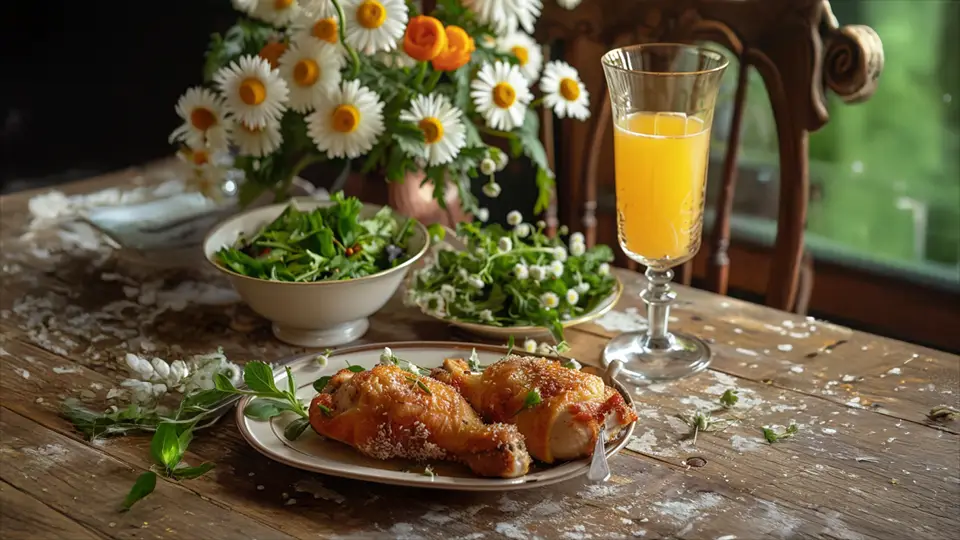
Flowers have been used in traditional medicine for thousands of years. Ancient communities prepared infusions, decoctions, ointments, and oils from them. Modern science continues to investigate many plant compounds, although this does not mean that every traditional remedy is effective or safe.
- Chamomile is one of the best-known flowers used in herbal medicine. Infusions made from its flower heads have traditionally been used to help relieve digestive complaints, among other things. The plant contains compounds with anti-inflammatory properties, although it can also trigger allergic reactions.
- Calendula, also known as pot marigold, is a popular plant used in cosmetics. Its flowers are processed into extracts found in creams and ointments designed for skin care. Traditional herbal medicine has also used calendula to prepare infusions.
- Lavender is particularly valued for its intense fragrance. Its flowers are used to produce essential oils, cosmetics, soaps and scented sachets. Dried lavender is also commonly placed in wardrobes, where it gives clothes a pleasant aroma.
- Linden flowers are a popular ingredient in infusions prepared during autumn and winter. In traditional folk medicine, linden tea is associated with colds and rest during periods of illness. Its flowers are also an important source of nectar for bees.
- Saffron is made from the dried stigmas of the saffron crocus. Producing a kilogram of this spice requires an enormous number of flowers because each one provides just three delicate red stigmas. This labour-intensive harvesting process makes saffron one of the most expensive spices in the world.
- Not all flowers are edible. Some can be poisonous even in tiny quantities. Lily of the valley is one example, as its beautiful white bells contain compounds that can cause serious poisoning. Flowers from an uncertain source should never be used in cooking.
- Garden pansies are not merely ornamental plants. Their flowers can also be found decorating desserts, salads, and drinks. However, only flowers grown specifically for consumption are suitable for eating, rather than plants that may have been treated with pesticides.
- Roses can be used in cooking as well. Their petals are turned into preserves, syrups, drinks and aromatic additions to desserts. They are particularly popular in Middle Eastern cuisine, where rose water is commonly used to flavour sweets.
- Courgette and pumpkin flowers are edible and highly valued in Mediterranean cooking. They can be fried in batter, stuffed with cheese or added to pasta dishes. Male flowers are most commonly harvested because picking them does not directly affect the development of the fruit.
- The artichoke, which we often think of as a vegetable, is actually a plant whose edible part is an undeveloped flower head. If left to grow on the plant, it would develop into a large purple flower. Artichokes are particularly popular in Italian and Spanish cuisine.
- The carnations used in bouquets are not the same as the spice known as cloves. The culinary spice comes from the unopened flower buds of the clove tree, a tropical plant. Once dried, these buds become hard and develop their distinctive aroma.
- Hibiscus flowers are used to prepare drinks with an intense red colour. Infusions made from their calyces have a slightly tart flavour and are popular in Africa, the Caribbean, and Mexico, among other places. In some countries, they are enjoyed both hot and chilled.
- Vanilla is one of the most highly valued natural flavourings in the world. Its characteristic aroma comes from the fruit of an orchid belonging to the genus Vanilla, rather than directly from its flowers. After pollination, the flower develops into a long fruit which acquires its familiar fragrance through a special processing method.
- Orange blossoms have an exceptionally intense and pleasant fragrance. They are used to producing floral waters, perfumes, and cosmetics. In Mediterranean countries, orange blossom is also a symbol of purity and happiness, which is why it features in wedding traditions.
- One of the most important ingredients in beer comes from the flowers of the hop plant. More precisely, brewers use the female flower clusters, known as hop cones. They contain compounds responsible for the characteristic bitterness and aroma of beer.
- Flowers can be used to produce natural cosmetics. Extracts from roses, lavender, chamomile, and calendula appear in creams, toners, and oils. It is worth remembering, however, that even natural ingredients can cause allergies and may not be suitable for every skin type.
- Rose water was already highly valued during the Middle Ages. It was used for skin care, flavouring food and freshening indoor spaces. Its production developed particularly strongly in the Middle East, where roses played an important role in culture and everyday life.
- Some flowers are used to produce natural essential oils. The best-known examples include the Damask rose, lavender and jasmine. Extracting these oils is often a laborious process because a considerable quantity of flowers is needed to obtain even a small amount of the finished product.
- Flowers also play an important role in the perfume industry. Jasmine, rose, tuberose and ylang-ylang are among the plants particularly valued by fragrance manufacturers. Their aromas can be used individually or combined with fruity, woody and spicy notes.
- It is worth remembering that flowers are not always safe for pets. Lilies are particularly dangerous for cats because even a small amount of pollen or a fragment of the plant can cause severe poisoning. Before bringing flowers into a home with pets, it is always worth checking whether they are toxic.
Interesting Facts About Flowers and Their Place in Beliefs, Myths, and Legends
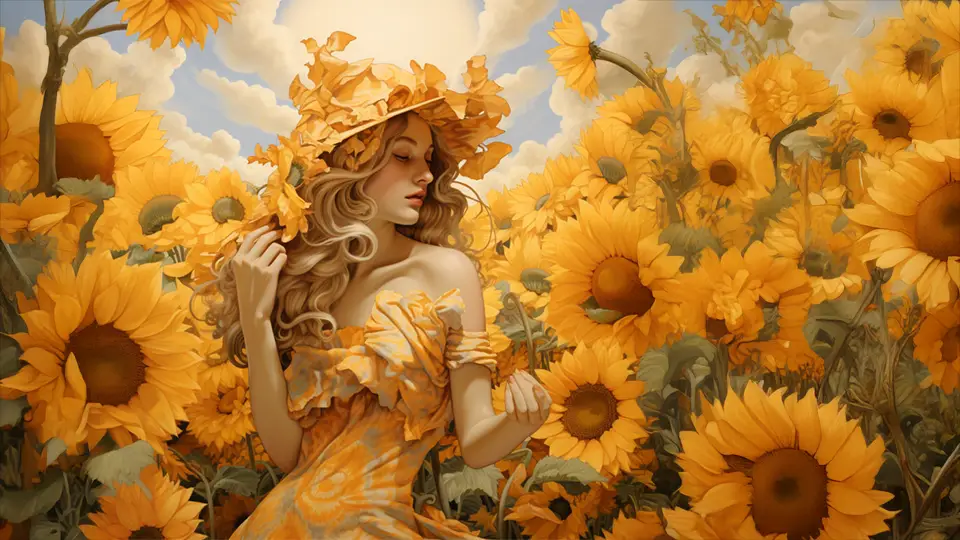
- In ancient times, flowers were often believed to possess magical properties and were associated with gods, spirits, and the forces of nature. Some were thought to bring good luck and love, while others symbolised death, rebirth, or immortality. In many cultures, people believed that behind the beauty of flowers lay stories of extraordinary events and supernatural beings.
- In Greek mythology, the narcissus flower grew in the place where a handsome young man named Narcissus died. He fell in love with his reflection in the water and was unable to look away. The gods eventually transformed him into a flower, which still bears his name. This legend became the origin of the term narcissism.
- In Ancient Egypt, the lotus was a symbol of rebirth and new life. The Egyptians noticed that the flower opened in the morning and closed in the evening, linking it with the daily journey of the sun. According to one creation myth, a lotus flower emerged from the primordial waters, and the sun god was born from it.
- In Greek mythology, the hyacinth is associated with the tragic story of a young man of the same name. He was loved by the god Apollo. One day, while the two were throwing a discus together, an unfortunate accident occurred and Hyacinth was killed. A flower grew from his blood and was named after him.
- In many cultures, the red rose is a symbol of love, but its origins have also been explained through mythology. According to one Greek story, roses were originally white. Their red colour appeared when Aphrodite injured her foot on a thorn, and her blood stained the petals of her beloved flower.
- In Roman mythology, violets were associated with the goddess Venus. According to one story, the goddess asked whether she or a group of young girls was more beautiful. When she was told that the girls were equally beautiful, she became jealous, struck them, and transformed their bodies into violets.
- In India, the lotus holds a particularly important place in Hinduism and Buddhism. It symbolises purity, spiritual awakening and enlightenment. Gods and goddesses are often depicted sitting on lotus flowers or holding them in their hands. The plant represents the possibility of achieving perfection even in difficult circumstances.
- In Norse mythology, plants, and flowers were associated with the forces of nature, fertility, and the cycle of life. Plants appearing in stories about the goddess Freyja, the patroness of love and fertility, held particular significance. Flowers were also used in ceremonies celebrating the arrival of spring.
- In Polish and Slavic legends, the fern flower holds a special place. According to traditional beliefs, it bloomed only once a year, during Kupala Night. Anyone who managed to find it was supposed to receive extraordinary wealth, happiness, and the ability to understand the language of animals. The search for the fern flower became one of the most mysterious themes in ancient folklore.
- In Japan, cherry blossoms, known as sakura, symbolise the passing of time and the temporary nature of life. Their beauty lasts only a few days before the petals fall to the ground. In Japanese tradition, they remind people that life is beautiful precisely because it does not last forever. This idea is closely connected with the concept of mono no aware, meaning sensitivity to the transience of things.
- In China, the peony is known as the queen of flowers. For centuries, it has symbolised wealth, happiness, honour, and prosperity. Images of peonies can be found on ancient paintings, porcelain, textiles and decorative objects. People believed that these flowers brought good fortune and prosperity to their households.
- In Celtic culture, hawthorn flowers held particular significance. They were associated with magical places, the world of fairies and supernatural beings. People believed that a solitary hawthorn tree might be home to benevolent or dangerous spirits. For this reason, certain trees were treated with great respect and deliberately left untouched.
- According to Greek mythology, the anemone, also known as the windflower, grew from the tears of Aphrodite after the death of Adonis. The young man was fatally wounded while hunting, and the heartbroken goddess mourned his passing. According to the legend, delicate flowers grew from her tears and the blood of her beloved, becoming symbols of lost love and the passing of time.
- In ancient Rome, the poppy was associated with sleep and death. Its symbolism was partly connected with the properties of certain poppy species, from which substances with sedative and sleep-inducing effects could be obtained. Poppies also appeared in stories involving Morpheus, the god of dreams, and Demeter, the goddess of agriculture.
- In Christian symbolism, the lily became a sign of purity and innocence. It is particularly associated with the Virgin Mary, which is why white lilies often appear in paintings depicting the Annunciation. The flower is also used during religious celebrations in many churches.
- According to folk beliefs, a four-leaf clover brings good luck. Each of its four leaves was supposed to represent something different: faith, hope, love, and luck. Finding one was considered a positive sign because four-leaf specimens are considerably rarer than ordinary clovers.
- In ancient Persia, the rose was a symbol of beauty, love and spiritual perfection. Persian poetry often featured the rose alongside the nightingale, which sang love songs to the flower. This motif became one of the most recognisable images of love in Middle Eastern literature.
- In Slavic beliefs, herbs, and flowers gathered during the summer solstice were thought to possess special powers. People believed that plants collected on Midsummer Night could protect them against illness, evil spirits and misfortune. Flower wreaths were floated on rivers, and the way they travelled was believed to predict the future of young women.
- In Hawaiian culture, plumeria flowers, also known as frangipani, are an important part of traditional customs and symbolism. They are used to creating leis, decorative garlands worn around the neck. These flowers are given to guests, loved ones and participants in celebrations as expressions of respect, friendship, and affection.
- In Greek mythology, the crocus owes its name to a young man who, according to one version of the legend, was transformed into a flower by the gods. The story tells of unhappy love and the passing of time. The crocus became a symbol of nature’s renewal because many varieties bloom towards the end of winter.
- In many cultures around the world, flowers were used for fortune-telling and predicting the future. Girls would pick the petals of daisies while reciting words equivalent to the familiar game of ‘he loves me, he loves me not’. The final petal was supposed to reveal the feelings of the person they admired. Although it was only a game, the tradition has survived to this day.
Interesting Facts About Flowers for Children
- Sunflowers can grow taller than an adult. Some varieties reach several metres in height. The largest specimens look like enormous plant skyscrapers, and their huge flower heads can contain hundreds of seeds.
- Flowers do not have mouths, but they can produce wonderful scents. Their fragrance is often a way of attracting insects that help plants reproduce. Some smell sweet, like sweets, others resemble fruit, while a little produce a very unpleasant odour.
- Bees collect nectar and pollen from flowers. Nectar is used to make honey, while pollen provides an important source of protein. As bees visit different flowers, they transfer pollen between plants, helping them produce seeds and fruit.
- Tulips can continue growing even after they have been cut. If you place them in a vase, their stems may become longer and bend towards the light. This is why a bouquet of tulips can look different with each passing day.
- The lotus flower has an almost self-cleaning ability. Water droplets roll off its leaves, carrying tiny particles of dirt with them. This remarkable effect has inspired scientists to develop surfaces that are more resistant to dirt.
- Some flowers close at night, almost as if they were going to sleep. Daisies and certain members of the lily family do this. Their delicate parts are better protected against cold temperatures and moisture as a result.
- The fluffy seed head that appears after a dandelion has flowered can spread seeds over considerable distances. Each tiny seed has a miniature parachute that allows it to travel with the wind. A gentle puff is enough to send its seeds floating through the air.
- Not all flowers are colourful. Some have green or rather inconspicuous petals because they do not need bright colours to attract insects. Their pollen may be carried from one plant to another by the wind.
- Roses have sharp growths on their stems that help protect them against animals. These are technically known as prickles rather than true thorns, and not all rose plants have the same number of them.
- Flowers can be incredibly small. Some aquatic plants produce flowers just a few millimetres in diameter. They are so tiny that you could easily overlook them while walking beside a pond.
- Flowers come in all sorts of shapes. They can resemble stars, bells, trumpets, butterflies, and even small animals. Nature is full of such surprises, which is why it is worth having a closer look at plants during a walk.
- Daisies close their flower heads at night and during rainy weather. This helps protect their delicate parts from moisture. When the sun comes out again, they open up and display their familiar white petals.
- Flowers can be purple, blue, red, yellow, white, or even almost black. Their colours depend on pigments found inside plant cells. Some varieties of pansies and tulips have petals so dark that they look black from a distance.
- Flowers do not always have petals. Some plants produce simple flowers that are difficult to recognise without looking closely. Many of these are pollinated by the wind, so they do not need colourful decorations to attract insects.
- When a flower is pollinated, it may begin to develop into a fruit. Inside the fruit are seeds from which new plants can grow. This is precisely why flowers are so important to nature and to the food we eat.
- Some flowers release their fragrance only in the evening. In this way, they attract night-flying moths and other insects that become active after sunset. For these creatures, the scent acts like a signpost leading them towards food.
- Flowers can provide shelter for tiny animals. Spiders, beetles and other insects sometimes hide inside them. Some spiders can even change colour to blend in more effectively with the petals.
- Flowers can be dried and kept for many years. All you need to do is place them between sheets of paper or hang them somewhere dry. The preserved plants can then be used to make pictures, bookmarks, and decorations.
- Some flowers are truly enormous, while others can only be seen with a magnifying glass. The plant kingdom contains giants with blooms the size of dinner plates, as well as tiny flowers that are almost impossible to notice without looking carefully.
- Perhaps the most important fact of all is that even the smallest flower has a purpose. It may provide nectar for a bee, become food for a butterfly or produce seeds from which new plants will grow. That is why we should protect flowers, meadows, and gardens rather than picking every plant we come across.
Interesting Facts About Flowers – Polish version