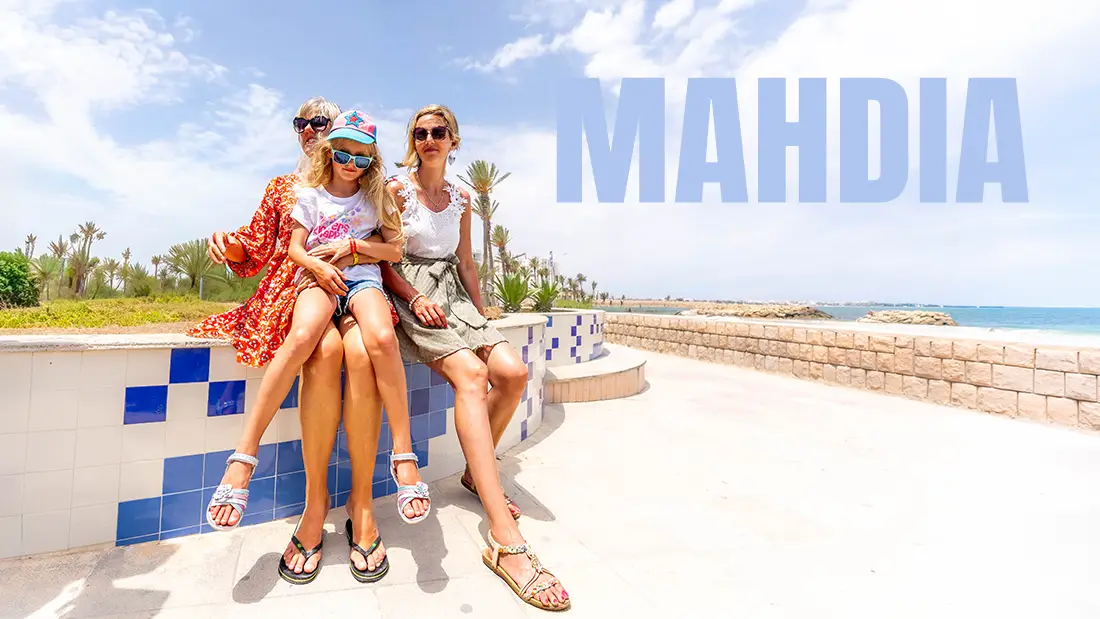
Few people visiting Tunisia realise that some of the country’s most authentic destinations lie far away from its busiest tourist resorts. While most travellers head for Hammamet, Sousse or Monastir, only a small number discover Mahdia – a charming coastal town located just a short distance further south. It is a place where history has not been overshadowed by modern development and where everyday life still follows its own unhurried rhythm.
Walking through the narrow streets of the medina, you can hear craftsmen at work, breathe in the aroma of freshly grilled fish and watch fishermen returning to the harbour much as their ancestors did hundreds of years ago. Of course, I understand that many visitors prefer Tunisia’s larger and more developed resorts, believing they will avoid the poverty, dirt and social contrasts often associated with North Africa. In reality, even cities such as Tunis or Monastir cannot completely shield visitors from these aspects of everyday life.
What makes Mahdia truly special is its authenticity. There are no enormous shopping centres, endless promenades lined with crowds or overwhelming commercial tourism. Instead, you’ll find whitewashed houses with blue shutters, impressive medieval fortifications, some of Tunisia’s finest beaches and a fascinating history stretching back to Phoenician times.
The History of Mahdia – From a Phoenician Trading Post to a Peaceful Mediterranean Resort
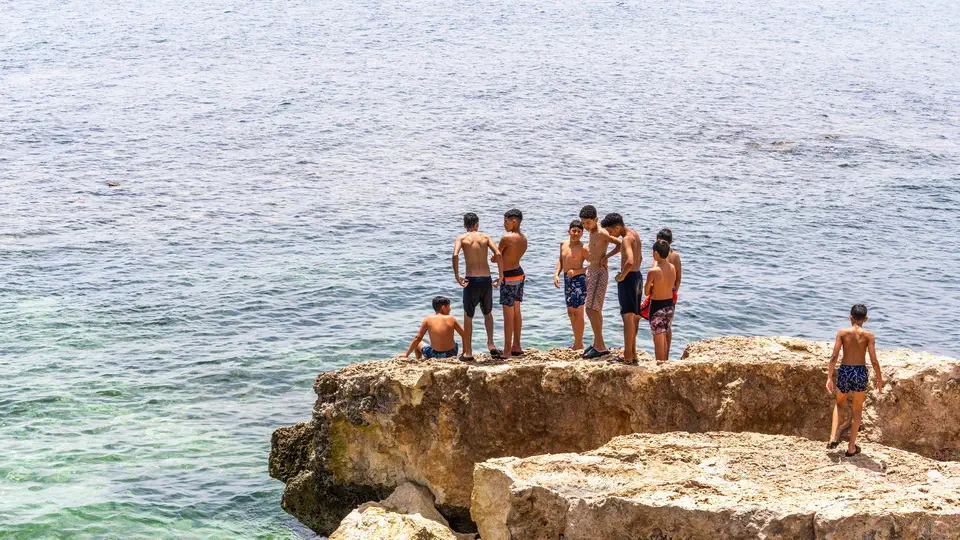
Mahdia’s story began long before the medieval walls surrounding its old town were built. Around the 8th century BC, Phoenician merchants established a small trading settlement on the narrow peninsula extending into the Mediterranean Sea. Its strategic location made it an ideal place from which to control the maritime routes linking Sicily, North Africa and the Levant.
After the decline of Phoenician influence, the settlement became part of Carthage. Carthaginian merchants used its naturally sheltered harbour as a safe anchorage for ships carrying olive oil, grain, purple dye and valuable metals. At the time, the peninsula formed one of several defensive points protecting the coastline from pirates and rival naval powers.
Following the Punic Wars, the entire region came under the control of the Roman Empire. The Romans renamed the town Aphrodisium, and it developed into a peaceful coastal community whose prosperity relied on fishing, olive oil production and maritime trade. Archaeologists have uncovered the remains of Roman villas, water cisterns and harbour structures, all testifying to the town’s importance during this period.
After the collapse of the Western Roman Empire, Mahdia passed successively into the hands of the Vandals and later the Byzantine Empire. However, the greatest transformation in its history came towards the end of the 10th century.
In AD 909, the Fatimid dynasty established control over North Africa. This Shia caliphate quickly became one of the most powerful states in the Islamic world. Its first ruler, Abd Allah al-Mahdi Billah, decided to build a wholly new capital for his empire and selected this rocky peninsula as the ideal location.
Construction began around AD 916. Massive defensive walls were erected, together with the monumental Skifa el-Kahla Gate, magnificent palaces, a grand mosque and an exceptionally well-protected military harbour. The new capital was named Mahdia, after the caliph’s title, Al-Mahdi.
From the very beginning, the city was designed to be almost impossible to conquer. The sea protected it on three sides, while access from the mainland was limited to a single narrow entrance defended by formidable fortifications. The military harbour was carved directly into solid rock and could be sealed with a heavy chain, much like the famous harbour of Constantinople.
Within only a few decades, Mahdia had become one of the wealthiest cities anywhere around the Mediterranean. Merchant ships arrived from Egypt, Sicily, Al-Andalus and the Middle East, bringing wealth, culture and new ideas. Local craftsmen produced silk fabrics, ceramics and intricate metalwork, while international trade flourished.
In AD 969, the Fatimids conquered Egypt and founded the city of Cairo, which became the empire’s new capital. Although Mahdia lost its status as the political centre of the caliphate, it remained one of the most important naval bases and commercial ports in North Africa.
Over the following centuries, the city changed hands many times. During the 11th century, it was captured by the Normans from Sicily, who briefly controlled much of Tunisia’s coastline. Later it returned to Muslim rule under the Almohad and Hafsid dynasties.
From the 16th century onwards, Mahdia found itself at the centre of the struggle between the Ottoman Empire and Spain for dominance over the Mediterranean. In 1550, the forces of Emperor Charles V captured the fortress after a fierce siege. Only a year later, the Ottomans retook the city, although many of its fortifications had already been severely damaged.
For the next three centuries, Mahdia served primarily as an essential fishing port and a base for Ottoman corsairs. From here, privateers launched raids against merchant ships crossing the Mediterranean, generating considerable wealth for the town.
Towards the end of the 19th century, Tunisia became a French protectorate. The French built new roads, expanded the harbour and connected Mahdia to the railway network. At the same time, the first archaeological excavations began, uncovering the remains of the former Fatimid capital.
Following Tunisia’s independence in 1956, Mahdia gradually transformed from a traditional fishing town into a peaceful seaside resort. Hotels, a modern promenade and new tourist facilities were developed, yet unlike many other Tunisian destinations, the historic heart of the town was carefully preserved.
Today, Mahdia is home to around 60,000 residents and is widely regarded as one of the most authentic towns along Tunisia’s coastline. Fishing remains one of its principal industries, while the production of fine silk textiles continues a tradition dating back many centuries. Wandering through its quiet medina, it is easy to feel that time moves at a much gentler pace here than in Tunisia’s larger holiday resorts.
Mahdia’s Top Tourist Attractions
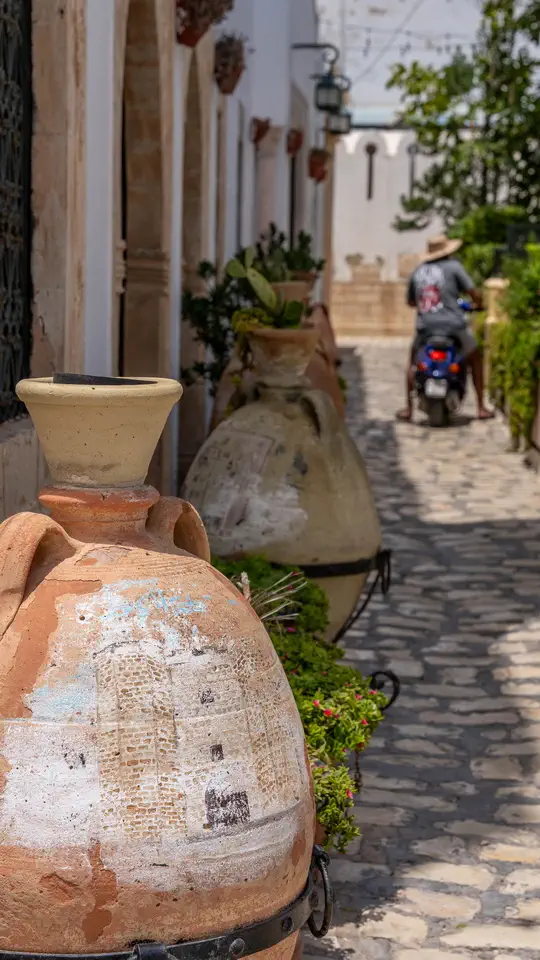
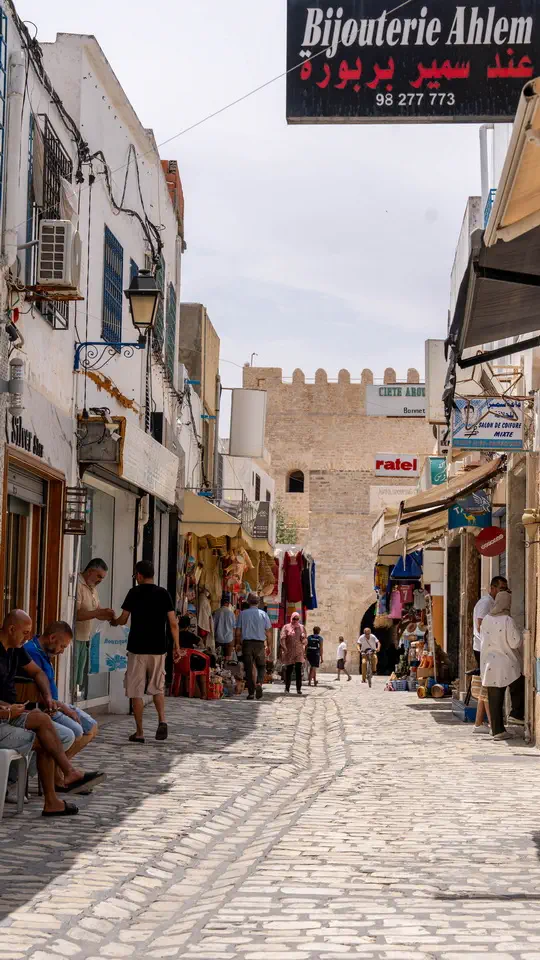
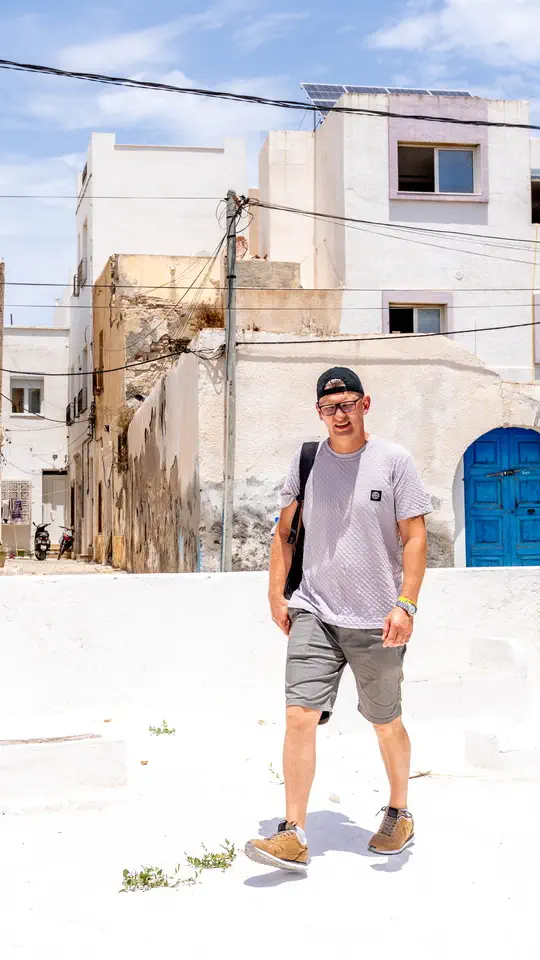
- The Medina – The Heart of the Old Town – Mahdia’s greatest treasure is undoubtedly its medina. Unlike the old quarters of Tunis or Sousse, it has not been overwhelmed by souvenir shops catering solely to tourists. Local families still live here, small workshops continue traditional crafts, and family-run cafés welcome both residents and visitors. Wandering through its narrow alleyways offers a genuine glimpse into the atmosphere of the medieval Fatimid city. The brilliant white walls reflect the Mediterranean sunshine, while the blue-painted doors and shutters create one of the most picturesque scenes on Tunisia’s coastline.
- Skifa el-Kahla – The Monumental City Gate – Skifa el-Kahla is one of the finest surviving medieval gateways in North Africa. Built during the 10th century, it once guarded the only land entrance to Mahdia. Walking through its long stone passageway, it is easy to imagine caravans of merchants, soldiers, and travellers passing beneath the same arches more than a thousand years ago.
- The Great Mosque – The Great Mosque was constructed shortly after the foundation of Mahdia by the Fatimids. One of its most unusual features is the absence of a traditional minaret. This was no accident. The mosque was designed to resemble a fortress and formed part of the city’s defensive system. Today, it remains one of the oldest and best-preserved examples of Fatimid architecture anywhere in the world.
- Cap Africa – Cap Africa marks the easternmost point of Mahdia’s peninsula. From here, visitors are rewarded with spectacular views across the Mediterranean Sea and the dramatic rocky coastline. The scenery is particularly breathtaking just before sunset, when the fading light bathes the white walls of the old town in warm shades of gold.
- The Marine Cemetery – The Marine Cemetery is one of Tunisia’s most remarkable and atmospheric places. Hundreds of simple white tombs stretch almost to the edge of the sea, creating a scene that is both peaceful and deeply moving. It serves as a lasting reminder of Mahdia’s centuries-old relationship with the Mediterranean and the generations of fishermen and sailors whose lives depended upon it.
- The Fishing Harbour – Mahdia is home to one of Tunisia’s largest fishing ports. The best time to visit is early in the morning, when the fishing boats return from the sea. You can watch tuna, swordfish, and octopus being unloaded while observing the daily routines of local fishermen, whose traditions have changed little over the centuries.
- Mahdia Museum –
- Although relatively small compared with Tunisia’s national museums, the Mahdia Museum houses an impressive collection of artefacts from the Roman, Byzantine, and Fatimid periods. Among its most valuable exhibits are objects recovered during underwater archaeological excavations carried out off the city’s coast.
- Bordj el-Kebir Fortress – Dominating the peninsula from its elevated position, Bordj el-Kebir is a massive Ottoman fortress offering some of the finest panoramic views in Tunisia. From its battlements you can admire the medina, the fishing harbour, the endless beaches and the sparkling Mediterranean beyond. Unsurprisingly, it is one of Mahdia’s favourite spots for photographers.
What to See Around Mahdia
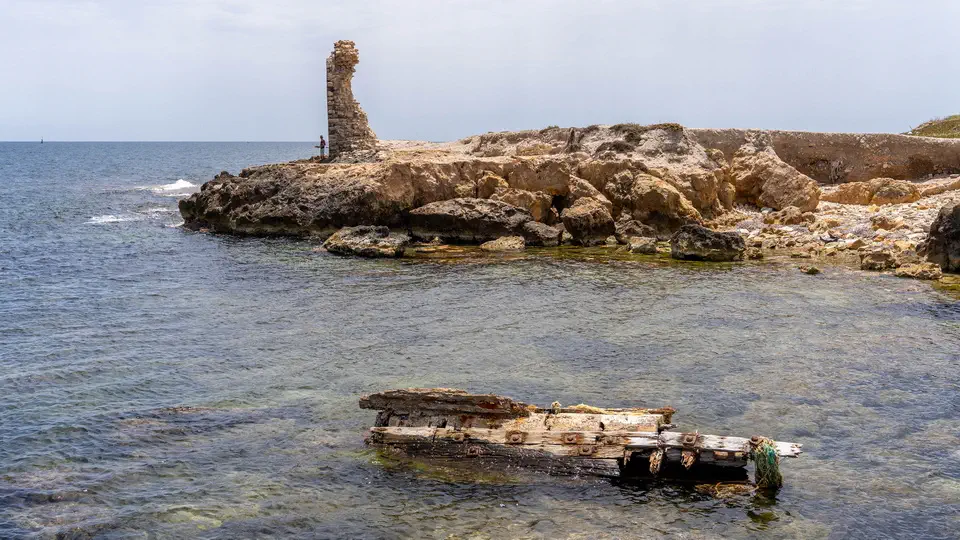
The area surrounding Mahdia offers plenty of fascinating destinations for day trips. Some of the most worthwhile include:
- El Jem Amphitheatre – One of the world’s best-preserved Roman amphitheatres, El Jem rivals even Rome’s Colosseum in terms of its impressive scale. This UNESCO World Heritage Site remains one of Tunisia’s greatest historical treasures.
- Monastir – Monastir is well-known for its magnificent Ribat, one of the oldest Islamic fortresses in North Africa, as well as the impressive Mausoleum of Habib Bourguiba, Tunisia’s first president.
- Sousse – Sousse boasts one of the country’s finest historic medinas, recognised as a UNESCO World Heritage Site. Its maze of narrow streets, ancient walls and bustling markets make it one of Tunisia’s most rewarding places to explore.
- The Kerkennah Islands – This peaceful archipelago offers an entirely different side of Tunisia. Life here revolves around fishing, traditional wooden boats and quiet sandy beaches, making it an ideal escape from the mainland’s busier resorts.
- Kairouan – One of Islam’s holiest cities, Kairouan is celebrated for its magnificent mosques, ancient city walls and outstanding examples of Arab-Islamic architecture. It remains one of Tunisia’s most important cultural and religious centres.
Mahdia – A Peaceful Resort with Some of Tunisia’s Finest Beaches
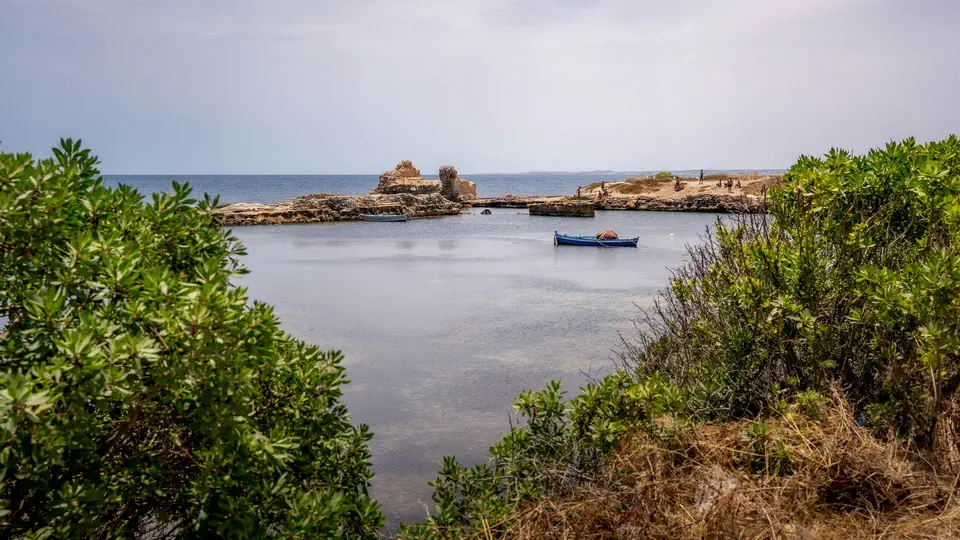
For many years, Mahdia has remained one of Tunisia’s best-kept secrets. While destinations such as Hammamet and Sousse attract thousands of visitors looking for nightlife, entertainment and bustling holiday resorts, Mahdia appeals mainly to travellers seeking peace, relaxation, and the beauty of the Mediterranean.
Here, luxury does not mean crowds or endless rows of hotels. Instead, it means wide sandy beaches, crystal-clear turquoise water and the welcoming atmosphere of a traditional seaside town.
The Most Popular Hotels and Resorts in Mahdia
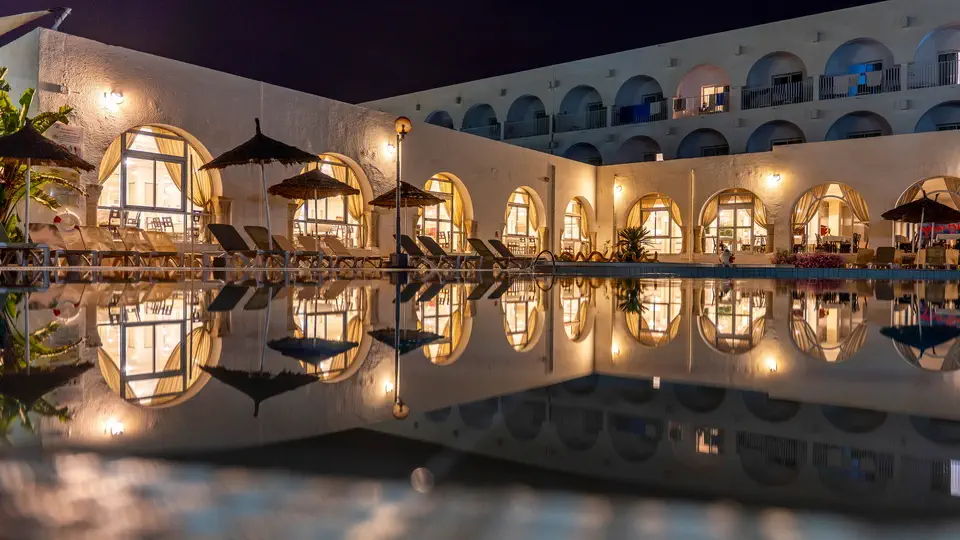
Most of Mahdia’s hotels are located north of the historic centre, where the town’s tourist district has gradually developed. Modern hotels, private beaches and restaurants are all within easy reach, while the old medina is only a short taxi ride away or around thirty minutes on foot along the pleasant seafront promenade.
- Mahdia Palace Thalasso – For many years, Mahdia Palace Thalasso has been regarded as one of Tunisia’s leading wellness resorts, specialising in thalassotherapy treatments. The therapeutic benefits of seawater have a long tradition in Tunisia, and this hotel is one of the country’s finest places to experience them. Guests can enjoy heated seawater pools, massages, mud treatments and therapies using seaweed and minerals harvested from the Mediterranean. The hotel is surrounded by beautifully maintained gardens filled with palm trees and exotic plants, while its beach is considered one of the finest in the region.
- El Mouradi Mahdia – One of the largest hotels in Mahdia, El Mouradi offers an extensive range of leisure facilities. Tennis courts, sports pitches, a diving centre and numerous activities for children make it an excellent choice for active holidays. Guests can take part in fitness classes, beach volleyball, aqua aerobics and organised excursions around the surrounding region. In the evenings, the hotel comes alive with live music, traditional folklore performances and oriental dance shows.
- Thalassa Mahdia – Thalassa Mahdia is especially popular with couples and travellers looking for a quieter holiday. The hotel is well known for its exceptional spa facilities and its beautiful gardens that stretch almost to the edge of the beach. Spacious sea-view rooms, elegant restaurants and a peaceful atmosphere make it one of the most relaxing places to stay in Mahdia.
- Nour Palace Resort – Nour Palace Resort is one of the largest holiday complexes in the region. It offers multiple swimming pools, a water park, several restaurants and bars, as well as extensive sports facilities. Its broad sandy beach and wide range of family-friendly activities make it particularly popular with visitors travelling with children.
Mahdia’s Beaches – A True Treasure of Tunisia’s Coastline
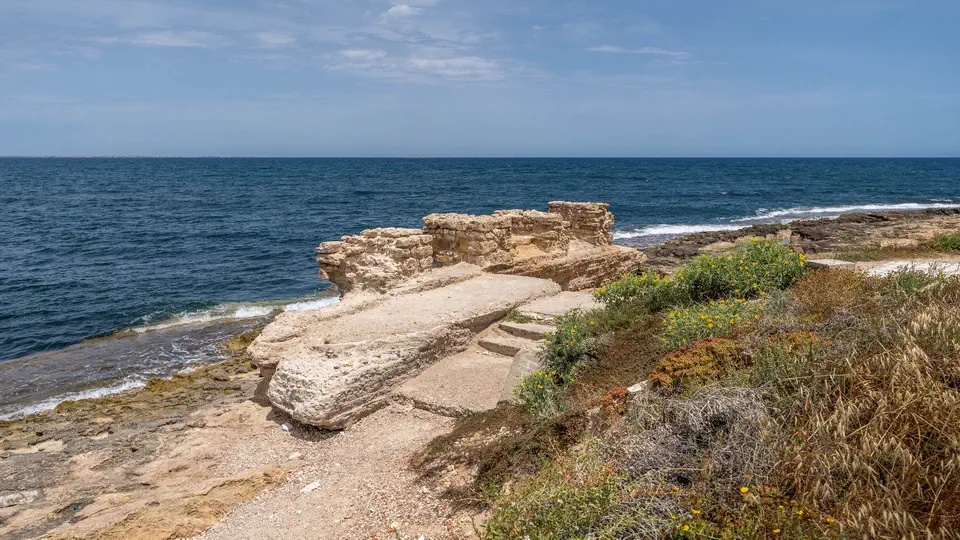
If there is one thing that truly sets Mahdia apart from Tunisia’s other seaside resorts, it is undoubtedly its beaches. Wide stretches of soft, pale sand, free from stones and pebbles, gently slope into the crystal-clear waters of the Mediterranean. For most of the holiday season, the sea remains calm, making it an excellent destination for families with children as well as anyone looking for a relaxing swim.
The water here is exceptionally clear. On sunny days it takes on an intense turquoise hue that is more reminiscent of the Greek islands or the Caribbean than North Africa. It is little wonder that many visitors consider Mahdia’s beaches to be among the finest in Tunisia.
The town’s main beach stretches for several kilometres and is regularly maintained, ensuring that even during the height of summer it is usually possible to find a peaceful spot away from the busiest areas.
One of the most memorable experiences is taking an early morning walk along the shore. At sunrise, the beach belongs almost entirely to local fishermen preparing their colourful boats for another day at sea. Watching the town slowly come to life while the first rays of sunlight illuminate the Mediterranean is an unforgettable sight.
Water Sports and Outdoor Activities
Although Mahdia is best known as a peaceful holiday destination, there is no shortage of activities for visitors who prefer a more active break.
Among the most popular water sports are:
- Jet skiing
- Parasailing
- Water skiing
- Paddleboarding
- Kayaking
- Windsurfing
- Catamaran cruises
- Recreational scuba diving
Diving is particularly rewarding around Mahdia. The waters off the coast conceal numerous underwater archaeological sites where divers can discover the remains of ancient merchant ships, amphorae, and anchors that have lain on the seabed for well over two thousand years.
During our stay, we tried several of these activities ourselves and were pleasantly surprised by the professionalism of the local operators. The equipment was well maintained, the instructors were experienced, and everything was organised efficiently, making the experience both enjoyable and reassuring.
Mahdia’s Cuisine – A Paradise for Seafood Lovers, and Shopping in the Medina
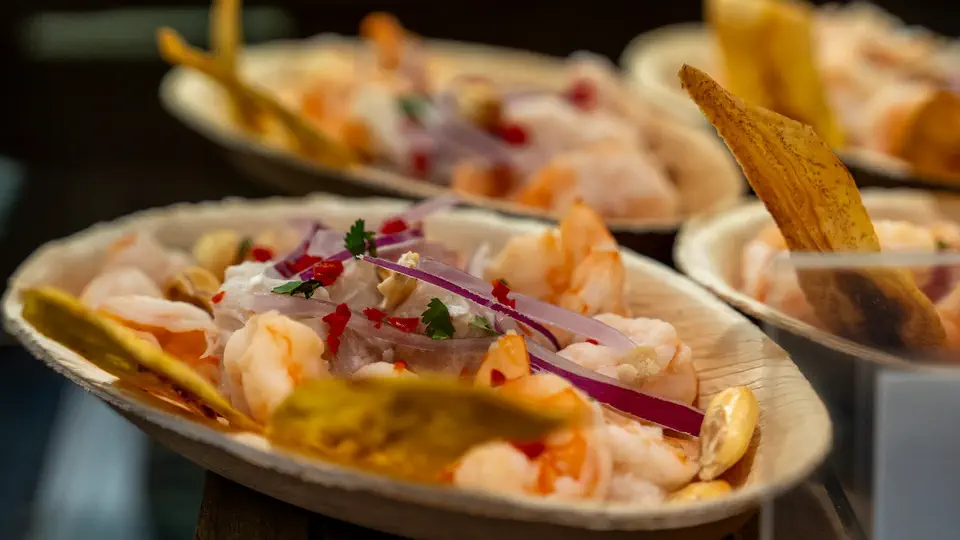
For centuries, Mahdia has lived harmonizing with the sea, so it comes as no surprise that its cuisine is considered among the finest in Tunisia.
Fresh seafood dominates local menus. Grilled sea bream, sea bass, squid, prawns, and octopus are served throughout the town, with many restaurants preparing fish that arrived at the harbour only hours earlier.
While visiting Mahdia, be sure to try:
- traditional fish couscous,
- spicy chorba soup,
- Tunisian tajine, which differs significantly from its Moroccan counterpart,
- brik – a thin pastry filled with egg, tuna, and parsley before being deep-fried until perfectly crisp.
For dessert, locals often enjoy sweet pastries made with almonds, dates and honey, accompanied by traditional mint tea topped with pine nuts.
Shopping in Mahdia
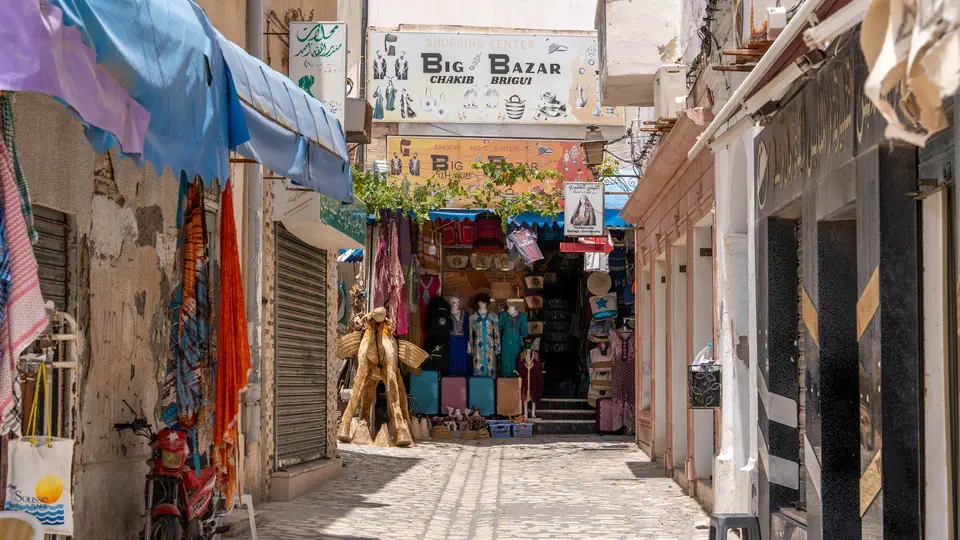
Mahdia is not a city of vast shopping malls. Instead, its greatest treasures can be found in the small shops and workshops hidden within the medina.
The town has been renowned for silk weaving since medieval times, and beautifully handcrafted scarves, tablecloths and decorative textiles remain among its most sought-after souvenirs.
Other popular purchases include:
- handmade ceramics,
- locally produced olive oil,
- aromatic spices,
- argan oil cosmetics,
- Berber jewellery,
- leather goods,
- handwoven carpets.
As in most traditional markets across Tunisia, bargaining is part of everyday life. Shopkeepers generally expect a little friendly negotiation, so don’t hesitate to haggle over the price. Treat it as an enjoyable cultural experience rather than a battle, and you’ll often leave with both a better deal and a smile.
Practical Tips for Visiting Tunisia
- Best Time to Visit – The most pleasant weather can be enjoyed between May and June and again from September until the end of October. During these months temperatures remain warm without becoming excessively hot, while the Mediterranean stays pleasantly warm for swimming.July and August are considerably hotter, with daytime temperatures frequently exceeding 35°C, accompanied by relatively high humidity.
- Currency – Tunisia’s official currency is the Tunisian Dinar (TND). Credit cards are accepted in most larger hotels, but cash is still preferred in local markets, cafés and smaller restaurants. Avoid exchanging excessive amounts of money at once, as Tunisian dinars cannot legally be exported from the country.
- Dress Code – Holiday resorts generally have a relaxed atmosphere, and casual summer clothing is perfectly acceptable.
- However, when visiting medinas, mosques or smaller towns, it is respectful to dress more modestly. Covering your shoulders and knees is appreciated and demonstrates consideration for local customs.
- Safety – Mahdia is widely regarded as one of Tunisia’s safest tourist destinations. Evening walks along the promenade or through the medina are perfectly common and generally feel very relaxed. As anywhere in the world, however, it is wise to keep an eye on your valuables, avoid leaving belongings unattended on the beach and take sensible precautions. As the old saying goes, those who don’t go looking for trouble rarely find it.
- Drinking Water – It is not recommended to drink tap water. Bottled water is inexpensive, readily available, and remains the safest choice throughout your stay.
- Taxis – Taxi fares are relatively inexpensive. Before beginning your journey, make sure the driver switches on the meter or agree the fare in advance.
- Tipping – Although not compulsory, tips are always appreciated. Leaving around 5–10% of the bill in restaurants is considered standard practice.
- Internet Access – Most hotels provide complimentary Wi-Fi. If you intend to use mobile data regularly, purchasing a local SIM card or, even more conveniently, an eSIM will provide reliable internet access across most of Tunisia’s coastline.
- Respect Local Customs – Tunisians are well known for their warmth and hospitality towards visitors. Remember, however, that Tunisia is a predominantly Muslim country. Showing courtesy, behaving respectfully and observing local customs will almost always result in even friendlier encounters with the local people.
Legends and Mysteries of Mahdia

Mahdia is a city whose history spans more than two and a half thousand years. During that time it has been ruled by the Phoenicians, Carthaginians, Romans, Byzantines, Fatimids, Normans, Ottomans, and the French. Every civilisation left behind not only monuments and archaeological remains, but also stories that have been passed down from generation to generation.
Some of these tales are rooted in real historical events, while others were born from the vivid imaginations of fishermen, sailors, and merchants who gathered in Mahdia’s harbour for centuries. Together, they have given the city an enduring air of mystery.
The Lost Treasure of the Fatimids
Perhaps the best-known legend tells of the immense treasure belonging to the first Fatimid caliphs.
According to local tradition, when the Fatimid court moved to the newly founded city of Cairo in AD 969, not all of its riches were taken away. Vast quantities of gold, silver, precious gemstones and priceless manuscripts were supposedly hidden beneath the caliph’s palace.
The legend claims that an extensive network of underground tunnels lies beneath the medina, leading to sealed chambers where the treasure remains concealed. Although archaeologists continue to make fascinating discoveries around Mahdia, no expedition has ever located the legendary hoard.
Older residents still believe that the treasure lies beneath the old town, waiting not for someone driven by greed, but for a person with a pure heart and genuine respect for history.
The Ghost of Skifa el-Kahla
For more than a thousand years, Skifa el-Kahla served as Mahdia’s only land entrance. Unsurprisingly, many stories have grown around the soldiers who defended it.
One legend tells of the commander of the Fatimid guard, who died while protecting the city during a siege. Before his death, he vowed that he would continue guarding Mahdia forever.
According to residents, his spirit still appears during cold winter nights.
Some claim that anyone walking through the long stone passage after dark may hear metal sandals striking the ancient paving stones, accompanied by the faint rattle of a sword. Yet whenever they turn around, no one is there.
Pirates and Sunken Ships
For centuries, Mahdia served as one of the Mediterranean’s most important corsair bases. Ottoman privateers regularly sailed from its harbour to attack European merchant vessels.
Legend has it that not all the treasures captured during these expeditions ever reached the city. Several pirate ships are said to have sunk during violent storms just outside the harbour entrance, taking their cargoes of gold and jewels to the bottom of the sea.
Even today, divers continue to discover amphorae, anchors, and the remains of ancient vessels. Treasure hunters, however, remain convinced that countless chests of gold still lie buried beneath the seabed.
The Secret Underground Harbour
The Fatimid military harbour was considered one of the greatest engineering achievements of its age. Carved directly into solid rock, its entrance could be sealed using an enormous iron chain.
Local tradition speaks of hidden tunnels extending beneath the harbour and beyond the city’s defensive walls. These secret passages were supposedly intended as escape routes for the caliph should Mahdia ever fall under siege.
Although archaeologists have uncovered sections of these underground corridors, the complete network remains unknown.
The Mysterious Lights on the Sea
Fishermen have long spoken of strange lights that occasionally appear above the sea on calm nights.
Some believe they are merely natural atmospheric phenomena or reflections on the water. Others insist they are the lanterns of long-lost Fatimid or pirate ships, forever searching for the harbour they never reached.
Even today, older fishermen claim they have witnessed these ghostly lights dancing across the waves before suddenly disappearing into the darkness.
The Cursed Well
Hidden away in one of the medina’s narrow side streets stands an ancient well surrounded by a curious local legend.
According to tradition, anyone who threw a coin earned dishonestly into the well would bring terrible misfortune upon themselves.
On the other hand, travellers who offered an honestly earned coin were believed to receive protection and always return safely from their journeys.
Whether true or not, the old well continues to fascinate both locals and visitors alike.
Interesting Facts About Mahdia
- Mahdia was the first capital of the Fatimid Caliphate. Although most people associate the Fatimids with Cairo, their original capital was this small Tunisian coastal town.
- The city was built on a remarkably narrow peninsula. Surrounded by the sea on three sides, it was naturally one of the easiest cities in North Africa to defend.
- Its military harbour was carved directly into solid rock. This extraordinary feat of engineering made it one of the most sophisticated naval bases of the medieval Mediterranean.
- Mahdia has been famous for tuna fishing for centuries. During the fishing season, the harbour fills with boats returning with fresh catches destined for restaurants across Tunisia.
- Its beaches are widely regarded as some of the country’s finest. Soft white sand, crystal-clear water and gently sloping seabeds attract visitors seeking a quieter alternative to Tunisia’s larger resorts.
- Mahdia is far more peaceful than Hammamet or Sousse. There are no giant nightclubs or overcrowded promenades, making it ideal for families and travellers seeking relaxation.
- The medina has retained its authentic atmosphere. Unlike many historic centres transformed primarily for tourism, Mahdia’s old town remains a living neighbourhood where residents continue their everyday lives.
- The Great Mosque has no traditional minaret. This unusual architectural feature reflects its original defensive role as part of the city’s fortifications.
- Silk weaving remains an important local tradition. Mahdia has been producing delicate silk fabrics since medieval times, and local artisans continue the craft today.
- The city has been ruled by numerous civilisations. Phoenicians, Carthaginians, Romans, Byzantines, Fatimids, Normans, Ottomans, and the French all left visible traces of their presence.
- Bordj el-Kebir offers one of Tunisia’s finest panoramic viewpoints. From its walls, visitors can admire the medina, harbour, beaches and the endless blue Mediterranean.
- Mahdia once served as a major corsair base. During Ottoman rule, privateers operating from the town played an important role in Mediterranean naval history.
- The surrounding waters hide countless archaeological treasures. Ancient shipwrecks, amphorae, and anchors continue to be discovered by marine archaeologists.
- Mahdia remains one of Tunisia’s most important fishing ports. Before sunrise each day, dozens of fishing boats head out to sea before returning with the day’s catch.
- Roman remains still survive beneath the city. Although Mahdia is best known for its medieval heritage, archaeological excavations have also uncovered structures dating back to Roman times.
- The sunsets are truly spectacular. The city’s position on a peninsula allows the evening light to transform the white buildings into glowing shades of gold and amber.
- Traditional fish markets are still held every morning. Local restaurants and residents gather to buy the freshest seafood directly from returning fishermen.
- The surrounding countryside is covered with olive groves. High-quality olive oil has been produced here for centuries and remains an important regional export.
- Mahdia hosts cultural festivals during the summer. Concerts, theatre performances and traditional music celebrations showcase the area’s rich Arab heritage.
- The sea is generally calm throughout the season. Sheltered waters make Mahdia particularly suitable for swimming, even for young children.
- The local people are renowned for their hospitality. Many travellers comment that it is much easier to experience genuine Tunisian hospitality here than in the country’s larger tourist resorts.
- Many of the medina’s streets have remained virtually unchanged for centuries. Despite modern cafés and shops, the original street layout still closely resembles that of the medieval city.
- Mahdia makes an excellent base for exploring central Tunisia. Attractions such as El Jem, Monastir, Sousse and Kairouan are all within easy reach.
- Fishing remains one of the town’s main industries. Although tourism continues to grow, many local families have earned their living from the sea for generations.
- Mahdia perfectly balances history with relaxation. Few places on the Mediterranean combine ancient monuments, beautiful beaches, living traditions and modern tourist facilities as naturally as this remarkable Tunisian town. It is this unique combination that leads many visitors to describe Mahdia as one of Tunisia’s most underrated destinations.