Thermal Baths in Fortuna (Balneario de Leana Complex) are natural hot springs, with water heated by an underground lava flow that forms part of a long-extinct volcano.
Hot springs and thermal waters are more commonly associated with Northern Europe and colder climates. If you’re wondering why anyone would seek thermal baths in hot Spain—where the warm waters of the Mediterranean Sea lap the coastline and the sun shines for over 300 days a year—it simply means you haven’t experienced the cooler months here. True, it’s not winter as you know it from Poland, but it can still feel quite chilly. In the article below, I’ll tell you about the hot springs in Fortuna, a luxurious spa complex, and answer whether it’s worth visiting the thermal baths in Murcia.
Thermal Baths in Fortuna near Murcia (Balneario de Leana) – Practical Information for Planning Your Trip
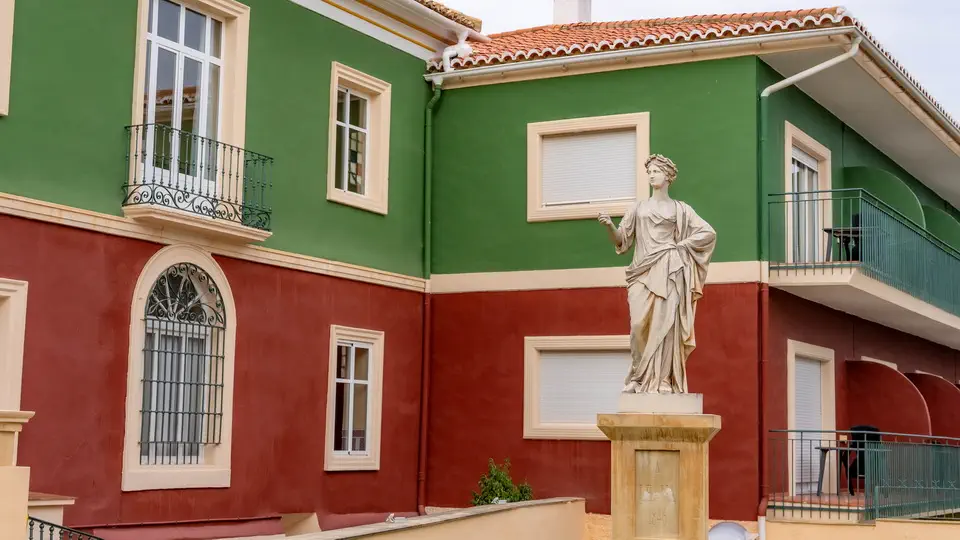
Thermal Baths in Fortuna — the most popular complex, consisting of hotels, thermal pools, and a wide range of spa treatments, is the Balneario de Leana resort in Fortuna.
Opening hours (thermal pools): 10:00 am – 8:00 pm
Spa and wellness treatments: 7:00 pm – 9:00 pm
(Hours may vary seasonally, so it’s best to check in advance.)
Prices are reasonable: Day access: €15–€25, Spa packages (including massages and treatments): €20–€80. Personally, I recommend staying at the hotel, where prices range from €70 to €150 per night—often including access to both the spa and thermal pools.
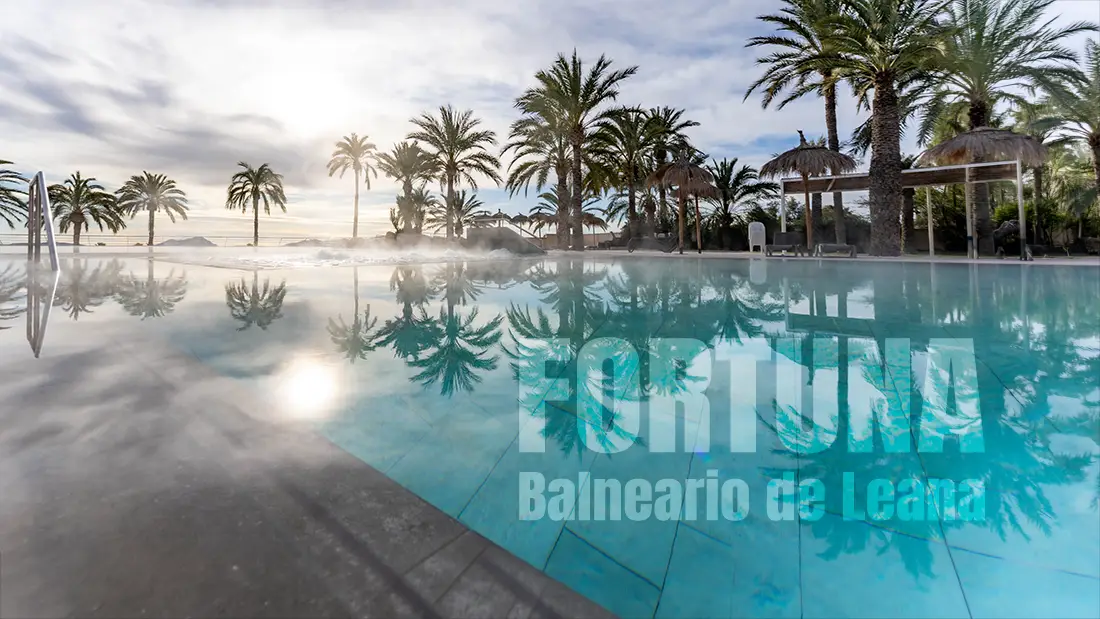
There are several hotels and plenty of private accommodation options nearby. We stayed in one of the hotels within the Balneario de Leana complex and were very satisfied. Breakfast was included (nothing special, but acceptable), along with unlimited access to the pools. A big advantage is that you can walk straight to the pools in your bathrobe and flip-flops. The complex features four thermal pools, with water temperatures ranging from 34 °C to 36 °C.
There is a large car park on site, suitable even for caravans. You can easily stay in your own campervan and simply use the bathing facilities. Parking fees depend on the season, and many campervans reportedly spend the entire winter there. For more details, check the official website.
The thermal baths in Fortuna are located about 25 kilometres from Murcia. You can reach them by a dedicated bus service running between Fortuna and Murcia, although travelling by car is the most convenient option.
Within the complex, you’ll find several good restaurants and bars, and many more are located just a few kilometres away. I recommend El Fielato and La Posada, where you can enjoy tasty and affordable local dishes.
Remember to bring a towel, flip-flops, and a bathrobe. A swimming cap is also required—without it, you won’t be allowed into the pools. If necessary, all these items can be purchased or rented on site. As a hotel guest, you’ll receive access to the pools, but don’t forget to get your hand stamped at reception before leaving—this allows you to re-enter the complex freely.
Thermal Baths in Fortuna (Balneario de Leana) – A History Dating Back to Antiquity
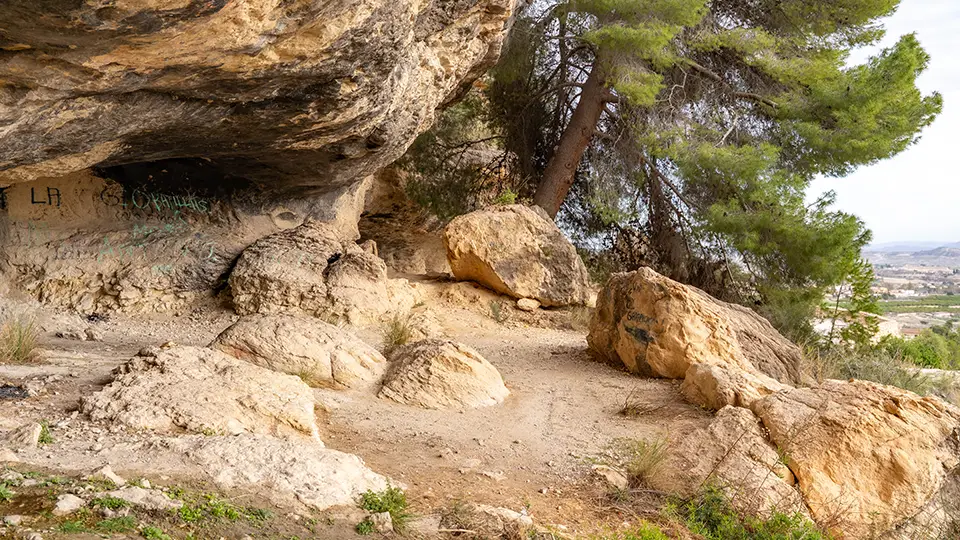
The thermal baths in Fortuna near Murcia are among the oldest spa resorts in Spain, known since Roman times. Today, a large hotel and wellness complex stands on the site of the original hot spring known as Baños de Fortuna and the ancient Roman baths—a place where you can unwind and relax, especially when the weather along Spain’s sunny coast turns cooler.
Numerous ancient ruins and traces of Roman legions have been discovered around Fortuna. The Romans loved bathing and built bathhouses wherever they went, particularly in places with access to natural hot springs. Well-known examples include the city of Bath in England and the ancient city of Side in southern Turkey. However, in Fortuna, the Romans were not the first to appreciate the benefits of naturally warm water.
The earliest evidence of human activity in the area dates back to the Neolithic period. Archaeological research has uncovered remains belonging to the mysterious El Argar culture, which flourished between the Stone Age and the early Metal Age. Excavations revealed primitive furnaces used to smelt metals, as well as tools and ornaments made from copper, traded across surprisingly distant regions. Interestingly, artefacts made of Baltic amber and African ivory have also been discovered. Early agricultural fields—among the first signs of farming in the region—have also been identified.
On one of the hills near Fortuna, archaeologists discovered an Iberian settlement that used the hot springs for water, religious rituals, and relaxation. At the Castillejo de Los Baños site, a network of caves and galleries was found, along with ceramics and everyday objects. Another notable discovery is a necropolis with 43 graves, likely dating to the 4th century BC. Local tour operators offer excursions to these historical sites—ask at your hotel, and they will likely help you arrange a guided tour.
The Romans were the next civilisation to make extensive use of the hot springs. Two important archaeological sites in the area preserve their legacy. The most significant is a complex of Roman baths located about 700 metres above sea level, featuring villas of wealthy citizens and generals, guesthouses, military baths, and even remnants of olive presses. It’s well worth dedicating a day to exploring these ancient remains. Nearby, you’ll also find the famous and mysterious Cueva Negra (Black Cave), part of a Roman sanctuary.
During the Middle Ages, the baths were mentioned in documents referring to a place called Balkun, describing bathhouses and Arab watchtowers. Archaeological findings confirm the presence of Arab settlers, who initially used the Roman baths and later adapted them to their needs. They introduced steam baths and left behind remains of buildings, cellars, and reconstructed bathing facilities. Unfortunately, many historical relics were destroyed in the early 20th century during road construction and agricultural expansion.
Thermal Baths in Fortuna (Balneario de Leana) – Health, Rest, and Relaxation
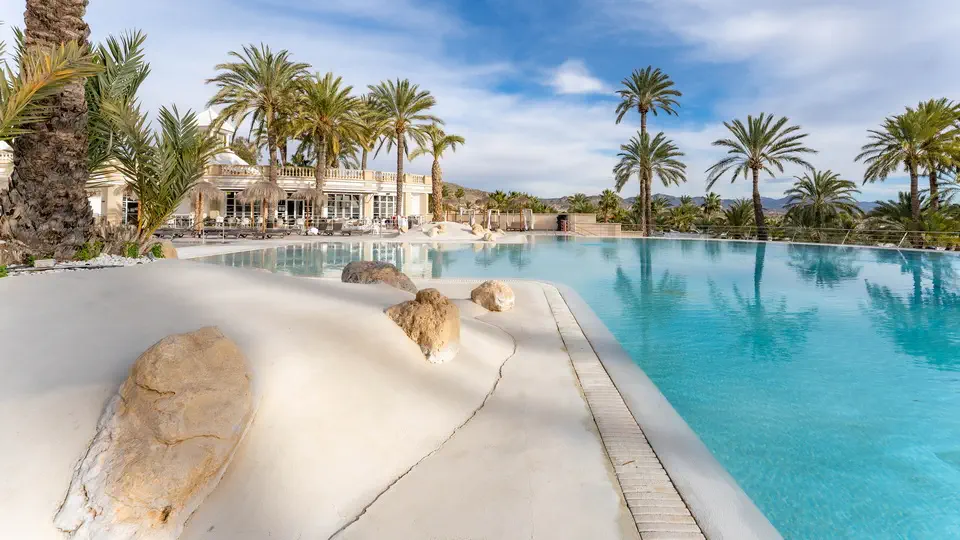
Upon arriving in Fortuna, we spent our first night in a Jeep in the Desierto de Abanilla—a fantastic experience, especially watching the sunrise over the barren landscape. Although our vehicle is spacious enough to sleep in comfortably, we spent the following nights at the Balneario de Leana resort, home to the thermal baths and all their associated pleasures.
The first thermal baths in Fortuna were established around 2,500 years ago, so it’s fair to say that Balneario de Leana has a long tradition. On site, you’ll find everything you require for a relaxing stay: multiple pools with varying temperatures, thermal and steam baths, and a range of therapeutic and relaxation treatments—all just a short distance from Murcia.
The resort specialises in therapeutic treatments, attracting nearly 50,000 visitors each year. Some treatments last several days and are said to provide relief from various ailments. According to the resort, the thermal water has unique healing properties on a European scale. Scientific studies suggest it may have anti-inflammatory, pain-relieving, anti-allergic, and calming effects. The facility also employs medical specialists treating skin conditions, neurological disorders, and even Parkinson’s disease. While the natural spring water is very hot, the pool temperatures are maintained at a comfortable 34–36 °C.
I can’t personally confirm the healing powers of the water, as I didn’t suffer from any ailments—but I can certainly say that relaxing in warm pools is beneficial in its own way. Even if the therapeutic effects vary, the relaxation alone is worth the visit.
Thermal Baths in Fortuna (Balneario de Leana) – Hotels and Restaurants
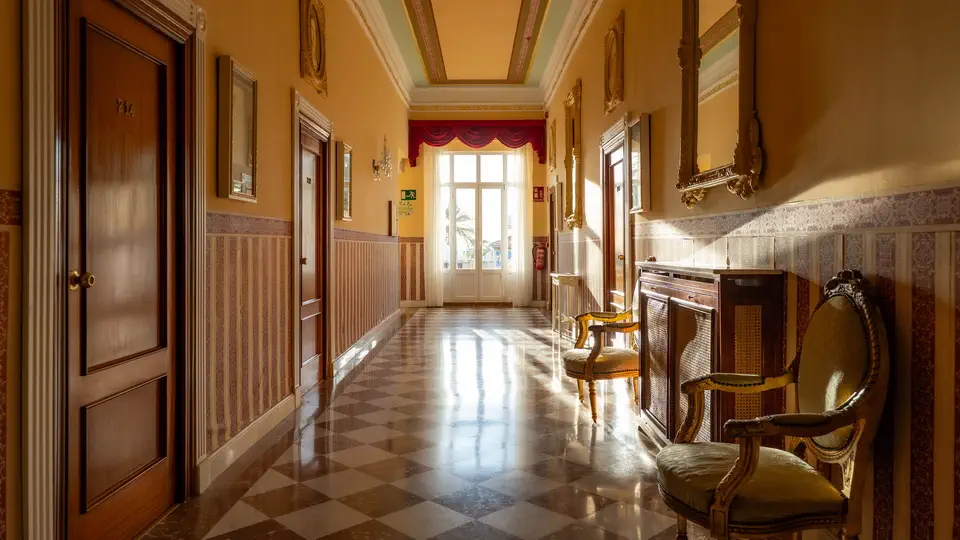
Within the Balneario de Leana complex, you’ll find three hotels, differing in style and price. We stayed at the Balneario Hotel, the closest to the pools—making it easy to step out in a bathrobe and head straight for a swim. The other hotels are Victoria and España, the latter being the newest and most modern, though lacking some charm of the older buildings.
The complex offers several restaurants and bars, most of which operate during summer. Open year-round is Leana Café-Teatro, where you can enjoy drinks and tapas late into the night. The venue takes its name from a small stage inside the main hall, where live music and performances are held during peak season. The food is decent, but for a more substantial meal, it’s worth visiting a local restaurant in Fortuna, such as La Posada.
Final Thoughts
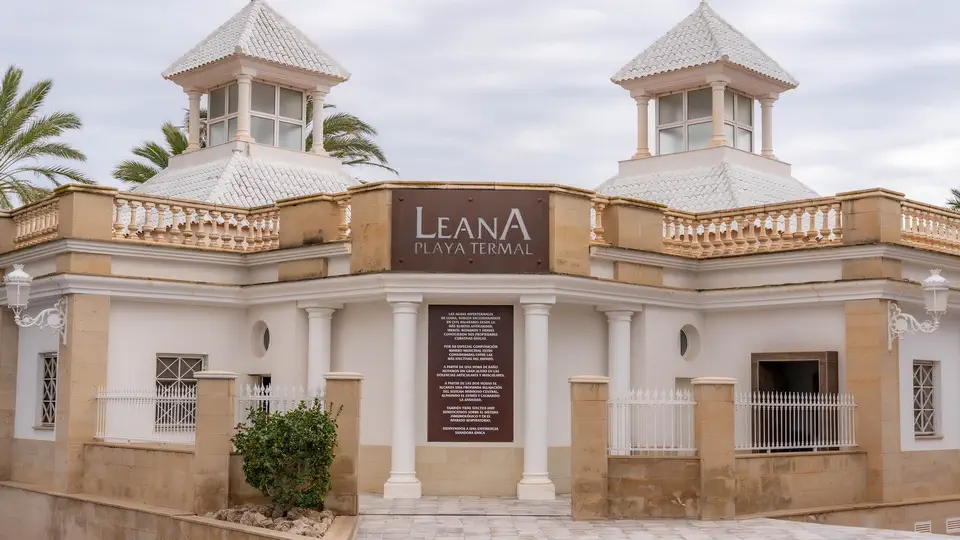
We spent many enjoyable days at the Balneario de Leana complex, mostly relaxing in the warm pools. It was February, and despite the sunshine, the air temperature was quite low. Honestly, I can’t imagine visiting in the height of summer, when the heat would make the experience less comfortable. In my opinion, the best time to visit Fortuna is between November and March—after that, it simply becomes too hot.
Fortuna also makes an excellent base for exploring the surrounding area, which is rich in history and archaeological sites. I highly recommend visiting the Santuario Romano de la Cueva Negra (Black Cave), part of a Roman sanctuary just a few kilometres away. The region also offers numerous hiking and cycling trails, including routes through the Sierra de la Pila. Please keep in mind nearby Murcia and Cartagena—both full of remarkable attractions.
Hot Springs in Fortuna – Legends and Myths

The thermal baths in Fortuna are so ancient that, over the centuries, countless legends and myths have emerged:
- A Gift from the Gods Beneath the Earth – According to ancient inhabitants, the hot springs were a divine gift sent by the gods to heal humankind. It was believed that the water flowed directly from the underworld.
- The Mystery of Cueva Negra – Legend has it that protective spirits of the springs dwelled within this “Black Cave”. Priests would make offerings there, praying for health and long life.
- Roman Voices in the Rocks – Latin inscriptions have been discovered inside the cave. According to legend, these are spells or prayers that still “whisper” through the rocks when silence falls.
- The Fountain of Eternal Youth – One of the most popular tales claims that regular bathing in these waters can halt ageing… but only for those with a “pure heart”.
- Forbidden Bathing at Night – In the past, night-time bathing was believed to be dangerous. Spirits of the springs were said to emerge after dark and drag people into the water.
- Healing Power Only for the Chosen – Legend says that not everyone feels the effects of the waters—only those truly in need are healed.
- The Lost City Beneath the Springs – Some claim that an ancient city lies submerged beneath Fortuna, flooded by hot waters, with the springs acting as its “breath”.
- The Moorish Princess and the Miraculous Cure – During the time of Moorish rule, a gravely ill princess was said to have been miraculously healed after bathing in the springs. From that moment on, the site was considered sacred.
- Water That Remembers – Locals believed the water could “remember” human emotions, which is why one should enter the springs in a calm and positive state of mind.
- Vanishing Shadows in the Steam – The steam rising from the hot water was thought to form mysterious figures—believed to be the spirits of past pilgrims.
- The Cursed Spring – One tale tells of a spring that dried up after someone desecrated the sacred site—a warning against disrespect.
- The Guardian of the Depths – Legend speaks of an invisible being protecting the springs, punishing those who sought to exploit them out of greed.
- The Water of Love – Lovers believed that bathing together in the springs would ensure eternal love and fidelity.
- Mysterious Lights – Strange lights were said to appear above the water at night, interpreted as souls or signs from the gods.
- Echoes of the Past – Some claim that in complete silence, one can still hear laughter and conversations of former bathers.
- The Source of Courage – In the Middle Ages, warriors were said to bathe in the springs before battle, believing the water would grant them strength and bravery.
- The Curse of Greed – A merchant who attempted to sell the “miraculous water” was said to have lost everything. Since then, it is believed the springs do not favour commerce.
- Sacred Rituals – In ancient times, people would leave small objects by the springs as offerings in exchange for health.
- A Hidden Passage to the Underworld – Legend speaks of a tunnel beneath the springs leading to an unknown realm—though it has never been found.
- The Invisible Boundary – Certain areas around the springs were considered “forbidden”; crossing them was said to bring misfortune.
Hot Springs in Fortuna – Facts and Curiosities
- Fortuna has been well-known for its hot springs for thousands of years—already used by the Iberians.
- In the 1st century AD, the Romans built an extensive thermal complex here, complete with pools, relaxation areas, and even a sanctuary.
- The springs were so highly valued that people travelled here not only for their health, but also to offer thanks to the gods.
- Nearby lies Cueva Negra—a shrine associated with the thermal waters, featuring Roman inscriptions on its walls.
- During the Arab period (the Middle Ages), the baths were expanded and remained in use for over 500 years.
- The Arabs introduced, among other things, steam baths and vaulted chambers—similar to today’s hammams.
- At one point, an earthquake altered the course of the spring, leading to the abandonment of part of the ancient baths.
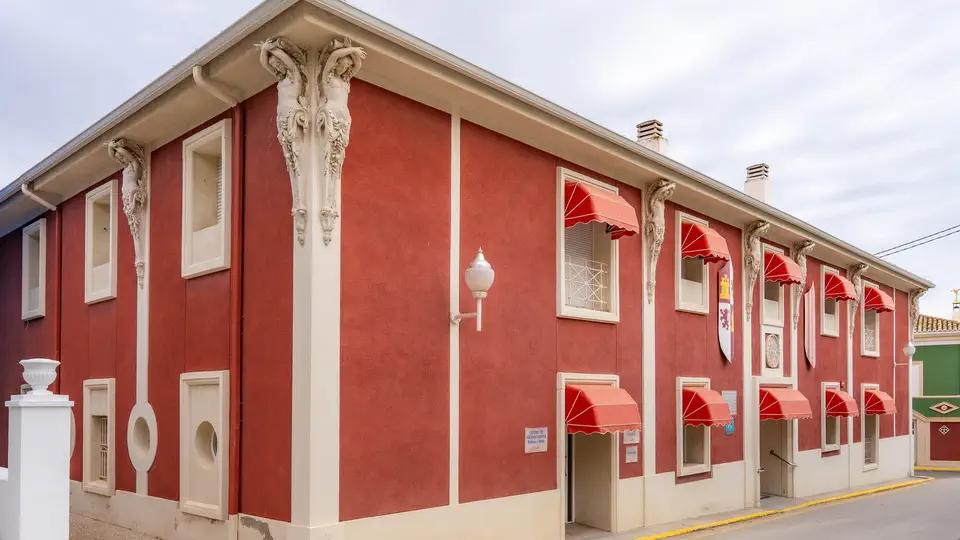
- The present-day spa resort was established in the 19th century on the foundations of Roman and Arab structures.
- Balneario de Leana is one of the oldest spa resorts in Spain.
- The thermal water in Fortuna is rich in minerals and, considered (healing), particularly beneficial for the skin and musculoskeletal system.
- The springs are located in a relatively arid region, which makes them all the more remarkable.
- In ancient times, Roman soldiers would recover here after battles.
- The thermal complex served not only as a place for bathing, but also as a centre of social and religious life.
- A vast archaeological site has been discovered nearby—one of the most significant Roman sites in Spain.
- In the 19th century, one of the first spa hotels in the Murcia region was built here.
- In 1860, a renowned spa hotel was constructed, serving as a health retreat for the elite.
- The hot springs were so important that they even appeared on the coat of arms of Fortuna.
- Modern thermal pools often draw directly from natural springs without artificial heating.
- The water temperature is pleasant enough to allow bathing all year round.
- To this day, Fortuna remains one of the most significant spa destinations in the Murcia region, attracting visitors searching for relaxation and well-being.