Christmas in Spain is slightly different from generally known traditions.
We’ve compiled the following information about Christmas in Spain based on our experiences and those of our Spanish friends. Your experience may differ significantly from ours, as Spain is incredibly diverse in terms of culture and nationality.
Spain is a hot country, especially its southern part, to which we have a special connection. It was difficult for us to get used to celebrating Christmas in a place where it’s over 20 degrees Celsius outside and people spend afternoons at the beach. Christmas in Spain: what are the preparations like? You can read about this and other interesting facts in the article below. We’ll also talk about Christmas traditions and New Year’s customs.
Christmas in Spain
Christmas in Spain is quite different from our Polish traditions. Compatriots spending the holidays on the Iberian Peninsula, especially in the south, may be very surprised by the local customs. Until recently, Spaniards did not celebrate Christmas in December with great enthusiasm; the most important holiday was the Epiphany, which falls on January 6th. According to old tradition, this is when children receive their presents—not from Santa Claus, but from the Three Wise Men. In villages and more traditional towns, this custom continues to this day.
One of the traditions we truly enjoy are the Three Kings’ parades (La Cabalgata de Reyes Magos), held at the beginning of January. People dressed as the Three Wise Men walk in colourful processions or ride on large floats from which they hand out sweets. These parades are incredibly vibrant, and the atmosphere surrounding them is relaxed and cheerful. In fact, the festive atmosphere in Spain was the biggest surprise for us. Our Polish Christmas is filled with solemnity, seriousness, and a strict adherence to traditional rituals.
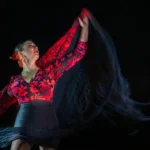
Spaniards, on the other hand, celebrate spontaneously—laughing, having fun, and constantly accompanied by flamenco music, to whose rhythm people of all ages dance and skip through the streets. Entire cities are decorated with flowers, lights, and handmade ornaments. Of course, there is no shortage of Christmas trees and supermarket decorations nowadays—after all, we live in a globalized world.
Christmas in Spain and Christmas Eve traditions
Christmas Eve in Spain begins with festivities on the streets of Spanish cities. These are colourful parades of residents dressed in traditional folk costumes. In some regions, people are accompanied by animals, all moving to the sounds of folk music. The main meal during Spanish Christmas is the Christmas Eve dinner. In some regions, it is celebrated on December 24th, while in others on the 25th. As we know, Spaniards love good food, and Spanish cuisine is considered one of the tastiest in Europe. So just imagine what culinary wonders the hosts prepare for the holiday table.
Spaniards do not wait for the first star to appear in the sky to begin their Christmas Eve dinner. Here, the last meal of the day is always eaten very late, so the festive dinner usually starts only after 10 p.m. The gathering typically takes place in the home of the oldest family member and lasts until the older relatives head to church and the younger ones to local clubs and bars. On Christmas Eve, the finest dishes a family can afford to appear on the Spanish table, and the meal is not meatless—another difference between Polish and Spanish traditions. While in Poland we do not eat meat on Christmas Eve, Spaniards enjoy it without restraint. In most families, children do not receive presents on Christmas Eve; they will get them only on January 6th, during the Epiphany. In many regions, people also do not believe in Santa Claus.
Christmas dinner in Spain
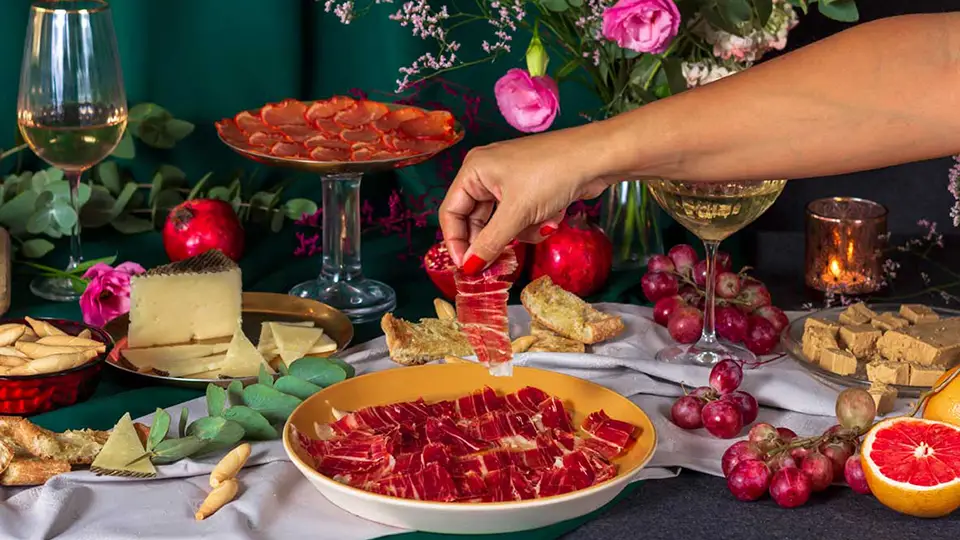
Christmas dinner in a Spanish home is very sumptuous, featuring leftover dishes from Christmas Eve dinner, plus a traditional vegetable soup with sausage and black pudding. Fried meatballs with olives and roasted chicken with plums and nuts are also common additions to the soup. Dessert, of course, consists of sweet cakes left over from Christmas Eve and a plethora of fruit. All this is washed down with a very sweet Spanish wine.
Dishes on the Christmas Eve and holiday table in Spain
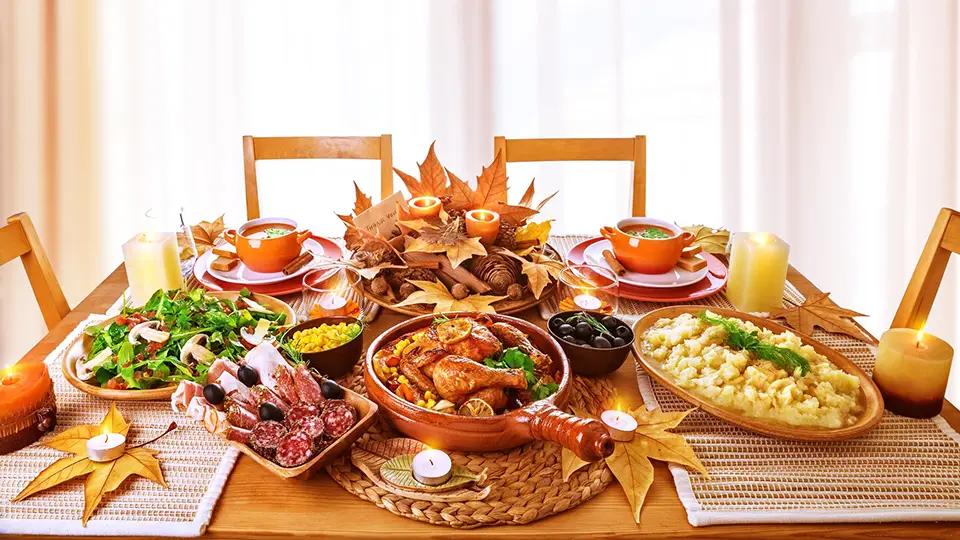
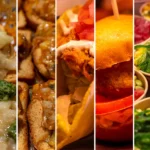
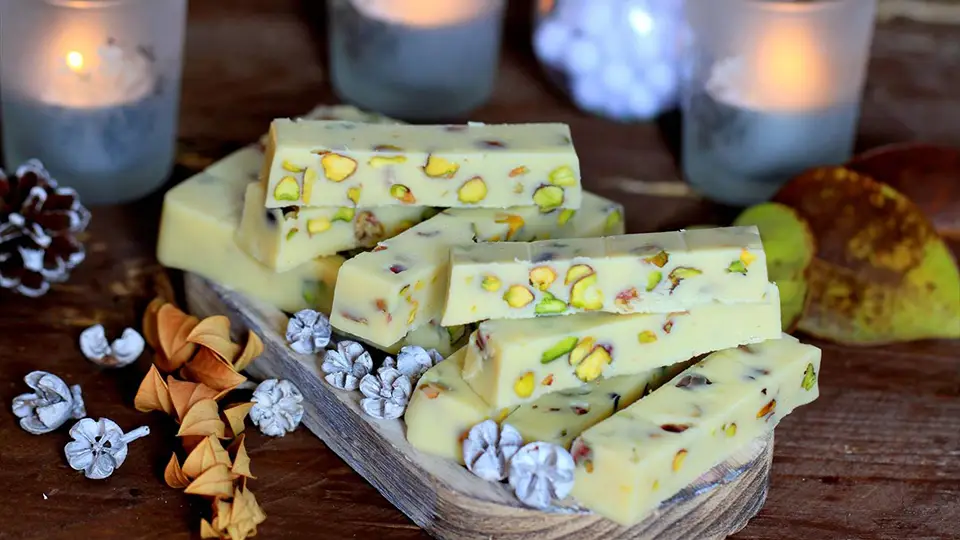
Traditionally, the Spanish Christmas table features turkey, lamb, pork, and of course seafood; those who can afford it treat themselves to lobster and other more sophisticated delicacies. However, no home can be without consomé, the Spanish version of broth. After dinner, sweet pastries, marzipan, and chocolate are served. The most popular dessert is the sweet almond turrón, a type of nougat presented in rectangular blocks. Turrón is made from honey, sugar, and eggs, with the addition of nuts and almonds.
Another sweet dessert enjoyed during Christmas in Spain is Roscón de Reyes, known as the Three Kings Cake. It is usually a yeast cake filled with custard or whipped cream, decorated with fruits and nuts. The tradition of baking this treat dates back to the Middle Ages, and there is a custom associated with it. While decorating the cake, a tiny figurine of Baby Jesus is hidden inside. Whoever finds it in their slice can expect plenty of good luck in the coming year.
Nativity scene in Spanish homes
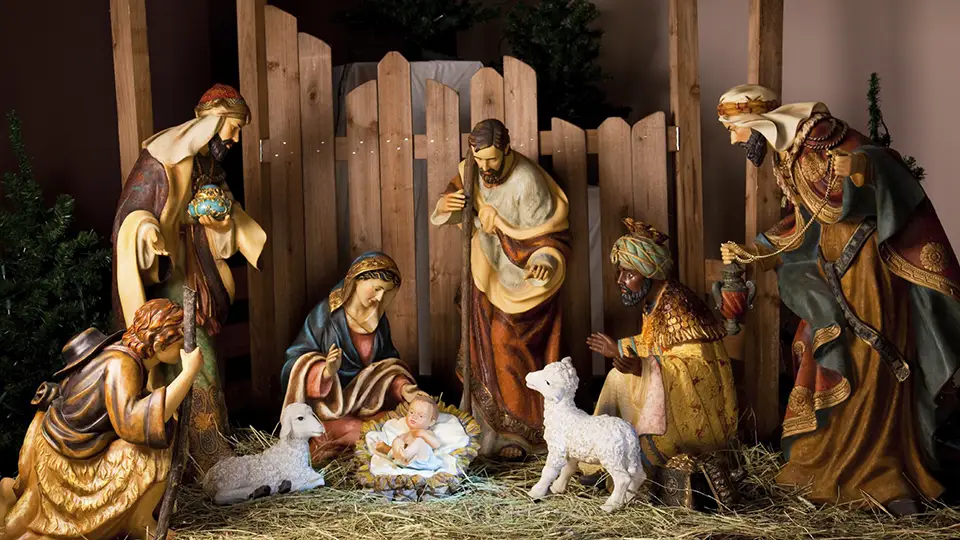
In almost every Spanish home, a Christmas nativity scene called Portal de Belén is displayed during the holidays. It is as common a decoration as our Christmas tree adorned with ornaments. The Portal de Belén is a diorama depicting the Bethlehem stable with the traditional figures of Mary, Joseph, and Baby Jesus lying in the manger. Of course, this is the basic version of the nativity scene—more elaborate setups include a whole range of people and animals. One of the funniest figures we saw was a gypsy figurine squatting behind the stable, doing his business.
In many homes, it is the Portal de Belén, not the Christmas tree, that serves as the central gathering place for the family during the holidays. Spain is a Catholic country, and many people confirm their faith by attending church right after the Christmas Eve dinner. The Christmas Eve Mass is called misa del gallo, and like our midnight Mass, it begins at 12:00 a.m. Despite Spain’s strong Christian roots, the country is becoming increasingly secular, much like the rest of Europe. Many households maintain old traditions, but young people no longer attach great importance to their meaning. While the older family members go to church for the holiday service, many young people head out to party, celebrating until morning in nearby clubs.
Christmas break in Spain and the famous lottery
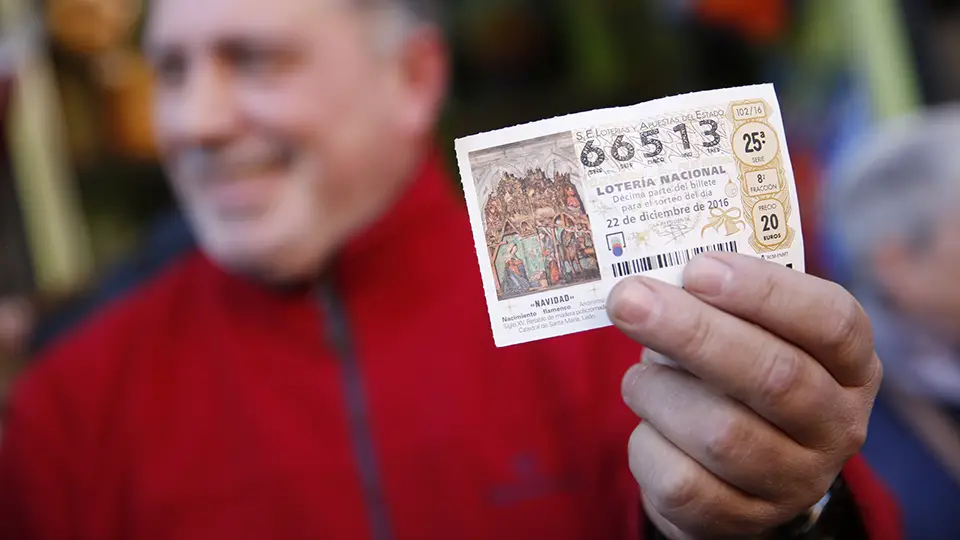
You must remember that during the Christmas break in Spain, you can’t really get anything done. Most offices and institutions remain closed from December 22nd to 26th, but in reality, there’s no point in trying to handle any official matters until January 8th. The beginning of the holiday break (El Puente) is marked by the famous Christmas lottery (El Gordo). Almost every Spaniard plays it—at least, we haven’t met anyone who doesn’t. And it’s no wonder: the most recent jackpot exceeded 2 billion euros.
The lottery drawing ceremony is a major event broadcast on television on the first day of the holiday break. During the broadcast, famous hosts and well-known Spanish stars appear on stage, and the whole show is spectacular—rich, colourful, and festive. The winning numbers are drawn by children, and they are the ones who sing (literally) the numbers as they are selected.
Christmas in Spain and holiday traditions in different regions

Spain is a country of great regional diversity. In many places, traditions exist that are completely unknown in neighbouring regions. In Catalonia, for example, people do not believe in Santa Claus. His role has been taken over by a strange wooden creature called Caga Tió, which resembles a tree log. It is dressed in regional costumes and decorated with ribbons and embroidered cloths. On the night before Epiphany, parents hide presents underneath it, and in the morning, children beat the creature with sticks until it “releases” the gifts.
In the Basque Country, instead of Santa Claus, there appears a cheerful old man named Olentzero. He is a giant who dresses as a peasant and smokes a pipe during the holidays. On December 23rd, he begins his journey across the region, leaving presents for well-behaved children. Another custom present in some parts of Spain is their version of our April Fool’s Day, called Día de los Santos Inocentes. It falls on December 28th, and on that day you must be careful not to become the victim of a prank—mild or mischievous.
New Year’s Eve and New Year in Spain
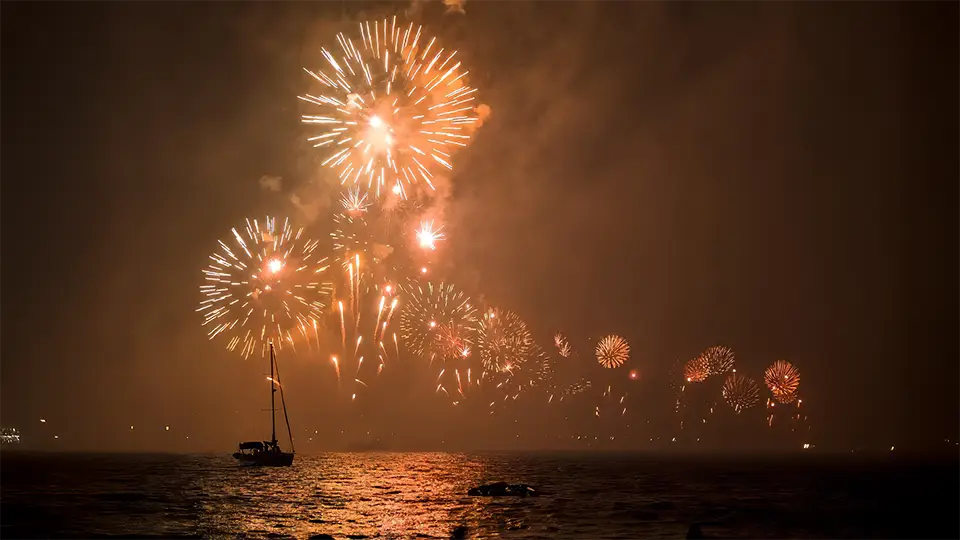
New Year’s Eve and New Year celebrations in Spain are quite similar to those in other European countries and around the world. New Year’s Eve, known here as Nochevieja, is spent with family and friends. In the south of the country, festivities usually take place outdoors, often on beaches or near holiday resorts. If the weather doesn’t cooperate, Spaniards gather at home with their closest friends.
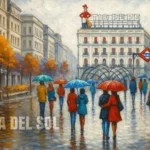
As midnight approaches, people prepare to welcome the New Year. Television broadcasts a live event from Puerta del Sol, where everyone waits together for the chimes of the bell above the Reloj de Gobernación clock on the famous Casa de Correos building. An important part of the New Year’s tradition is eating one grape for each of the twelve chimes of the clock. Contrary to appearances, it is not as easy as it sounds—especially when the grapes are large and juicy. With the final chime, people exchange well-wishes and then go out into the streets and nearby squares to meet with friends and neighbours. The celebrations typically last until dawn.
In many Spanish cities, large open-air events are organized, featuring concerts and various festivities. Often, the night ends with a city-sponsored fireworks display. New Year’s Day is a time for recovery and rest after the madness of New Year’s Eve. Most restaurants, shops, and pubs are closed, but street vendors appear in the city, offering churros—traditional pastries served with chocolate and hot coffee.
Christmas, New Year’s Eve and New Year’s Day in Spain interesting facts
- Spain is a very religious country, especially compared to secular Europe. Consequently, Christmas is a significant holiday here.
- The Christmas break in Spain begins on December 22nd. This is a very significant day for the Spanish people. Not only does it mark the beginning of the holidays, but it’s also the day when the draw for large sums of money takes place in the Christmas lottery. Recently, over €2 billion was up for grabs.
- In many parts of Spain, people don’t believe in Santa Claus.
- The Christmas nativity scene, set up in every home, becomes a central gathering place for family and friends.
- Until recently, Christmas wasn’t celebrated much in December in some parts of Spain.
- An Epiphany is an essential holiday in Spain.
- In Spain, children receive their presents on January 6th.
- You can read about Christmas traditions in other countries in our other articles.
- The most important day of the holiday is not December 24th, but… January 6th, Epiphany (Día de los Reyes Magos).
- The Three Kings, not Santa Claus, bring gifts. In many regions, Santa Claus practically disappears from tradition.
- Epiphany parades – Cabalgatas – are huge, colourful processions held on January 5th, during which the kings throw sweets to children.
- Christmas Eve is not a Lenten feast. Spaniards eat meat and seafood, and in many homes, the main course is roasted turkey, lamb, or pork.
- The most popular Christmas dessert is turrón – almond nougat in blocks, a tradition dating back to the Moors.
- Spanish consommé – a must-have on many Christmas Eve tables, regardless of region.
- Roscón de Reyes, or “Three Kings cake,” contains a hidden figurine of Jesus. Whoever finds it will have good luck all year round.
- In many homes, the Nativity scene – Portal de Belén – is more important than the Christmas tree – often incredibly elaborate and realistic.
- In Catalonia, nativity scenes feature the Caganer – a figurine of a man… defecating. It is said to bring good harvests and good luck.
- Official life comes to a standstill between December 22nd and January 6th. Offices and bureaucracies are closed, and many things “don’t exist” during this time.
- The world’s most famous lottery – El Gordo – takes place on December 22nd. Winnings reach billions of euros, and children sing the numbers.
- Spain eats Christmas Eve very late – typically not until 10:00 PM or even later.
- After Christmas Eve dinner, some Spaniards attend the misa del gallo – a midnight mass, similar to our Midnight Mass.
- “New Year’s Eve is called Nochevieja – “Old Night.”
- The most famous New Year’s tradition is eating 12 grapes at the 12th chime of the clock in Madrid’s Puerta del Sol. This is supposed to bring good luck.
- The broadcast from Puerta del Sol is as important in Spain as the president’s speech or a New Year’s Eve concert here.
- Spaniards run through the streets with bottles of cava and celebrate the New Year in squares and streets – even in small towns.
- In some regions, there’s a tradition of wearing red underwear for good luck in the New Year.
- On January 1st, Spanish cities are almost empty – most shops and restaurants are closed, and churros and chocolate sellers reign supreme.
- Spaniards believe that the first thing you do on New Year’s Day will influence the entire year – so they avoid arguments and try to spend the day peacefully.
- We wrote about Christmas in other countries in previous articles: