Christmas in France has very little in common with Polish traditions. In fact, only the general idea is similar — the rest is all differences. I want to point out from the start that the information below comes from our friends, and I am describing Christmas in France as they experience it every year and as they remember it from their childhood. Surely, there are regions where the holidays look different, and perhaps they even resemble the celebrations we have in Poland, but we have not heard of them. If you live in France and know of traditions apart from those described below, be sure to share them with us. We will be truly grateful for any information — and so will our readers.
Christmas in France — how is it different from Europe holidays?
First, Christmas in France has largely ceased to be a religious holiday and has become a secular event based on tradition and old customs. That is why few French people observe the rules of Advent or anything typically associated with this period. In France, Advent is not a time of fasting or abstinence, as it is in our tradition. Of course, there are exceptions, especially in rural areas, but they only confirm the rule. The lack of an Advent period preceding Christmas is not the only difference between the holidays in France and in Poland. Another example is Christmas Eve, which for us holds great symbolic meaning. In France, no one looks out for the first star, and children do not wait for presents.
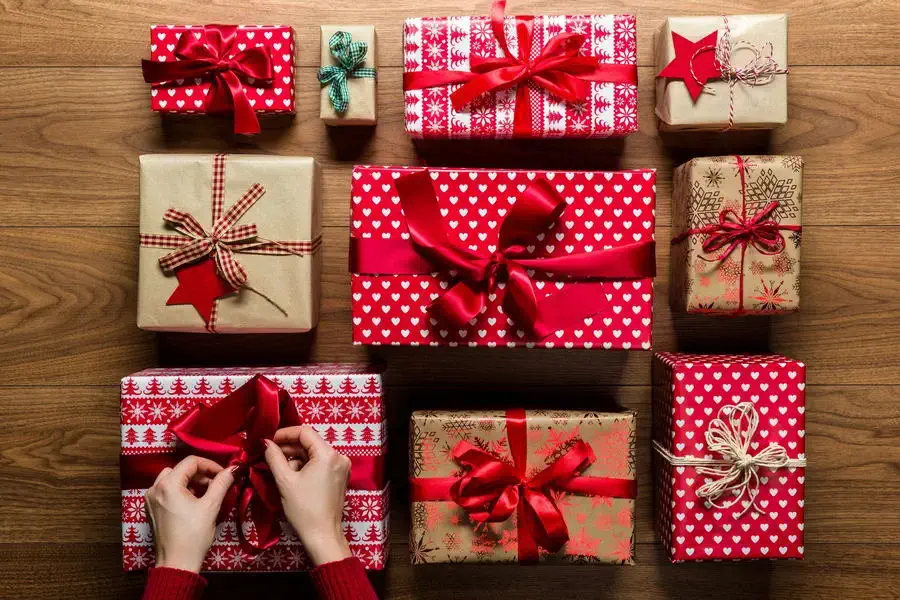
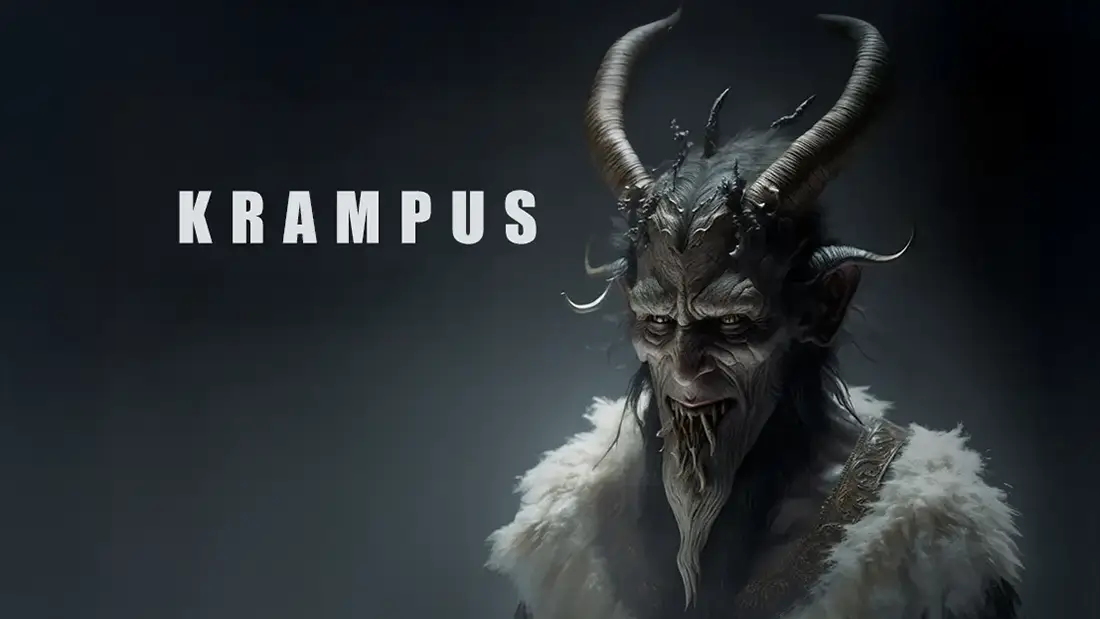
Gift boxes reach their recipients only on the first day of Christmas. In France, presents are brought by Père Noël, or Santa Claus, and in some regions he is accompanied by a dark figure called Le Père Fouettard, who decides whether the children have behaved well or not. This character is relatively similar to Krampus, the Christmas demon popular in German-speaking countries. An interesting fact is that letters written by children to Santa Claus — asking for specific gifts and assuring him of their good behaviour throughout the year — do not disappear into a void. Adults are obliged to reply to them. Most often, the child receives a postcard with good wishes and a message confirming that Santa has received their letter.
Few people in France listen to Christmas carols, and even fewer sing them. Holiday songs, musicals, and traditional television and radio programmes are far more popular. Believing and practising Catholics (who are very few) attend church not for Midnight Mass on Christmas Eve, but for Mass on Christmas Day. The Christmas Mass is nothing special — it is conducted in the same way as any regular service. However, the most significant difference between the holidays in our countries is that France does not have a second day of Christmas. After Christmas Eve comes Christmas Day — and that’s it.
Similarities of Christmas in France and Europe
So, is there really nothing that connects Christmas celebrated in France with the one we know in Europe? Of course there is — but these similarities are common throughout Europe. The most important similarity between Christmas in France and in Poland is that the holiday has become heavily commercialized and centred around consumption. While in Poland for example this entire money-making machine is still wrapped in Christian symbolism, the French do not concern themselves with such details and freely draw from tradition, often without knowing its origins. What else, besides commercialism, links Christmas in France and Poland? Just like in Poland, Germany or England, French homes are decorated with Christmas trees, colourful ornaments, and countless sparkling lights.
Another familiar tradition found in France during the holidays is the nativity scene. More or less elaborate crèches are displayed in homes, public buildings, and even on the streets. In the largest churches and cathedrals, enormous nativity scenes with life-size figures are set up. The most famous ones can be seen in Notre-Dame Cathedral. Unfortunately, according to recent studies, as many as 56 percent of French children and teenagers cannot explain what a nativity scene represents or who the characters are. As in the rest of Europe, Christmas markets are also very popular in France. They may not be as grand and opulent as those in Germany, but they come close. At market stalls you can buy local products, traditional food, or enjoy mulled wine or hot spiced wine.
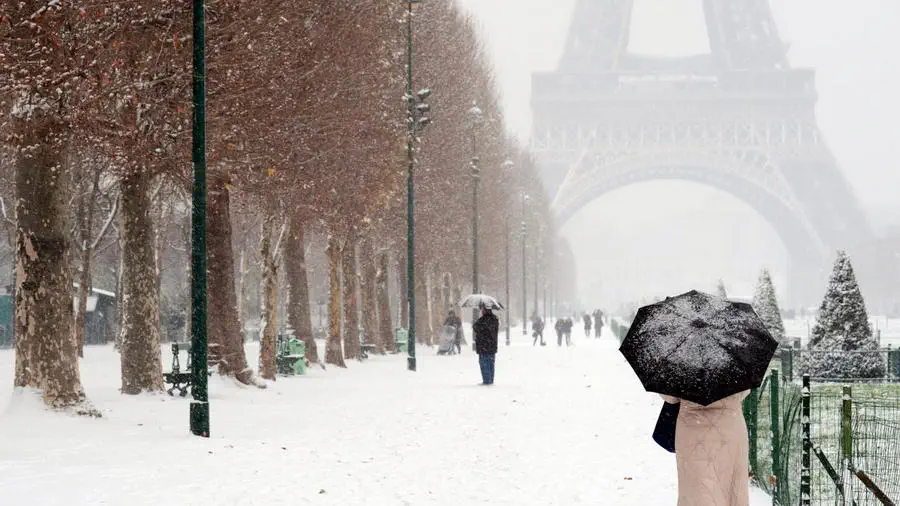
The largest Christmas market is located in Paris, next to the Franklin D. Roosevelt metro station. You can get there by metro line 1 or 9. Lines 8 and 12 will also take you close, but in that case, you need to get off at Concorde station. I highly recommend visiting Paris, especially during the Christmas season. A walk along Boulevard Saint-Germain-des-Prés, illuminated by thousands of lights reflecting off shiny decorations and beautiful shop windows, will stay with you for a long time. While you’re there, you can also visit Paris’s major department stores, such as La Fayette. During the holiday season, they offer significant discounts and various attractions for customers. Don’t forget to stroll under the Eiffel Tower, which also shines proudly in festive colours.
Christmas and French Christmas Cuisine
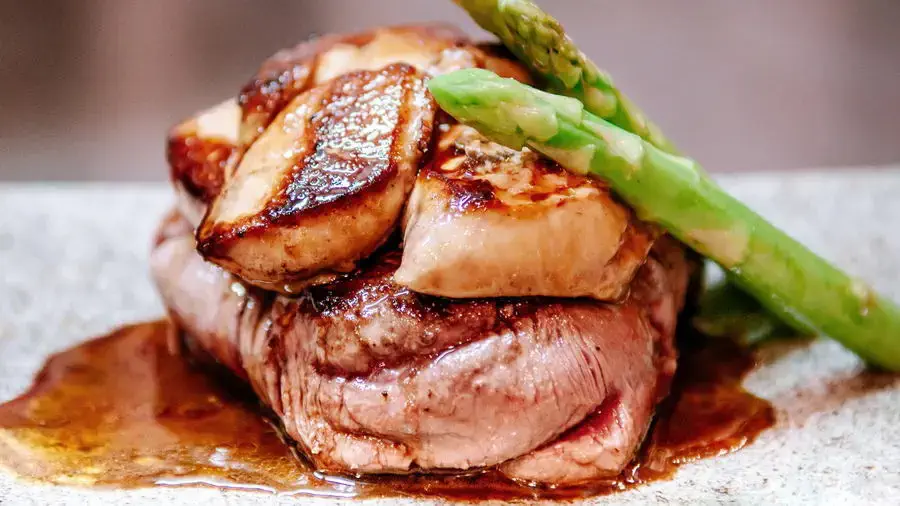
Christmas is above all a family lunch on the first day of the holidays (and also the last, since France does not have a second day of Christmas). The immediate family gathers around the table to enjoy not only each other’s company but also the popular festive dishes. The French love seafood, which is why these dishes dominate their Christmas tables as starters. Of course, holiday meals vary by region, but no table will be without oysters (which in some places are eaten while still alive), fried langoustes, or huge king prawns served with mayonnaise-based sauces.
Aside from seafood, various pâtés are popular, including the famous duck liver pâté known as foie gras. Another speciality of French Christmas cuisine is turkey roasted with chestnuts, as well as snails baked with garlic and butter. Different types of meat also appear on French holiday tables. One dish we particularly enjoyed was chicken stuffed with chestnuts and served with a creamy sauce.
After the main dishes come cakes and desserts. One of the tastiest cakes I have ever tried is La Bûche de Noël. It is a rolled sponge cake filled with a cream that has a light coffee and chocolate flavour. The cake is styled to resemble a tree log. This tradition symbolizes the wood that was once burned in fireplaces to provide warmth and safety to the household. Just as we traditionally serve twelve dishes in Poland, France has the custom of offering thirteen sweet desserts. These are usually local cakes, creams, dried fruit, gingerbread, nuts, and jellies. Of course, wine, and cheeses are served with the meal, and the desserts are enjoyed throughout the rest of the day. We really liked spending Christmas in France — it was a pleasant change after the heavy German sausages we were treated to previous year in Germany.
Christmas in France other information and interesting facts
- Christmas in France, or rather, the most important day of the holiday, falls on Boxing Day. December 26th is a normal day (except in Alsace, where Boxing Day is a public holiday).
- In France, gifts are given on December 25th.
- The French decorate their Christmas trees at the end of November and take them down after the New Year.
- The French don’t sing Christmas carols.
- Nativity scenes are very popular in France. Every year, the largest ones attract crowds of locals and tourists.
- The French rarely gather on Christmas Eve. December 25th is considered family day.
- Although the French don’t observe Advent, many homes have an Advent calendar. It’s a non-religious countdown to Christmas.
- The French Saint Nicholas (Pere Noel) brings presents on the night of December 24th to 25th.
- In some regions of France, a Christmas Eve dinner, known as Le Reveillon, is still prepared.
- One of the most popular traditional dishes on the Christmas table is turkey stuffed with chestnuts.
- The French love oysters for Christmas. They sell more in December than they do year-round.
- Other popular dishes on French Christmas tables include buckwheat crêpes served with cream, seafood, caviar, snails, frog legs, and bread with a surprise inside called Pain Surprise.
- Housewives ensure that 13 desserts are on the Christmas table. This is a custom commemorating the 12 apostles and Jesus.
- The custom of decorating a tree came to France from Alsace and only later spread throughout the country.
- Many cities host Christmas parades with orchestras, illuminations, and themed floats.
- Around Christmas, Lyon is illuminated with millions of lights and candles – one of the most extraordinary winter events in France.
- In France, most shops are closed on Sundays, but in the run-up to Christmas, trading continues all week.
- The French love to spend time at the table. That’s why Christmas dinner can last for many hours and end late into the night.
- We’ve written about Christmas in other countries in previous articles: