Aerospace Bristol – a fascinating aviation museum
Bristol, the capital of the West of England, is a city closely connected with aviation from the very beginning of mankind’s adventure with flight. As early as the 1920s, a small group of enthusiasts came together to form a company called The Bristol & Wessex Aeroplane Club. It aimed to promote and develop civil aviation in this part of the United Kingdom.
The beginnings of aviation in Bristol – The Bristol & Wessex Aeroplane Club
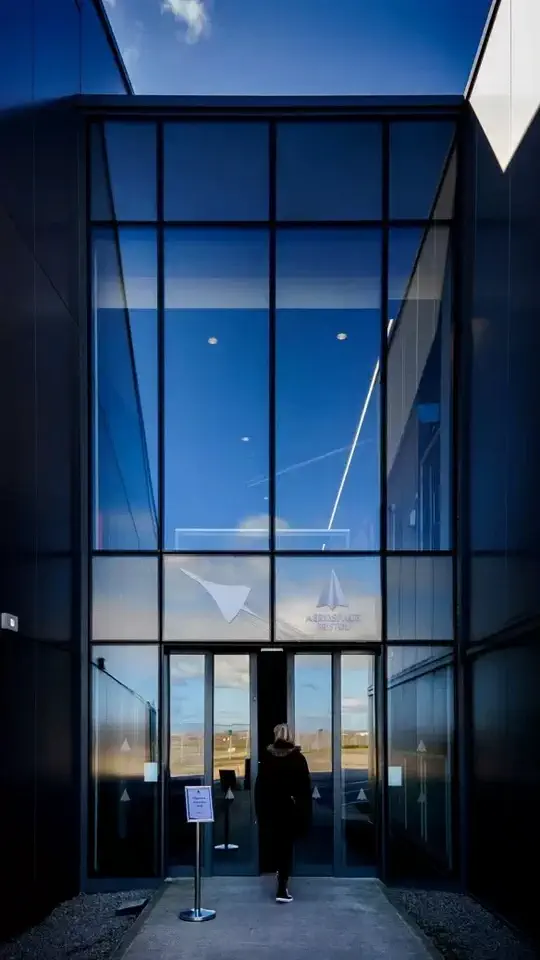
The place where it all began was a small private airfield owned by George Parnell, a local entrepreneur and visionary. He donated the land and his private aircraft, the Parnall Pixie, to the newly established flying club. Later that same year, city officials and interested investors decided to purchase the first two D.H. Cirrus Moth aircraft. They were to be used for training future pilots and to spark interest in aviation among the residents of Bristol and the surrounding area. At the time, the cost of one such aircraft was £730.
The Bristol & Wessex Aeroplane Club was officially opened on 8 October 1927. Among the guests at the ceremony was the then Secretary of State for Air, Sir Samuel Hoare. The Bristol & Wessex Aeroplane Club continues to operate to this day. It occupies one of the modern hangars at Bristol Airport. For nearly a century, young pilots and aviation enthusiasts have trained here. Some have gone on to pursue aviation careers with the world’s leading airlines.
I share this story because it was the spark that set in motion the events which ultimately led to the creation of the museum that is the focus of today’s journey.
Aerospace Bristol – the aviation museum in Bristol
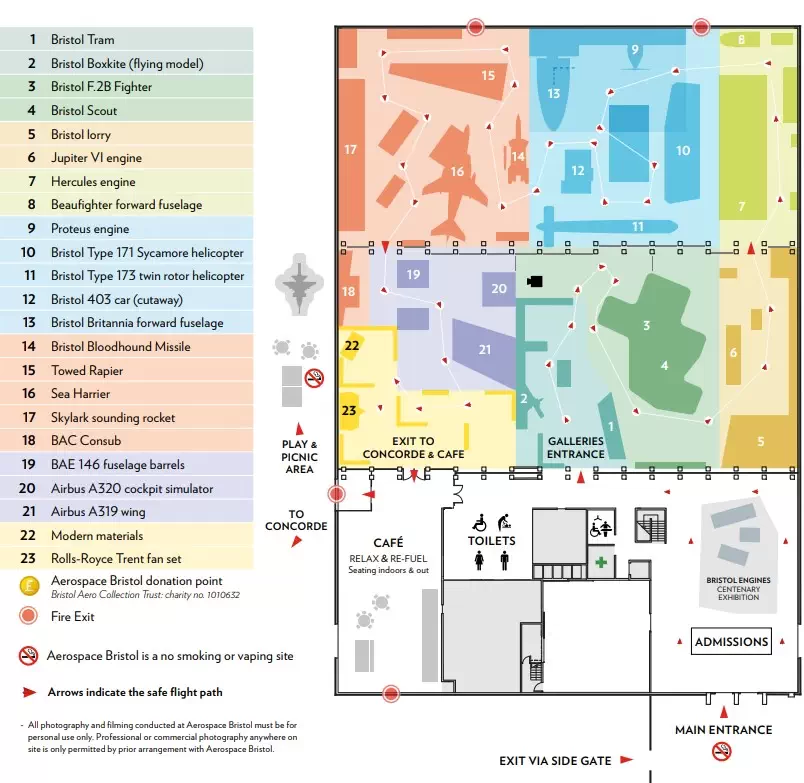
Aerospace Bristol is located in the northern part of the city, in the district of Filton. This location was chosen deliberately. It is here, near the museum, that the famous Rolls-Royce aerospace works produce world-class aircraft engines.
In addition to Rolls-Royce, Filton is also home to Airbus, a pioneer and global giant in aviation technology. Both companies played a significant role in the creation of Aerospace Bristol. The museum opened to visitors in October 2017. Since then, its collection has continued to grow, with new aircraft, equipment and aviation-related materials being added regularly.
Visiting Aerospace Bristol
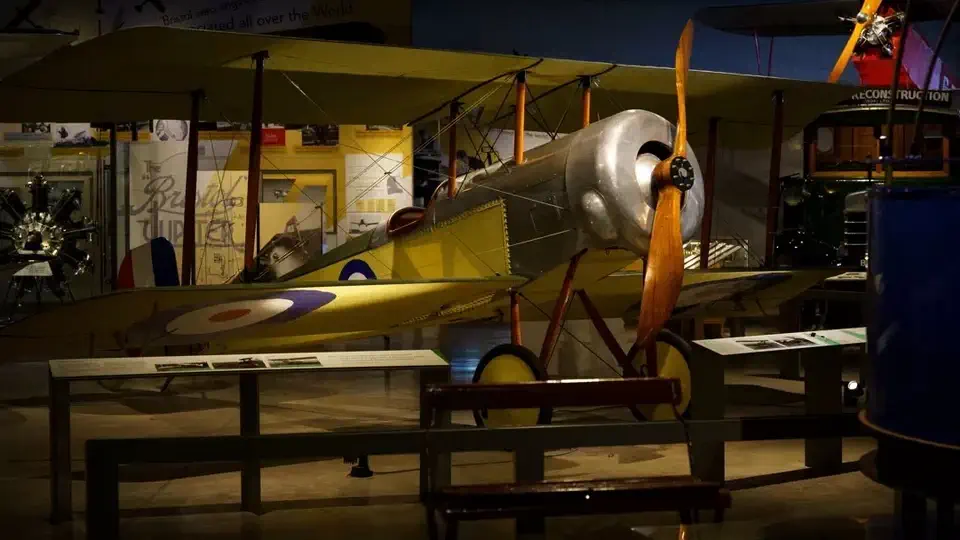
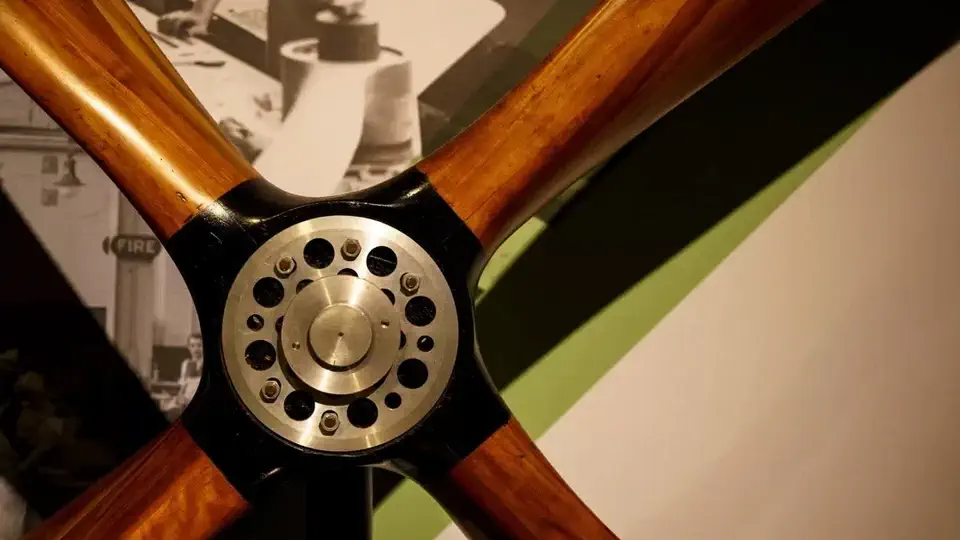
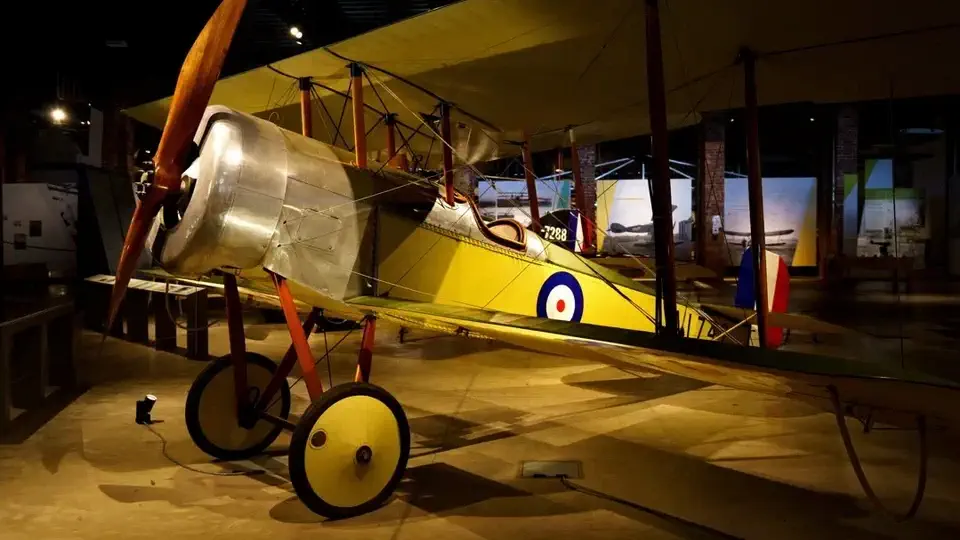
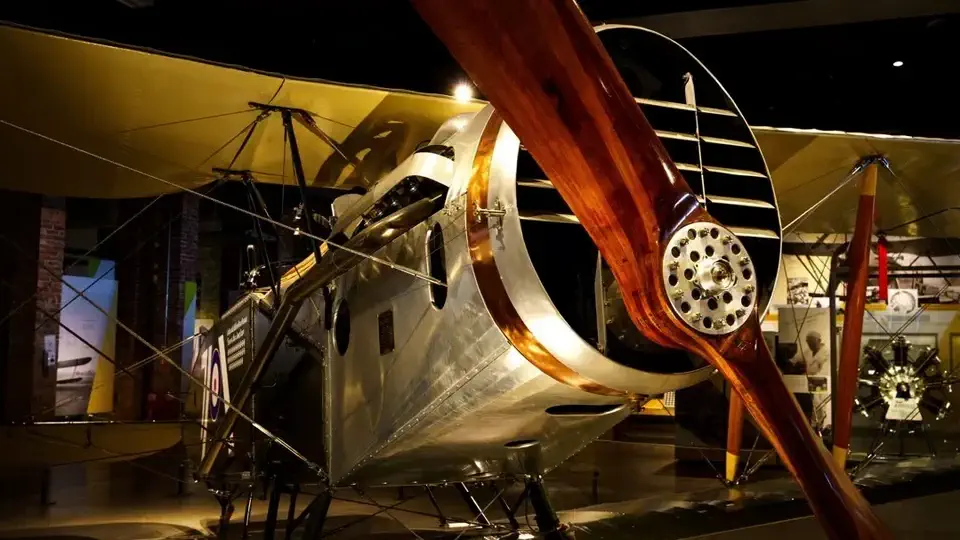
A visit to Aerospace Bristol is a true adventure. The materials, artefacts, and multimedia installations gathered here offer a cross-section of the knowledge and ingenuity that enabled humanity, in just over a century, to leave the ground, cross oceans by air, and create global commercial airline networks. These networks have made world travel fast and accessible.
And that is not all. Within only a few decades of the first fragile wooden aircraft lifting off the ground, humans were sent into space – and then to the Moon. All of this proves that there are no limits we cannot overcome, and the museum in Bristol illustrates this perfectly.
Aerospace Bristol – The Aviation Gallery
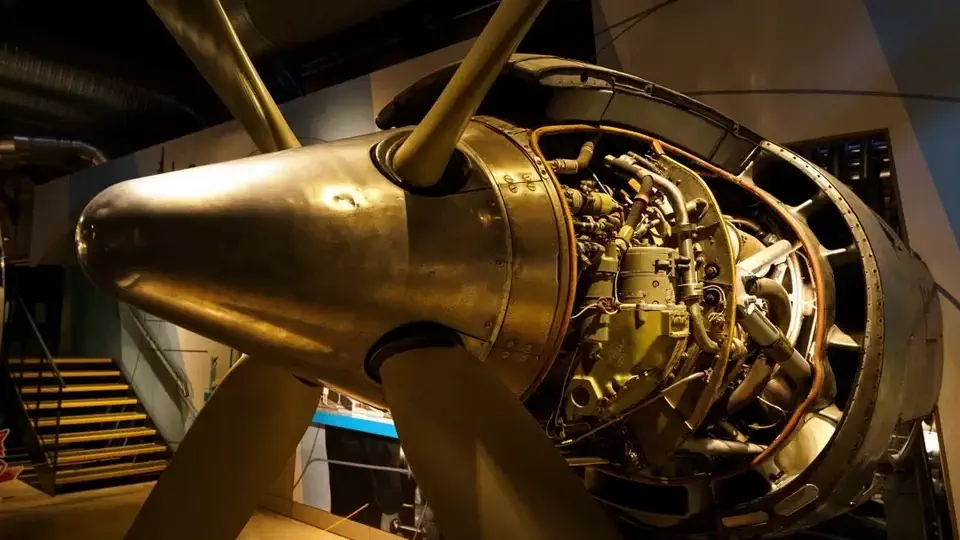
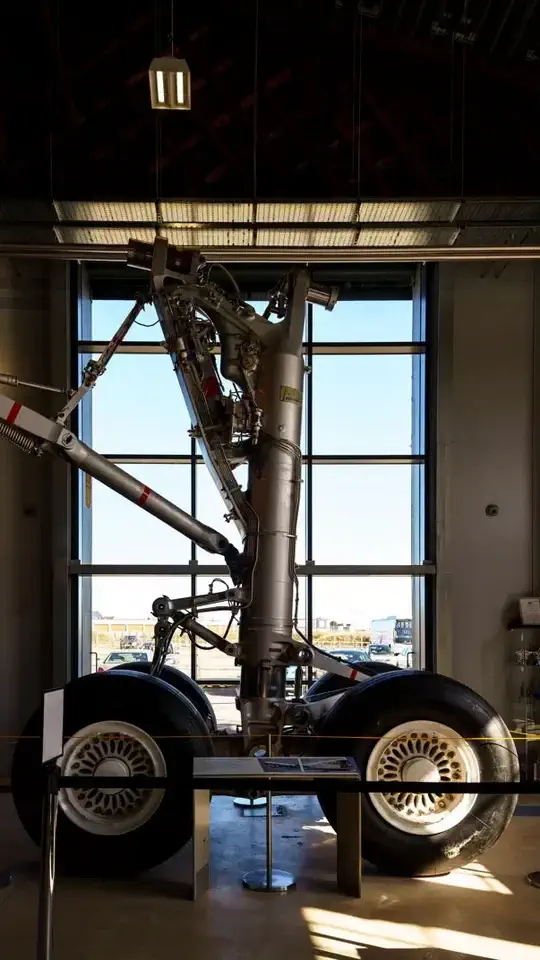
The Aviation Gallery is the first area you enter after purchasing your ticket. The exhibition is housed in a vast hangar, partly an original pre-war structure and partly a modern addition. Hundreds of exhibits connected with both British and global aviation are displayed here.
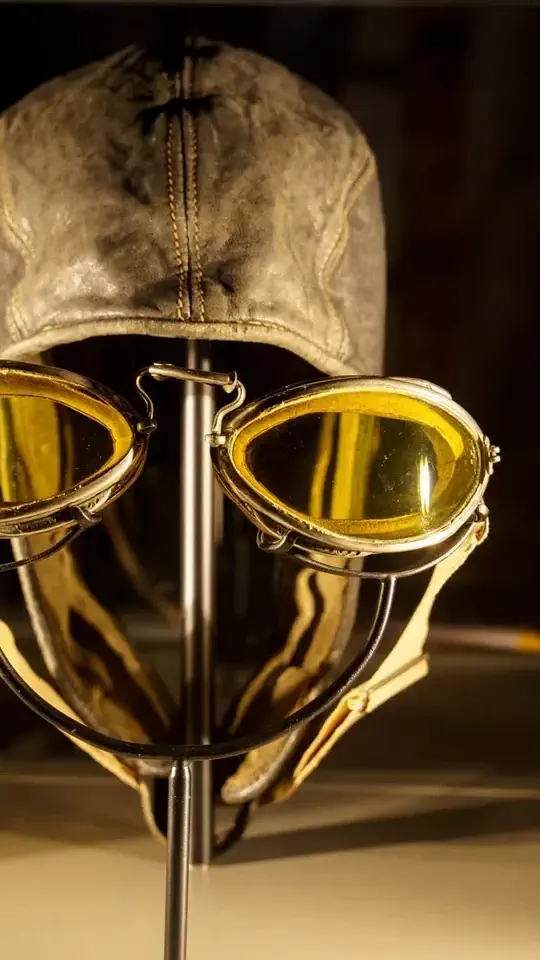
Your journey into the past begins with the earliest history of flight, dating back to the early 20th century. You will find models of early aircraft, documents, and artefacts connected with the scientists who designed them and the pilots who test-flew them.
Beyond aviation, there are also displays about other technological innovations of the era. One fascinating fact is that Bristol once produced highly regarded cars and lorries exported across Europe and beyond. You will also see a restored tram that carried Bristol’s residents from 1875 until 1941, when German bombs destroyed the depot, which was never rebuilt.
Bristol Aerospace – The First World War
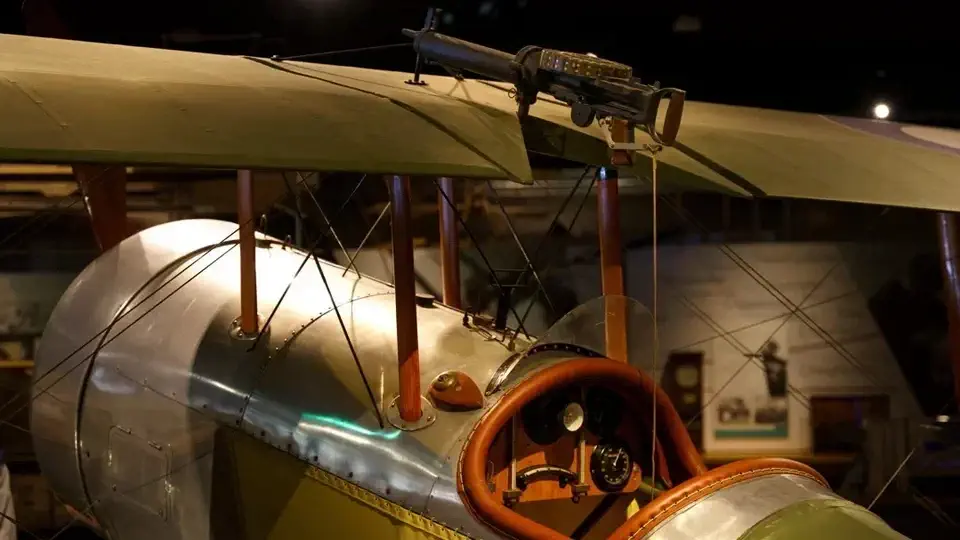
As you continue through the spacious hangar, you move through time and encounter further airborne innovations. The First World War section is particularly compelling, as the conflict accelerated the development of military aviation.
Here you will see the elegant Bristol Scout and, standing beside it, the formidable Bristol F.2B Fighter, a predator that dominated early aerial combat. Both aircraft were designed and manufactured by the Bristol Aeroplane Company.
This was a time when British aviation technology was conquering the world. Pilots from many nations flew aircraft built in Bristol. In 1920, modern Bristol F.2B Fighters ruled the Polish skies, helping to defeat the Bolsheviks and drive them back eastwards.
Bristol Aerospace – The Second World War
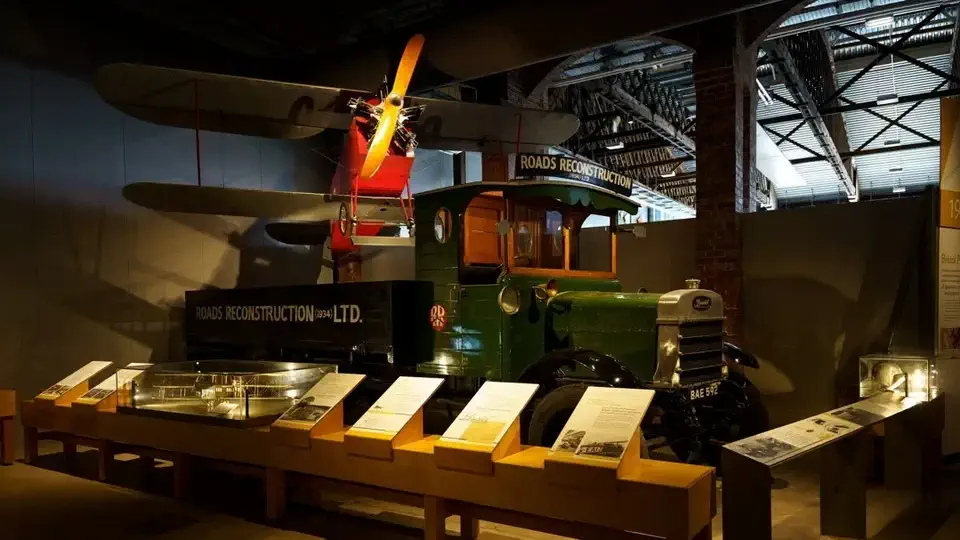
Following the designated route, you will encounter further aircraft and technologies that appeared at an astonishing pace. As history shows, nothing drives technological progress quite like war.
In the Second World War section, you witness an explosion of innovation, much of which still influences modern aviation today.
One of the most impressive exhibits from the 1940s is the Bristol Type 156 Beaufighter – a formidable torpedo bomber that defended Britain’s coastline against the Nazi navy. You will also see fragments of fighter aircraft, missiles, engines, and equipment that formed part of wartime aviation.
Particularly intriguing are materials from laboratories where new materials and designs were developed, some of which never entered production. For those keen to delve deeper, archival materials allow you to trace the stories of aircraft manufactured in Bristol.
Bristol Aerospace – The Cold War
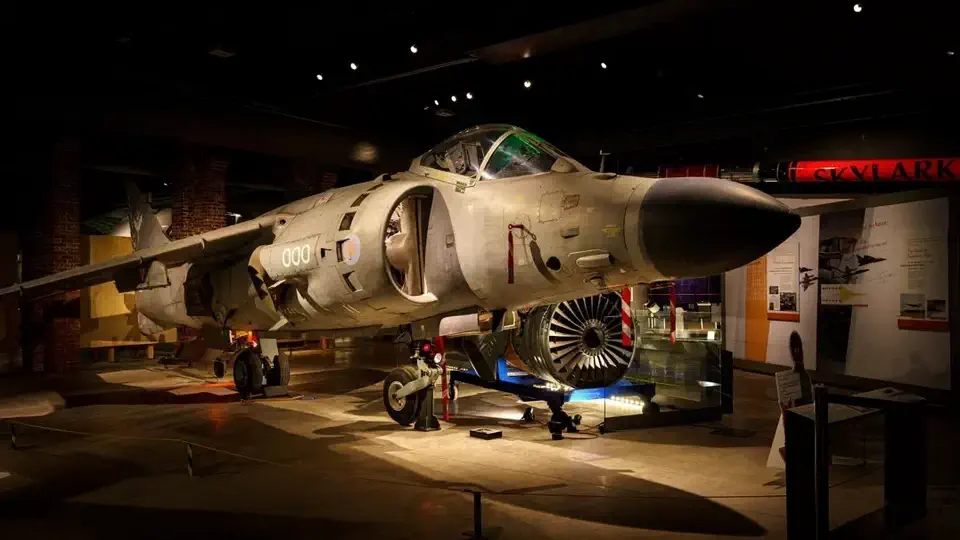
This is where things become truly fascinating. The museum reveals what Western powers were developing during the tense years of the Cold War. Aircraft grew larger and more powerful, and the weapons mounted on them commanded – and still command – respect.
The first missiles, jet engines and airborne rocket systems appeared. Designs were created solely to outmatch and outlast the enemy. The opposing bloc did the same, fuelling an unprecedented arms race.
Nuclear weapons were eventually deployed across Europe. Hidden missile silos were positioned to cover vast distances, while ports housed submarines equipped with devastating weaponry, and airfields stationed strategic bombers prepared for the unthinkable.
Fortunately, that darkest scenario never came to pass. Yet, the equipment and artefacts left behind now form a chilling but fascinating exhibition.
Highlights include:
- Bristol Type 171 Sycamore – the first British-built helicopter, produced between 1947 and 1959.
- Bristol Type 173 – a twin-rotor helicopter originally intended for civilian use, later adapted for military purposes.
- Bristol Bloodhound – a self-contained surface-to-air missile system developed in the 1950s and in service until the 1990s.
- Bristol Type 175 Britannia – a long-range passenger aircraft designed to connect the nations of the British Commonwealth.
- Rapier missile system – a highly effective surface-to-air defence system developed in the 1960s.
- Sea Wolf missile – an advanced naval defence system capable of intercepting incoming threats.
- Chevaline nuclear system – a British ballistic missile programme introduced in 1975.
One particularly striking story tells of a scientist working on a secret nuclear project who told his family he was developing a passenger aircraft engine. In reality, he was designing a rocket motor for an intercontinental missile stationed just a few miles from his home.
Aerospace Bristol – The Conquest of Space
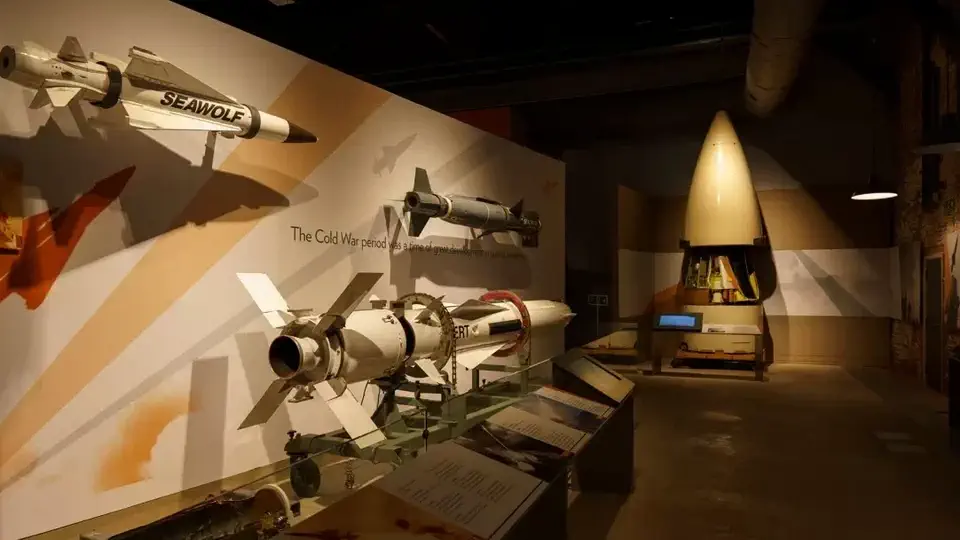
The exploration of space was humanity’s greatest adventure since the first sailors ventured into unknown seas. Space is cold and unforgiving, yet irresistibly compelling.
British scientists are among the leaders in space technology, and this becomes evident in the Space Exploration section.
Key exhibits include:
- Environmental Satellite – a model of a satellite launched in 2002, which orbited the Earth every 100 minutes.
- The Hubble Space Telescope – a model of the famous space observatory launched in 1990.
- Skylark rocket – a British sounding rocket first launched in 1957.
- Giotto space probe – the spacecraft that captured close-up images of Halley’s Comet.
Aerospace Bristol – Exploring the Oceans

While space may be the final frontier, Earth’s oceans remain largely unexplored. Aerospace Bristol also presents exhibits on deep-sea research.
One highlight is Consub 1, a model of an unmanned underwater vehicle developed in the 1970s for geological research and still in service in modified form.
The Supersonic Concorde
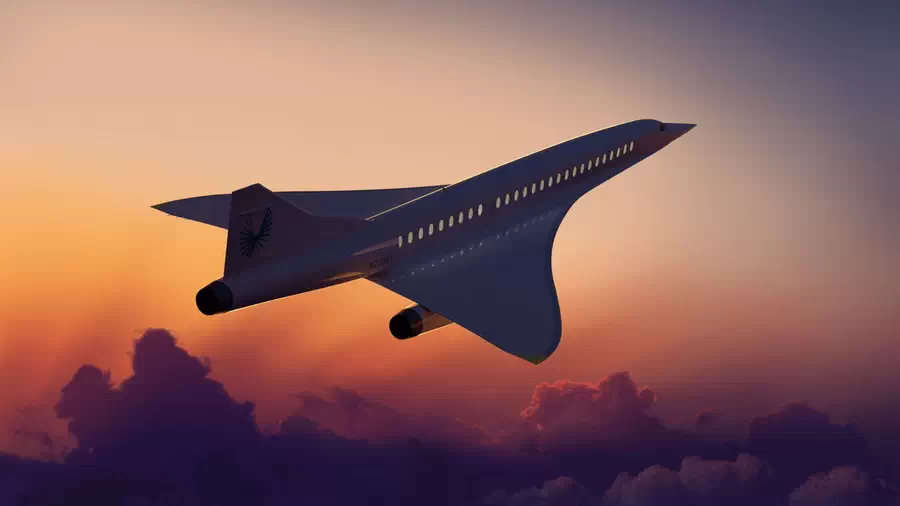
For the sleek and beautiful Concorde, Aerospace Bristol has created a dedicated space. To house this extraordinary aircraft, a special hangar was built on the museum grounds. In addition to the original aircraft itself, the hangar also contains an exhibition devoted to its history, along with artefacts and materials from the era when the world’s fastest passenger jet was flying between continents.
Concorde was the embodiment of the idea of fast, supersonic travel. It was developed by two international consortia – Aérospatiale and the British Aircraft Corporation – representing France and the United Kingdom. The project was completed after several years of research and testing. The first flight of the finished aircraft took place in 1969, and Concorde entered production in 1973.
Between 1973 and 1979, twenty aircraft were built. The final flight took place in 2003, after which the programme was closed and the remaining operational aircraft were transferred to museums and private collections. Economic factors and the increased threat of terrorism after 2001 both contributed to the end of this ambitious project. Nevertheless, in the minds of many, Concorde remains a lasting symbol of modern aviation.
At Aerospace Bristol, you can walk along the aircraft’s narrow cabin and discover the comforts it once offered. A separate passenger category – Concorde Class – was created especially for this aircraft, surpassing standard business class on other planes.
Concorde carried 100 passengers and around a dozen crew members. The journey from London to New York took just over three and a half hours – less than half the time required by conventional aircraft. The ticket price, naturally, reflected this exclusivity. In today’s terms, a return flight would cost around £16,000. Flights on this route operated daily, and empty seats were rare.
Regular passengers included celebrities such as Roger Moore, Sean Connery and Timothy Dalton – all famous for portraying James Bond – as well as leading politicians and stars of television and cinema. As you can imagine, an added thrill was never knowing who might be seated beside you.
You can learn about both the advantages and the drawbacks of Concorde from the many displays filling the hangar. Be sure to look at the enormous engine positioned beneath the aircraft. It is the mighty Rolls-Royce Olympus 593, fitted with afterburners, which powered the machine above it. To this day, it is regarded as one of the most remarkable engines ever built.
A fascinating addition to the exhibition is a stunning Aston Martin in a special Concorde edition, displayed in the hangar beside the aircraft. This elegant and valuable car has been loaned by a private collector and, when not being driven on the open road, can be admired here in the Bristol museum.
Conservation and Restoration Hangar
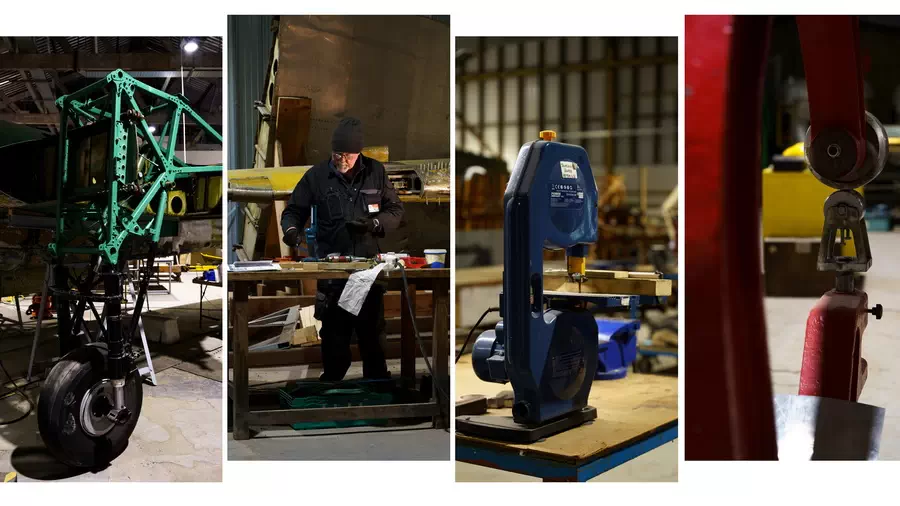
In the third and final hangar at Aerospace Bristol, you can see how aircraft and other machines are restored to their former glory. A dedicated team of enthusiasts and aviation lovers works here, ensuring that new exhibits continue to appear throughout the museum.
During our visit, restoration work was underway on a Bristol Fairchild Bolingbroke, a maritime patrol aircraft from the Second World War. Also awaiting attention are a Bristol Freighter Mk II and engines from aircraft such as the Bristol Mercury and Bristol Hercules.
I highly recommend visiting this part of the museum. The people working here are more than happy to share their knowledge and speak passionately about their work and future restoration plans.
Practical Information
Address: Aerospace Bristol, Hayes Way, Patchway, BS34 5BZ. Free parking is available on site.
Opening hours: Monday – Closed, Tuesday to Sunday – 10:00–16:30. (Some specific dates apply for Concorde hangar closures).
Ticket prices:
- Adults – £18
- Children (4–17) – £10
- Children under 4 – Free
- Seniors (65+) – £16
- Students – £16
- Family tickets available.
All tickets are valid for 12 months and allow unlimited return visits for the named ticket holder.
Aerospace Bristol facts and information
- The Bristol Aerospace Museum opened in 2017 on the site of a former airfield.
- The museum is modern and accessible to people with limited mobility.
- The museum has restrooms.
- The museum also has a restaurant serving food and coffee.
- Some buildings and hangars are historic landmarks in their own right, dating back to the early 20th century.
- The Bristol Aeroplane Company produced over 22,000 aircraft throughout its history, from 1910 to 1959.
- The Polish Army purchased over 100 Bristol F.2B Fighter aircraft, manufactured in Bristol. They fought against the Bolsheviks from 1920.
- The Bristol aircraft factory produced not only aircraft but also rockets and missiles, including those capable of carrying nuclear warheads.
- The Concorde currently on display at Aerospace Bristol is the Concord Alpha Foxtrot. It is the last flying model of this aircraft. In the video below you can see the process of placing it in the museum hangar in Bristol.
Concorde from Aerospace Bristol information and interesting facts
- Only 20 Concorde aircraft were produced in its entire history.
- The Concorde’s first flight took place on March 2, 1969.
- The first commercial flight took place in 1975.
- Concorde aircraft were produced until 1979. Of the 20 aircraft produced, only 14 flew; the rest were used for parts.
- Concorde aircraft flew under the banners of Bristol Airways and Air France.
- The Concorde is 62 meters long and has a wingspan of just over 25 meters.
- The aircraft was powered by four Rolls-Royce engines. To this day, they are considered among the most efficient designs in the world.
- The Concorde reached a speed of 2,330 kilometers per hour and flew at an altitude of 18,000 meters. Today’s passenger aircraft reach a top speed of just over 900 kilometers per hour.
- The Concorde’s altitude allowed its passengers to observe the curvature of the Earth. Today’s aircraft fly at altitudes of up to 13,000 meters.
- The Concorde exceeded the speed of sound after just 12 minutes of flight. Breaking this threshold created a tremendous noise, resembling a clap of thunder. Therefore, the aircraft had to plan its flight path to fly over uninhabited areas.
- The aircraft had a movable nose that lowered during takeoff and landing and straightened during flight. This was a crucial part of the aircraft’s design, allowing it to overcome air resistance while breaking the sound barrier.
- The Concorde carried 100 passengers, plus pilots, an engineer, and flight attendants.
- The Concorde was synonymous with luxury. Although not as spacious as other aircraft, it offered passengers additional luxury. Lobster, caviar, and excellent Scotch whisky were served on board.
- During the flight from London to New York, the aircraft reached speeds that allowed it to outpace the Earth’s rotation. As a result, passengers arrived at their destinations over an hour earlier than when they boarded.
- The Concorde completed the flight between London and New York in 3.5 hours, half the time of other, traditional aircraft.
- The enormous noise generated by its four powerful engines led to the aircraft being banned from many routes. For example, the complete no-fly zone over Malaysia, which resulted in the closure of the London-Singapore route.
- The name Concorde means “concord” or “agreement.”
- Due to the aircraft’s high cost and operation, they never became airline property. They were always owned by the state.
- The Concorde burned more fuel than a Boeing 747, which carried almost four times as many passengers.
- In 2000, the Concorde crashed in the suburbs of Paris and marked the beginning of the project’s demise. 113 people died in the crash.
- The Concorde’s last flight took place in 2003, but it remains a symbol and unrivaled model to this day. Its final flight was from London Heathrow Airport to Bristol.
- The Russians created a very similar design, called the Tu-144.
- Boeing abandoned its attempt to revive a supersonic passenger airliner and focused on passenger capacity. This led to the creation of the famous Boeing 747 jumbo jet.
- Several companies are currently working on reviving the idea of supersonic flight. These include the Boom Supersonic project and many projects from NASA and Lockheed Martin.