Interesting facts about nuts is part of our series featuring interesting information about ordinary things that surround us.
Nuts are seeds or fruits whose interior is edible and enclosed in a hard shell or husk. Everyone knows they’re a delicious snack, often added to salads, cakes, and chocolates, but few people consider where these nuts come from, whether they’re healthy, and how they affect our bodies. In the article below, you’ll find facts, information, and interesting facts about nuts.
Interesting facts about nuts, their types, and origins
- Not all “nuts” are true nuts—for example, peanuts (arachis) are legumes, like peas and beans.
- Botanically, chestnuts, hazelnuts, and acorns are considered nuts—they have a hard shell and do not open when ripe.
- Almonds are also not nuts, but the seeds of a fruit resembling a peach.
- The world’s most calorie-dense nut is macadamia nut—containing a whopping 720 kcal per 100 g!
- The world’s most popular nuts are almonds, walnuts, and cashews.
- The walnut originates from Central Asia and Persia—which is why it was formerly called the “Persian nut” in English.
- The name “walnut” comes from the time when they were imported to Poland from Italy.
- Hazelnuts are a favourite ingredient in chocolates and spreads, including Nutella – over 25% of the world’s annual production is used just for this purpose!
- Pistachios are one of the oldest cultivated nuts – people ate them 9,000 years ago in Asia Minor.
- Cashew nuts grow on fruits called cashew apples – the actual nut is on the outside, under a hard shell.
- The shell of cashew nuts is poisonous – it contains a substance similar to that found in poison ivy leaves. Therefore, the nuts are always sold processed.
- Brazil nuts are one of the richest sources of selenium – just two a day covers your entire daily requirement.
- Botanically, a coconut is not a nut, but a drupe (like a peach or plum).
- Pine nuts are the seeds of the pine tree – they don’t grow in their shells, but in cones. They are very delicate and aromatic.
- Pecans are a close relative of the walnut – they originate from North America and were an important part of the Native American diet.
- The world’s largest nut producers are India, the USA, and China, while in Europe, Turkey (hazelnuts) and Italy (almonds) are the leading producers.
- Nuts have often symbolized wisdom and longevity in culture – for example, in ancient Rome, nuts were thrown at weddings as a sign of fertility.
- Storage of nuts is significant – they oxidize easily and become rancid; it is best to keep them tightly closed in the refrigerator or freezer.
- The oldest nuts found by archaeologists date back over 780,000 years – they were discovered in Israel, on the shores of Lake Hula.
- Nuts in the Mediterranean diet are considered a key factor in the longevity of southern Europeans.
- The world’s largest nut is the so-called “pecan nut.” Coco de mer (sea coconut) from the Seychelles – it can weigh up to 25 kilograms!
- Pine nuts were one of the basic ingredients of ancient pesto – the Romans combined them with garlic, cheese, and olive oil.
- Peanuts are a favourite snack of NASA astronauts – they store well and are high in energy.
- Walnuts resemble the brain – and indeed support its function thanks to their omega-3 fatty acids and phosphorus content.
- In China, nuts symbolize happiness and longevity – they are often served during New Year’s celebrations.
- Pistachios were once called “green gold” because they were expensive and reserved for the Persian and Roman elites.
- The largest producer of pistachios in the world is currently Iran, although the United States is increasingly catching up.
- Macadamia nuts originate from Australia and were an important food source for the Aborigines long before their discovery by Europeans.
- The word “cashew” comes from the Portuguese caju, which in turn comes from the Tupi language acajú, meaning “yellow fruit.”
- Brazil nuts grow only in the pristine forests of the Amazon – they cannot be successfully cultivated in orchards because they depend on specific pollinating bees.
- Coconuts can drift thousands of kilometres in the ocean and still sprout upon reaching shore.
- People of Polynesia used coconut as a source of everything – food, water, oil, fibre for rope, and material for pots.
- In the Middle Ages, hazelnuts were believed to protect against evil spirits and lightning – they were often planted near houses.
- Some people are allergic to hazelnuts only when they are raw, but after roasting, they do not react because the proteins change their structure.
- Nuts are one of the best sources of vitamin E, which has anti-ageing properties and protects cells from oxidative stress.
- In ancient times, pecans were used by Native Americans to prepare a nutritious drink – a mixture of water and crushed nuts.
- Nuts are an important ingredient in many cuisines around the world – from Indian curries, to Thai peanut sauces, to Italian almond desserts.
- Some birds, such as jays and woodpeckers, bury nuts for the winter – not all of them are found later, which aids in the natural dispersal of nut trees.
Interesting facts about nuts: where they grow and where they come from
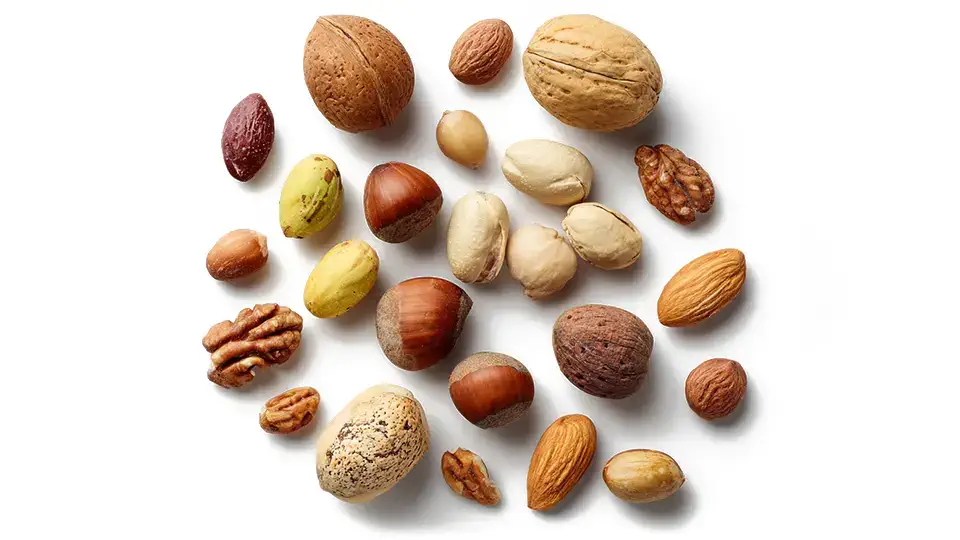
- Walnuts originated in Central Asia and Persia (present-day Iran and Afghanistan), but are now cultivated throughout Europe, North America, and China.
- Hazelnuts (filberts) grow naturally in Europe and Asia Minor – the world’s largest producer is Turkey (approximately 70% of global production).
- Almonds grow in Mediterranean climates – primarily in Spain, Italy, California, Iran, and Morocco.
- Cashews originated in northeastern Brazil, but today the main plantations are in India, Vietnam, and West Africa.
- Macadamia nuts are native to Australia – particularly Queensland. Today, they are also cultivated in Hawaii, South Africa, and Costa Rica.
- Pistachios originated in Asia Minor and Iran – currently, the main producers are Iran, the United States (California), and Turkey.
- Brazil nuts grow exclusively in the natural forests of the Amazon – in Brazil, Peru, and Bolivia. They cannot be effectively cultivated commercially.
- Coconuts grow in tropical regions – most abundant in the Philippines, Indonesia, India, and Sri Lanka.
- Peanuts (peanuts) originate from South America, but currently the largest producers are China, India, and the United States.
- Pecans originate from North America – they grow wild along the Mississippi and Texas rivers and are cultivated primarily in the United States and Mexico.
- Pine nuts are the seeds of the pine tree, which grows primarily in the Mediterranean region – in Italy, Spain, and Portugal.
- Chestnuts grow in Southern Europe, Asia, and the eastern United States – they prefer mountainous and humid climates.
- Shea nuts originate from sub-Saharan Africa – primarily Ghana, Niger, and Sudan; they are used to producing shea butter.
- Kola nuts, from which cola drinks are made, grow in West Africa – for example, in Nigeria, Côte d’Ivoire, and Ghana.
- Tigernuts (chufa) are not nuts, but rather the tubers of a plant native to Africa and Spain – they are the main ingredient in horchata de chufa.
- Cedar nuts come from Siberian and Mongolian forests – they are harvested from the cones of the Siberian pine tree.
- Buriti nuts grow in the Amazon rainforest – their oil is rich in vitamin A and is used in cosmetics.
- Mongongo nuts come from South Africa – they are an important food source for the people of the Kalahari Desert.
- Argan nuts grow only in Morocco – on argan trees that have adapted to the hot, dry climate.
- Coco de mer nuts (coconuts of the sea) are found only on two Seychelles islands – Praslin and Curieuse, and are strictly protected.
Interesting facts about nuts and their place in the kitchen
- Nuts are one of the oldest culinary ingredients in the world – they were used in ancient Babylon and Persia to thicken sauces and desserts.
- Almonds are the basis of marzipan, a sweet paste that originated in Persia or medieval Spain – its name comes from the Italian marzipan.
- Peanut butter was invented in the 19th century in Canada – it was intended as an alternative to meat for people with chewing difficulties.
- Walnuts pair perfectly with blue cheeses – their bitter aftertaste enhances the flavour of Gorgonzola, Roquefort, and Camembert.
- Hazelnuts are one of the most important ingredients in chocolate – especially Italian gianduja pralines and the famous Nutella spread.
- Pistachios add a unique colour and flavour to ice cream, creams, and pastries – in Turkey and Iran, they are a true symbol of luxury.
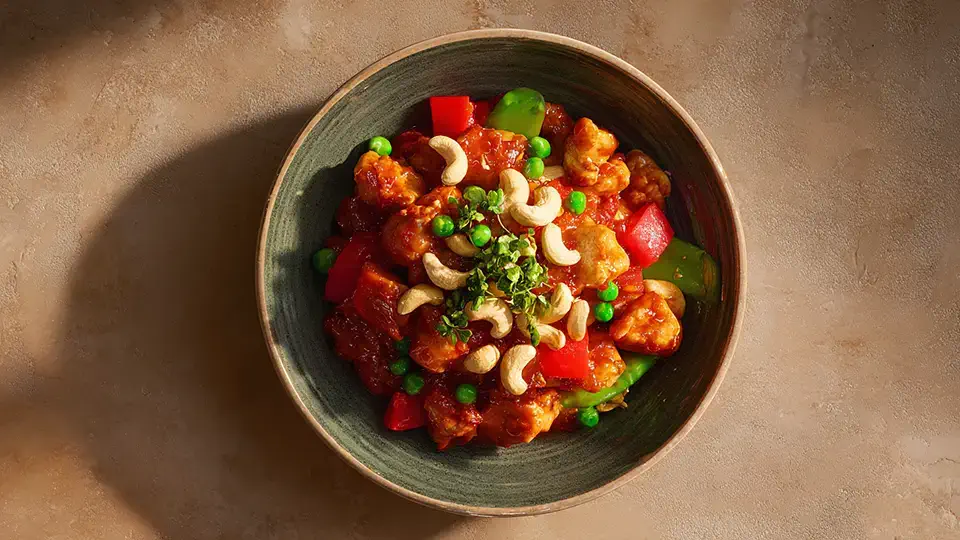
- Cashew nuts make a delicious vegan “cheese” – after soaking and blending with spices, they have the consistency of creamy cottage cheese.
- Brazil nuts are often added to ice cream desserts and cakes, but also to savoury chicken and curry dishes in South American cuisine.
- Macadamia nuts are a culinary delicacy – in Australia, they are added to cakes, and in Hawaii, they are typically covered in chocolate and sold as luxurious gifts.
- Pine nuts are a key ingredient in pesto alla genovese – a classic Italian sauce made with basil, garlic, cheese, and olive oil.
- Peanuts are the base of the famous Thai satay sauce, served with grilled meat or tofu.
- Indian cuisine loves nuts – cashews and almonds are added to curries, desserts, and drinks to give them a creamy consistency.
- Moroccan cuisine uses almonds to stuff dates and roasted meats – their sweet and savory flavour is their speciality.
- Walnuts and figs are a traditional combination in Mediterranean cuisine – used in salads, cakes, and cheese tarts.
- Pecans can be used to make plant-based milks – such as almond, hazelnut, or cashew milks, popular in vegan and lactose-free diets.
- In Georgian cuisine, walnuts are the base of famous sauces such as satsivi (chicken in walnut sauce) and pkhali (vegetable spread with nuts).
- Toasting the nuts brings out their aroma – it’s best to do this in a dry pan or in the oven for a few minutes, until lightly browned.
- Pecans are at the heart of the famous American dessert – pecan pie, a tart made with corn syrup, sugar, and vanilla.
- Nuts are not just decorative elements in Asian desserts – in India and the Middle East, they are an essential ingredient in sweets like baklava and halva.
- Ground nuts can replace flour in gluten-free cakes – almonds and hazelnuts are particularly popular.
Interesting facts about nuts and their place in culture and ancient beliefs

For centuries, nuts have played an important role not only in cuisine but also in culture, mythology, and ancient beliefs. They were a symbol of fertility, wisdom, wealth, and sometimes magic and protection.
- In ancient Rome, walnuts were scattered at weddings – they symbolized fertility and abundance. Guests gathered them for good luck.
- In Celtic culture, walnuts were considered a symbol of wisdom – it was believed that eating them would grant one knowledge and insight.
- In the Middle Ages, the walnut was called the “fruit of wisdom” – its shape resembled a brain, which was associated with intellect.
- In the Bible, the walnut appears in the “Song of Songs” – it symbolized mystery, the life hidden within its hard shell.
- The Greeks believed that the goddess Artemis transformed a beloved nymph into a walnut tree – hence the Latin name Juglans, from “Jupiter’s acorn.”
- In Ancient Egypt, hazelnuts were placed in the tombs of pharaohs as food for the soul in the afterlife.
- In Poland, nuts symbolized fertility and wealth – they were included in the bride’s dowry to ensure prosperity.
- During Slavic wedding ceremonies, the groom would throw nuts at the bride – this was to ensure numerous offspring.
- In folk beliefs, hazelnuts protected against evil spirits and lightning – hazelnuts were often planted near houses.
- A hazel branch was used by dowsers to search for water and treasure – it was considered a “magical wood.”
- In Norse beliefs, nuts were a symbol of love and fertility; the goddess Freya was said to bless couples who ate them together.
- In Renaissance Europe, nuts were considered an aphrodisiac – they were said to “warm the blood” and arouse passion.
- In the Balkan countries, fortune-telling was done on Christmas Eve with nuts – if the shell was healthy, a good year would come; if empty, it foretold misfortune.
- In Germany and Austria, children received nuts during Advent as a symbol of St. Nicholas’ generosity and a reward for good behaviour.
- In Jewish culture, nuts symbolize sin – their shells resemble a human heart, hard but with a valuable interior.
- In the Middle Ages, nuts were hung in homes to ward off witches – they were believed to dislike the smell of fresh shells.
- In the Caucasus, nuts were used in mourning rites – they symbolized the cycle of life, death, and rebirth.
- In China, nuts, especially walnuts and pistachios, symbolized happiness, health, and longevity; they were often offered to ancestors.
- In Armenia and Georgia, walnuts were considered sacred trees – it was believed that the spirits of ancestors resided in their roots.
- In Polish folk tales, nuts were placed under children’s pillows so that they would “grow as wise and strong as a walnut.”
Interesting facts about nuts and their importance for our body

Nuts are a veritable treasure trove of nutrients—from vitamins and minerals to healthy fats and antioxidants. Eaten in moderation, they can do wonders for your heart, brain, and overall health.
- Nuts are among the healthiest foods in the world – they contain unsaturated fatty acids, protein, fibre, vitamins, and minerals.
- Eating nuts regularly can increase lifespan – Harvard studies have indicated that people who eat nuts several times a week live longer, on average.
- Nuts support heart health – they lower “bad” LDL cholesterol and increase “good” HDL cholesterol.
- The omega-3 fatty acids in walnuts help reduce the risk of cardiovascular disease and atherosclerosis.
- Nuts are great for the brain – they provide phosphorus, magnesium, and vitamin E, which improve concentration and memory.
- Eating a handful of nuts daily can reduce the risk of type 2 diabetes by up to 30%.
- Nuts contain antioxidants that protect cells from ageing and the development of cancer.
- Almonds are great for the skin – thanks to vitamin E and healthy fats, they support skin elasticity and delay the ageing process.
- Cashew nuts provide iron and zinc, which boost immunity and help fight anaemia.
- Macadamia nuts are rich in monounsaturated fats – the same fats found in olive oil.
- Pistachios help control weight – although high in calories, they increase satiety and reduce snacking.
- Peanuts are high in protein – making them popular in the diets of athletes and vegetarians.
- Brazil nuts are a great source of selenium, which supports the thyroid and immune system – two a day is enough!
- Hazelnuts improve nervous system function thanks to their magnesium and B vitamins.
- Eating nuts can help fight depression – thanks to tryptophan, which is the source of serotonin, the happiness hormone.
- Nuts help control blood pressure – the potassium and arginine they contain support the elasticity of blood vessels.
- Despite their high calorie content, nuts aid weight loss – they boost metabolism and improve appetite control.
- Almonds neutralize stomach acid, which can alleviate symptoms of heartburn and acid reflux.
- Nuts protect against dementia – studies indicate that regular consumption can reduce the risk of Alzheimer’s disease.
- The healthiest results come from a mix of different nuts – different varieties provide unique nutrients and minerals.
Nuts are much more than just a tasty snack. They have accompanied humans for thousands of years – as a source of food, a symbol of wisdom, fertility, and abundance, and today also as a component of a healthy diet. Each variety has its history, flavour, and place in the world – from Persian nut groves, through Italian almond plantations, to Amazonian forests brimming with Brazil nuts. Within these small, hard shells lies a vast diversity of nature – and extraordinary power. Whether you reach for a handful of almonds for health, pistachios for pleasure, or walnuts for flavour – each time you open a small fragment of world history, one that smells of tradition, sunshine, and life.