Tabarca Island is a small rock off the coast of sunny Costa Blanca, which in summer becomes a destination for thousands of tourists arriving from the mainland every day. Although small, the island is charming, and importantly, the surrounding waters are considered some of the cleanest in this part of Spain. In the article below, I’ll briefly tell you the history of the island and answer the question of what Tabarca Island has to offer visitors. You’ll also find some information about the island’s monuments, people connected to it, and many facts and interesting facts.
Tabarca Island practical information
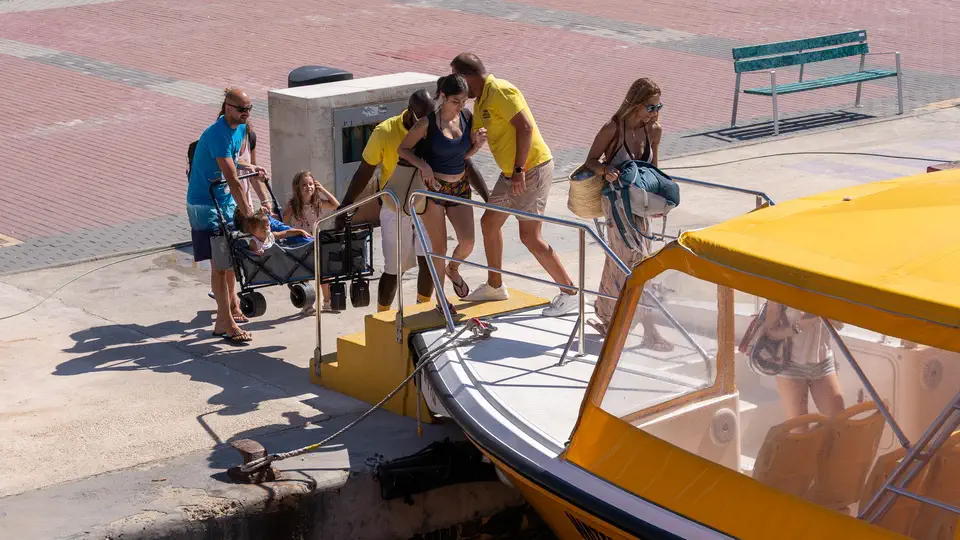
How to get to the island? It couldn’t be simpler. Tabarca Island is well-connected to the mainland. There are numerous departure points for boats, motorboats, and catamarans. The most popular ports for transport to the island are Santa Pola, Torrevieja, Alicante, and Benidorm. The most convenient means of transport are the Tabarquera boats, large catamarans, often with glass bottoms, allowing you to watch fish swim in the crystal-clear waters. You can also rent a private motorboat, whose owner will take you to Tabarca and then pick you up at a pre-arranged time.
Ferry tickets to the island depend on your departure point. As you might imagine, the price gets lower the closer to the island you start your journey.
The cheapest option is from the port of Santa Pola. The journey takes just a few minutes, as the distance between the two locations is only 8 kilometres, and the ticket price is just 9 euros round-trip. Interestingly, several ferries have their sales points next to each other, and just before the boat departs, they literally shout over each other and slash prices. So, if you don’t decide to buy your ticket online, there’s a good chance you’ll save a few euros. During the season, ferries from Santa Pola depart every 30 minutes from 9:00 AM to 7:00 PM.
The price of a round-trip ticket from Torrevieja is 27 euros per person. However, remember that only two ferries depart from Torrevieja to Tabarca: the first at 9:15 AM and 12:15 PM, and the return at 4:00 PM and 7:00 PM.
From Alicante, the ferry to Tabarca Island departs at 10:45 AM and returns at 4:00 PM. A round-trip ticket costs €23. The journey takes less than an hour.
*Keep in mind that prices can change rapidly, so consider the above as a guide rather than a definitive statement.
You’ll find dedicated parking at each port, but it can be difficult to find a free space, especially during peak season. We park our car on the street in the city.
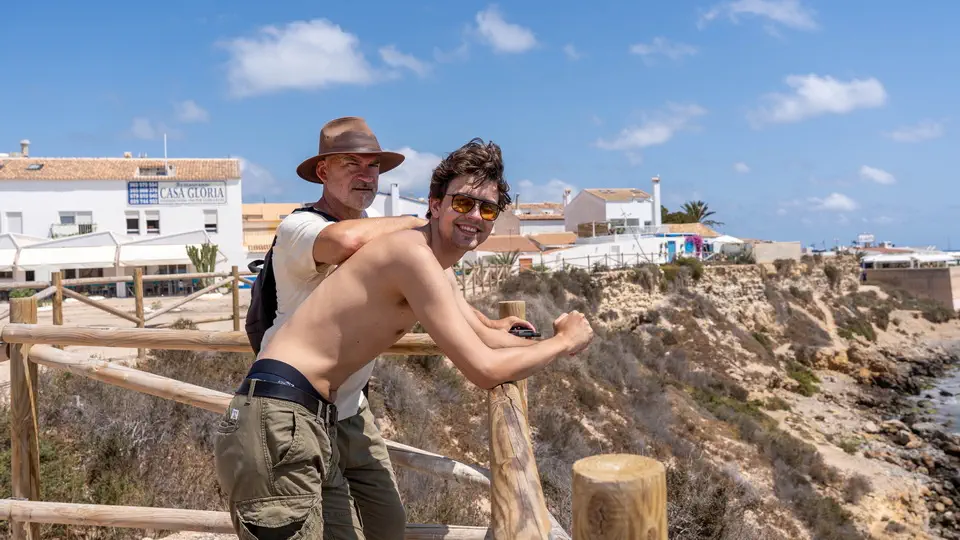
The island of Tabarca boasts several renowned restaurants, some open year-round, others only during the season. I recommend Tere, which has been open for almost sixty years. It’s located right on the seafront, and I’ve never had a meal I didn’t like. Another restaurant I’ve eaten at is Gloria, which serves traditional Tabarca dishes. And, of course, be sure to book a table during peak season!
The island of Tabarca also has hotels, some of which are open year-round. I can only recommend one of them, the one I stayed in. It’s the CH Hotel with a beautiful sea view. Prices start under €100, and in my opinion, it’s worth it. Besides hotels, you can also find accommodation in a hostel or private home.
Tabarca Island and its history
Mentions of Tabarca can be found in ancient Greek and Roman writings, but it wasn’t until the 17th century that the island was permanently settled—by Barbary pirates. They turned this small patch of land into a base for their raids along the southern shores of the Iberian Peninsula. In time, the pirates were defeated, and the island once again returned to silence.
Everything changed at the end of the 18th century, when a ship from the Genoese Republic was wrecked near Tabarca. The sailors decided to stay on the deserted island and start a new life. Soon after, King Charles III of Spain brought several hundred settlers from Tunisia—specifically from the small Tunisian island of Tabarka, from which Tabarca takes its name.
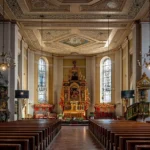
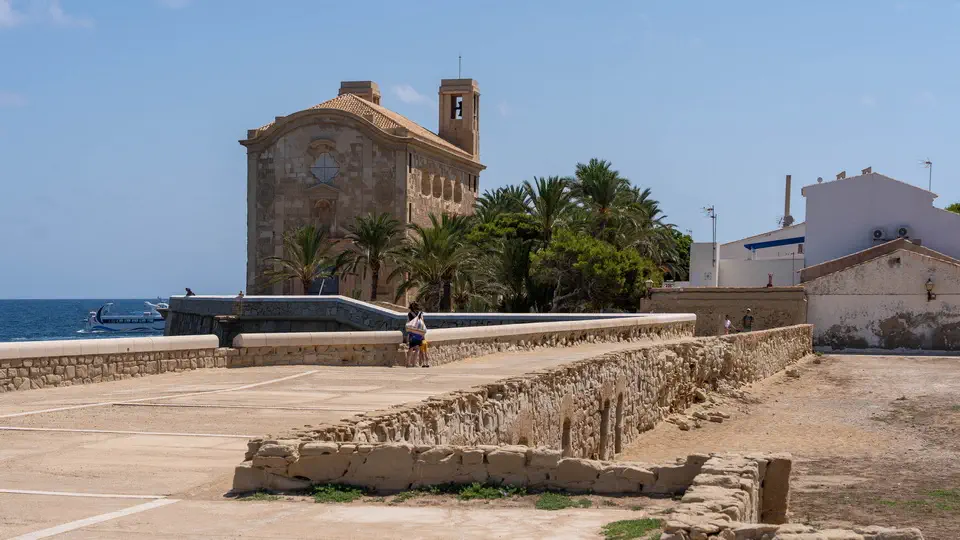
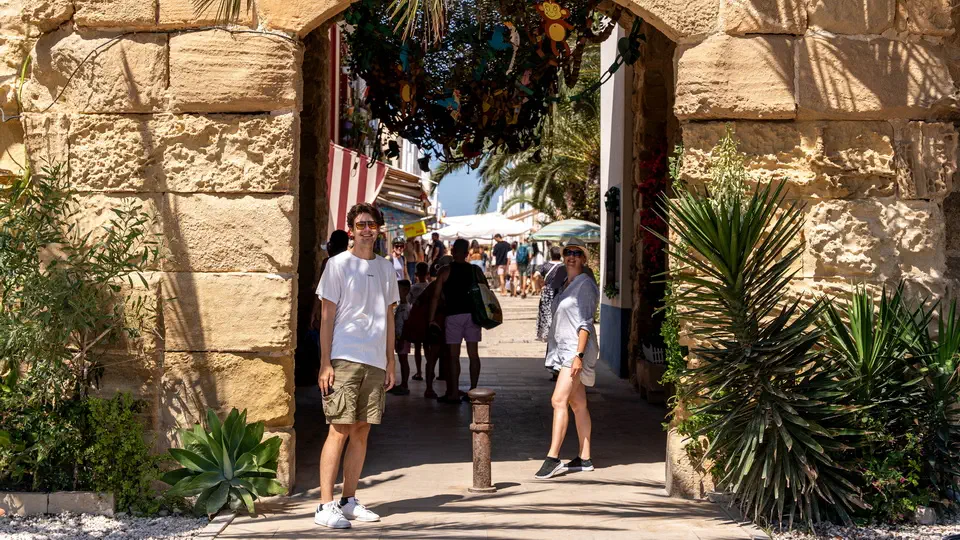
The Spanish crown later sent an engineering garrison to fortify the island. The settlers joined the work, and the western part of Tabarca was soon enclosed by defensive walls with towers and bastions. Warehouses and barracks were built, turning Tabarca into a fully recognized, inhabited part of Spain. If you look closely today, you can still spot traces of this past in the stones and oldest buildings: the remains of the city walls and gates, the Governor’s House—now converted into a hotel—and the Church of Saints Peter and Paul, completed in 1779.
By the end of the 19th century, the garrison was withdrawn and the post of governor abolished. Left on their own, the islanders returned to what they did best—fishing. For decades, Tabarca supplied the mainland with excellent fish and seafood. In the early 20th century, more than 1,000 people lived here. Today, however, the numbers have dwindled, and just over sixty permanent residents remain on this tiny but fascinating piece of land.
How to spend time on the island
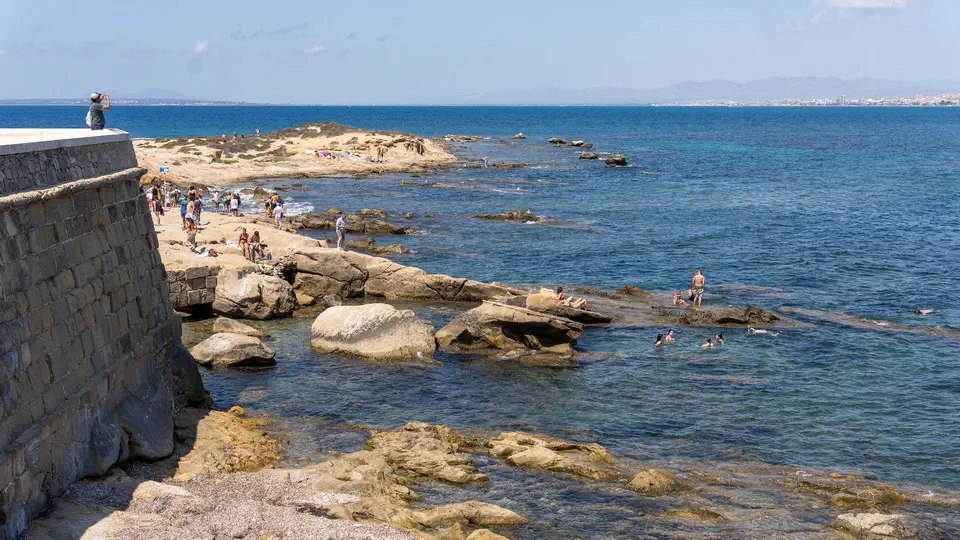
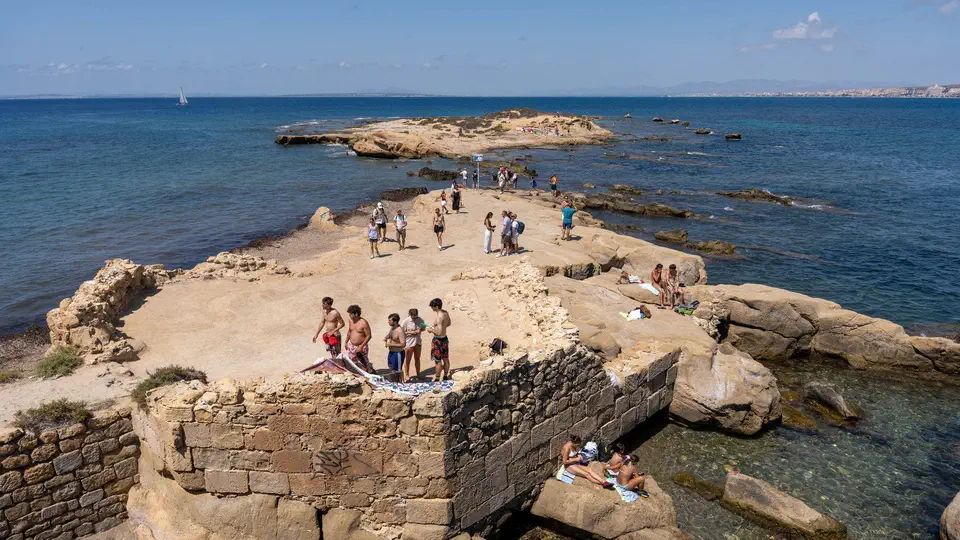
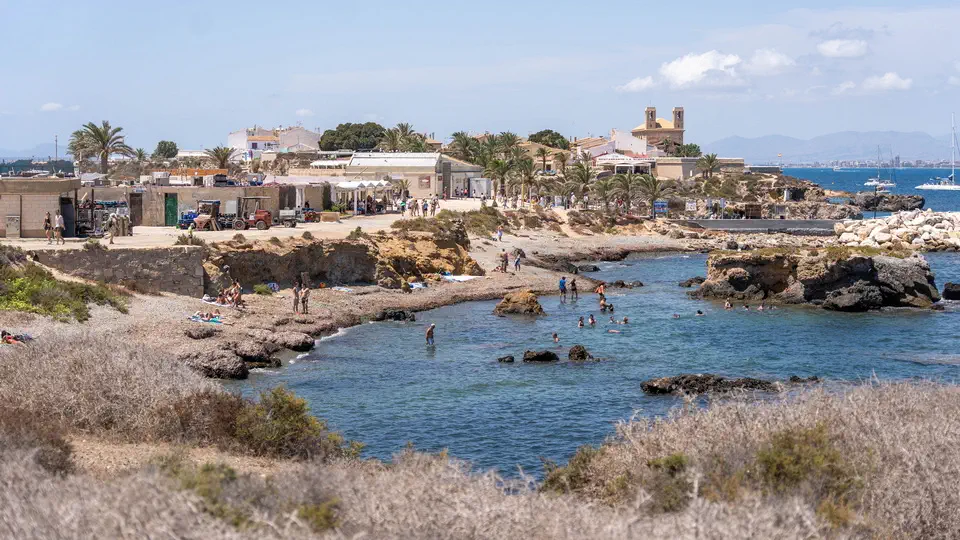
We’ve visited Tabarca several times, so let me give you one important piece of advice: avoid going there in the peak of summer. The island has almost no trees, which means it turns into a frying pan under the scorching sun, packed with thousands of tourists from around the world every single day. Restaurants get overcrowded, you wait forever for lunch, and the small, charming beaches are filled to the brim. From September until June, however, Tabarca transforms into a true paradise.
We always take the boat from Santa Pola, even though Torrevieja is closer to us. The town of Santa Pola lies just 8 kilometres from the island, and the crossing takes just over 15 minutes. The ticket prices are another big plus—only €9 on the ferry company’s website, which is three times cheaper than from Torrevieja or Alicante. If you’re travelling with a group, the savings really add up. Even better, in the port, different operators have their ticket booths right next to each other, and just before departure, if there are empty seats, they literally start competing for passengers, dropping prices dramatically. I’ve seen the fare fall from €9 to €7, and finally to just €4 for a return ticket in a matter of minutes. Ferries run frequently throughout the day, so you’ll have no problem finding one.
Once you arrive on the island, I recommend heading straight to one of its lovely beaches. There’s nothing like a refreshing swim in the crystal-clear water before starting your sightseeing. If swimming, snorkelling, and water fun are your main reasons for visiting, you’ll probably end up staying on the beach. But if you’d like to combine your trip with a bit of exploring, make sure to visit the Tabarca Nova Museum, where you’ll find everything about the island’s history and its people. You should also see the Church of Saints Peter and Paul, the old gates that once led from the harbour into the town, and the San José defensive tower dating back to 1790.
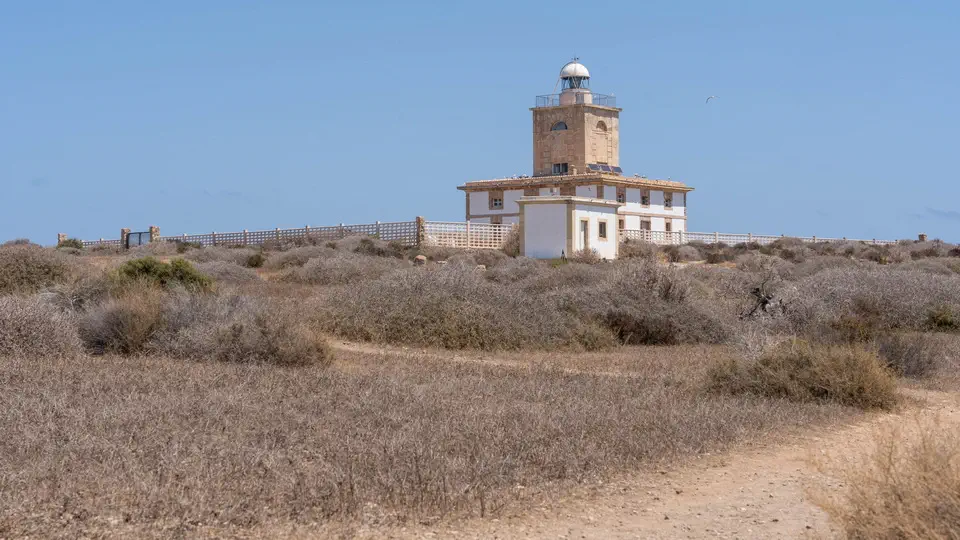
Another highlight is the Tabarca lighthouse, a very photogenic spot that’s perfect for pictures. But perhaps the most enjoyable part of the visit is simply strolling through the island’s narrow, shaded streets. Keep in mind, though, that while there are no cars on Tabarca Island, there are still transport vehicles and forklifts around the port and commercial area. Their drivers act as though the roads belong only to them, racing through at top speed—so stay alert while walking!
One of the most fascinating attractions is the Cova del Llop Marí cave, which you can reach by boat or kayak. The cave stretches more than 120 meters into the island and is home to many sea creatures. According to local legend, a family of monk seals lived there a century ago but were driven away by fishermen afraid of competition. Sadly, the female was pregnant and died in the sea with her pup. The male, an enormous seal, is said to have taken revenge on the island’s fishermen for years. Some locals even claim that you can still hear his angry growls deep inside the cave. Whether you’re coming for history, legends, or the crystal waters, Tabarca Island is a place that always leaves you with stories to tell.
Tabarca Island as a marine reserve and a rich habitat for flora and fauna
Tabarca holds a special place in Spain’s environmental history: in 1986 it became the country’s very first marine reserve. Decades of overfishing and neglect had taken their toll on the waters surrounding the island, leaving marine life severely depleted. But with new protections and strict regulations in place, the sea around Tabarca has slowly but surely recovered. Today, the waters are once again crystal clear, filled with vibrant life, and considered one of the healthiest ecosystems in the Mediterranean.
Here you can spot delicate seahorses—creatures that are extremely sensitive to water quality. The reserve is also home to turtles, groupers, octopuses, and countless fish species that only a few decades ago had vanished from the area. Perhaps most importantly, scientists celebrate the return of Posidonia oceanica, a unique Mediterranean seagrass often described as the “lungs of the sea.” It only grows in the cleanest waters, and its presence is a sign of a thriving ecosystem.
Thanks to this revival, Tabarca has become a top destination for snorkeling and diving enthusiasts who come to experience the underwater beauty firsthand.
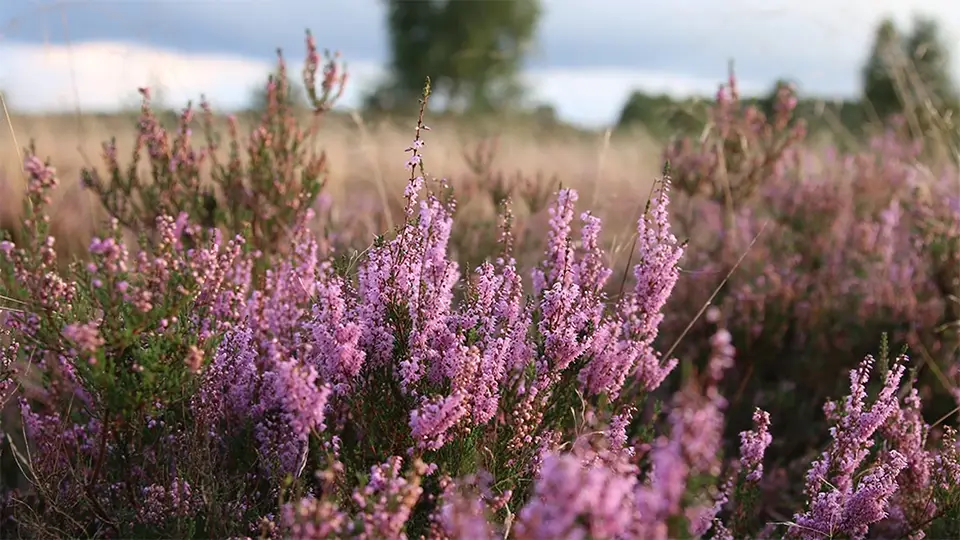
But Tabarca isn’t just about marine life. A few years ago, the island was also declared a Special Protection Area for Birds (SPA), making it a true sanctuary for all forms of wildlife. As you wander through the uninhabited part of the island, don’t miss the vast, colorful heathlands that paint the landscape with shades of green, purple, and pink—a paradise both above and below the surface.
Island Information Summary
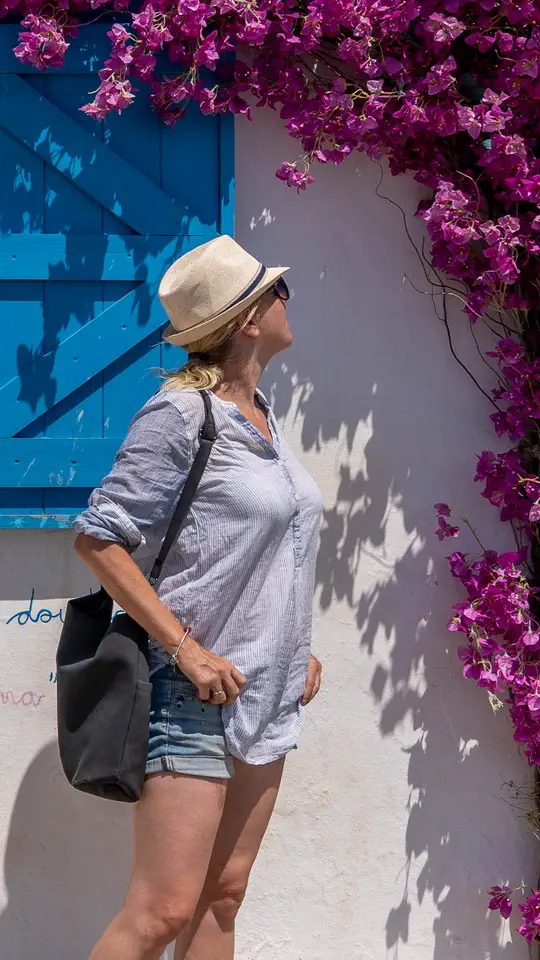
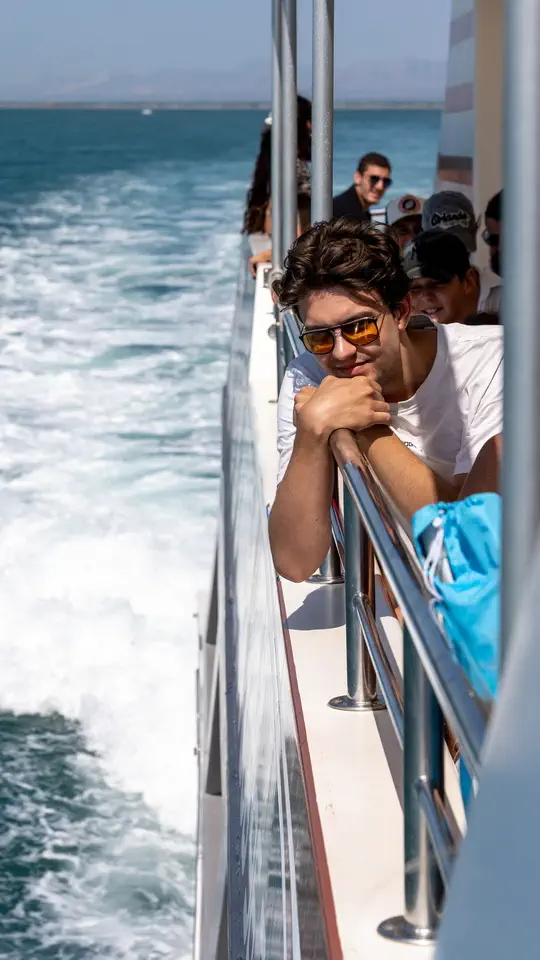
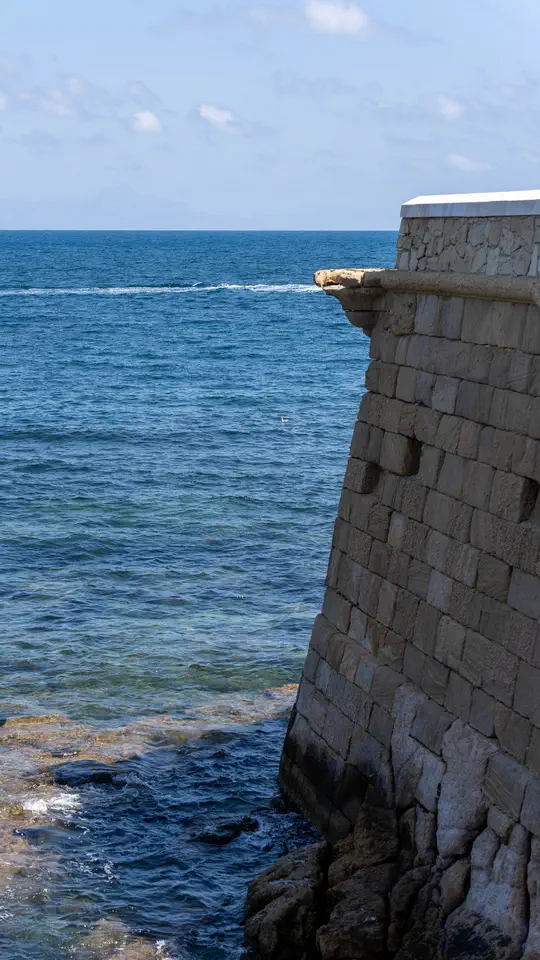
Tabarca Island is both beautiful and fascinating, and for me, the time spent there has always felt like an adventure. We had a wonderful time relaxing on its many beaches, as well as exploring both the lively, inhabited side and the wilder, untouched part of the island. I highly recommend making the trip—especially on a warm day after the busy summer. Personally, I know I’ll return again and again, just like many of my friends already do.
To truly experience the island’s charm, I suggest staying overnight in one of the few small hotels. This way, you’ll get to witness the spectacular sunset—a moment that words can hardly capture. And when you go, don’t forget to share your own Tabarca adventures and the impressions you bring back with you. I’d love to hear your stories!
Tabarca Island facts, information, and curiosities
- Tabarca Island lies in the Mediterranean Sea near the city of Alicante, approximately 20 kilometers away.
- Tabarca is part of a tiny archipelago off the coast of Spain. It consists of a dozen or so islets, shallows, and boulders barely rising from the water.
- Tabarca Island is the smallest permanently inhabited island in Spain.
- Tabarca Island administratively belongs to the city of Alicante.
- The only inhabited island in the Valencian region, Tabarca is the only permanently inhabited island in the entire Valencian Community.
- Once a pirate hideout – in the 18th century, the island was a haven for Barbary pirates who attacked the Spanish coast.
- Tunisian Settlers – After expelling the pirates, King Charles III brought settlers from Tunisia, specifically from the island of Tabarka, from which Tabarca takes its name.
- Small in size – the island is only 1.8 km long and 400 m wide, so you can walk around it in less than an hour.
- Surrounded by crystalline waters – the waters around Tabarka are so clear that Spain’s first marine nature reserve was established here in 1986.
- A paradise for divers and snorkelers – thanks to its clear waters and rich underwater fauna, the island attracts water sports enthusiasts.
- Fortified town – defensive walls were built here in the 18th century to protect settlers from future pirate attacks. Part of the fortifications remain to this day.
- The Church of St. Peter and St. Paul – the island’s most distinctive structure, completed in 1779.
- The lighthouse – built in 1854, it still guides sailors.
- Small population – only about 50 people live here permanently, but thousands of tourists visit the island in the summer.
- Exceptional cuisine – a local specialty is “caldero tabarquino” – a fish stew with potatoes and rice.
- Car-free – there is no traffic in Tabarka, making strolling the streets incredibly pleasant.
- Narrow streets – the buildings resemble small Mediterranean towns – white houses with colorful shutters and flowers.
- San Pedro Beach – the island’s main beach, ideal for swimming and relaxing.
- Rich nature – in addition to fish and underwater plants, the island is home to numerous seabirds, such as gulls and cormorants.
- Two parts of the island – Tabarca consists of a populated part with a town and a more rugged, rocky part, ideal for strolling.
- Traditional festivals – residents celebrate fiestas in honor of Saints Peter and Paul, which attract many tourists.
- A source of inspiration for artists – the beautiful landscapes and peaceful climate have attracted painters, writers, and photographers.
- Easy access – the island can be reached by ferry from Alicante, Santa Pola, or Benidorm, making it a great day trip.
- Magical sunsets – the sight of the sun setting below the horizon, with the sea and the island walls in the background, is one of the most beautiful experiences on the Costa Blanca.