The interesting facts about Spain and its people that I have collected for you will help you understand the history of this extraordinary country and will bring you closer to the character and famous temperament of the Spanish people.
Interesting facts about Spain and its history
Spain’s history is as fascinating as it is complex. For centuries, diverse cultures have flowed across the Iberian Peninsula, and all of this is still evident today in Spanish cuisine, music, and art. Below, you’ll find dozens of interesting facts about Spain’s history.

- The oldest cave paintings in Europe – paintings dating back over 35,000 years have been discovered in the Altamira Cave in Cantabria.
- The Empire on Which the Sun Never Set – In the 16th and 17th centuries, Spain possessed colonies on every continent, ensuring that the sun always shone on its empire.
- The Spanish Inquisition – established in 1478 and operating until the 19th century, it was one of the most famous religious and political institutions in Europe.
- The Reconquista – the process of reconquering the Iberian Peninsula from Muslims lasted almost 800 years (711–1492).
- The Fall of Granada – in 1492, the capture of this city ended the Reconquista and opened a new chapter in Spanish history.
- The year 1492 – a symbolic moment: the end of the Reconquista, the expedition of Christopher Columbus, and the beginning of the Spanish Golden Age.
- The Golden Age – In the 16th and 17th centuries, Spain was the most powerful state in Europe, but also a place of great artistic flourishing (Cervantes, Velázquez, El Greco).
- The Spanish Armada – in 1588, Spain sent a powerful fleet against England. However, it was defeated, marking the beginning of the decline of Spanish naval dominance.
- The first modern novel – “Don Quixote” by Miguel de Cervantes (1605) – is considered the first modern novel in the history of literature.
- Napoleon in Spain – in 1808, French troops entered the country, triggering a brutal guerrilla war – the word “guerilla” originates from this period.
- The Constitution of Cádiz (1812) – was one of the most progressive constitutions in Europe at the time.
- The Civil War (1936–1939) – a conflict between Republicans and Nationalists led by General Francisco Franco. It ended with his victory and a long dictatorship.
- Franco’s dictatorship – lasted from 1939 to 1975. After his death, Spain peacefully transitioned to democracy.
- King Juan Carlos I – played a key role in the country’s democratization after Franco’s death, despite being designated by him as his successor.
- Spain and World War II – officially remained neutral, but sent the so-called “Blue Division” to fight against the USSR on the side of Germany.
- The first atomic bomb… in Spain? – in 1966, an American B-52 bomber carrying a nuclear weapon crashed in Palomares. Fortunately, there was no explosion, but the area was contaminated with plutonium.
- The oldest parliament in Europe – the Cortes of León, convened in 1188, is considered the first parliamentary assembly on the continent.
- Al-Andalus – For hundreds of years, the southern part of Spain was one of the most important centers of Islamic learning and culture in Europe.
- Spain only lost its last colonies in 1898 – Cuba, Puerto Rico, and the Philippines, which were taken over by the United States.
- EU Accession – In 1986, Spain became a member of the European Community, triggering enormous economic development and modernization of the country.
Interesting facts about Spain and famous Spaniards

Spain is not only about beautiful beaches, delicious tapas, and flamenco. It is also a country that has given the world many extraordinary people – explorers, artists, scientists, athletes, and heroes who have forever left their mark on world history. Here are 20 fascinating facts about the most famous Spaniards that are sure to surprise you.
- Christopher Columbus, though often considered Italian, was linked to the Spanish crown throughout his life. It was the Spanish monarchs Isabella of Castile and Ferdinand of Aragon who financed his expedition to the Americas.
- Hernán Cortés – Spanish conquistador who conquered the mighty Aztec Empire in Mexico in 1521.
- Francisco Pizarro – conquered the Inca Empire in Peru, acquiring vast wealth of gold and silver for Spain.
- El Cid (Rodrigo Díaz de Vivar) – medieval knight who became a national hero of Spain and a literary legend.
- Miguel de Cervantes – author of “Don Quixote,” considered the world’s first modern novel. Fun fact: Cervantes and William Shakespeare died in the same year – 1616.
- Diego Velázquez – Baroque painter, creator of the famous painting Las Meninas, one of the most analysed works of art in history.
- Francisco Goya – called the “father of modern painting,” created works that captured both the beauty and cruelty of his era.
- Salvador Dalí – eccentric Surrealist painter, known for his distinctive moustache and unusual paintings such as The Persistence of Memory (the famous “melting clocks”).
- Pablo Picasso – one of the most influential artists of the 20th century, co-founder of Cubism. His painting Guernica became a symbol of resistance to war.
- Joan Miró – Catalan artist whose colourful and abstract works became a symbol of the Spanish experimental artists.
- Antoni Gaudí – a brilliant architect, the creator of Barcelona’s Sagrada Familia, which has been under construction since 1882 and is still unfinished.
- Montserrat Caballé – a world-renowned soprano, known for her collaboration with Freddie Mercury on the song “Barcelona.”
- Plácido Domingo – one of the world’s most famous tenors, a member of the famous “Three Tenors.”
- Rafael Nadal – one of the greatest tennis players in history, nicknamed the “King of Clay” – has won a record number of Roland Garros tournaments.
- Fernando Alonso – Formula 1 world champion, the first Spaniard to win this title.
- Severo Ochoa – Spanish scientist, winner of the Nobel Prize in Medicine (1959) for his discoveries regarding RNA synthesis.
- Juan Carlos I – King of Spain from 1975 to 2014, who played a crucial role in the country’s transition from Franco’s dictatorship to democracy.
- Queen Isabella of Castile – together with her husband Ferdinand of Aragon, united Spain and facilitated Columbus’s voyage to the Americas.
- Ignatius of Loyola – Basque saint and founder of the Jesuit Order, one of the most influential religious orders in the history of the Catholic Church.
- Pedro Almodóvar – one of the most famous Spanish film directors, author of works such as Talk to Her and Matador.
Spain is a country where history intertwines with art, and great figures continue to inspire new generations. From medieval knights to explorers and painters, all the way to athletes and filmmakers – everyone can find a hero here whose story is worth discovering.
Interesting facts about Spain and its location
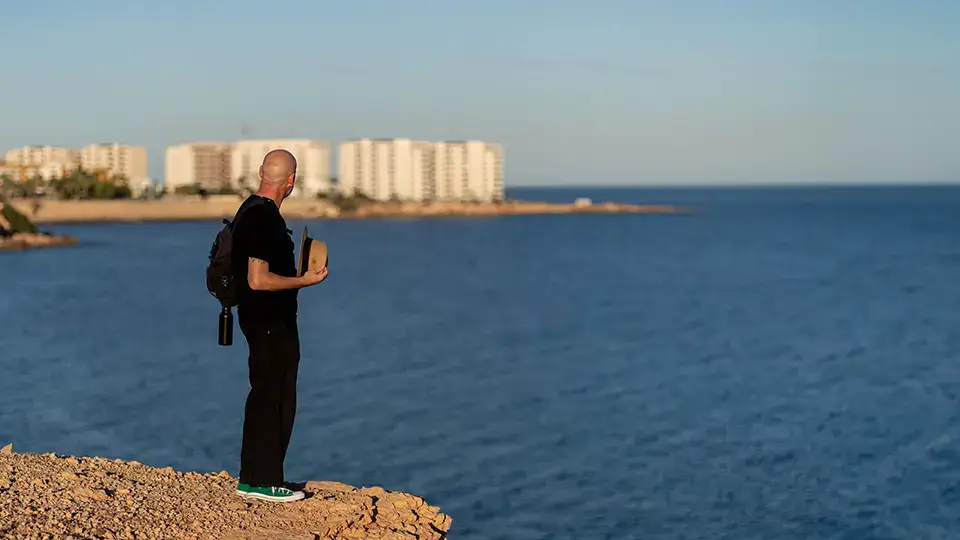
Spain is a country where different worlds meet – Europe and Africa, the Atlantic and the Mediterranean, mountains and deserts, modern cities and wild islands. It is this unique geographical location that makes Spain so diverse and fascinating. Here are 20 fascinating facts that will show you just how extraordinary this country is.
- The second largest EU country – Spain is the second-largest European Union country in terms of area after France.
- The Iberian Peninsula – occupies approximately 85% of the peninsula’s surface, sharing it only with Portugal and the small island of Andorra.
- Land Borders – Spain borders five countries: Portugal, France, Andorra, Gibraltar (a British overseas territory), and Morocco (in Africa).
- Africa and Europe – Spain is the only European country with portions of territory in Africa – these include the exclaves of Ceuta and Melilla, as well as several smaller islands.
- The Canary Islands – belong to Spain but lie over 1,000 km from the Iberian Peninsula, off the coast of Africa.
- The Balearic Islands – are popular tourist islands in the Mediterranean, with Mallorca and Ibiza at the forefront.
- Length of coastline – Spain has over 4,900 km of coastline – both on the Mediterranean Sea and the Atlantic Ocean.
- The Strait of Gibraltar – only 14 km wide – separates Spain from Africa.
- Spain’s highest peak is the Teide volcano on Tenerife (Canary Islands), 3,715 m above sea level.
- The Pyrenees – a mountain range separating Spain from France, considered a natural barrier between the Iberian Peninsula and the rest of Europe.
- The Meseta Central – a vast plateau covering much of Spain’s interior, lying at an average elevation of 600–700 m above sea level.
- Rivers of Spain – the longest river is the Tajo (Tagus), which also flows through Portugal and empties into the Atlantic in Lisbon.
- The driest region of Europe – the Tabernas Desert in Andalusia is considered the only true desert in Europe.
- The westernmost point of continental Europe – Cabo da Roca – lies in Portugal, but Spain possesses the southernmost point of continental Europe – Tarifa.
- Two seas and an ocean – Spain borders the Atlantic Ocean and the Mediterranean Sea.
- High mountains – the Sierra Nevada in Andalusia harbours Mulhacén (3,479 m), the highest peak on the Spanish mainland.
- The geographical centre of the Iberian Peninsula is located near Madrid, in the town of Pinto.
- Various climate zones – from Mediterranean, through oceanic in Galicia, to arid and desert in southern Spain.
- A great diversity of islands – Spain has over 150 islands, although only a few are inhabited.
- Proximity to Africa – on clear days, from Tarifa and Gibraltar, you can see the Atlas Mountains in Morocco with the naked eye.
Interesting facts about Spanish cuisine
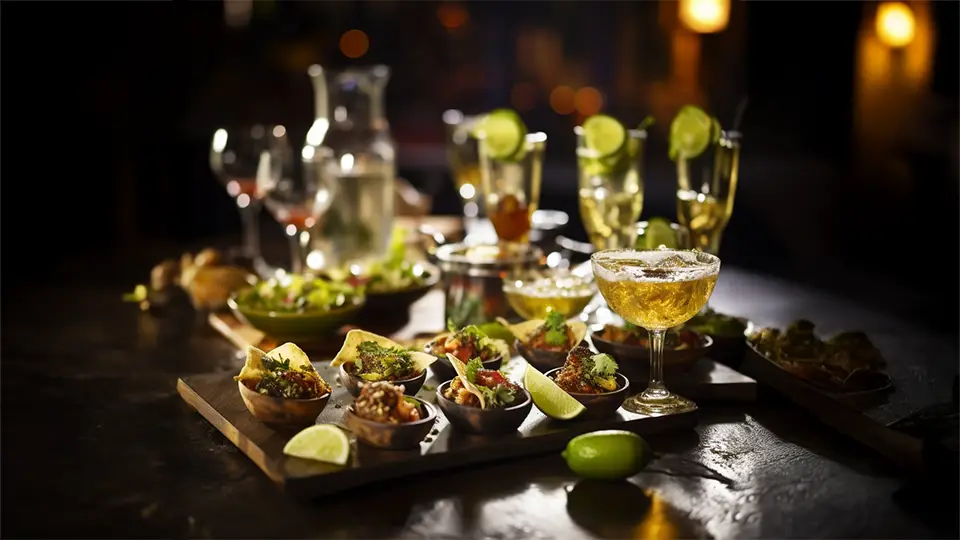
While traveling through Spain, you’ll quickly discover that each region has its own unique scents and flavors. Andalusia tempts with refreshing gazpacho, Valencia invites you to try paella, and Catalonia serves bread with tomato for breakfast. This is a country where food is an art, a tradition, and a shared ritual. Here are 20 culinary facts that will show you why Spanish cuisine has captured the hearts of food lovers around the world.
- Tapas – these are small snacks served with wine or beer. Their name means “lids,” because they were once used to cover glasses to keep flies out.
- Paella – the most famous Spanish dish originates from Valencia. The traditional version was made with rabbit, chicken, and beans, not – as is often believed – seafood.
- Jamón ibérico – Spanish cured ham is a true delicacy. The most expensive varieties come from pigs fed exclusively on acorns.
- Gazpacho – a cold soup made with tomatoes and vegetables, perfect for hot days. It originates from Andalusia.
- Churros – deep-fried pastry sticks, usually eaten for breakfast with hot chocolate.
- Spanish olive oil – Spain is the world’s largest producer of olive oil, accounting for about half of the global production.
- Tortilla española – an omelet with potatoes and onions. It’s one of the most popular dishes across the country.
- Sangria – a traditional drink made with red wine, fruit, and ice, especially popular in the summer.
- Cava – a Spanish sparkling wine made in Catalonia. It’s the local answer to champagne.
- Pulpo a la gallega – cooked octopus with peppers and olive oil, served in Galicia on wooden plates.
- Spanish wines – the Rioja region is well-known for its red wines, and Jerez for its sherry production.
- Fabada asturiana – a hearty soup of beans and cold cuts, traditional to Asturias.
- Squid in ink – in some regions, you can try a dish of squid served in its own black ink.
- Pan con tomate – a Catalan breakfast: bread spread with ripe tomato, olive oil, and a pinch of salt.
- Turrón – a traditional Christmas treat, similar to nougat, made with almonds and honey.
- Milk desserts – such as flan (caramel pudding) or crema catalana (the equivalent of the French crème brûlée).
- Spanish coffee – strong! Café solo (espresso), café con leche (coffee with milk), and carajillo (coffee with alcohol added) are popular.
- Late-night eating – Spaniards eat dinner very late – often as late as 9:00–10:00 PM.
- Regional diversity – each region has its specialities: Basque pintxos, Catalan calçots, and Andalusian gazpacho.
- Food festivals and celebrations – Spain hosts numerous food festivals, such as La Tomatina (tomato fight) and festivals dedicated to wine, olives, and seafood.
A journey through Spain is not only about visiting monuments but also a true feast for the palate. Each region has something unique to offer – from tapas in small bars, to wine from Rioja, to paella by the sea. If you really want to get to know Spain, sit at the table and try everything!
Interesting facts about Spanish nature
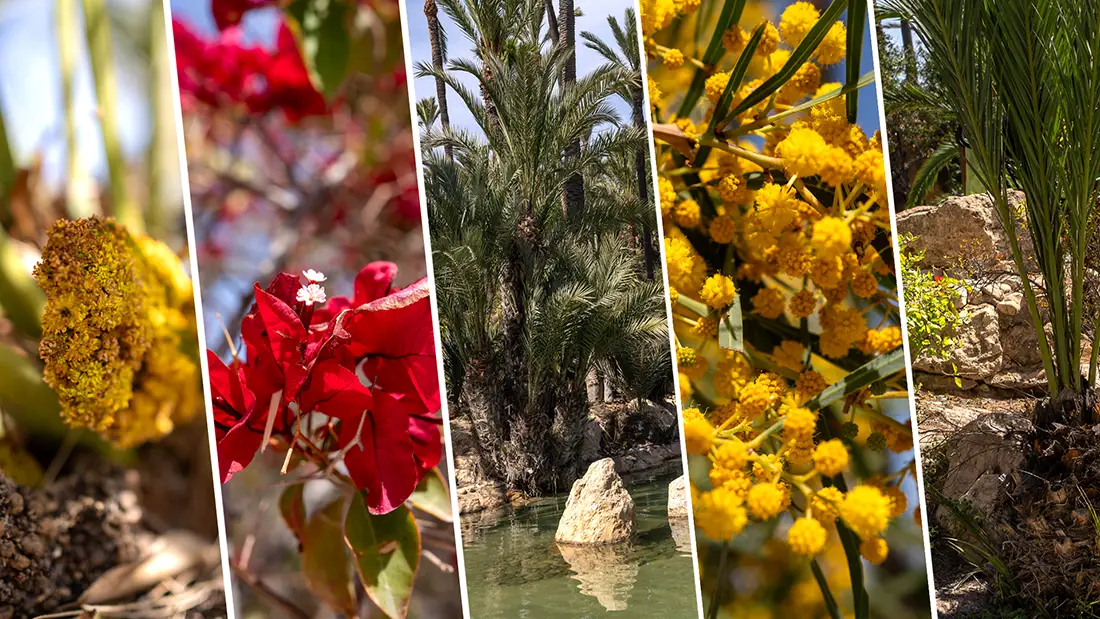
Spain is often associated with flamenco, bullfighting, and tapas, but it is also a true paradise for nature lovers. It is an incredibly diverse country – full of mountains, forests, deserts, volcanoes, and nature reserves, where you can encounter everything from flamingos to lynxes. If you’re planning a trip through Spain, get ready to discover its amazing natural world. Here are 40 fascinating facts that show just how unique Spanish nature is:
- Western Europe’s most mountainous country – as much as 24% of Spain’s land area lies above 1,000 meters above sea level.
- Picos de Europa – these mountains in Asturias were Spain’s first national park (1918).
- Spain’s highest peak is the Teide volcano on Tenerife (3,718 meters), even higher than the Alps.
- Tabernas Desert – Andalusia is home to Europe’s only true desert.
- Spanish Cork Forests – in Catalonia and Andalusia, cork oaks grow, used to produce natural corks for wine bottles.
- Laurisilva Forest – in the Canary Islands, you’ll find ancient laurel forests dating back to the Tertiary period.
- Ebro River Delta – one of the most important bird breeding areas in Europe.
- Doñana Park – Spain’s largest wetland, home to flamingos and the rare Iberian lynx.
- The Iberian lynx – the most endangered cat species in the world, found only in Spain and Portugal.
- The Spanish mountain goat – the Pyrenean ibex (Cabra montés) climbs the steep rocks of the Sierra Nevada.
- Las Palmas de Gran Canaria – is one of the places in Europe with the greatest diversity of palm trees.
- The Canary Islands – have unique endemic plant species found nowhere else in the world.
- The Botanical Garden in Blanes-Marimurtra is renowned for its collection of exotic plants with beautiful sea views.
- Spain and wolves – Iberian wolves, close cousins of European gray wolves, live in the northern part of the country.
- A bird paradise – Spain is one of the most important destinations in Europe for birds migrating between Africa and Europe.
- The oldest olive trees – trees over 1,000 years old grow in the Aragón region.
- Sierra Nevada – a mountain range where you can ski while enjoying views of the Mediterranean Sea.
- Irati Forest – Navarre boasts the second-largest beech and fir forest in Europe.
- The Rock of Gibraltar – the only place in Europe where Barbary macaques live in the wild.
- Spanish Volcanoes – In addition to Teide, active volcanoes are also found on the island of La Palma, where an eruption in 2021 transformed the landscape.
- Spain has 16 national parks – one of the countries in Europe with the largest number of them.
- Balearic Islands – their waters are home to endangered monk seals.
- Spanish Steppes – Extremadura boasts vast steppes home to bustards, some of the heaviest flying birds.
- Altamira Caves – although famous for their paintings, are also home to unique geological formations.
- Spanish vineyards – the country’s landscape is shaped by millions of hectares of vines, which change colour with the seasons.
- Europe’s largest lagoon – La Albufera near Valencia, an important ecosystem for fish and aquatic birds.
- Sierra de Guadarrama – the mountains near Madrid are full of unique pine forests and glacial lakes.
- Exceptional orchids – Spain boasts over 80 species of wild orchids.
- Dragon tree – in Tenerife, you’ll find the “Drago Milenario,” a tree over 800 years old.
- Spanish bat caves – many regions, such as Andalusia, are home to rare bat species.
- Sharks in the Mediterranean – blue sharks and Mediterranean reef sharks inhabit Spanish waters.
- The largest vulture population – Spain is home to most of Europe’s griffon vultures and lammergeiers.
- Ordesa Waterfalls – In the Pyrenees, you can see spectacular cascades in the Ordesa y Monte Perdido National Park.
- Spanish Salt Marshes – in Murcia and Alicante, for example, you’ll find salt flats teeming with flamingos.
- The Clearest Sky in Europe – The Canary Islands are well-known for their astronomical observatories thanks to their exceptional air clarity.
- Red Lakes of Huelva – In Andalusia, the Río Tinto River has an intense red colour due to the presence of minerals.
- Dolphins and Whales – In the Strait of Gibraltar, you can observe pods of dolphins and migrating whales.
- Cacti and Agaves – In the arid parts of Andalusia, the landscape resembles Mexico, with fields of cacti and agaves.
- Spanish Pine Forests – Pine cones are used to obtain popular pine nuts.
- UNESCO Biosphere Reserve – Spain has as many as 53 of them, making it a leader in Europe in terms of nature conservation.
As you can see, Spain is a land of contrasts – from the deserts of Andalusia to the green forests of Navarre, and the volcanic islands of the Atlantic. Here, you can admire flamingos one day and go climbing in the Pyrenees the next. If you love nature, Spain will impress you even more than its monuments.
Tourist attractions in Spain that we think are worth visiting
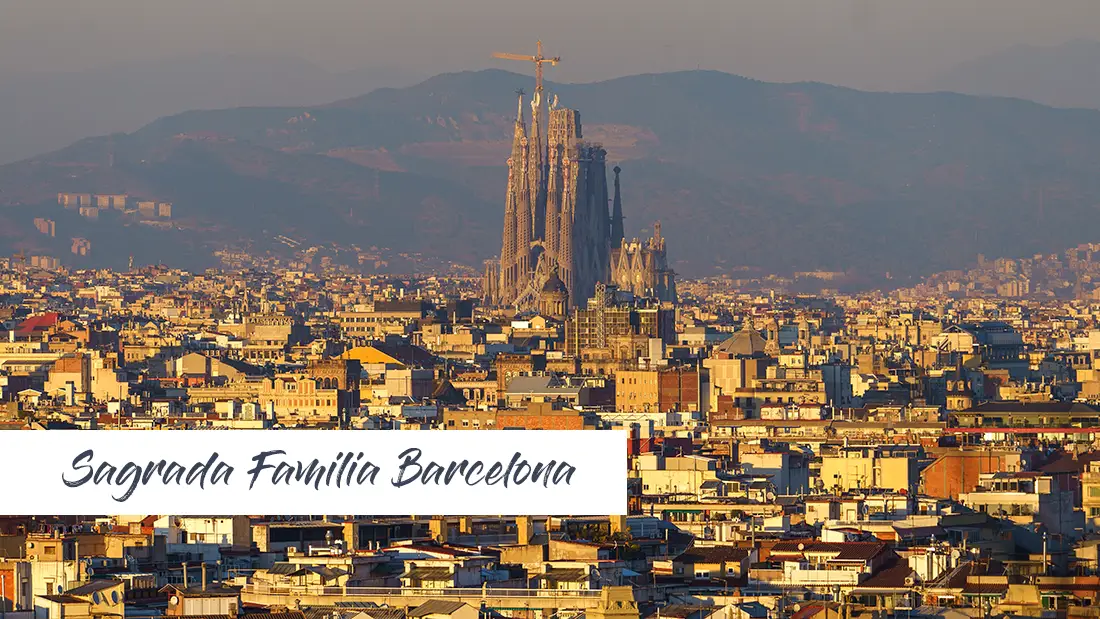
Spain is a country that amazes with its diversity – from monumental cathedrals and Arab palaces, to modern museums and Gaudí’s masterpieces, all the way to breathtaking national parks and picturesque coastlines. It is a place where history intertwines with modernity, and every region has its character, traditions, and flavours. I’ve prepared for you a list of 40 of the most fascinating and valuable tourist attractions in Spain – both the most famous ones and the lesser-known gems worth discovering during your journey.
- La Sagrada Familia, Barcelona — A basilica designed by Antoni Gaudí, very distinctive, still under construction, a symbol of Catalan Modernism.
- Alhambra + Generalife + Albaicín, Granada — a palace, citadel, and gardens from the Muslim era, strongly influenced by Mozarabic and Moorish architecture.
- Cathedral, Alcázar, and Archivo de Indias, Seville — a monumental complex listed on the UNESCO World Heritage List, combining Gothic, Moorish, and Renaissance architecture.
- La Mezquita (Great Mosque-Cathedral) in Córdoba — one of the most impressive sites of Muslim architecture in Spain.
- Salamanca’s historic centre — famous universities, beautiful architecture, student atmosphere, Plaza Mayor.
- Santiago de Compostela and the Cathedral — a pilgrimage destination on the Camino de Santiago, Romanesque and Gothic architecture.
- Segovia — the famous Roman aqueduct, the Alcázar castle, and the cathedral.
- Cities and Gaudí’s works in Barcelona — besides the Sagrada Familia, also include Park Güell, Casa Batlló, Casa Milà, and others.
- Museo del Prado, Madrid — one of the most important museums of classical art: Goya, Velázquez, Bosch, and others.
- Guggenheim Museum, Bilbao — modern architecture and contemporary art, a very distinctive museum.
- Park Güell, Barcelona — public space + Gaudí’s architecture, views, mosaics.
- Cueva de los Verdes, Lanzarote — a system of lava caves in the Canary Islands, naturally and geologically interesting.
- El Caminito del Rey, Málaga — a spectacular path suspended over a gorge, a sense of adrenaline + nature.
- Castillo de Bellver, Palma de Mallorca – a circular castle from the 13th century, beautiful views of the bay.
- The city of Cuenca with its Casas Colgadas (“hanging houses”) – steep slopes, houses suspended over cliffs, and distinctive architecture.
- El Escorial, San Lorenzo de El Escorial – a monastery and royal palace, burial place of Spanish monarchs; beautiful architecture and history.
- Ibiza – Dalt Vila + old town + history – not only beaches, but also an interesting cultural area of the old town, defensive walls, and historical heritage.
- The city of Mérida – Roman ruins, amphitheatres, forum, bridges, and very well-preserved monuments of the Roman Empire.
- Seville Cathedral + Giralda – although part of point 3, it deserves separate attention due to its impressive bell tower (La Giralda) and panoramic views.
- Toledo – the former capital of Spain, known as the “city of three cultures” (Christian, Jewish, and Muslim).
- Ronda – a town situated above the deep El Tajo gorge, with the Puente Nuevo bridge.
- Montserrat (Catalonia) – a Benedictine monastery nestled among extraordinary rock formations.
- Plaza Mayor, Madrid – the heart of the capital, a historic square surrounded by arcades.
- Burgos and its Gothic cathedral – one of the greatest works of religious art in Spain.
- San Sebastián (Donostia) – a city famous for La Concha beach and pintxos cuisine.
- La Rambla, Barcelona – the most popular promenade in Spain.
- Gran Teatre del Liceu, Barcelona – a historic 19th-century opera house.
- León Cathedral – known for its extraordinary stained-glass windows and Gothic architecture.
- Pamplona – a city famous for San Fermín and the running of the bulls.
- Las Médulas (León) – former Roman gold mines, today a landscape of red rocks.
- Parque Nacional de Doñana – a nature reserve, one of the most important bird conservation areas in Europe.
- Costa Brava – the picturesque Catalan coast with bays and medieval towns.
- La Rioja – a region famous for its vineyards and wine tasting.
- Plaza de España, Seville – an impressive square built for the 1929 Expo, the setting for numerous films (e.g., Star Wars).
- Cáceres – a city with a preserved medieval and Renaissance center.
- Teide (Tenerife) – Spain’s highest peak (3,718 m), a volcano, and a national park.
- Parc Natural de la Albufera (Valencia) – lagoons, boats, and rice fields, the cradle of paella.
- Salamanca – Plaza Mayor – considered the most beautiful square in Spain, the heart of the city.
- Parque Güell + Bunkers del Carmel, Barcelona – the perfect place for panoramic views of the city.
Spain is a true mosaic of cultures, landscapes, and experiences. Whether you choose vibrant Barcelona and Madrid, mystical Andalusia, green Galicia, or the volcanic Canary Islands – everywhere you go, you’ll find places that leave lasting memories. This list is just the beginning – because Spain holds many more treasures, best discovered step by step, while savoring local cuisine, joining fiestas, and admiring the beauty of nature. One thing is certain: everyone will find something for themselves here and return with a head full of memories.
Interesting facts about Spaniards

While travelling through Spain, you’ll quickly discover that Spaniards are a people full of life, energy, and passion. Their customs, culture, and way of being can surprise, delight, and sometimes amuse you. Here are 40 fascinating facts that will help you better understand the people of this extraordinary country – from daily rituals and their love of food to the stereotypes often seen through the eyes of tourists.
- Siesta – a nap after lunch – is still popular in small towns, although it’s becoming less common in cities.
- Late meals – dinner is the norm between 9:00 and 10:00 PM, and lunch between 2:00 and 4:00 PM.
- Conversation over food – Spaniards love long meals and conversations, even over simple tapas.
- Café culture – spending time in bars, over coffee or a drink, is a daily ritual.
- Expressive gesticulation – they use their hands and facial expressions when talking, which is sometimes perceived as “temperament.”
- Praise for local produce – wine, olive oil, cheese, and fruit are a source of pride and a frequent topic of conversation.
- Holiday trips – many Spaniards spend August at seaside resorts, often with their entire families.
- Love for the sun and fresh air – Spaniards spend a lot of time on beaches, in parks, and on terraces.
- Sports and activity – soccer is a national passion, and walking, cycling, and trekking are popular.
- A love of festivals – Spaniards celebrate holidays such as La Tomatina, Feria de Abril, and Semana Santa.
- Flamenco – dance and music – the expression, rhythm, and passion of Andalusia, although not every Spaniard dances.
- Spontaneous street dancing – in many cities, music, and dancing also appear outside official events.
- Singing and music – Spaniards enjoy singing in choirs, karaoke, and street performances.
- A sense of rhythm – the stereotype that Spaniards have rhythm in their blood is partially reflected in everyday culture.
- Loud conversations – Spaniards can be expressive and loud in groups, which can be surprising for tourists.
- Sarcastic humour – Spaniards can joke about everyday situations and have a distinctive sense of humour.
- Hugs and kisses – two kisses on the cheeks are standard in social interactions, even upon first meeting.
- Expression of emotions – Spaniards often show their emotions immediately, as seen in joy, sadness, and anger.
- A love of street music – guitars, drums, and singing often form the backdrop of city life.
- Tapas – small snacks – not just food, but a way to socialize.
- A love of wine – wine accompanies most meals, and each region has its own local varieties.
- A love of olive oil – it’s added to practically everything.
- Chocolate and sweets – churros, turrón, and crema catalana are favourites of the Spanish.
- A tradition of home cooking – recipes are often passed down from generation to generation.
- Bar hopping – evening wanderings through tapas bars is a way to spend time with friends.
- A sense of ritual around meals – eating is a time for relaxation, conversation, and spending time together.
- A love of fresh produce – vegetables, fruits, fish, and seafood are a staple of the diet.
- Coffee culture – café solo, café con leche, or carajillo are common in bars and homes.
- Late-night dining – the custom of eating after 9:00–10:00 PM, which is unusual for tourists from Northern Europe.
- Strong family ties – Spaniards spend a lot of time with their parents, grandparents, and siblings.
- Regional conservatism – for example, Andalusia places importance on tradition, while Catalonia is more modern.
- Punctuality – in social life, time can be flexible, but punctuality is required at work.
- A commitment to history and culture – Spaniards are proud of their heritage and regional traditions.
- A love of local culinary festivals – a celebration of wine, cheese, olive oil, and seafood.
- The stereotype of laziness – some consider Spaniards lazy due to siestas and summer breaks; In reality, they work just as hard as other Europeans.
- Romance and passion – a partially true stereotype, evident in the way they express emotions and gestures.
- Temperament and expressiveness – Spaniards can be expressive, which doesn’t mean they are confrontational.
- A love of adventure and travel – Spaniards enjoy exploring their homeland and abroad, especially in the summer.
- A sense of perspective and humour – even in difficult situations, Spaniards can laugh and enjoy the little things.
Spaniards are a people full of passion, energy, and warmth. Their lives are a blend of tradition, family, music, dance, food, and the joy of social gatherings. The facts you discover during your travels often align with stereotypes – but the real Spain always has something surprising and unique to offer.
For more interesting facts from various fields, please visit our section with amazing and interesting facts.