Interesting facts about Poland, as well as a lot of information you might not have known.
Poland is a large, historically rich country in the heart of Europe. Thanks to its location, it has for centuries served as a buffer between Eastern and Western cultures, a situation that hasn’t always been to the country’s advantage. In the article below, I’ve gathered a wealth of information and facts that provide a simple description of this beautiful country.
Interesting facts about Poland and its history — From the distant past to the present day
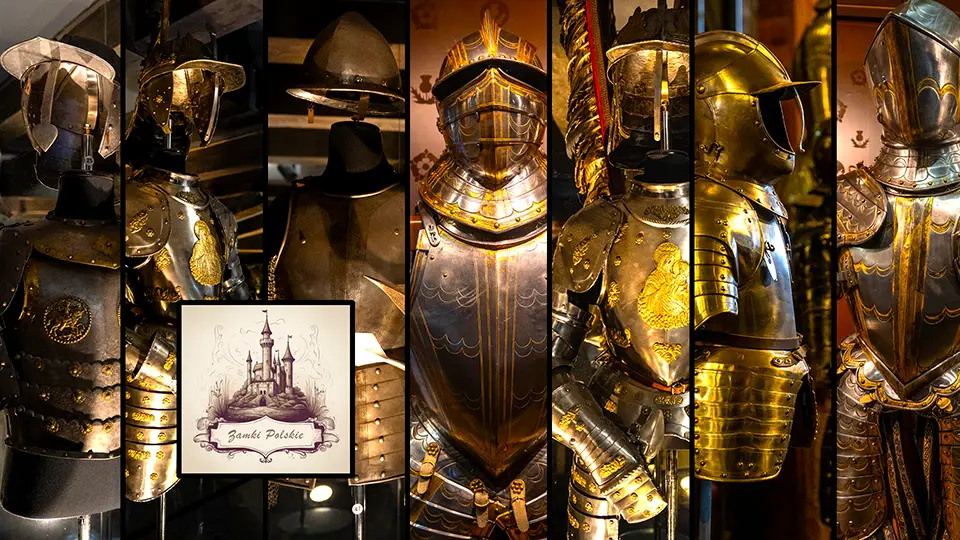
Polish history isn’t just about dates, battles, and kings. It’s about thousands of incredible stories, crafted into a fascinating mosaic. From its legendary beginnings to the 21st century, Poland never ceases to surprise. Here are a handful of interesting facts and trivia that will make you see Poland from a new perspective!
- According to legend, the origins of the Polish state date back to Piast the Wheelwright – a simple craftsman whose hospitality was said to have ushered in the Piast dynasty. Interestingly, it was this “ordinary man” who was said to have laid the foundation for the royal line.
- Mieszko I baptized Poland, but… exactly where this unknown. The year 966 is the symbolic date of Poland’s baptism. However, historians still debate whether it took place in Poznań, Gniezno, or perhaps even Moravia.
- The first king of Poland was not Mieszko I, as is commonly believed, but his son. It was Bolesław the Brave, son of Mieszko I, who was the first to be crowned King of Poland in 1025 – just a few months before his death.
- Poland had one of the first constitutions in the world – the Constitution of May 3, 1791, was the first written constitution in Europe and the second in the world (after the American one). It was a milestone in European political thought.
- Poland had… a female king! – Queen Jadwiga was not a “queen” in the formal sense – she was crowned King of Poland because the title did not provide for a female ruler.
- The union of Poland and Lithuania created one of the largest states in Europe – the Polish-Lithuanian Commonwealth (1569) stretched from the Baltic Sea to the Black Sea and was one of the largest and most populous countries in the world at that time.
- The Golden Liberty of the Nobility – a democracy ahead of its time – In the 16th century, Poland had a unique political system in which the nobility elected the king and could… interrupt parliamentary sessions with a single word: “liberum veto.”
- Poland disappeared from the map of Europe for 123 years – After three partitions (1772, 1793, 1795), Poland was erased from the world map – but not from the hearts of Poles.
- A Polish general helped create the USA – Tadeusz Kościuszko fought for American independence. Grateful Americans named bridges, schools, and an island in Alaska after him, among other things.
- During the partitions, Poles created an “underground state”—Poles never came to terms with the partitions—organizing uprisings, secret schools, and even their money and passports.
- Poland regained its independence only in 1918. After 123 years of partition, on November 11, 1918, Poland returned to the map of Europe. That’s why we celebrate this day as Independence Day.
- Poles cracked the German Enigma code—Before Alan Turing’s famous team, three Polish mathematicians: Rejewski, Różycki, and Zygalski cracked the Enigma code—shortening World War II by several years.
- During World War II, Poland had the largest underground army—the Home Army numbered approximately 400,000 soldiers—and was the largest resistance movement in occupied Europe.
- The Warsaw Uprising — Heroism and Tragedy — In 1944, Warsaw rose to the fight. The uprising lasted 63 days. The city was almost completely razed to the ground.
- The Polish People’s Republic — a country without freedom, but with great culture — The Polish People’s Republic (1945–1989) was a state fully dependent on the USSR, but it was also a time of flourishing literature, cinema, theater, and intellectual resistance.
- The Solidarity civic movement began with a shipyard strike. In 1980, the “Solidarity” movement was founded at the Gdańsk Shipyard, which led to the fall of communism in Poland and set off a domino effect of change throughout the Eastern Bloc.
- Poland was the first country to overthrow communism without bloodshed. In 1989, partially free elections were held, ending with a victory for the opposition. This marked the end of communism in Poland.
- Lech Wałęsa—an electrician who became president—the leader of Solidarity, became the first democratically elected president of Poland after World War II in 1990. He also won the Nobel Peace Prize.
- Poland in NATO and the European Union—In 1999, Poland joined NATO and the European Union in 2004. This was a milestone in its Westernization.
Poland’s history is a true rollercoaster – full of ups and downs, heroism and the fight for freedom, but also culture, science, and a spirit that never gives up. And this is just the beginning. Because history… is being written every day.
Interesting facts about Poland and its famous inhabitants
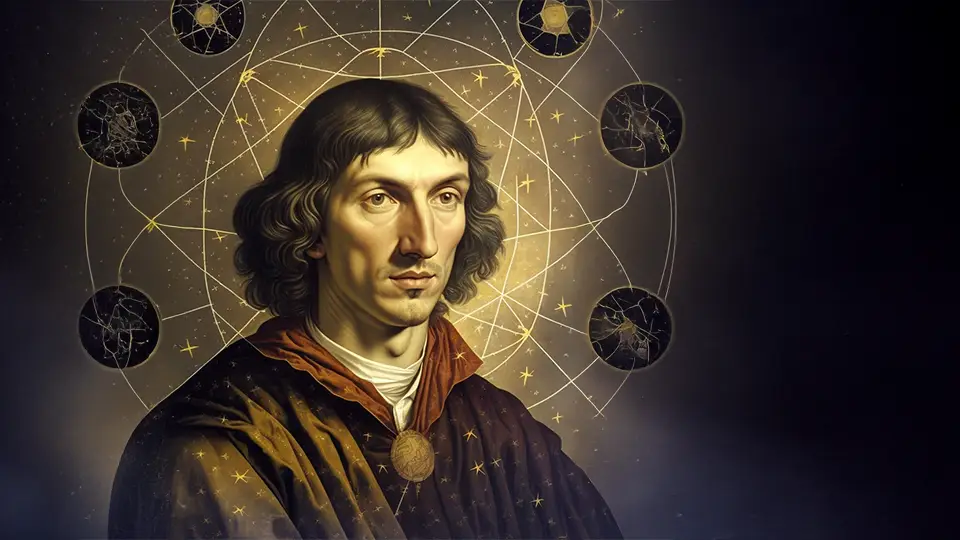
Poland is a country of courageous, talented, and visionary people. From science to art, from politics to sport, our compatriots have left their mark not only on Polish history but also on the history of the entire world. Meet 25 famous Poles who changed the world around them!
- Nicolaus Copernicus – the one who “stopped the Sun” – the astronomer who dared to tell the world that the Earth revolves around the Sun, not the other way around. A scientific revolution in one woman.
- Maria Skłodowska-Curie – the woman who discovered radiation – a two-time Nobel Prize winner, a pioneer in radioactivity research. The first female professor at the Sorbonne and a true icon of science.
- Frédéric Chopin – the poet of the piano – a composer and pianist whose romantic mazurkas and nocturnes are known to music lovers worldwide. His music still touches hearts.
- John Paul II (Karol Wojtyła) – the pope who changed the world – the first Pole to hold the papal throne. A spiritual leader who played a key role in the fall of communism and uniting people.
- Lech Wałęsa — the electrician who overthrew communism—the leader of “Solidarity,” a Nobel Peace Prize winner, the first democratic president after the Polish People’s Republic. A symbol of the fight for freedom.
- Adam Mickiewicz — a national bard—a poet who wrote “Pan Tadeusz” and comforted the hearts of Poles during the partitions. For many, the voice of the nation’s soul.
- Józef Piłsudski — the father of independence—the founder of the Legions and the architect of Poland’s rebirth in 1918. One of the most charismatic figures of the 20th century.
- Andrzej Wajda — a master of cinema—a director who depicted the complex history of Poland in his films. Winner of an Oscar for lifetime achievement.
- Wisława Szymborska — a poet of small things—a Nobel Prize winner whose poetry combines intellect with humor and everyday observation. She demonstrated that “nothing happens twice.”
- Tadeusz Kościuszko — a hero of two continents — a commander who fought for the freedom of Poland and the United States. A symbol of steadfastness and the international spirit of solidarity.
- Kazimierz Pułaski — the father of the American cavalry — like Kościuszko, he fought for freedom in America. To this day, he is honoured in the United States as a national hero.
- Irena Sendler — an angel from Warsaw — During World War II, she saved approximately 2,500 Jewish children from the Warsaw Ghetto. A silent heroine.
- Olga Tokarczuk — Nobel Prize-winning writer — The first Polish author to win the Nobel Prize for Literature in the 21st century. Her prose captivates with its depth and imagination.
- Czesław Miłosz — a Nobel Prize-winning writer who combined spirituality with philosophy and history. His poems are the voice of the 20th century’s conscience.
- Stanisław Lem — a master of futurology — author of “Solaris” and other visionary science fiction novels. He predicted many phenomena of our digital reality.
- Robert Lewandowski — a goal-scoring machine — One of the world’s best footballers. Record holder, captain of the Polish national team, and a national pride in sports.
- Witold Pilecki — a volunteer for Auschwitz — a Home Army hero who willingly allowed himself to be imprisoned in Auschwitz to document Nazi crimes. Unwavering to the end.
- Helena Modrzejewska — a star of the world stage — a Polish actress who conquered the stages of America and England in the 19th century. A symbol of talent and class.
- Krzysztof Kieślowski — a philosopher of cinema — director of “The Decalogue” and “Three Colours.” His films have captivated audiences and critics from Paris to Tokyo.
- Ignacy Jan Paderewski — pianist, politician, prime minister — a virtuoso artist and statesman. A piano virtuoso who became Prime Minister of Poland after World War I.
- Jerzy Grotowski — a theatre revolutionary — creator of the “poor theatre” that revolutionized the world stage. His influence is evident in theatres from New York to Tokyo.
- Jan Matejko — a painter of Polish history — His monumental paintings depict key moments in our history. Thanks to him, many Poles “see” the past.
- Henryk Sienkiewicz — a writer with a mission — Author of the “Trilogy” and “Quo Vadis,” for which he received a Nobel Prize. He wrote “to uplift hearts” during the partitions.
- Stefan Wyszyński — the steadfast primate — the Primate of the Millennium, who steadfastly resisted communism and served as a spiritual guide for Poles during difficult times.
- Andrzej Sapkowski — father of The Witcher — Creator of the saga of Geralt of Rivia, which conquered the world — first as books, then as games, and finally as a Netflix series.
Poland is a country of people who had the courage to dream, think independently, and change the world around them—often against the odds. From Copernicus to Lewandowski, their names are proof that greatness knows no bounds. Of course, the above list is my subjective assessment and may differ from yours. Which one inspires you most? Or is your favourite hero missing? Please let me know in the comments!
Interesting facts about Poland and its geography
Poland isn’t just pierogi, the Vistula River, and golden autumn. Our country holds a wealth of geographical treasures that can amuse, surprise, and… inspire travel! Here are some interesting facts about Poland you (may not) know yet.
- The Centre of Europe? We have it! (Actually, several places) — Several places in Europe claim to be its “geographical centre.” One of them is Suchowola in Podlasie. So if you’re looking for the centre of the continent, you don’t have to fly to Paris, just go to Podlasie.
- We have the sea, and not just any mountains either — Poland is one of the few countries in Europe that has both mountains and sea! This means you can sunbathe on the beach one day and conquer peaks the next.
- The Tatra Mountains our (small) Alps — The Tatra Mountains are the only area in Poland with an alpine character. You’ll find sharp ridges, chamois, and people in flip-flops on Giewont.
- The highest peak in Poland is also partially in Slovakia — Rysy (2,501 m above sea level) is the highest peak in Poland, but be warned — its highest peak is on the Slovak side.
- We also have a desert in Poland! — The Błędów Desert is the largest sandy area in Central Europe. You won’t find camels here, but you could film Mad Max.
- Masuria, a land of a thousand lakes? That would be an understatement — Masuria has over 2,600 lakes. If you love water, this part of Poland is perfect for you.
- Poland’s longest river — the Vistula is the longest river in Poland, but some geologists dispute it, as the Bug and Oder also have their fan clubs. Officially, however, the Vistula is the queen of Polish rivers.
- Wrocław the Venice of the North — Wrocław has over 130 bridges—more than Stockholm or Amsterdam! Only the gondoliers are missing, but there are dwarves.
- The largest waterfall in Poland the Kamieńczyk Waterfall — is 27 meters high. That’s as high as a nine-story flat building. It’s not Niagara Falls, but it has a homely atmosphere and delicious oscypek cheese nearby.
- The largest lake in Poland is Śniardwy. With a surface area of over 113 km², Śniardwy is not only Poland’s largest lake, but also the perfect place to embark on a sailing or kayaking adventure.
- The smallest town in Poland is Wiślica. With only about 500 inhabitants, it regained its town rights in 2018 after more than 150 years. Wiślica is small and beautiful, and boasts a rich history!
- Hel, a remarkable sandbar. The Hel Peninsula is one of the narrowest landforms in Europe—in some places, it’s only a few dozen meters wide! You can see the sunrise and sunset without leaving the beach.
- Poland has more forests than you think. Over 30% of the country’s land area is covered in forests—so you really can get lost. Especially if your GPS loses reception in the Bieszczady Mountains, which are mostly covered in dense, old-growth forest.
- We don’t have volcanoes, but we did until recently! — Near Złotoryja (Lower Silesia), there are remnants of ancient volcanoes. Now they’re just hills, but they once bubbled and smoked like all the others.
- The lowest point in Poland is Raczki Elbląskie. This town lies below sea level—exactly 1.8 meters below.
- Morskie Oko—a lake with a postcard-perfect view—This is the most photographed lake in Poland. And maybe even in Europe? No wonder—it’s postcard-perfect.
- Poland and its borders — Poland borders 7 countries! (Germany, the Czech Republic, Slovakia, Ukraine, Belarus, Lithuania, and Russia). You can visit 3 countries in one weekend, and all without jet lag!
- The most winding road in Poland is the road from Kłodzko to Lądek-Zdrój (via the Kłodzko Pass). It’s a hard-core, serpentine road. Perfect for adrenaline junkies and owners of cars with good suspension.
- Poland has its “Cold Poles,” and they lie in the Suwałki Region – a region where winter temperatures can drop to -35°C. If you want to experience Siberia without a passport, this is the place.
- The longest town name in Poland is Słopnice Szlacheckie-Za Wodą. Or something similarly bizarre – depending on which municipal office you ask.
Do you have a favourite geographic fact about Poland? Or perhaps you’ve been somewhere that deserves to be added to this list? Please let me know in the comments – I’d love to expand the list with your suggestions!
Interesting facts about Poland and its rich cuisine
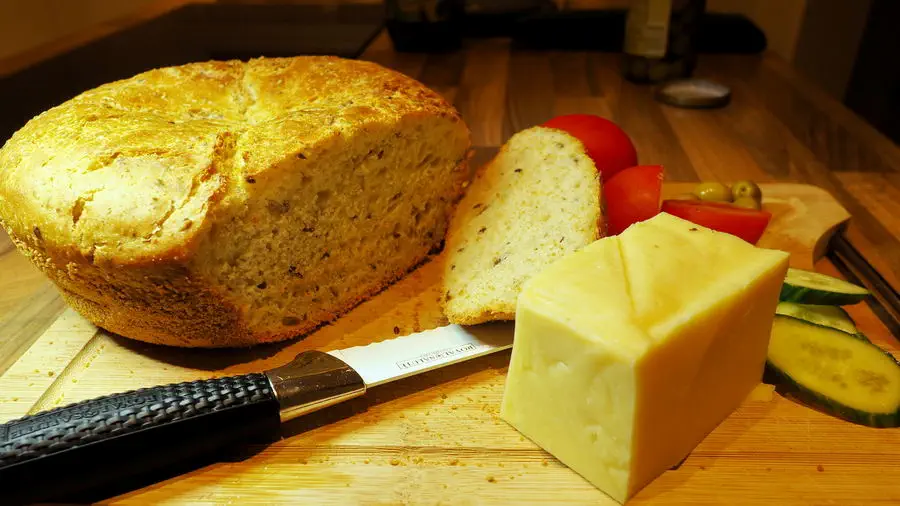
Polish cuisine is a true feast for the senses – aromatic, filling, full of tradition and regional flavours. Although many associate it with pierogi or bigos, it holds many more interesting facts that we often don’t know about. Here are a few facts that will show you just how extraordinary Polish cuisine can be.
- Red borscht — not just for Christmas Eve — The world-famous borscht in Poland comes in many guises. It can be plain with dumplings, but also served with pates or croquettes.
- Pierogi with a Chinese history — Although today a symbol of Polishness, their origins date back to China. They were reportedly brought to Poland by the monk Jacek Odrowąż in the 13th century.
- Sour rye soup — This soup is made with sourdough rye flour. Interestingly, each region of Poland has its version — from Silesian żurek to Lesser Poland’s żurek with white sausage.
- Bigos, the king of Polish dishes — They say bigos tastes best… reheated. No wonder — the more times it’s heated, the richer its flavour.
- Oscypek from the Tatras — This smoked sheep’s milk cheese has an EU certificate protecting its name and production method. You can only enjoy real oscypek in Podhale.
- Bread as a Symbol of Hospitality — To this day, bread and salt are served to newlyweds and important guests as a sign of respect and prosperity.
- Old Polish Spices — Old Polish cuisine was full of exotic aromas—saffron, ginger, cinnamon, and cloves were used more often than today.
- Tripe, the King’s Favourite — This soup has been known since the 14th century and, according to sources, was one of Władysław Jagiełło’s favourite dishes.
- Carp: A Tradition from the Polish People’s Republic — Christmas Eve carp is a relatively new tradition. It became popular only after World War II, when carp farming was promoted in the Polish People’s Republic.
- Regional Flavors — Poland is a land of culinary diversity: kartacze from Podlasie, moskole from Podhale, and Kashubian ruchanki are just a few examples.
- Poppy Seed Cake for Good Luck — Poppy seed cakes symbolize prosperity and fertility, which is why poppy seed cakes are a must-have during the holidays.
- Cabbage soup and sauerkraut soup — Although many confuse them, the difference is simple: cabbage soup is made with vegetables, while sauerkraut soup is made exclusively with cabbage and pickled juice.
- Pickles: A Polish Specialty — Cucumbers, cabbage, beets, and even apples — Poles have been pickling almost everything for centuries. It’s delicious and very healthy!
- Protected Polish Vodka — Rye, wheat, and potatoes are used to make Polish vodka, which has been added to the EU’s list of protected products.
- Mushrooms in Polish Cuisine — Mushroom picking is a national hobby for Poles. It’s no wonder mushroom soup holds a special place on our table.
- Easter Egg — Easter breakfast begins with the sharing of an egg—a symbol of unity and peace.
- Kaszanka: A Taste of Tradition — This home-made sausage with buckwheat groats and pork blood, served with onion and sauerkraut, is one of the most characteristic dishes of Polish cuisine.
- Potatoes in Poland — Although they didn’t appear until the 17th century, potatoes quickly won over Polish hearts. Today, it’s difficult to imagine a cuisine without potato pancakes.
- Doughnuts then and now — In the Middle Ages, doughnuts were stuffed with… bacon and bacon. Only later did they begin to be served in a sweet version with jam.
- Polish “second helpings” — Hospitality in Poland is akin to a full plate. Hosts often insist on seconds, and refusing can be perceived as tactless.
Polish cuisine is not just about food, but also a piece of history and culture. Whether you choose aromatic bigos, crispy pierogi, or cheese from the Podhale region, you’ll always find something exceptional.
Interesting facts about Poland and its amazing nature
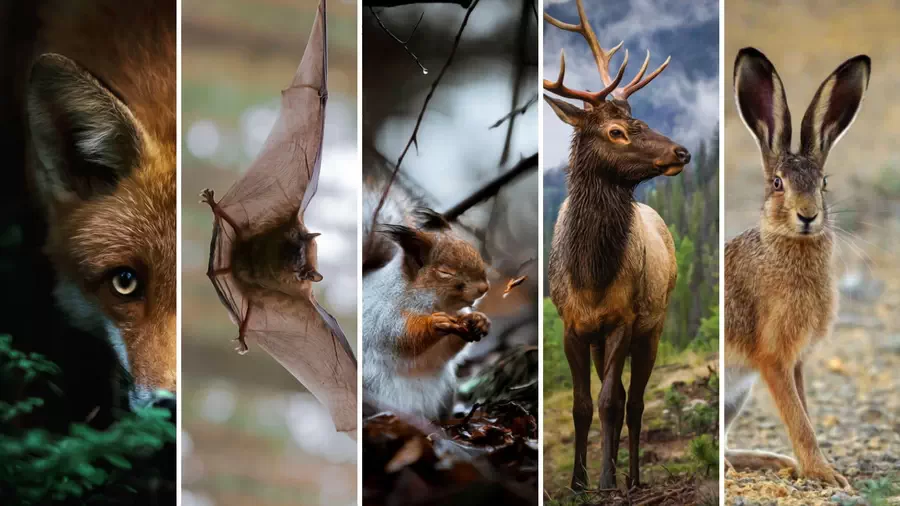
Poland offers beyond beautiful cities and a rich history, it also boasts extraordinary natural beauty. From mountains to the sea, from wild forests to lakes, you’ll find places and phenomena that can surprise even the most experienced travellers. Here are a dozen interesting facts about Polish nature and the creatures that inhabit it, demonstrating just how unique our country truly is.
- Europe’s oldest forest — the Białowieża Forest is the last and largest surviving fragment of primeval lowland forest in Europe.
- A home for the European bison — Poland is home to the largest population of European bison in the world, a symbol of nature conservation in our country.
- The Tatra Mountains, Poland’s highest mountain range — the Tatra Mountains cover only 1% of Poland’s land area, but they are home to 70% of all plant species found in the country.
- The largest lake — Śniardwy in Masuria is the largest lake in Poland, covering a whopping 113.8 km²!
- The oldest tree — A common yew from Henryków Lubański, estimated to be around 1,300 years old, grows in Poland.
- Błędów, the Polish desert — The Błędów Desert, the largest area of its kind in Central Europe, is located in the Kraków-Częstochowa Upland.
- Hel, the land of seals — A seal sanctuary operates on the Hel Peninsula, where gray seals, formerly almost completely exterminated in Poland, are rescued and released.
- Rospuda Valley — Famous for its pristine peat bogs and extraordinary biodiversity, it is one of the cleanest places in the country.
- Land of a thousand lakes — Masuria is called the “Land of a thousand lakes,” although in reality, there are over 2,600!
- The wildest river — The Czarna Hańcza River, flowing through the Suwałki region, is considered one of the most beautiful and cleanest in Europe.
- Polish wetlands — The Biebrza National Park protects the largest wetland complexes in Europe, a paradise for waterfowl.
- Stone labyrinths of the Stołowe Mountains — Famous for their unique rock formations resembling mushrooms, clubs, and labyrinths, they are the only mountains of their kind in Poland.
- Baltic Amber — Polish beaches are one of the best places in the world to search for amber, the “gold of the Baltic Sea.”
- The Deepest Lake — Lake Hańcza in the Suwałki Region is a whopping 108.5 meters deep, making it the deepest lake in Poland and all of Central Europe.
- The Tatra Mountains: Alpine Climate in Poland — The highest parts of the Tatra Mountains contain plants and animals typical of the Alps, found nowhere else in Poland.
- National Parks — Poland has 23 national parks that protect unique ecosystems, from mountain to marine.
- Storks, the Polish Symbol of Summer — Poland is home to the largest population of white storks in the world, approximately 40,000 pairs.
- Wolves Return to Forests — Although once exterminated, wolves are now increasingly appearing in Polish forests. It is estimated that over 2,000 of them live here.
- Lynx: The Silent Hunter — The Eurasian lynx is extremely rare and secretive. Thanks to conservation efforts, the population in Poland is growing, but seeing a lynx in the wild is still a rare sight.
- The Golden Eagle, the ruler of the Polish sky — This majestic bird of prey has a wingspan of up to 2.3 meters. Only about 30 pairs nest in Poland.
- The Beaver, a natural builder — Beavers are masters of engineering, capable of building dams and lodges that transform entire landscapes. Their population in Poland already numbers over 100,000.
- Peregrine Falcons Return to Cities — This fastest bird in the world (it can reach speeds of over 300 km/h in a dive) is increasingly nesting… on skyscrapers in large cities.
- The Hedgehog, the nocturnal gardener — Hedgehogs are allies of gardeners because they eat snails and insects. In winter, they hibernate, hiding in piles of leaves.
- The European adder, the only venomous snake in Poland. Although its venom is dangerous to small animals, it rarely poses a threat to humans. It flees rather than attacks.
- The fire salamander, a fiery symbol of the mountains. With its black and yellow spots, it looks like an exotic animal and can be found in the Sudetes and Carpathians.
- The hoopoe, a bird with an unusual appearance. Its distinctive crest and loud “whoop-whoop” make it unmistakable for any other bird.
- Bats, night guards. There are 27 species of bats in Poland. All are protected, and many of them help in the fight against mosquitoes.
Interesting facts about Poland and Poles
Poles are a nation full of contrasts – simultaneously traditional and modern, romantic and practical, proud of their history, yet open to the world. Here are some interesting facts about Poles worth knowing.
- Hospitality above all – in a Polish home, there’s always something to eat for an unexpected guest.
- Family holidays – Christmas Eve in Poland is one of the most important events of the year, with its traditional 12 dishes and an empty place at the table.
- Poles love bread – for many, a day without a slice of bread is a day wasted.
- Coffee and tea – Poles drink copious amounts of coffee, but tea remains the queen of Polish tables.
- Name days are as important as birthdays – many Poles celebrate their name day as lavishly as birthdays.
- Poles love to travel – for years, they have been seen everywhere: from Iceland to Australia.
- The Polish language is a challenge – not just for foreigners. Even Poles themselves sometimes get lost in the inflections and spelling.
- Family is the centre of life – family bonds and gatherings with loved ones are still strongly maintained in Poland.
- Poles love to grill – as soon as the sun comes out, the aroma of grilled sausages wafts through parks and gardens.
- Polish cuisine is a source of pride – pierogi, bigos, and żurek are just the tip of the delicious iceberg.
- They love sports – soccer, volleyball, and ski jumping can unite the entire country.
- The cult of the May Day weekend – the long weekend at the beginning of May is a time for barbecues, trips, and relaxation.
- A love of complaining – Poles are famous for complaining, but deep down, they are optimists.
- Patriotism in the heart – the anthem, flag, and history are of great importance to Poles.
- Poles read many books – especially crime novels and non-fiction.
- They love the tradition of carolling – carols can be heard almost everywhere during the holiday season.
- Polish hospitality includes… shoes – in many homes, guests are asked to remove their shoes.
- Poles are romantics at heart – flowers, especially roses, are often given without a special occasion.
- A deep attachment to nature – weekends in the mountains, by the lake, or in the forest are the best way for many Poles to relax.
- Poles like traditional names – Jan, Anna, Piotr, and Maria are still among the most popular.
- They value hard work – Poles are known in Europe as extremely conscientious workers.
- A Polish wedding is a marathon – it often lasts two or even three days and is filled with music and dancing.
- Sense of humour – Poles have an exceptionally sharp wit, sometimes difficult for foreigners to understand.
- Polish diaspora – approximately 20 million people of Polish descent live abroad.
- Poles love freedom – from the times of the nobility’s “Golden Liberty” to Solidarity, a love of independence is part of Polish identity.
- Poles are solidary – in difficult situations, they can unite and support each other.
- National romanticism – they often follow their hearts, not their heads.
- A strong sense of humour – even in difficult times, they can poke fun at themselves.
- They are not easily persuaded – Poles can be stubborn, but this is what keeps them persistent in pursuing their goals.
- Sentimentality – attachment to their hometown and childhood memories is significant to them.
- Poles love freedom of speech – they like to express their opinions, even when they differ from others.
- Hospitable and open – they will do anything for friends and willingly share what they have.
- Religiosity – for many Poles, faith is the foundation of everyday life.
- Poles are patient, but only for a while – when someone crosses the line, they can explode.
- Deliberation is an art – “Poles can” find a solution in any situation, even without resources.
- Romantics with a realist soul – they dream big, but in everyday life they are often practical.
- Poles love to discuss – discussing politics, history, or sports is commonplace.
- A strong sense of justice – Poles tolerate injustice very poorly and fight against it.
- Resourcefulness – they know how to navigate a changing reality.
- Poles like to plan… and improvise – they often combine the two.
- Strong national pride – even if they sometimes complain, they are very proud of their country and history.
- Poles have giant hearts – they willingly help those in need, both at home and abroad.
- They are often impatient – they want things to happen quickly and according to their wishes.
- Loyalty to loved ones – family and friends can count on support in every situation.
- Poles have a touch of rebellion within them – they like to go against the grain and don’t always agree with imposed rules.
As you can see, Poles are a nation full of passion, tradition, and interesting customs. It’s these customs that give Poland its unique atmosphere.
You’ll find more fantastic information about ordinary things in our trivia section.