The Mulhouse Car Museum — Cité de l’Automobile: A Must-See for Car Enthusiasts in Eastern France
If you’re passionate about cars, history, or groundbreaking technology, then the Cité de l’Automobile in Mulhouse is a destination you simply can’t miss. Located in eastern France, this museum is a true treasure trove for anyone fascinated by the evolution of road transport.
I’ve always had a soft spot for museums—especially those dedicated to science and technology. They offer a unique window into human innovation and progress. Throughout my travels, I’ve had the chance to visit some of the world’s most renowned technical museums, and the Mulhouse Car Museum has left a lasting impression.
In the article below, I’ll take you on a journey through the Cité de l’Automobile. You’ll discover its fascinating history, explore the remarkable collection of vehicles on display, and uncover plenty of intriguing facts and practical tips to help you plan your visit.
The Mulhouse Car Museum — Cité de l’Automobile — Practical information
The address of the Mulhouse Automobile Museum — Cite de L’Automobile is Musée National de l’Automobile, 17 Rue de la Mertzau, 68100 Mulhouse. The Mulhouse Automobile Museum is located just a few minutes from the city centre, 20 minutes by car from Colmar and Basel, and an hour from Strasbourg. There is a car park in front of the museum, which costs 2 euros for the whole day, so there is no tragedy.
The price of a ticket to the museum is 18 euros for an adult and 11 for a child up to 17 years old. In addition, you can buy a family ticket for two adults and two children, which costs 50 euros. I recommend buying a ticket online, the museum can be crowded and standing in a long line is not fun. *Remember that the above prices are subject to change, so do not take them as a certainty, but as a guide.
The museum is open from 10:00 to 18:00 every day except for major holidays. Remember that the museum organizes special events or some rooms are rented for private purposes. Check the museum website before you go so you are not disappointed.
The museum has a gift shop and a café. They serve good coffee, but it’s costly. It’s a good idea to bring some snacks and have your picnic at one of the designated areas.
Pets are welcome at the Mulhouse Automobile Museum, but unfortunately, they cannot accompany us on the tour unless they are small enough to fit in a bag, or you have a special pet stroller.
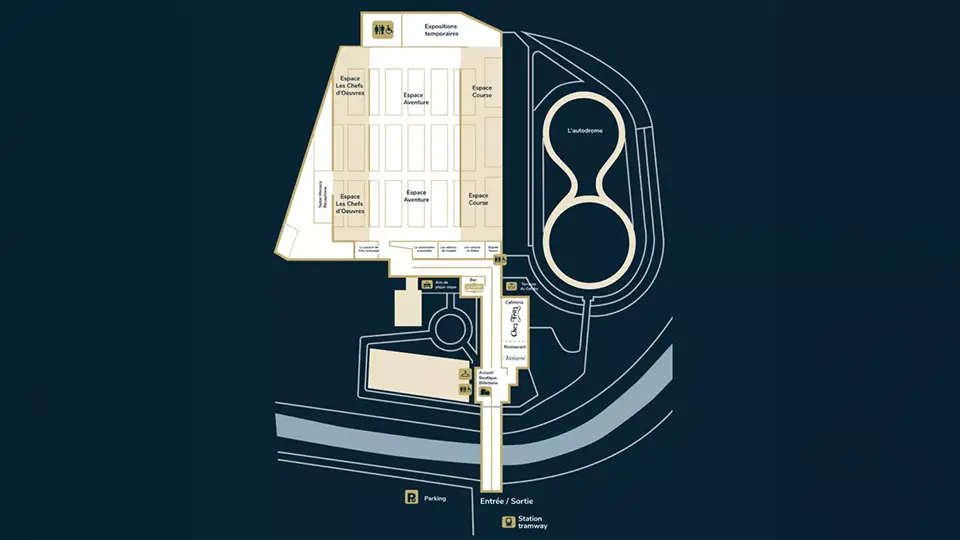
Below you will find a map of the Mulhouse Automobile Museum.
The Mulhouse Car Museum — Cité de l’Automobile and its history
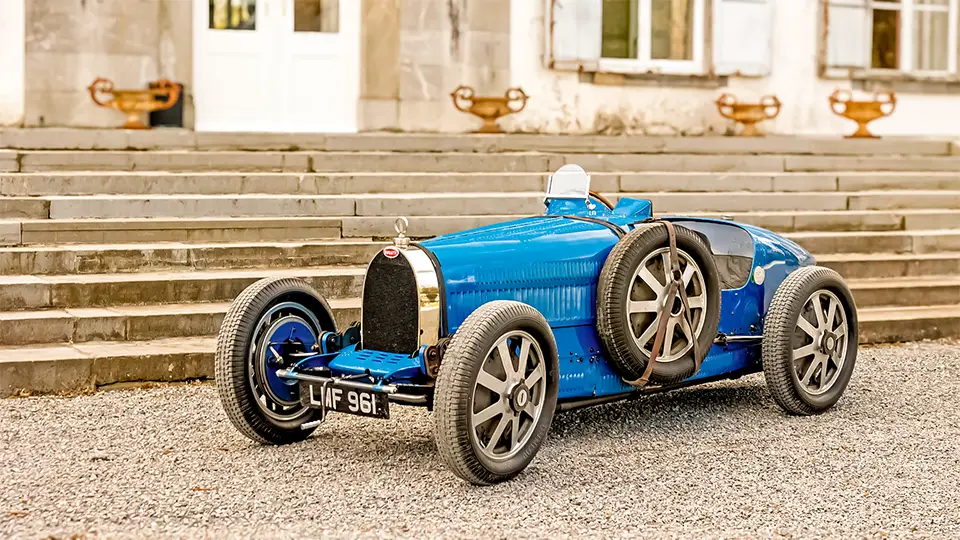
The Mulhouse Car Museum is world-renowned for housing the most extensive collection of Bugatti cars and engines anywhere on the planet. But this iconic museum had rather humble — and mysterious — beginnings. It all started in 1936, when two brothers of Italian origin living in Switzerland, Hans, and Fritz Schlumpf, purchased their very first Bugatti: the legendary Type 35B, a sleek race car that would spark a lifelong obsession. Not long after, Fritz himself took the wheel of that very car to compete in a hill climb race in Goldbach — and that was just the beginning.
Year after year, their passion for racing and admiration for Bugatti grew. Their collection expanded rapidly, eventually outgrowing garages and storage spaces. At one point, the brothers had acquired over 100 Bugatti’s — an astonishing number that would make any car collector envious.
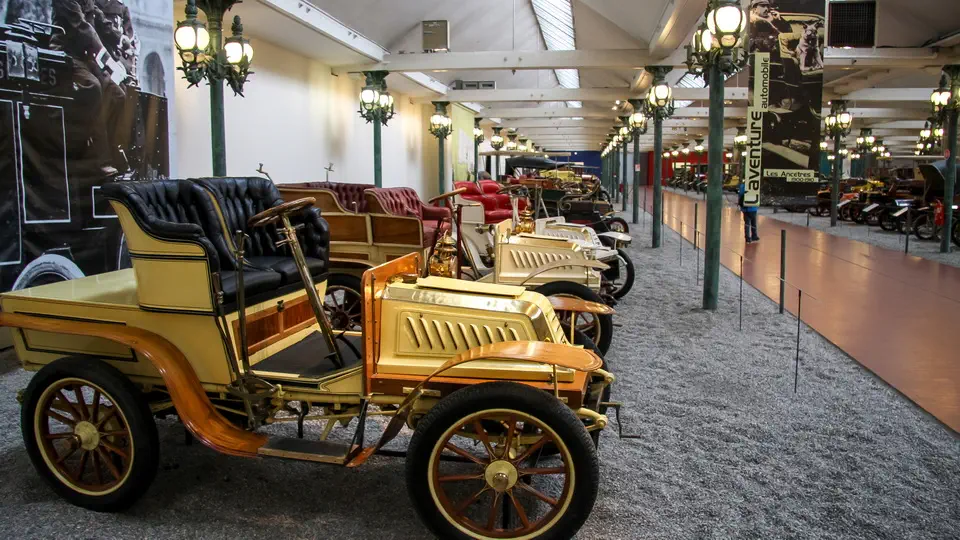
To give their prized vehicles a proper home, the Schlumpf brothers converted one of the large storage halls of their wool factory in Mulhouse into a private showroom. This became the foundation of what is now the museum’s oldest and most historic section. Inspired by their love for Paris, the brothers adorned the interior with elegant lampposts — replicas of those found on the famous Alexandre III Bridge in the heart of the French capital — giving the museum a unique, Parisian charm.
For many years, the collection remained a well-kept secret. That is, until 1976, when the textile industry suffered a major crisis. Faced with overwhelming debts, the Schlumpf brothers fled France, and their car collection — once hidden away — suddenly came to light.
In the years that followed, a public association was formed to protect and manage the priceless collection. After a long process of legal approvals and preparations, the museum officially opened its doors in 1982 under the name Cité de l’Automobile — which loosely translates to “The City of Cars.”
The Mulhouse Car Museum — Cité de l’Automobile sightseeing
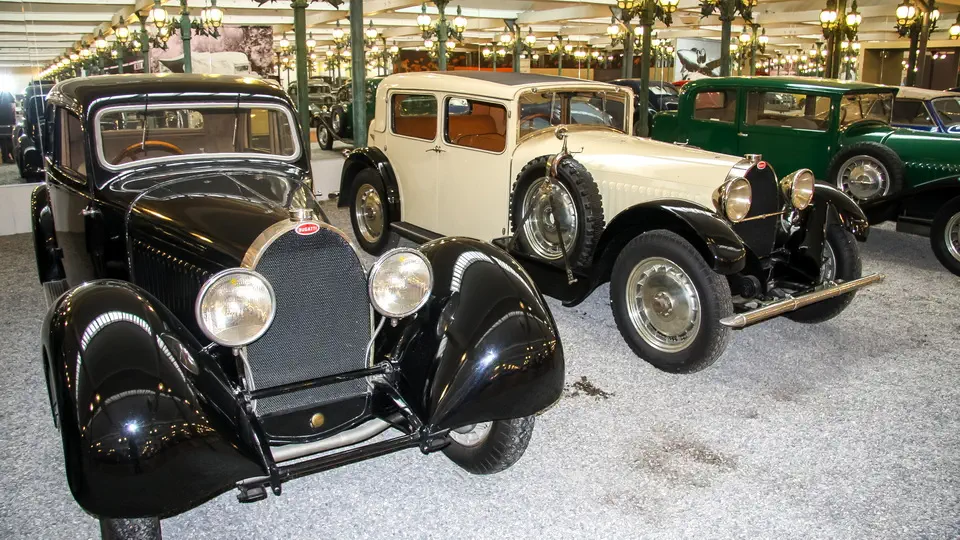
Exploring the Cité de l’Automobile is more than just a museum visit — it’s a joyful, immersive experience that feels like stepping into a living gallery of mechanical masterpieces. Spread across vast exhibition halls, the cars on display are nothing short of rolling works of art.
As you wander among them, you’ll witness the fascinating evolution of the automobile industry across decades. From the earliest luxury vehicles — once reserved for the elite few — to today’s sleek, accessible models built for the everyday driver, the collection paints a vivid picture of how cars have transformed alongside society itself. Whether you’re a passionate car lover or simply curious about design and innovation, the museum offers a journey through time that’s as entertaining as it is inspiring.
The museum is listed as a national heritage by the French government, which provides the collection with additional care on behalf of the state. The collection currently includes over 500 vehicles. You can see a large part of them in the three main sections of the museum, which are:
Development of cars and road transport
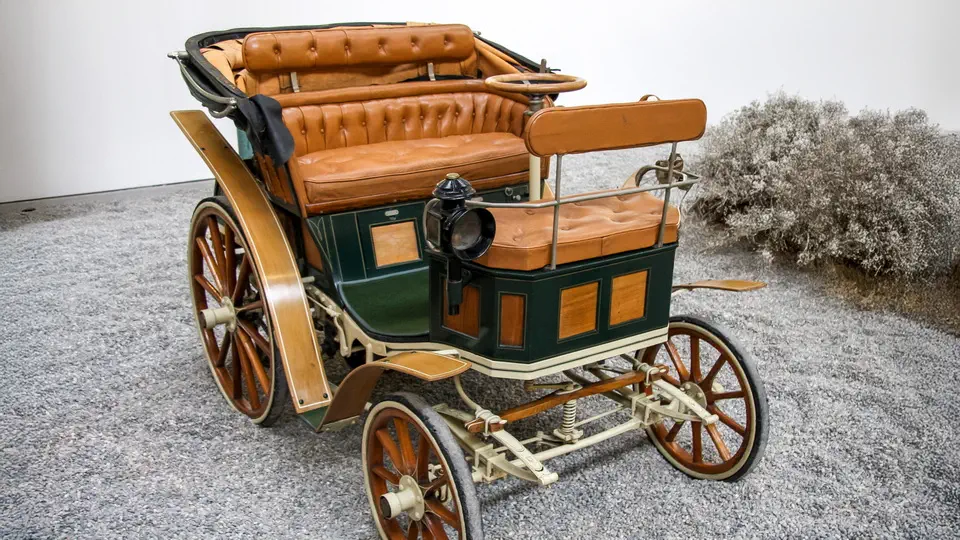
This section of the museum is a true goldmine for anyone curious about how cars have evolved to meet human needs. You’ll find an incredible variety of vehicles — in all shapes, sizes, and configurations — each telling its own story of innovation and adaptation. It’s not just about cars; the exhibit also showcases engines, mechanical components, and essential systems that keep vehicles running.
One of the most fascinating parts? The interactive simulators and detailed models of combustion engines and cars. There’s even a section dedicated to early electric vehicles — surprisingly, some date back to the 1950s, long before the modern EV boom!
The museum proudly displays over 250 vehicles, thoughtfully arranged by year of manufacture. The oldest machine dates back to 1879, built by brands that time has all but forgotten. These early automobiles look more like horseless carriages than the sleek machines we know today. Among them are rare steam-powered cars — once serious contenders in the race against petrol engines, though ultimately outpaced by internal combustion.
As you move through the exhibit, you’ll enter the early 20th century and see the shift to mass production. This is where cars became more accessible to everyday people. Historic models from Peugeot, Mercedes, and of course, Bugatti stand proudly in these rows. The further you walk, the closer you come to the present day. More modern cars appear — familiar in design, yet still striking in their craftsmanship. It’s a truly remarkable collection — one that left me absolutely captivated.
Car racing and sports cars
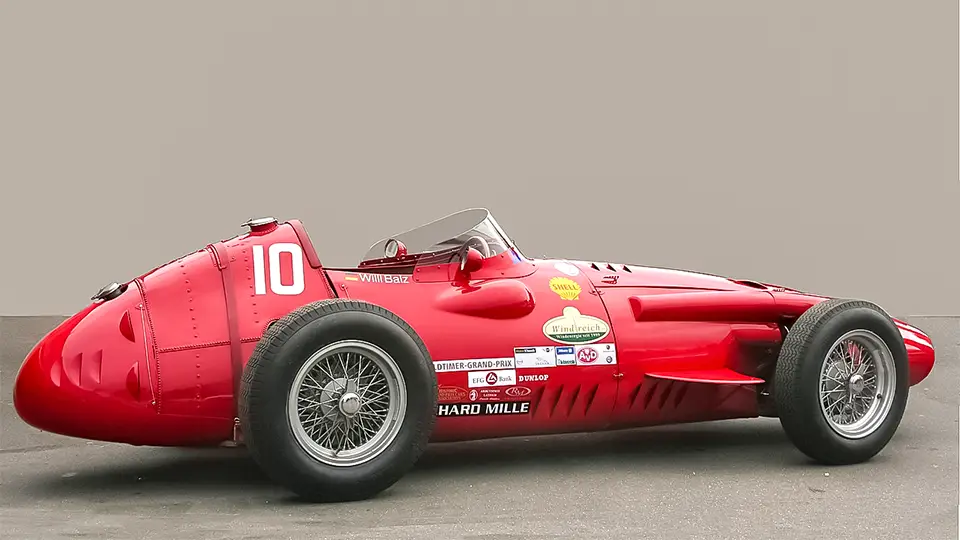
As you might expect, this part of the museum tells the exhilarating story of racing cars and the very origins of motor racing itself. It’s a celebration of speed, engineering genius, and human ambition — all under one roof.
At the heart of the collection here is the crown jewel: the legendary Bugatti Type 35. This is the very car that ignited the Schlumpf brothers’ passion and marked the beginning of what would become the world’s largest Bugatti collection. Sleek, elegant, and fast — the Type 35 remains an icon of early motorsport.
Among other standout pieces is the stunning Maserati 250F, a rare gem from the late 1950s. Only 26 units of this car were ever produced, making it one of the most exclusive and coveted race cars of its time. The racing section also features masterpieces like the Mercedes-Benz W125 and W154, which once tore through European tracks and helped define the golden age of Grand Prix racing.
And these are just a few highlights — the Racing Car Gallery is filled with historic vehicles that once pushed the limits of what was mechanically and humanly possible. It’s a dream come true for motorsport fans and a must-see for anyone intrigued by the relentless pursuit of speed.
Automotive masterpieces
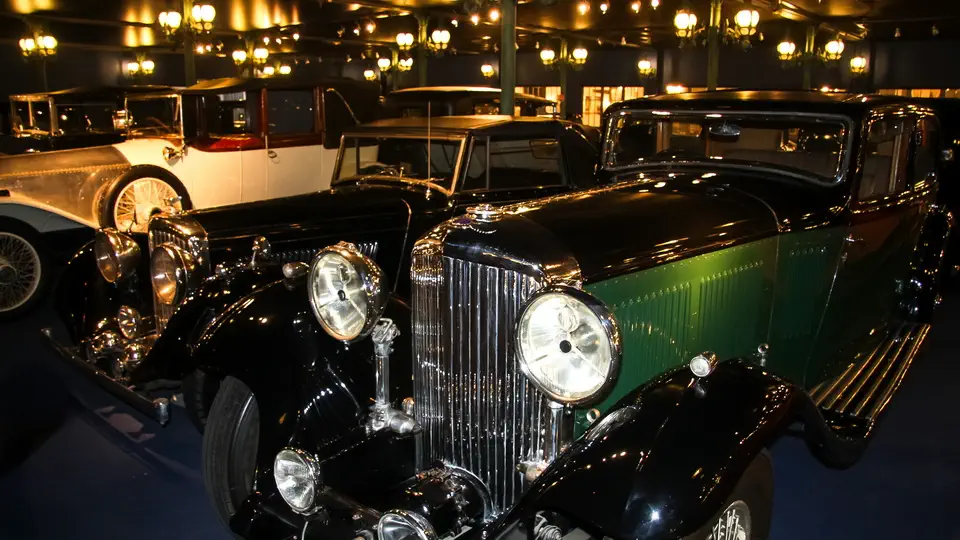
This is the most prestigious and awe-inspiring section of the entire museum — a true shrine to automotive excellence. Here, you’ll find some of the rarest and most valuable cars ever built, each one a marvel of design, engineering, and history.
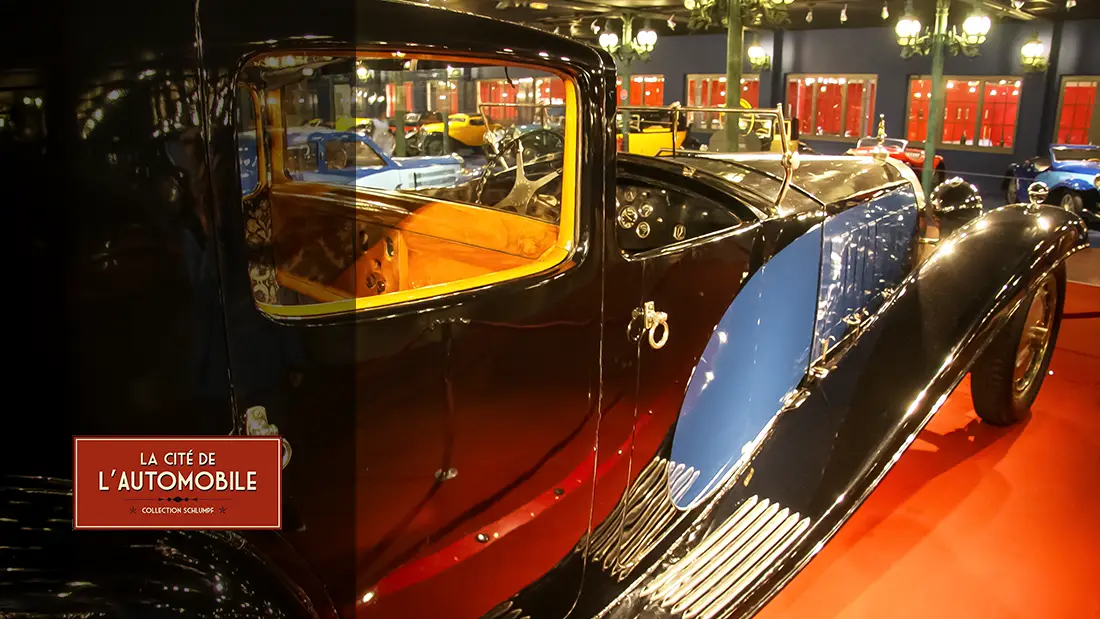
One of the most breathtaking vehicles on display is the Bugatti Royale, an ultra-luxurious automobile produced in the late 1920s and early 1930s. This massive, almost regal car is one of the largest passenger vehicles ever made. Only six Bugatti Royales were ever built — and two of them are here, under the same roof, in Mulhouse. It’s a once-in-a-lifetime sight.
Equally intriguing is the Serpollet Type H (1902) — a bizarre and fascinating steam-powered car built in 1903. Its creator, Léon Serpollet, was a firm believer in steam technology and continued producing these unique machines until his death in 1907, convinced that steam would ultimately triumph over petrol engines.
Be sure not to miss the striking Bugatti Type 28 from 1921. This race car was revolutionary for its time — featuring an innovative eight-cylinder engine and, for the first time, a gearbox separated from the engine block. It’s a beautiful, trailblazing machine that perfectly represents the spirit of automotive innovation.
Every car in this section tells a story — not just of technological advancement, but of bold dreams, relentless experimentation, and the timeless pursuit of perfection.
See it again at the Mulhouse Automobile Museum – Cite de L’Automobile
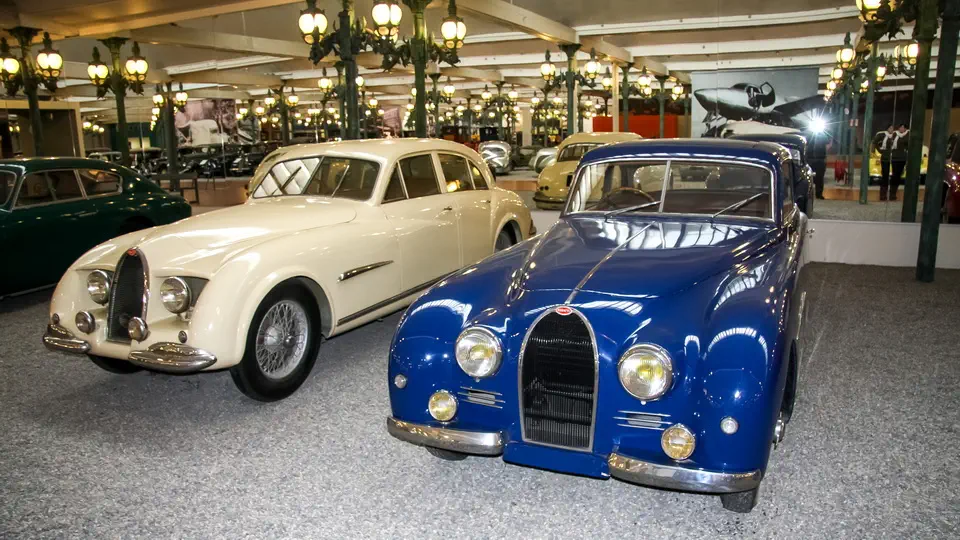
Of course, the main exhibitions I’ve described are just the beginning of what the Cité de l’Automobile has to offer. One of the more charming surprises is a delightful collection of children’s cars — many of which are miniature replicas of classic models, built with an impressive level of detail and craftsmanship.
You’ll also find cutaway models of famous engines, individual car parts, and technical displays that explain how everything works — a perfect opportunity for curious minds of all ages to understand the mechanics behind the machines.
And for those craving a little adrenaline, don’t miss the racing simulators — or the crash simulation experience. The latter is especially memorable: a real car mounted on a rotating platform that simulates a rollover accident. It’s both thrilling and a stark reminder of the importance of road safety.
Our visit ended up taking several hours, even though the official guide suggests two are enough. We paused midway for a coffee break at the museum café — the coffee was great, though the snacks were average at best. Before leaving, we browsed the gift shop for some souvenirs — a nice final touch to a truly enjoyable experience.
Both I and my fellow travelers came away thoroughly impressed. Whether you’re a die-hard car enthusiast or just looking for a unique and engaging day out, the Cité de l’Automobile in Mulhouse is absolutely worth your time. I highly recommend it.
Other attractions in Mulhouse
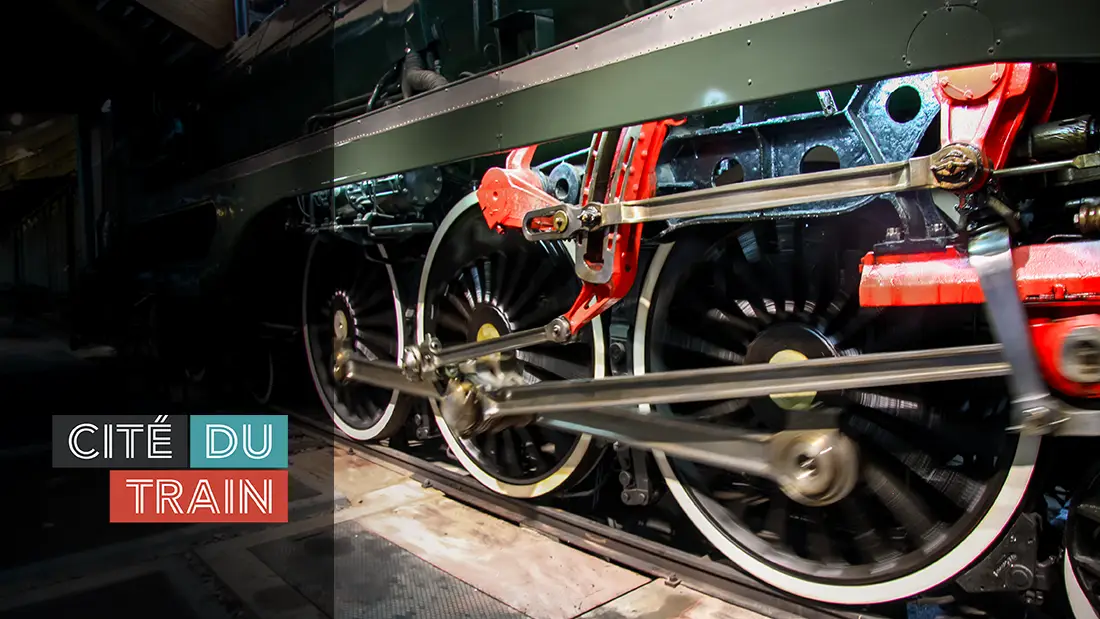
If you’re already planning a visit to Mulhouse, don’t miss out on another major attraction: the Cité du Train, France’s National Railway Museum. Located just a few kilometers from the Cité de l’Automobile, it’s a perfect addition to your trip — especially if you’re a fan of transportation history.
That said, don’t try to squeeze both museums into a single day. Trust me — it’s not worth the rush (or the exhaustion). Each museum deserves your full attention and time. A much better plan is to spread the visits over two days and enjoy each one at a relaxed pace.
Luckily, Mulhouse offers plenty of comfortable and charming hotels nearby, so finding a good place to stay overnight won’t be a problem. Take your time, recharge, and make the most of these incredible museums — it’s well worth it.
If you decide to stay in Mulhouse a bit longer — and I wholeheartedly recommend you do — there are even more gems waiting to be explored.
One such place is Landskron Castle, or rather, its atmospheric ruins. Climb the old tower, and you’ll be rewarded with breathtaking views over the lush, green landscape of Alsace — a perfect spot for photos or a quiet moment of reflection.
Back in the city, you can indulge your sweet tooth at the Chocolate Museum, or enjoy a tasting experience in one of the region’s charming traditional wineries. There’s also the Electropolis Museum, dedicated to the fascinating world of electricity and its role in shaping the modern world.
Mulhouse is full of surprises — a mix of culture, history, and unique local character. I warmly recommend taking the time to uncover its many layers. You won’t be disappointed.
Muzeum Samochodów w Miluzie fakty, informacje i ciekawostki
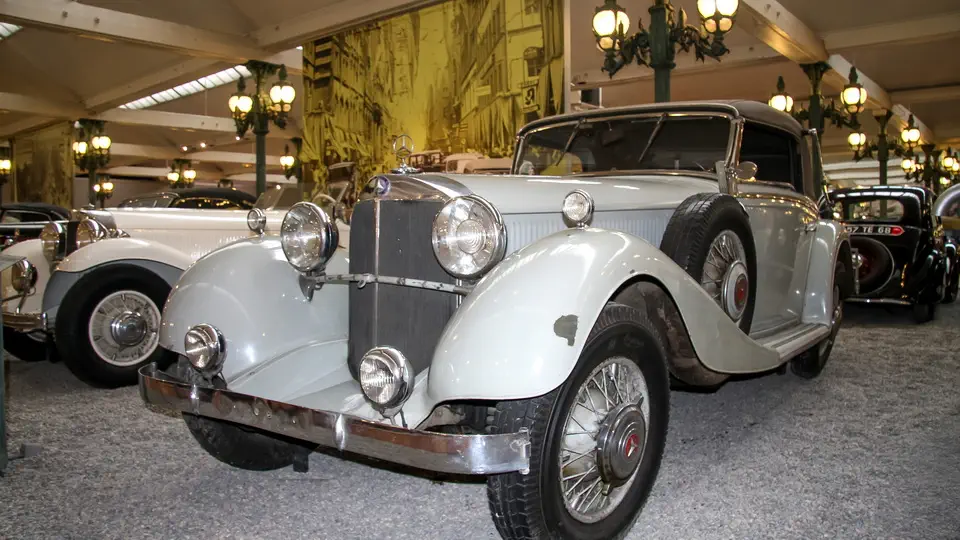
- It is interesting that the Schlumpf brothers’ collection was created in secret. Until 1977, no one knew about the vintage cars gathered in one of the factories. When the Swiss company went bankrupt, the employees found the hidden cars and took them over, demanding that they be put back into operation in exchange for their return.
- After long negotiations, the owners got the cars back, but they could no longer sell them to save the failing business. The collection was classified as a historical monument, which meant that no part of the collection could leave France and could not be sold or transferred.
- The museum opened to the public in 1982 and the interest was huge.
- In 1999, the museum underwent major changes, increasing the exhibition space and adding additional attractions.
- Currently, the Automobile Museum in Mulhouse is considered one of the largest in the world.
- The collection includes 520 vehicles.
- The museum exhibits 400 cars at a time.
- The museum has a car workshop where old cars are restored, giving them new life.
- There is a racetrack next to the museum, where races of various classes of cars take place.