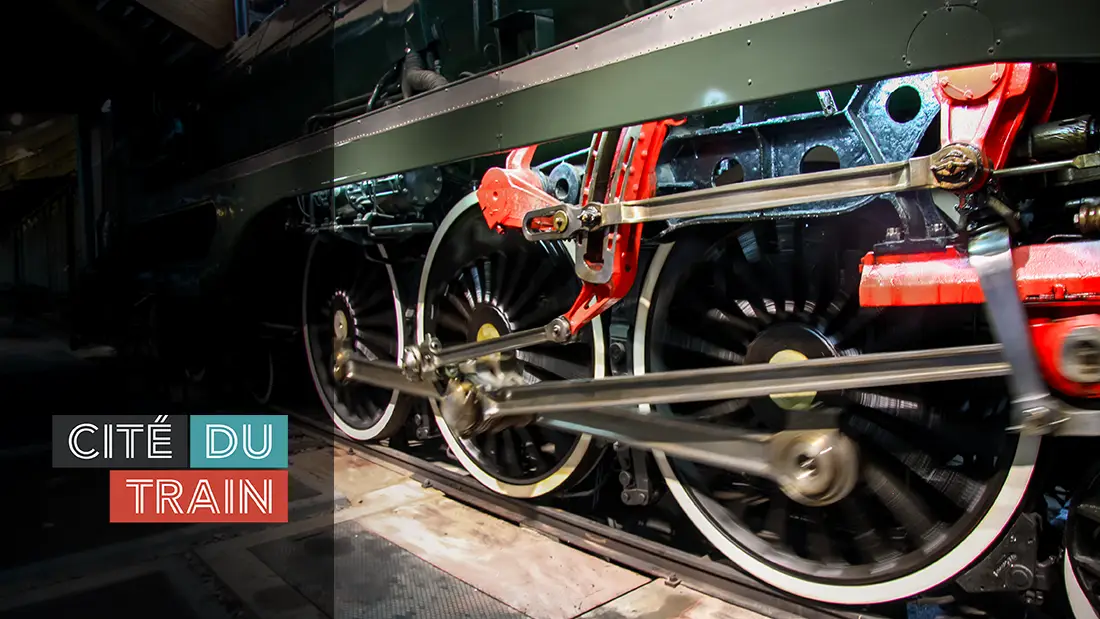
The Cite du Train Museum in Mulhouse is a real treat for train enthusiasts and others.
Today’s journey takes us to the heart of Alsace — a region celebrated for its exquisite wines. But instead of vineyards and cellars, I’m taking you somewhere a little different — to the fascinating Cité du Train Museum in Mulhouse.
This incredible place is a paradise for railway lovers. I wandered through beautifully preserved vintage trains, classic carriages, and exhibits that bring the golden age of rail travel back to life. I discovered it while planning our trip through southern France, and it turned out to be a highlight.
In the article below, I’ll take you on a tour of the museum, explore its unique collections, and share some fun facts along the way. You’ll also find out whether the Cite du Train is worth a visit — and who’s likely to enjoy it the most.
Muzeum Cite du Train w Miluzie
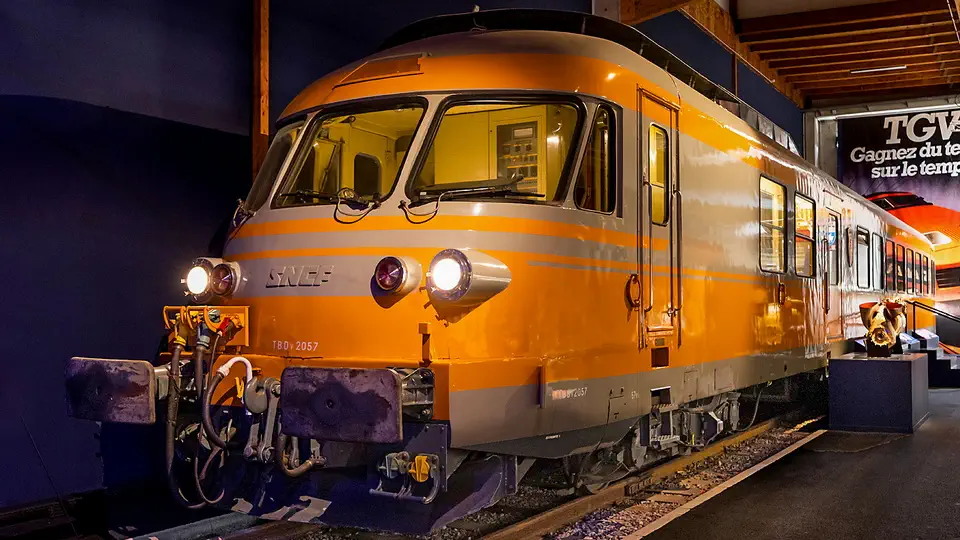
Out of the many attractions Alsace has to offer, the first one we chose was the Cite du Train Railway Museum in Mulhouse, France.
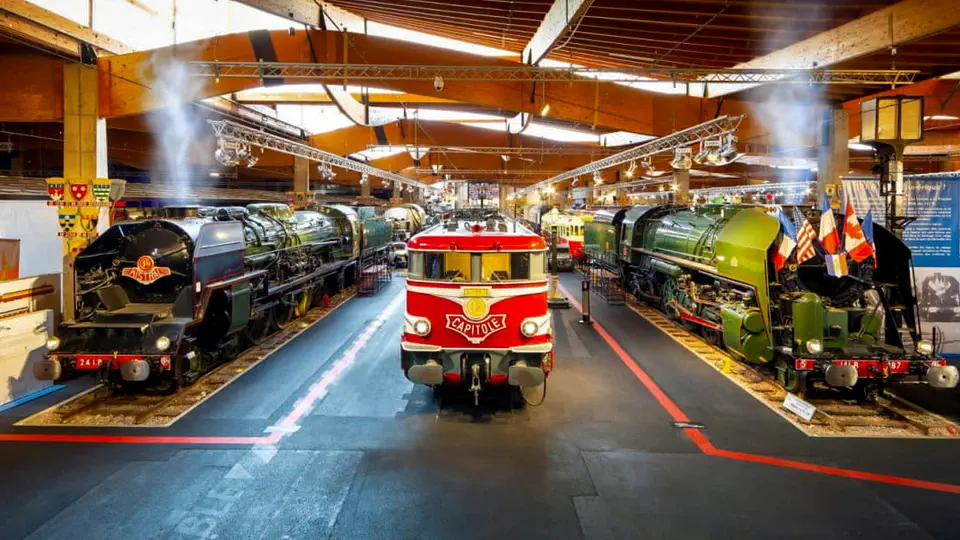
Housed in an enormous hangar, the museum brings together dozens of trains, railway carriages, and all kinds of equipment related to the world of rail. It’s the perfect place to dive into the history and evolution of railway transport — from the early days of steam engines to the rise of modern technology — and to explore how rails shaped the world we live in today.
One particularly fascinating detail? The class system in early passenger cars. Back then, travellers weren’t just separated by ticket prices — they were divided by social class, and the gap in comfort and service was massive. First-class passengers rode in style: plush, heated compartments with onboard kitchens and personal staff ready to fulfil their every whim. Gourmet meals, coffee, and fine wines were served nonstop throughout the journey.
Second class was a simpler, but still decent experience — clean and comfortable, quite similar to what you’d find on many trains in Europe today, especially in countries like Poland.
Then there was third class… which wasn’t even inside the train. Passengers were seated on wooden benches mounted on the roofs of the higher-class carriages — completely exposed to the elements. Imagine spending several hours riding like that in the middle of winter, just above a warm, luxurious compartment where others were sipping wine and enjoying gourmet food. Unforgettable, to say the least!
Cite du Train Museum in Mulhouse practical information
Address of the Cite du Train Museum: 2 rue Alfred de Glehn, 68200 Mulhouse – France. The museum is located just a few minutes’ drive from the centre of Mulhouse and an hour from Strasbourg.
The Cite du Train Museum is open daily from 10:00 to 17:00, and until 18:00 during the summer months.
Ticket prices are not excessive. Adults cost 16 euros to enter, and children 12 euros. Family and reduced-price tickets are available. For more information, please visit the museum’s official website. The ticket price includes a ride on the Doller Alsace steam train, which runs near the museum from June to September. An additional option is to buy a combined ticket with the nearby electricity museum. A guided tour in a larger group costs an additional 4 euros.
*Prices may change, so treat the above information as a guide, not a guarantee.
To make the tour even more attractive, the museum authorities have prepared many interesting aids and tools. Among others, there is a booklet for children, who during the tour have to answer a few simple questions related to what they have seen. Older children can complete missions that help the fictional character from the brochure find the train he needs. In addition, the museum has a whole host of information points in various forms, including interactive ones.
The Cite du Train Museum is, of course, home to a souvenir shop. There you will find books and materials related to the equipment collected in the exhibitions, as well as albums, books, games and gadgets related to the railway. Right next to it is a restaurant with excellent coffee. You can eat here in the form of a buffet, and the dishes on offer are very diverse and apparently prepared from scratch on site.
Cite du Train Museum in Mulhouse tour
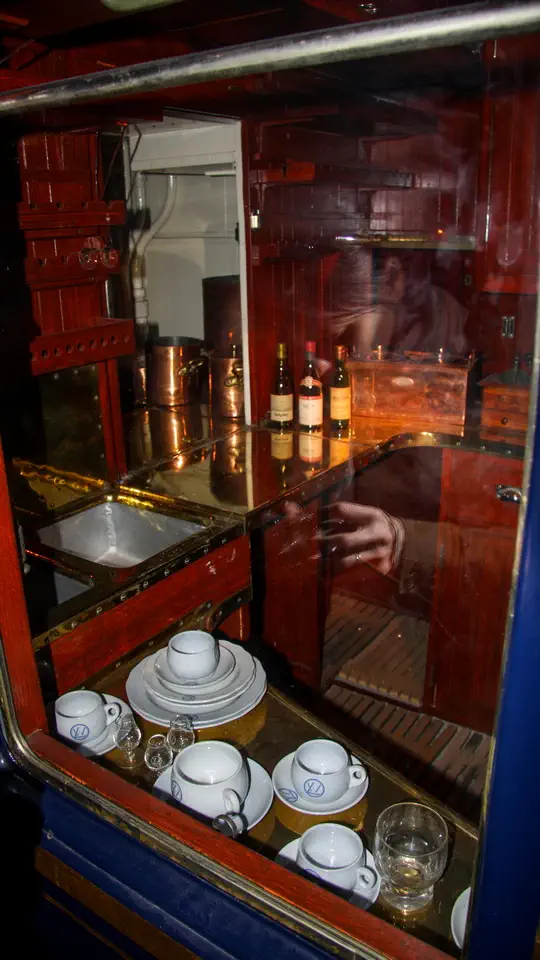
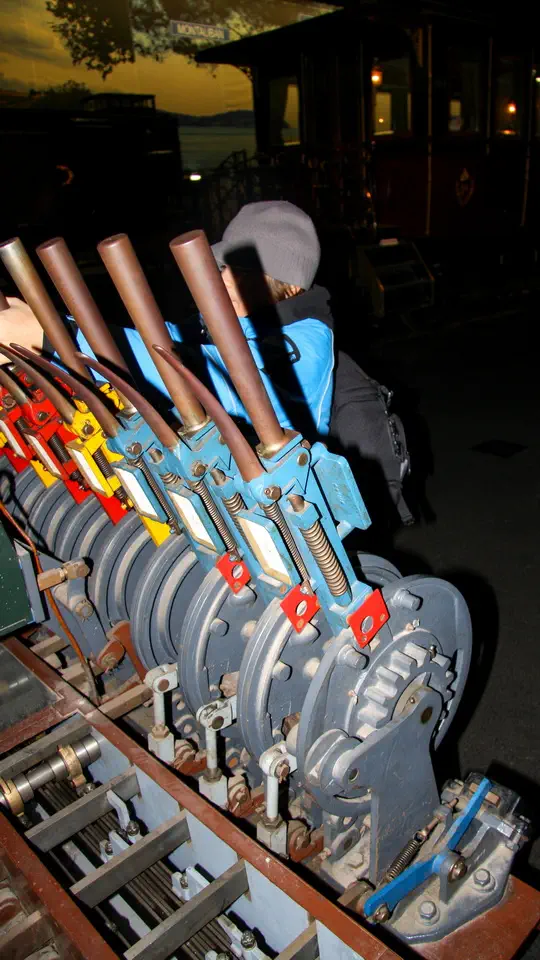
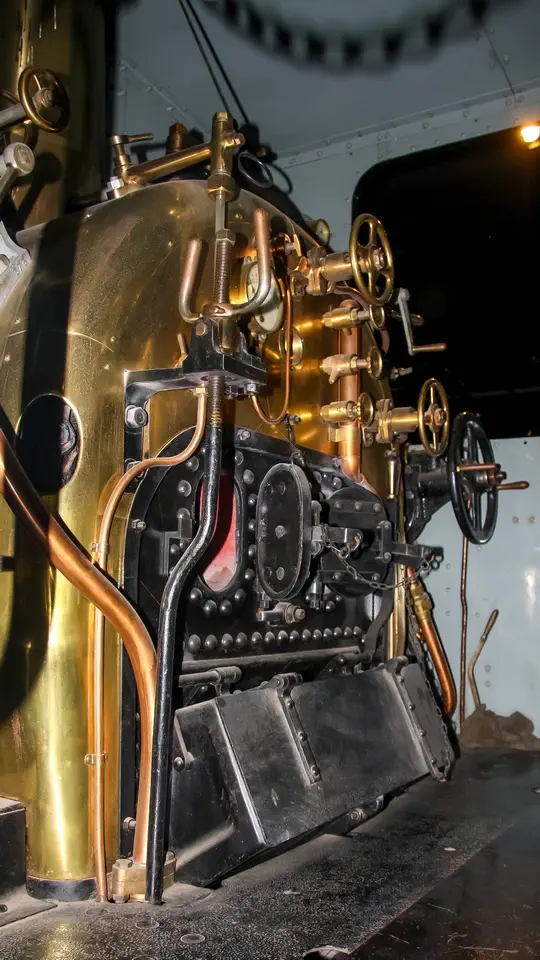
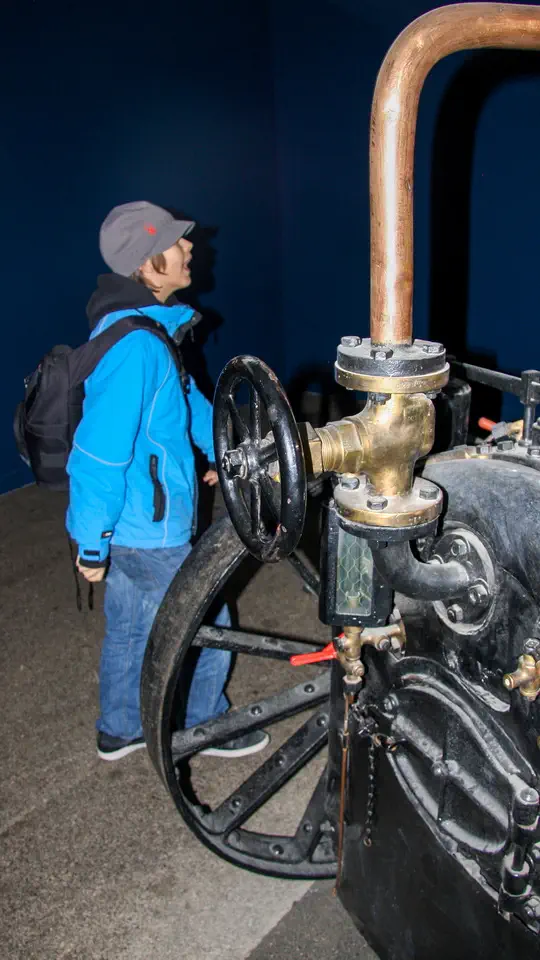
I’ve always had a soft spot for trains — my dad was a train driver, so railways have been a part of my life for as long as I can remember. That’s probably why I felt completely at home in the Cite du Train. The museum is incredibly well put together. The exhibits are spacious and thoughtfully laid out, and the recreated stations and platforms look absolutely fantastic — almost like stepping back in time.
What really stood out to me was the sheer amount of rolling stock on display? From locomotives to carriages and every little piece of railway equipment in between — it’s all there, and it’s all fascinating. The official guide suggests you’ll need about three hours to visit the museum, but we ended up spending half a day there… and honestly? We enjoyed every minute of it without a single moment of boredom.
So, what can you actually see at the Cite du Train in Mulhouse?
Railways of the world
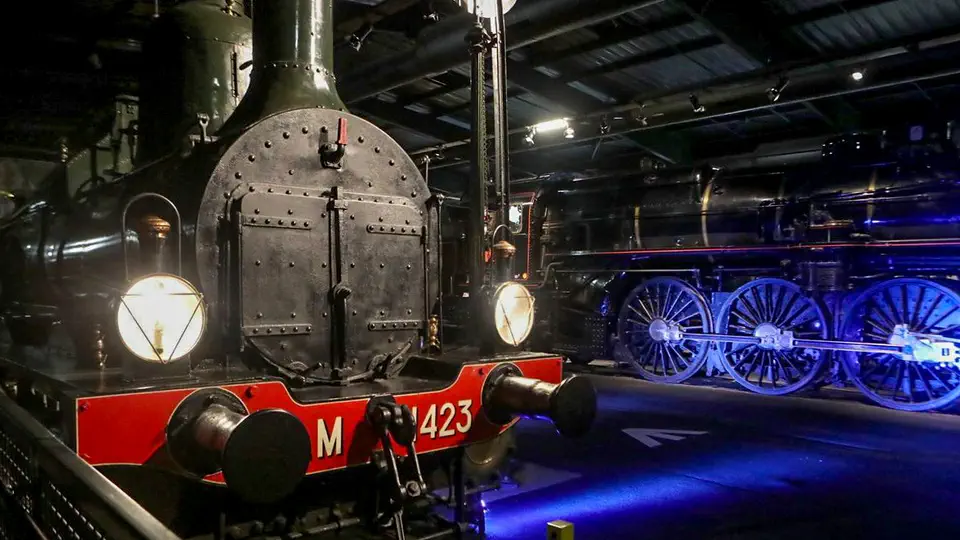
The first exhibition you’ll come across after entering the museum is called Railways of the World. It opens with a beautifully crafted reconstruction of the early railway line that once ran from Paris through Saint-Germain all the way to Versailles. This was an era when only the wealthiest citizens of France could afford to travel by train — and the carriages they rode in certainly reflect that. Designed for the French nobility and the upper bourgeoisie, these early passenger cars are surprisingly luxurious, with ornate details and plush interiors that speak to a different time.
As you continue through this part of the museum, you’ll discover a fascinating variety of trains from across the globe — machines that once crisscrossed continents and connected cities in ways that changed the world forever.
One section worth pausing at features two trains that played a crucial role in kickstarting mass tourism in Europe. In 1936, to celebrate the 100th anniversary of the French railway, new legislation introduced paid holidays and discounted train fares. Suddenly, train travel was no longer just for the elite — it became accessible to everyday people, and tourism exploded.
You’ll see two of the original trains that carried the first wave of holidaymakers from inland towns to seaside resorts. While their compartments weren’t exactly luxurious, they were comfortable, practical, and — most importantly — spacious enough to carry large groups of excited travellers heading off on their first holidays.
Difficult railway routes
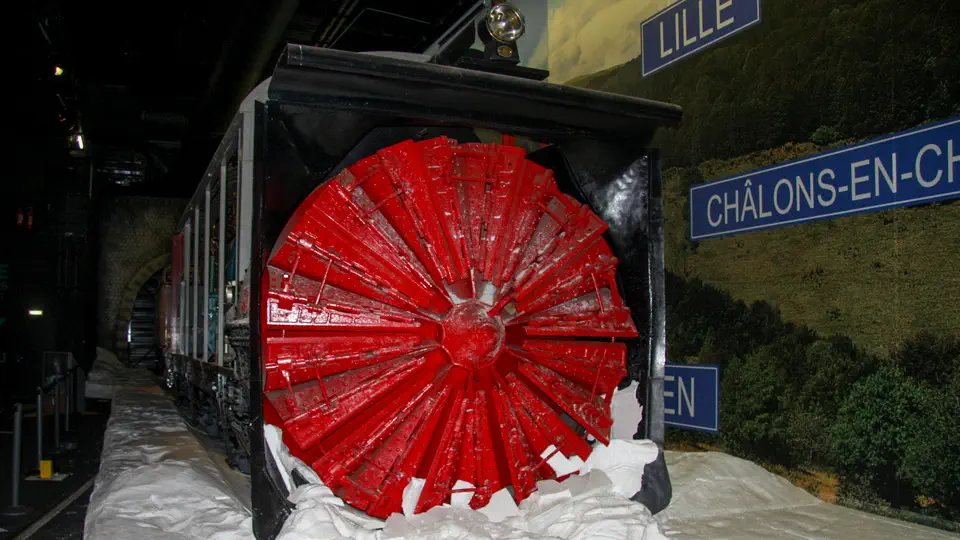
The next section of the museum — Railways and Mountains — is truly captivating. It explores the immense challenges engineers faced when building railway lines through rugged mountain terrain. Most of us probably don’t realize just how much effort, innovation, and sheer perseverance it took to lay tracks across landscapes constantly threatened by snow, avalanches, and rock slides.
To carve railways through such difficult environments, entire new branches of engineering and manufacturing had to be developed. Before a single rail could be laid, crews first had to blast through rock to build tunnels, construct viaducts across deep valleys, and design complex crossings. It wasn’t just about getting from A to B — it was about defying nature in the process.
The museum showcases the remarkable ingenuity behind special mountain trains — built to power through meters of snow and conquer steep inclines that would challenge even today’s locomotives. Seeing the old machines up close and reading the documents and accounts of those who built these lines left me deeply impressed. Their skill, knowledge, and determination were nothing short of extraordinary.
Special trains
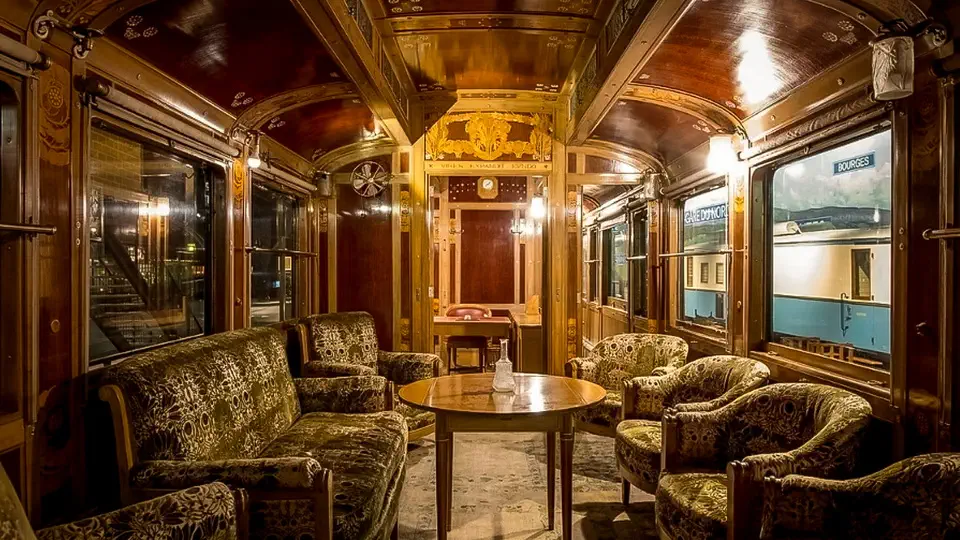
Special trains were built for extraordinary purposes — designed to meet unique needs and strict requirements. At the Cite du Train, you’ll have the chance to see several of these fascinating machines up close. While today’s world leaders and VIPs travel in motorcades and private jets, it was once the job of railways to provide safe, luxurious, and reliable transport for the elite.
One of the most striking exhibits in this section is a powerful locomotive from the Paris-Orléans line, which once pulled an imperial carriage specially constructed for dignitaries in the early 20th century. Standing beside it, you can almost imagine the grandeur of those state visits and royal journeys.
Other standout pieces in this part of the museum include:
- The 121 A 340 Forquenot steam locomotive, built in 1883 by the Paris-Orléans Company.
- A luxurious carriage with an elegant salon, dating all the way back to 1856 and used by prominent figures of the time.
- A presidential carriage from 1913, created especially for the French president.
This section was a personal favourite of mine — and judging by the reactions, a highlight for the rest of our group as well. There’s something unforgettable about standing beside these symbols of history, power, and craftsmanship.
Railways and Trains at War
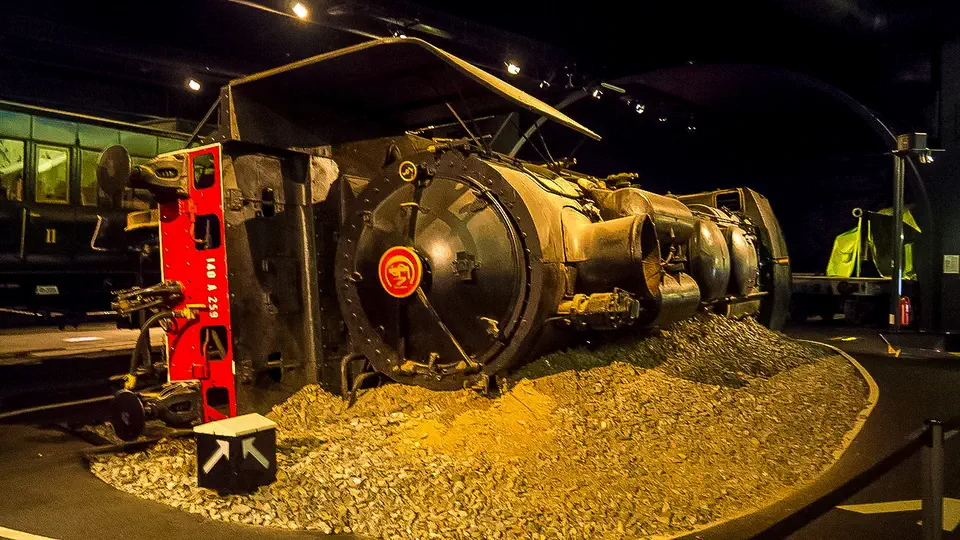
Of course, it’s impossible to overlook the crucial role that trains played during the world wars. The Cité du Train devotes an entire section to the use of rail transport during both World War I and World War II, and it’s one of the most sobering areas of the museum. Here, you’ll find a wealth of equipment, artifacts, and historical information that illustrates just how vital — and tragic — the railways became during times of conflict.
Frontline trains carried soldiers and military supplies straight to the front lines. These were heavy-duty, no-frills machines, often armoured and built for endurance rather than comfort. Trains also became the final journey for many: troops went to war by rail, and the wounded — or the fallen — were brought back the same way. Railway carriages were also used to transport prisoners and deportees to remote and often horrific destinations.
The museum’s war section features a large and powerful exhibit that brings this dark chapter of history into focus. On recreated sidings and platforms, you’ll see crude locomotives from World War I and massive, more advanced steam engines from later years. Particularly haunting are the freight cars used to transport people in inhumane conditions — often to concentration camps. It’s a harrowing sight and a stark reminder of the darkest moments in human history, many of which are all too easy to forget.
Among the standout machines in this collection are:
- The ALVF Crochat locomotive from 1916 — a rare piece of wartime rail engineering.
- The Consolidation 140 A 259 steam locomotive from 1928, built for heavy-duty military logistics.
- The Rt Zy 16241 flatcar from 1918, designed for transporting tanks to the front.
Exhibition dedicated to railway workers
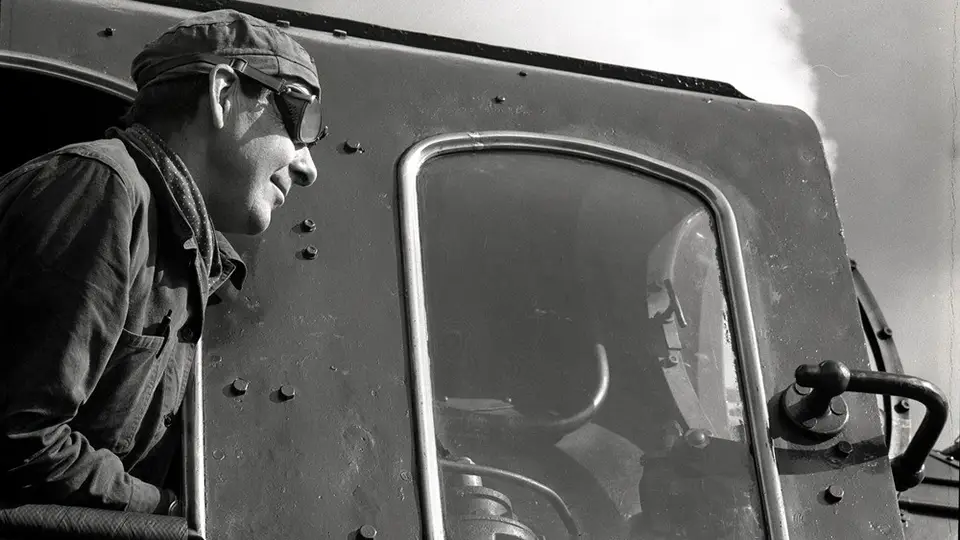
Among all the impressive machinery at the Cite du Train, it’s important not to forget the people behind the rails. It was thanks to them that trains ran on time, passengers reached their destinations safely, and goods arrived where they were needed. The life of a railway worker has never been easy — and in the days of steam engines, it could be downright gruelling. SNCF, the French national railway company, which has been operating since 1938, records that nearly half a million people have worked across its many departments over the years.
One of the museum’s most touching and insightful exhibits focuses on the human side of the railway world. It traces the evolution of railway professions from the earliest days to the modern era. Through interactive displays and lifelike reconstructions, you’ll get a glimpse into the lives of engine mechanics in the workshops, mountain locomotive drivers, and various other crew members who kept the trains in motion and the systems running smoothly.
This part of the museum held a particularly special meaning for me — as I mentioned earlier, my father spent his entire career working on the railway. Seeing these tributes to the people who made it all possible felt like coming full circle.
These are just the main exhibits of the Cite du Train, but remember — everywhere you look, tucked into corners and hidden in nooks, are fascinating artifacts with histories that stretch all the way back to the early days of humanity’s relationship with steam power. From massive tunnel-boring machines designed to carve through mountains to mechanisms that helped locomotives break through enormous snowdrifts, and even displays showing the aftermath of train derailments, there’s enough here to keep you entertained for hours. Every corner of this museum offers something new, a discovery waiting to be made, and a story that brings the history of railways to life in the most vivid way possible.
A few words to conclude our visit to the Cite du Train Museum
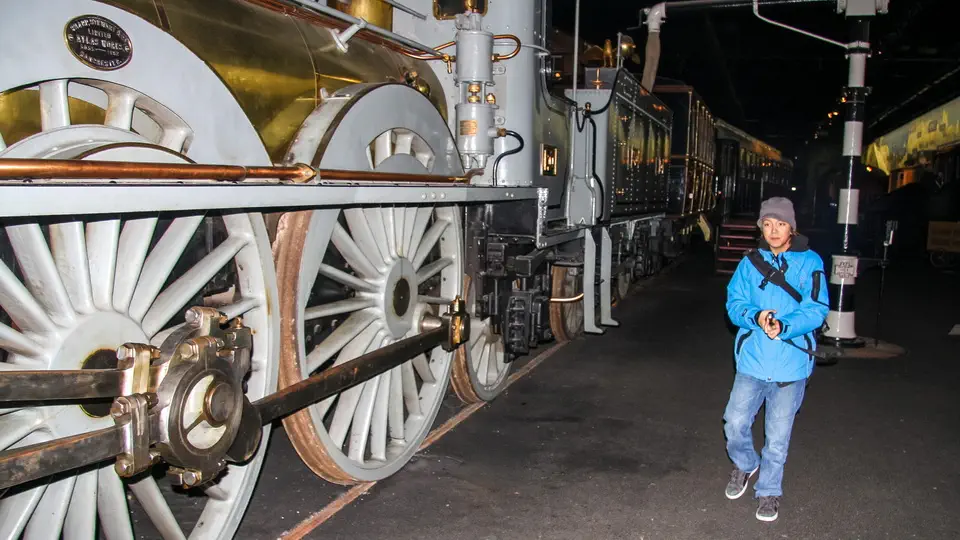
The Cité du Train is a must-visit for anyone with even the slightest interest in railways. If, like me, you once dreamed as a child of standing behind the controls of a massive, puffing steam locomotive, then Mulhouse is the place where those childhood dreams can come to life. My group — people of all ages — left the museum thoroughly impressed and satisfied. And I can say with certainty that the next time I’m in the area, I’ll be back to experience the magic of the Cite du Train once again.
Cite du Train Museum facts, information and curiosities
- The Cite du Train Museum is the largest railway museum in Europe and one of the ten largest in the world.
- The name Cite du Train literally means City of Trains.
- The origins of the museum date back to 1961, when the Mulhouse City Council donated land to the SNCF, the French National Railway Company, so that they could show tourists their historic rolling stock.
- In 1983, the old locomotive shed was transformed into a real museum.
- The museum houses over a hundred locomotives, wagons and other rail vehicles.
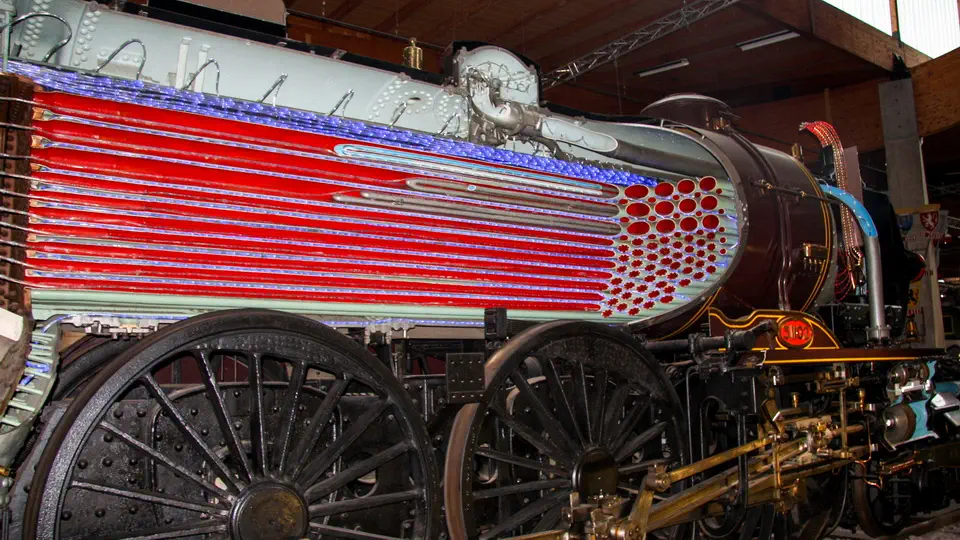
- The exhibitions are focused on education. Many of the presentations allow you to learn the principles of operation of steam, diesel and electric engines. You can enter many of the vehicles and touch almost everything.
- The museum currently covers 60,000 square meters, making the Cite du Train one of the largest museums in the world in terms of surface area.
- In the museum, you will find many models of famous locomotives, as well as large models of railway lines and the trains running on them.