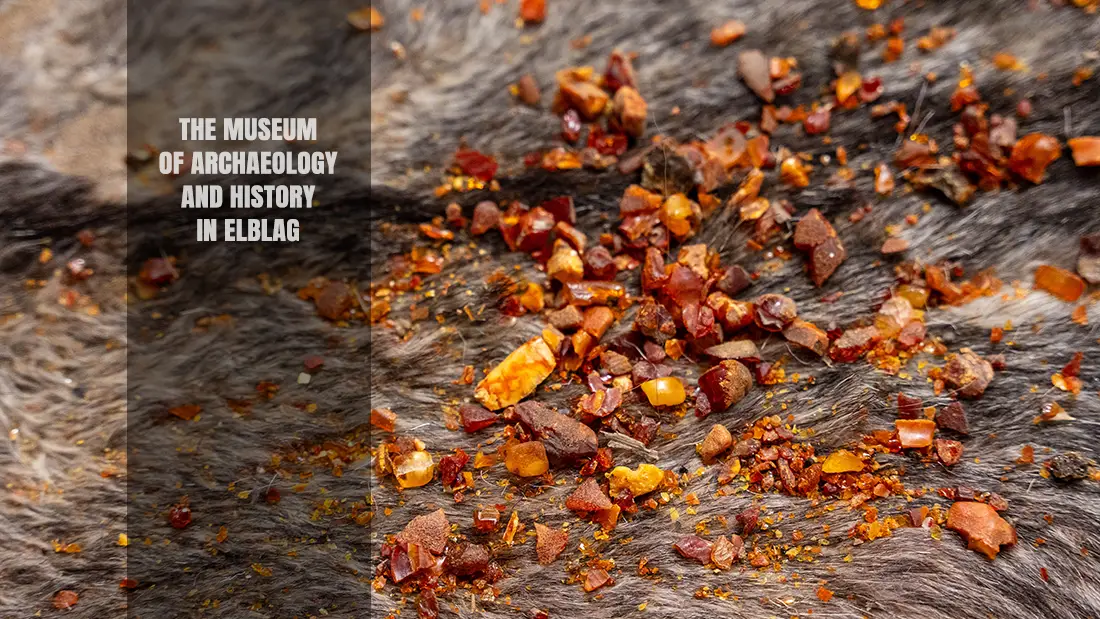
Archaeological and Historical Museum in Elblag is a place where memorabilia and items related to the history of the city and its surroundings are collected. Elblag is the largest city in the historical Powiśle region and offers many interesting attractions, although it is somewhat underrated by tourists, who tend to visit the nearby Tricity instead. This is a big mistake, as Elblag has a lot to offer and boasts a fascinating history and remarkable past.
In the article below, I will tell you about the Archaeological and Historical Museum in Elblag, its history, and its collections, which reflect perfectly the character of the city and vividly and engagingly narrate its story.
Museum of Archaeology and History in Elblag practical information
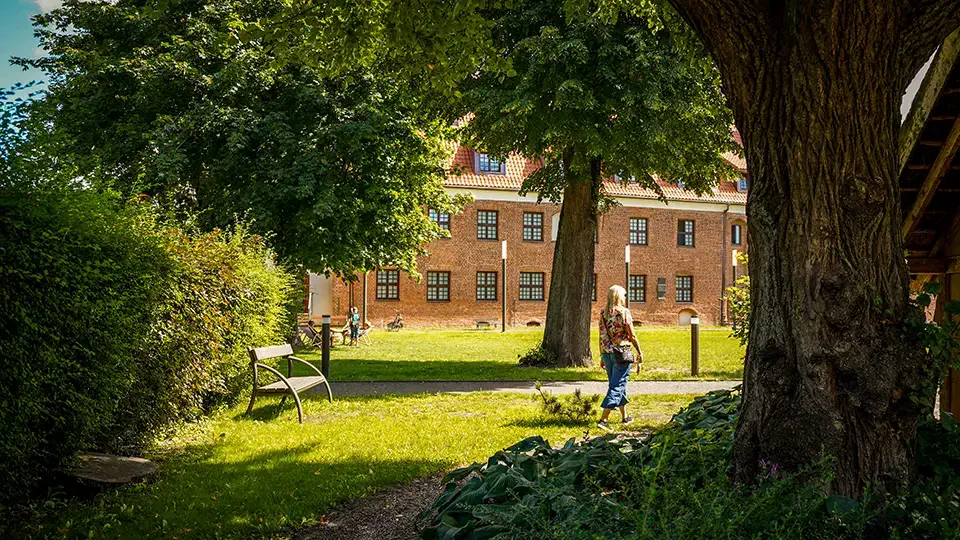
- The Archaeological and Historical Museum in Elblag is open depending on the season:
- From October 1 to May 31 – Tuesday through Sunday from 9:00 a.m. to 3:30 p.m., ticket office opens until 3:00 p.m.
- From June 1 to September 30 – Tuesday through Sunday from 11:00 a.m. to 5:30 p.m., ticket office opens until 5:00 p.m.
- When visiting the museum, please follow the instructions and comments of the staff.
- All bags, backpacks, umbrellas and additional clothing should be left in the cloakroom.
- Photography and filming are allowed in the museum without restrictions, as long as the materials are intended for private use.
- Animals are not allowed in the museum.
The museum conducts educational classes for schools and individuals interested in the history of the region and the city of Elbląg. Classes are divided into different age groups. If you are interested, contact the communication department at:h.szymanska@muzeum.elblag.pl.
The Archaeological and Historical Museum in Elblag is located at: Bulwar Zygmunta Augusta 11, 82-300 Elbląg.
An interesting project of the museum in Elblag are workshops called; Here is how old crafts are created. These are meetings with artists and craftsmen in various fields. In addition, the meetings include screening films and other materials telling about old crafts, which today are just a curiosity and a romantic memory. Examples include pottery classes, tanning or old cuisine.
Museum of Archaeology and History in Elblag and its history
The Museum in Elblag was established in 1954 in a location that was perfectly suited for such an institution—on the grounds of the former Teutonic Knights’ castle in Elblag. Unfortunately, the castle itself did not survive the ravages of time and, in past centuries, fell victim to a rebellion by the city’s residents against the Teutonic Order. The brave townspeople simply entered the castle one day, expelled its garrison, and burned and dismantled the structures.
In what little remained—just one building—malt production for nearby breweries began. The castle’s underground chambers also survived and became the home of the present-day Archaeological and Historical Museum in Elblag. The museum occupies a second building as well: the former municipal grammar school, built in the 16th century. Interestingly, this school was the first humanistic grammar school in Poland.
Initially, the museum operated unofficially, established and maintained by residents. It wasn’t until 1955 that it was handed over to the Ministry of Culture and Art, which officially established the Museum in Elblag. Further adjustments occurred in 1973 when the decision was made to relocate the museum’s headquarters to the historic building of the former Elblag grammar school. The institution’s previous headquarters, located in the old malt house, was re-incorporated into the museum’s grounds after renovations in 1987.
The collections of the Archaeological and Historical Museum in Elblag include exhibits from the pre-war Municipal Museum, which was founded in 1864. Additionally, the display cases are filled with donations and discoveries contributed by the residents of Elblag and its surroundings.
Museum of Archaeology and History in Elblag sightseeing
Visiting the museum in Elblag turned out to be a very pleasant adventure, from which we gained a wealth of interesting information. Moreover, we were quite fortunate, as there were practically no other visitors on the day of our visit, giving us exclusive access to all the available museum halls. This made the experience an absolute pleasure.
The richness of the collections at the Archaeological and Historical Museum in Elblag is hardly surprising, considering the age of the city and the events that have taken place in its vicinity over the centuries. Interestingly, archaeological work is still ongoing in many parts of Elblag and beyond. It’s worth noting that the museum displays also include artefacts from the entire Żuławy region and Pomerania.
Exhibitions from the museum in Elblag that we particularly liked
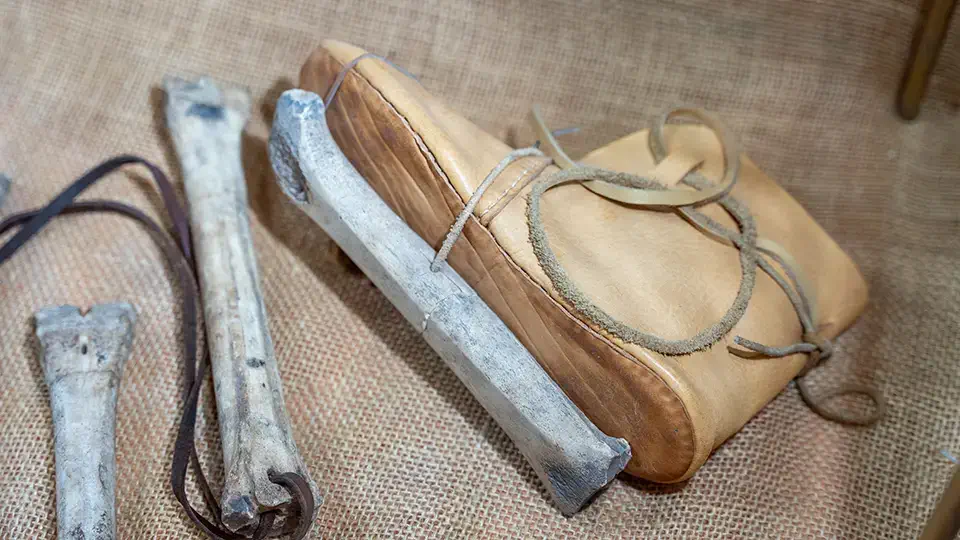
The museum in Elblag is very dynamic, and its managers do not allow boredom. The exhibitions change occasionally, and new exhibits appear regularly. During our visit to the Archaeological and Historical Museum in Elblag, thematic exhibitions were available, which I will tell you about in the following chapters.
Born of Bricks – Exhibition dedicated to the castle in Elblag
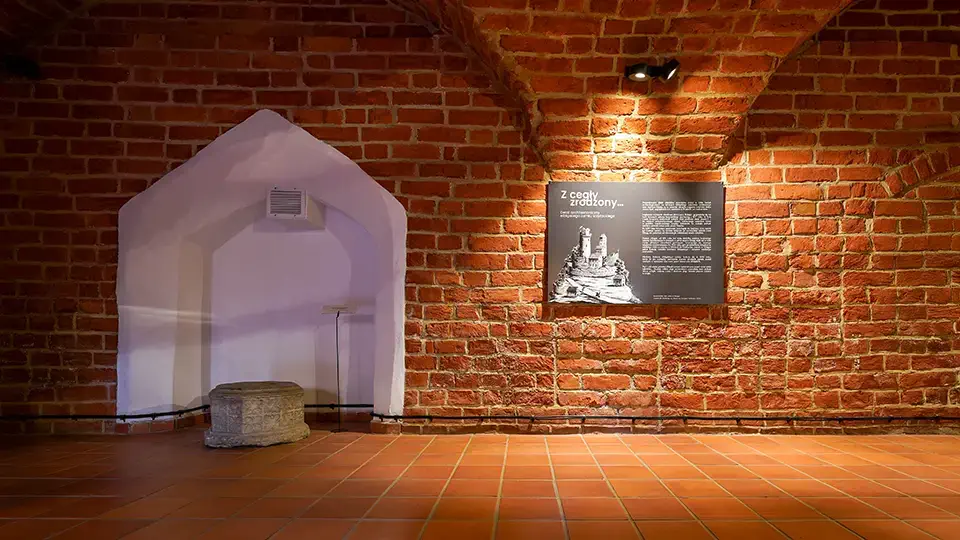
As I mentioned earlier, the castle in Elblaghas not survived to the present day. However, during its prime, it stood in the southwestern part of the city and was the most important Teutonic stronghold in all of Prussia. It was here that the general chapter of the Teutonic Order was stationed, and the Grand Master had his residence.
The castle ceased to exist in 1454 during the Prussian Confederation uprising, an organization formed to defend the rights of Prussian residents. The Confederation was established during a congress of Prussian cities held in Elblag. The city’s residents seized the castle, tore down its thick brick walls, and sent the castle’s garrison back to Malbork. Many historic buildings and houses in the city were constructed using bricks salvaged from the castle’s ruins.
What was beneficial for the former residents of Elblagis unfortunate for us, as we have lost this valuable castle forever. But such is history. What remains of the old fortress has been gathered in the Elblagmuseum. The exhibition showcases architectural fragments of the castle unearthed from the ground, along with brick and stone decorations and details from the old structure.
City of new people – Exhibition dedicated to the post-war reconstruction of Elblag
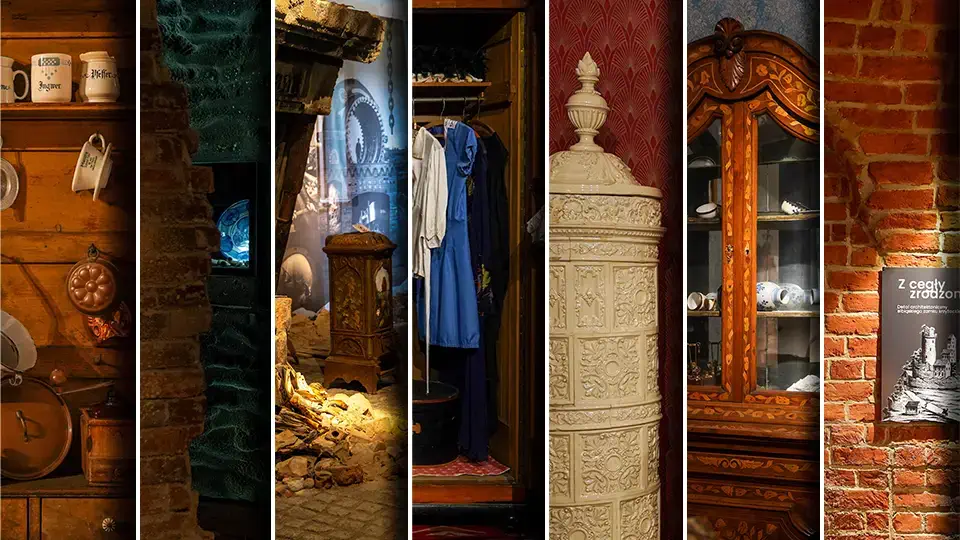
War is a true nightmare, something many unfortunately tend to forget. Anyone who believes in the romanticism of wartime days or the epic nature of military actions should visit the City of New People exhibit at the Archaeological and Historical Museum in Elblag.
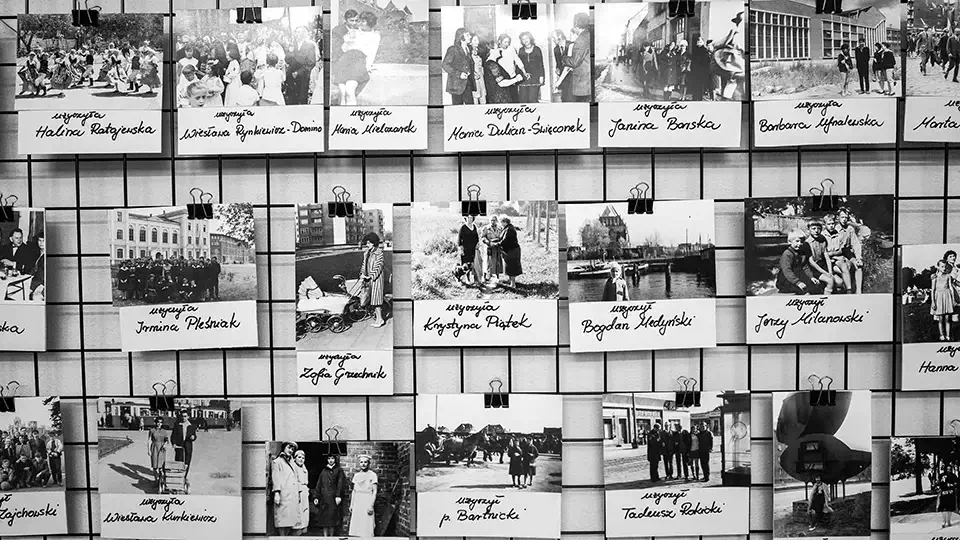
This section of the museum presents memorabilia and stories from the early years after the war. Among the exhibits are not only objects from that period, but also the stories of human lives and their hard work to rebuild a destroyed city. At the same time, the authorities were striving to create a new social and cultural life from scratch, as well as to revive the economy to sustain the rebirth of the city.
The exhibition features thousands of photographs from the post-war years, memorabilia, and personal belongings of people arriving from the most distant corners of the country. Particularly impactful are documents found in ruined homes and documentary films depicting the state of the city after the end of the war. I highly recommend paying attention to the reconstructed flat from that era, furnished with original items donated by Elbląg’s residents.
Żuławy, the tamed land — This is an exhibition dedicated to this extraordinary land
The Żuławy region is a beautiful and still mysterious area situated between Gdańsk, Elblag, and Malbork. This region is as charming as it is unique, not only due to its geographical location but also because of its rich history and the resilience of its inhabitants. Żuławy lies at a very low elevation, meaning the area is marshy and requires complex drainage techniques. It is full of rivers, canals, and intricate irrigation networks.
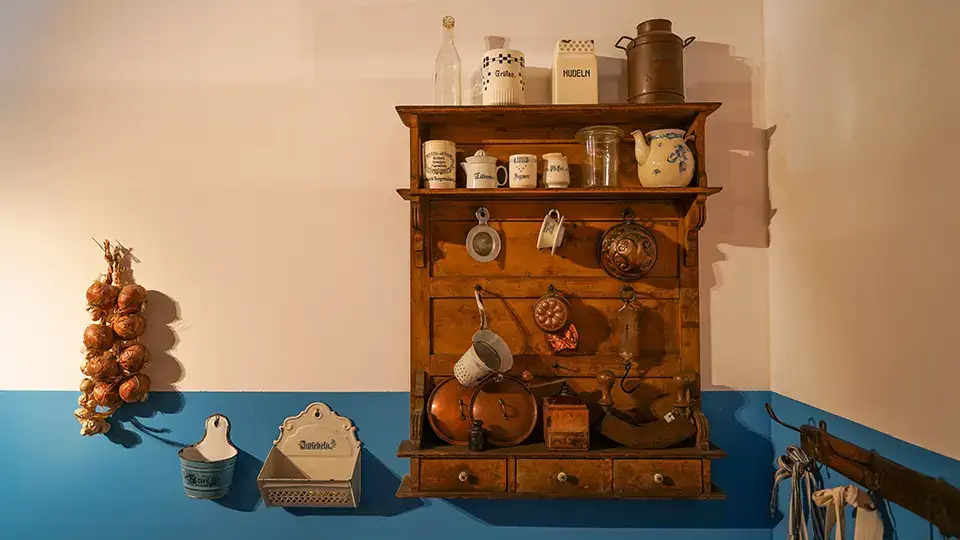
At the Archaeological and Historical Museum in Elblag, you can see a detailed reconstruction of an Żuławy house. The exhibit highlights the most important part of the house: the kitchen, along with its furnishings. You’ll also find household items and memorabilia from the residents of Żuławy. I was particularly impressed by the beautiful tiled stove and the antique furniture.
Goths from the Baltic to Rome – an exhibition telling the story of the Goths, a people who contributed to the development of Europe
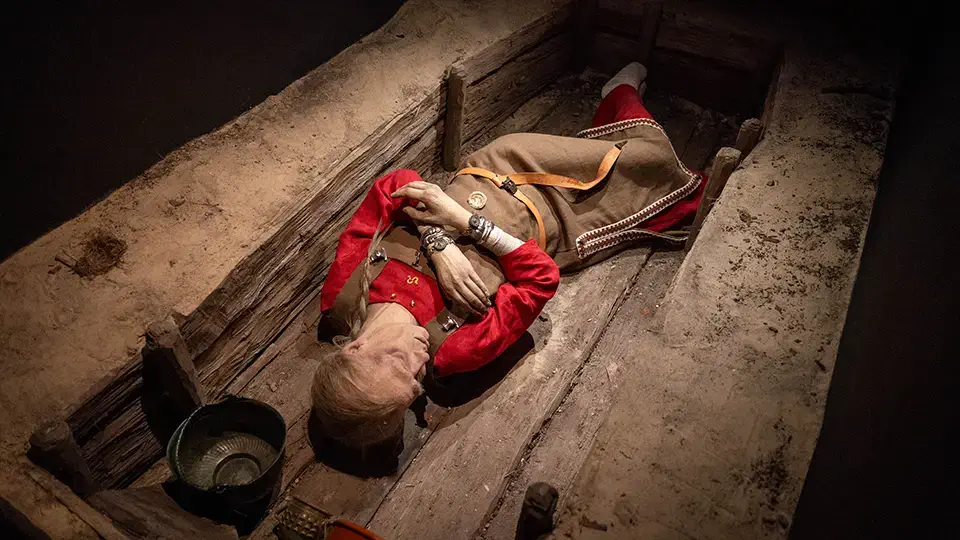
The Goths are one of the most significant East Germanic tribes. Their history on our continent is known from ancient accounts and legends, as there are few historical sources about them. According to the Roman chronicler, the Goths arrived in Europe from Scandza on three ships led by the great warrior Berig. Researchers believe their ships landed at the mouth of the Oder or the Łeba River. They developed rapidly and eventually made their way to Rome itself.
There are many traces of Gothic culture in Pomerania, such as the Stone Circles in Odry. The Kręgi Kamienne Reserve spans over sixteen hectares and includes ten stone circles and twenty-nine burial mounds. The largest circle features a central stone, often referred to as an altar or stele. I highly recommend visiting this site, located in a dense forest in Kashubia.
The exhibit about the Goths at the Archaeological and Historical Museum in Elblag explores the development of Gothic culture along the Baltic shores and their migration southward to Rome. The exhibition includes a reconstruction of a Roman road with its infrastructure, as well as detailed insights into Gothic cemeteries and burial customs.
Elbląg Reconditus – A Journey Through the Ruins of the City
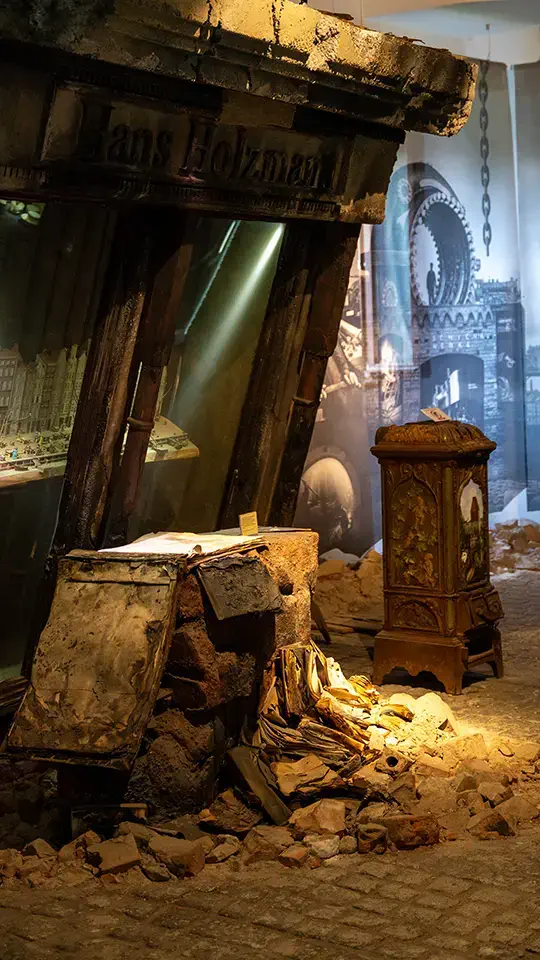
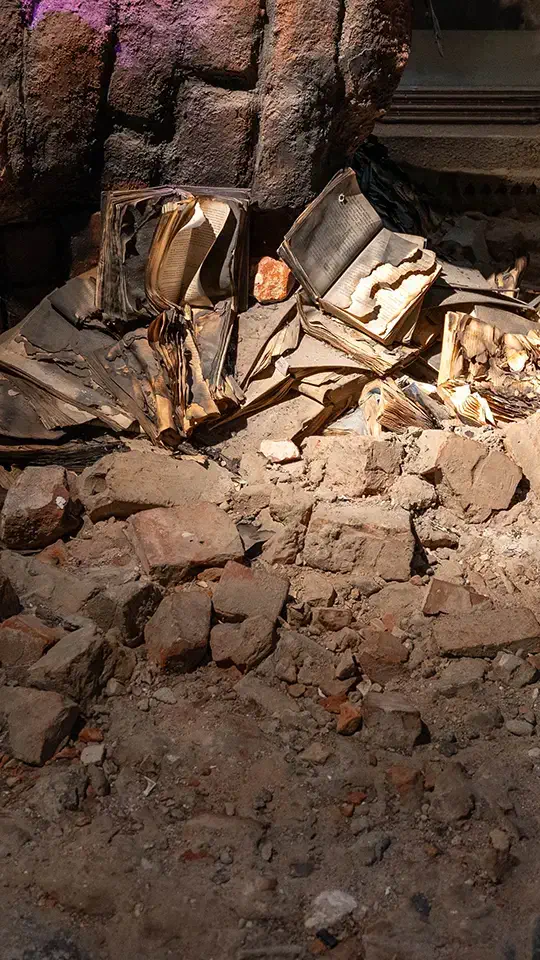
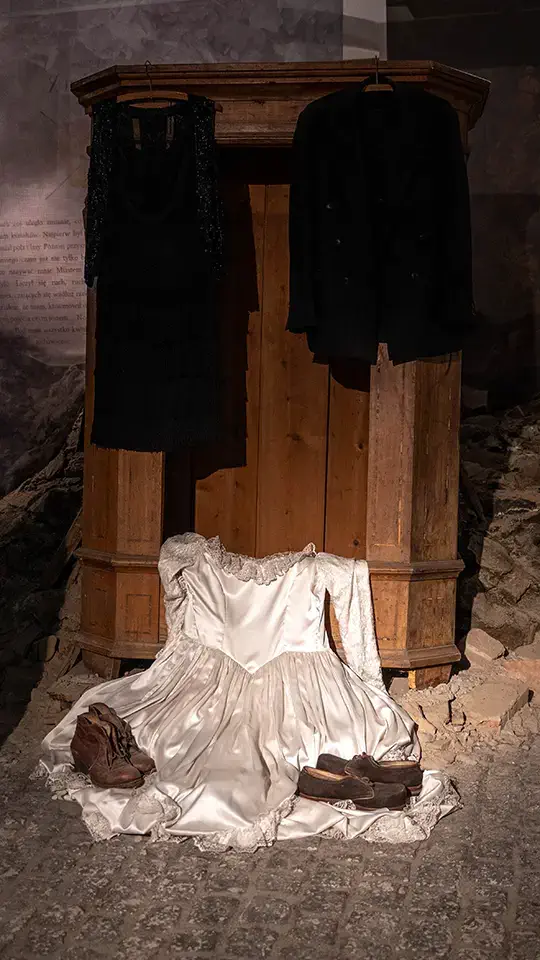
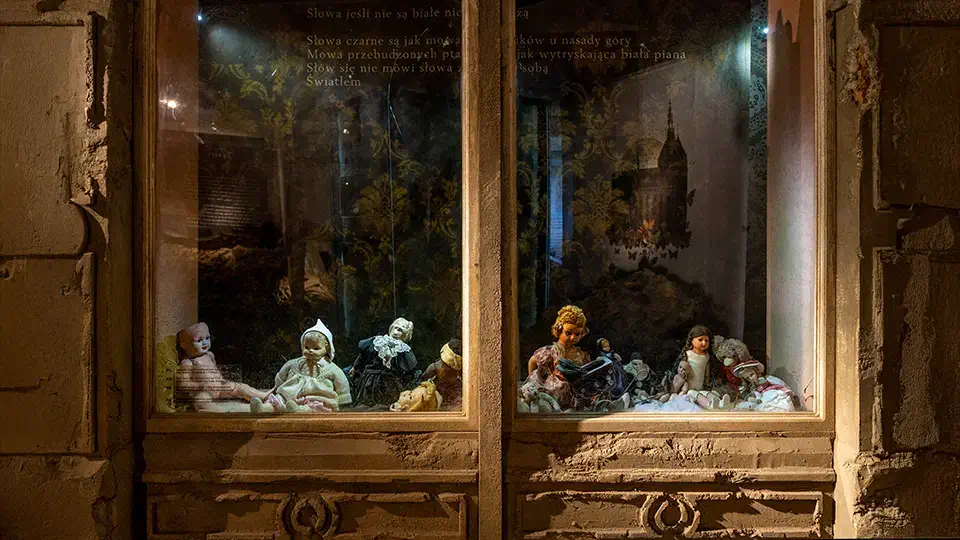
This part of the museum in Elblag is particularly memorable. It is a sad, suffering journey through a city ruined by war. The exhibition uses various media, such as sounds, light, and narration. The tenement houses shattered by bullets, crumbled walls and torn houses from which the intimate objects of their inhabitants spill out create an incredible impression.
Museum of Archaeology and History in Elblag and the observation tower of the Saint Nicholas Cathedral
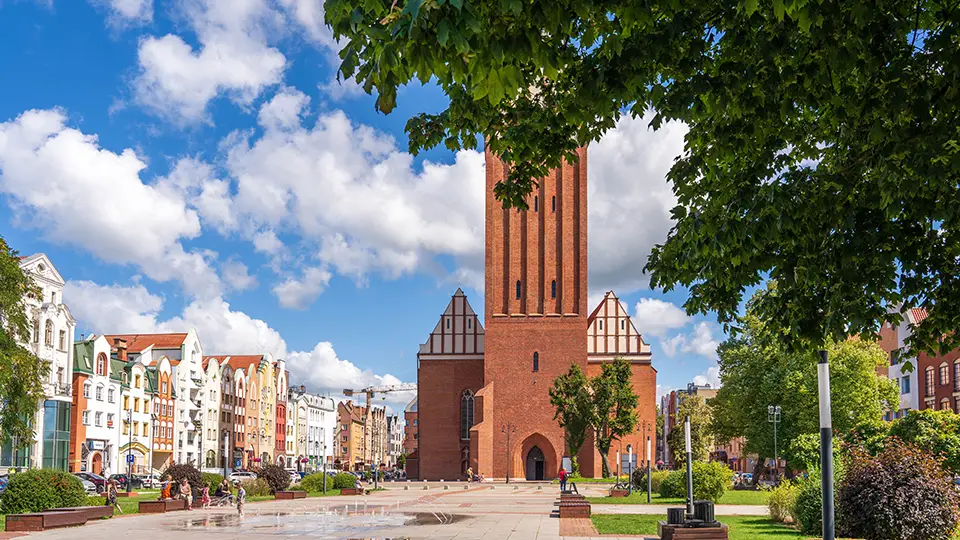
The observation tower in the Cathedral of St. Nicholas is the perfect culmination of a visit to the Archaeological and Historical Museum in Elblag . From a height of almost 100 meters, you will be able to admire the beauty of Elblag and its surrounding areas. An interesting fact is that the Cathedral of St. Nicholas is one of the highest churches in Poland.
The above-mentioned exhibitions are just a part of the giant museum. There are also many interesting things waiting for you outside. I think that the Archaeological and Historical Museum in Elblag is the perfect place to start getting to know this extraordinary and historically rich city. I am sure that you will find many fascinating stories and places that you will remember for a long time.
Museum of Archaeology and History in Elblag facts, information, and curiosities
- The Museum in Elblag is the oldest museum in Warmia and Mazury.
- The museum’s collection includes almost 120 thousand exhibits.
- The museum is located in the historical and historic part of Elblag .
- The museum is located in two buildings, Podzamcze and the Junior High School.
- The oldest exhibits in the museum are over 150 years old and come from archaeological sites around the city.
- The collected exhibits and artifacts tell the history of Żuławy, the Vistula Lagoon and the city of Elblag .
- The museum conducts numerous scientific researches and excavations.
- The Archaeological and Historical Museum in Elblag was opened on March 24, 1954.
- Part of the museum are the collections of the former City Museum, operating since 1864.
- The first exhibition in the museum was; Elblag Crafts.
- A large part of the museum is made up of gifts from the city’s residents.
- The museum’s collection includes many very interesting exhibits, and special attention should be paid to:
- A medieval musical instrument — the guitar. It is the ancestor of today’s guitar and mandolin. There are only three copies of this instrument in the world.
- The oldest glasses found in Europe, they come from the 15th century.
- Antique furniture from Elblag .
- A set of pewter vessels from the 16th century.
- Old prints, maps and city plans.
- A freight lift from the 13th century.
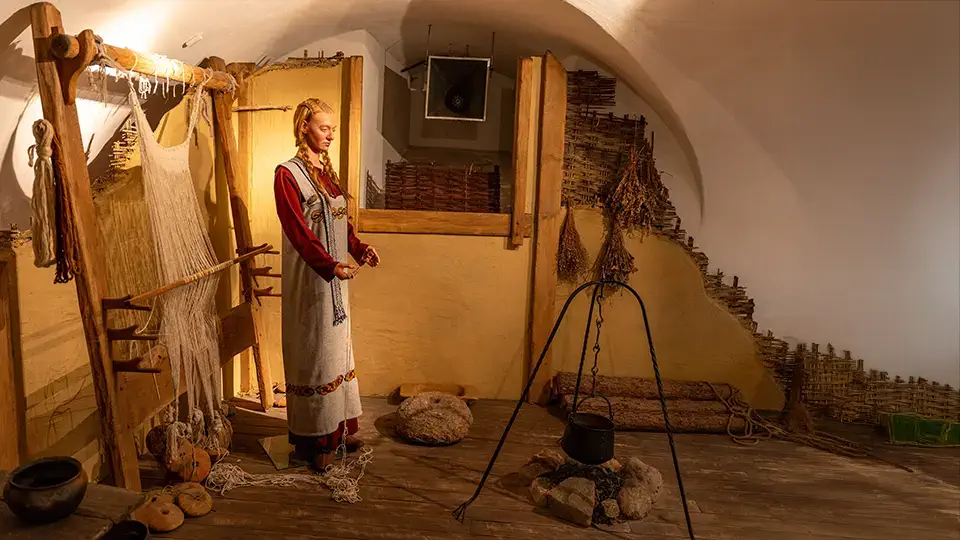
- In 1982, after many years of searching, the ancient port settlement of Truso, established by the Vikings, was discovered. It was located at the mouth of the Vistula. The Anglo-Saxon scholar Wulfstan mentioned it in his diaries from the 9th century. The Elblag museum has a section devoted to this legendary place.
- An important part of the museum are mementos of the former inhabitants of Żuławy and the surrounding area of Elblag.