Gdynia Aquarium, known as MIR, was a place I first visited many years ago during a school trip. However, as is often the case with such trips, I remember very little from it. That’s why I was thrilled to return recently when I found myself in Gdynia again.
In the article below, I’ll share what I saw, provide some information about the Gdynia Aquarium, and gather a wealth of facts and interesting titbits for you. I’ll also try to answer whether it’s worth dedicating an hour or even two to visit the Gdynia Aquarium.
Gdynia Aquarium and its history
I must admit that my first impression of the modernist building housing the Gdynia Aquarium wasn’t particularly encouraging. The structure, built quite a few years ago, needs significant renovation. Constructed in 1938 as the headquarters of the Marine Station, it replaced the station’s previous location in Hel. Along with laboratories and scientific equipment, the new building housed several hundred natural specimens that had been collected over many years by station staff around the Gulf of Gdańsk.
Plans initially included adding another wing to house a maritime museum and an aquarium for live specimens. However, the outbreak of World War II disrupted those plans, halting construction for a long time. The idea was revisited only in 1969 when the building was already under the Marine Fisheries Institute. Construction work was completed in 1971, and on June 4, 1972, the Oceanographic Museum and Marine Aquarium officially opened to visitors. From the start, one of the museum’s highlights was the collection of marine specimens gathered by the Marine Station staff since 1921. Some of the oldest items in this collection can still be viewed today and are considered unique and valuable.
For many years, this Gdynia attraction bore the rather lengthy name of the Oceanographic Museum and Marine Aquarium of the Marine Fisheries Institute in Gdynia. It wasn’t until 2003 that the name was changed to the simpler and more memorable “Gdynia Aquarium MIR.” A few years later, after meeting specific requirements and standards, the aquarium was formally designated as a zoological garden. Meanwhile, the Marine Fisheries Institute relocated to a new headquarters, and the old building was entirely redeveloped into a tourist attraction and educational centre. The facility now hosts educational programs for children and youth, utilizing a cinema hall, laboratories, and computer rooms. According to available data, nearly 50,000 children and adults participate in its educational programs annually.
Thanks to funding from the EU, the Gdynia Aquarium was renovated and expanded in 2021. This upgrade introduced massive tanks featuring sharks and stingrays to the oceanarium, while also enlarging the educational and entertainment spaces.
Gdynia Aquarium practical information to help you prepare for your trip
Ticket prices are a bit of a mystery these days, so I won’t say how much I paid for entry because that information will probably be out of date. I refer you to the official website of the Gdynia Aquarium, where you can buy tickets right away. The offer includes individual tickets, family tickets, and special tickets for seasonal events. Remember, however, that you can’t buy a ticket online for the same day, but you can still buy one at the window at the ticket office.
The Gdynia Aquarium is open at different times, depending on the season.
- From April to May from 9:00 to 19:00.
- In June, from 9:00 to 20:00.
- From July to August from 9:00 to 21:00.
- In September, from 9:00 to 19:00.
- From October to March from 10:00 to 17:00.
The Aquarium is closed on Christmas Day, New Year’s Eve and New Year’s Day, and on the first day of Easter.
The Gdynia Aquarium is located at Avenue Jana Pawła II 1, on the extension of Skwer Kościuszki. To get to the oceanarium by bus, you should get off at the bus stop at Skwer Kościuszki or on 10 February.
It is true that there are no guides in the Gdynia Aquarium with whom you could visit the attraction. However, there is a convenient application that will help you find your way around and gain a lot of information during your stay at the oceanarium.
The Gdynia Aquarium will take you about an hour to visit, unless you like to have a closer look at what is on display in the showcases and the animals living in the numerous tanks. I left after more than two hours, and if it weren’t for my tight schedule I would probably have stayed longer.
Unfortunately, dogs are not allowed in the aquarium, unless it is a guide dog. In the case of an institution such as an oceanarium, such a policy is understandable, after all, aquariums are inhabited by fish and other creatures that may not necessarily be to your pet’s liking and vice versa.
In the summer, there is a small restaurant in the aquarium where you can have a coffee and a snack. I will add that you can also look at the Bay of Gdansk through the huge panoramic windows. Not current, I recommend one of the restaurants near the oceanarium, I especially like Róża Wiatrów and the fish and chips served there.
You can take photos and make videos in the oceanarium, but you are not allowed to use flash because of the inhabitants.
Gdynia Aquarium MIR tour
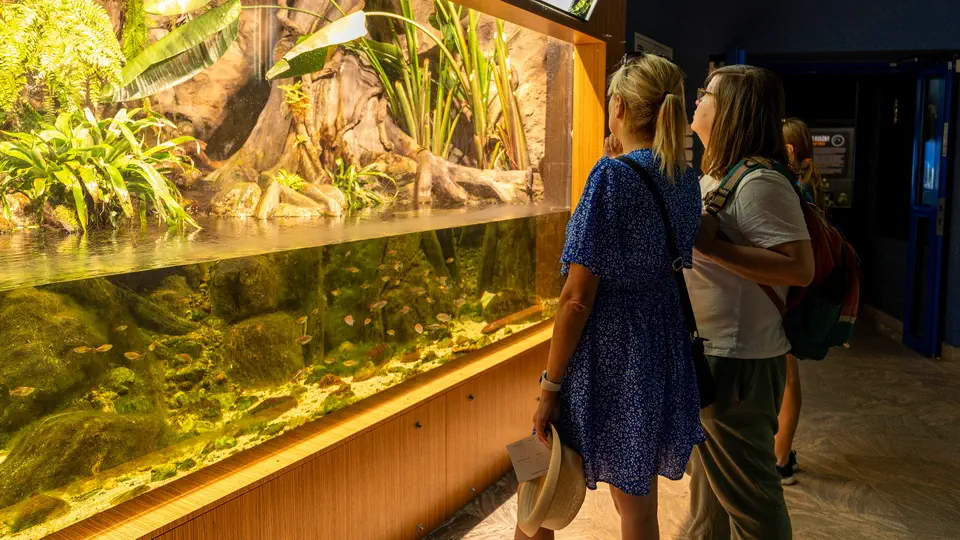
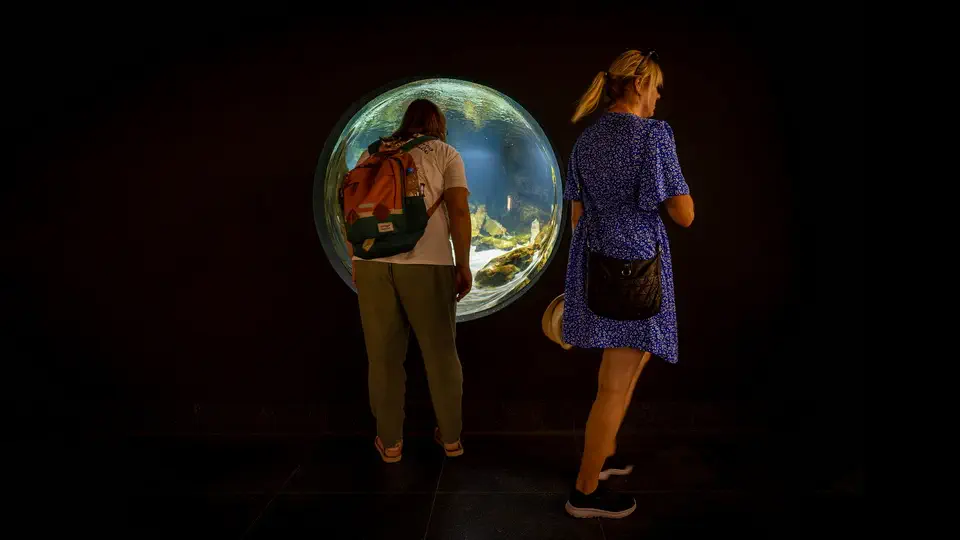
I visited the Gdynia Aquarium during the summer, so, as you might guess, it was fairly crowded—though not as much as I had feared. I purchased tickets several days in advance, so I didn’t have to wait in line and could start exploring right away. The interior of the oceanarium is much more appealing than its exterior. The space is well-organized, with walls and display cases filled with specimens and exhibits, as well as a wealth of textual and multimedia materials, all presented in a clear and engaging way.
The facility features eight themed rooms spread across five floors. There is so much information and so many fascinating creatures that everyone is sure to find something of interest. Below, I’ll briefly describe the order in which I explored the Gdynia Aquarium.
The MIR Gdynia Aquarium and a teaching room with lots of interesting information
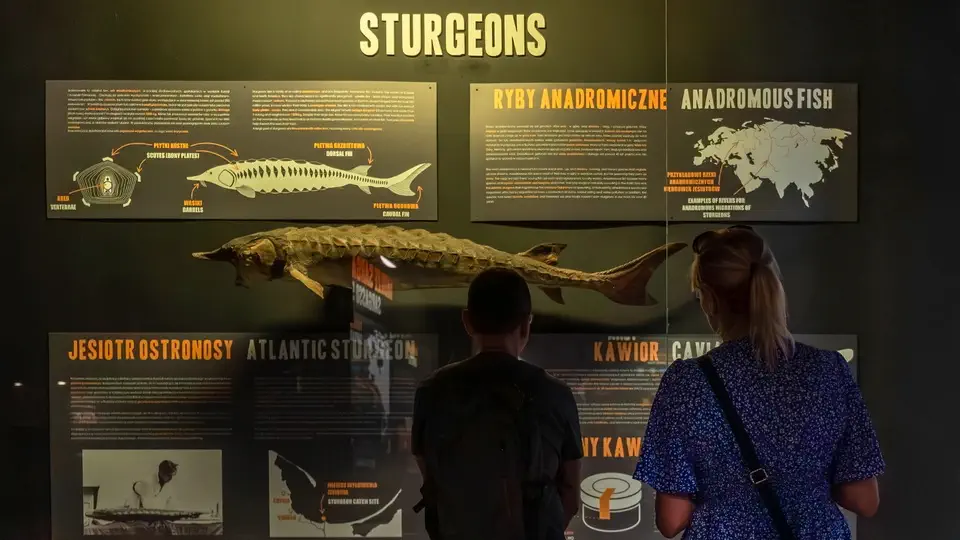
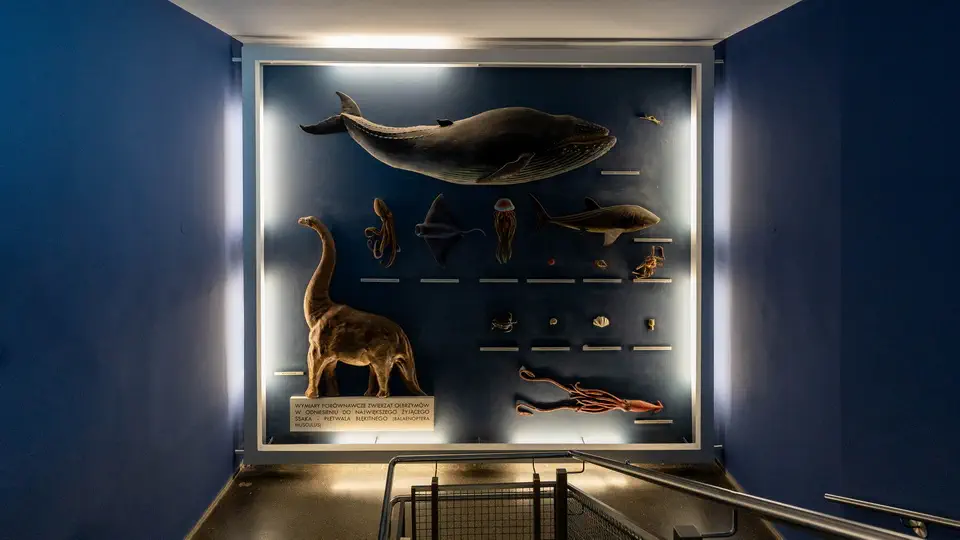
At the very beginning, I was greeted by the enormous jaws of a prehistoric shark. The mouth that once housed them must have been gigantic and could easily swallow you whole—assuming, of course, the nasty teeth didn’t grind you into a paste first. A little further on, you’ll find the educational hall, one of the newer sections of the Gdynia Aquarium.
This area showcases marine specimens along with a wealth of information about them. It’s here that you can see the oldest findings and memorabilia dating back to the days of the Marine Fisheries Institute. You’ll find information about marine reptiles, mammals, and various species inhabiting aquatic environments across our planet. There are also skeletons of animals and their preserved bodies on display. It’s a great spot, especially for those who enjoy delving into the available information, which is presented in abundance and laid out in an accessible and engaging way.
MIR Gdynia Aquarium and Marina Hall
In this section of the aquarium, you’ll learn about the life and entire ecosystem of Puck Bay, specifically the part closer to the shore. This is a remarkable and unique area, quite different from the rest of the Baltic Sea. Due to its shallows and the limited inflow of seawater to the coastline, the entire region acts as a melting pot of biodiversity, unmatched anywhere else along our coastline.
Beyond the informational displays, you’ll find aquariums and water tanks housing typical inhabitants of this part of the Baltic. These include shrimp and sticklebacks—slender fish so thin they resemble blades of seagrass among which they live. Accompanying them are tiny fish called three-spined sticklebacks, a common prey for larger predatory fish. Pay special attention to the flatfish known as plaice, a lazy creature that spends most of its life on the seabed. Its body is so flat it looks as if it’s been stepped on. This unique adaptation allows it to blend seamlessly into the sandy bottom, often becoming almost invisible. Nature truly has some astonishing designs.
The Baltic Hall in the Gdynia Oceanarium
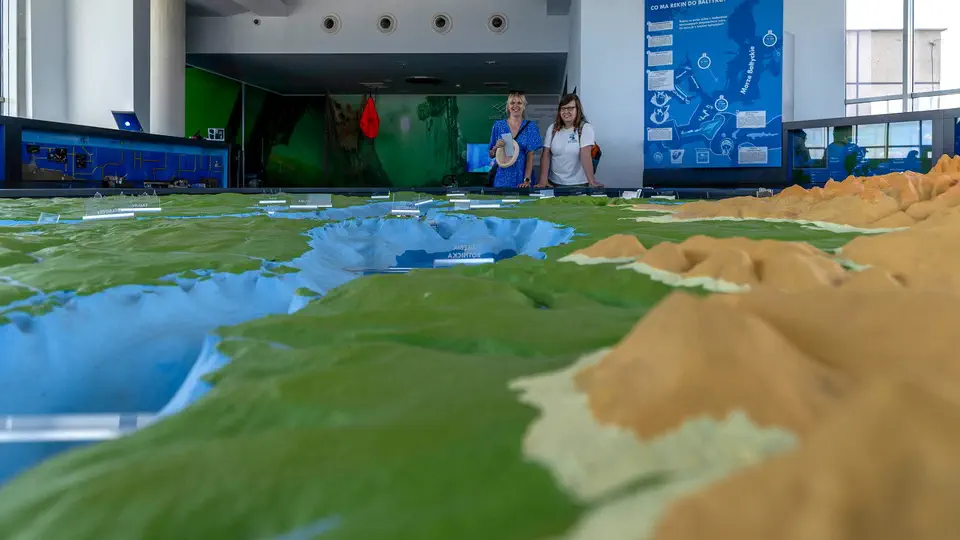
Did you know that the Baltic Sea is the youngest sea on Earth? I didn’t, until I visited the Baltic Hall at the Gdynia Aquarium. At the centre of the hall, there’s a massive three-dimensional map of the Baltic Sea floor. This display reveals just how shallow our sea is compared to other bodies of water. Because the Baltic lacks deep areas and has limited water exchange with other seas and oceans, it boasts a unique character and fascinating inhabitants.
In addition to the map, the hall provides plenty of information about the creatures that call the Baltic home, offering insights into the distinctive ecosystem of this remarkable sea.
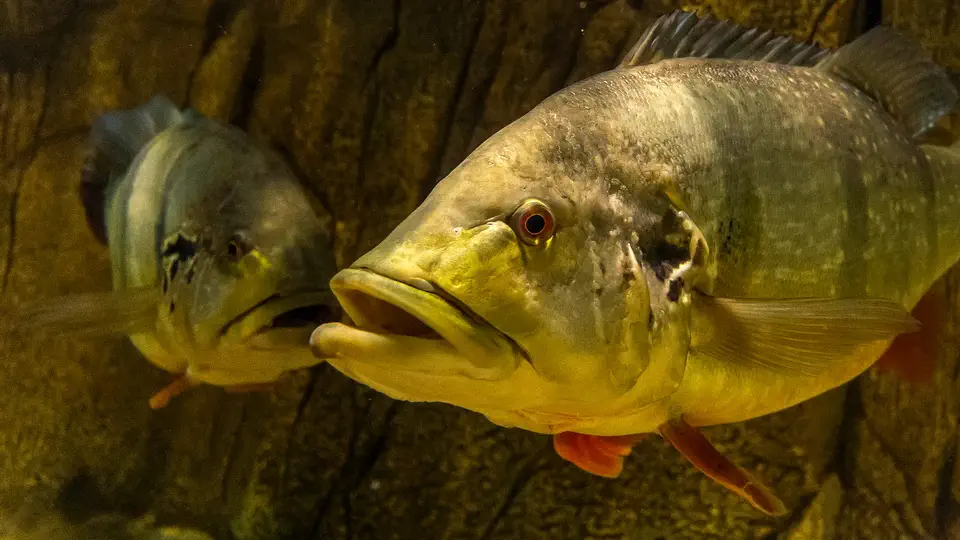
At the interface of water and land
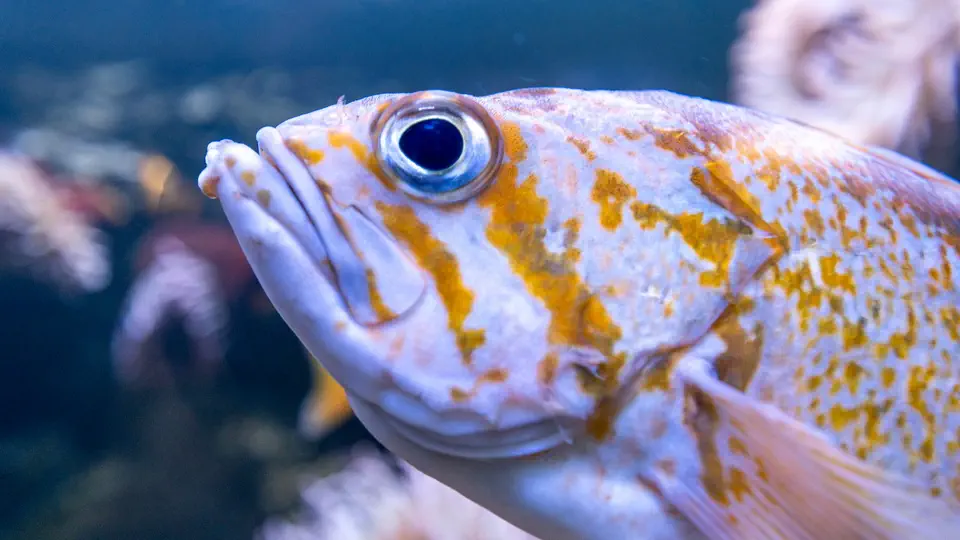
This is one of the most fascinating sections of the Gdynia Aquarium, as it showcases the inhabitants of freshwater bodies in Africa, Asia, and the Americas. What makes these creatures extraordinary is their ability, developed over millions of years of evolution, to live both in water and on land.
Here, you can observe live short-snouted crocodiles, which naturally inhabit streams and shallow ponds in rainforest areas. Interestingly, this species feeds not only on small animals and fish but also on fruit. Although short-snouted crocodiles are not large, they remain dangerous and aggressive reptiles—don’t be fooled by their seemingly friendly appearance!
Another intriguing creature is a small fish from Asia that hunts tiny insects by shooting water above the surface. It’s so skilled at this that it can hit an insect sitting on a branch over two meters away with a precise jet of water.
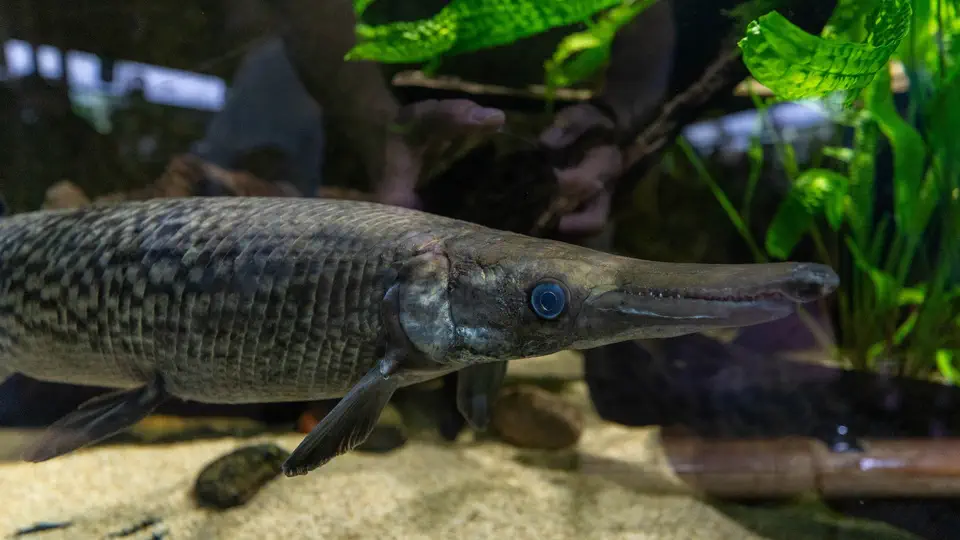
You’ll also encounter the impressive alligator gar, a massive fish that can grow up to three meters long and weigh well over 100 kilograms in the wild. With its size and sharp teeth, it’s capable of preying on snakes and even turtles.
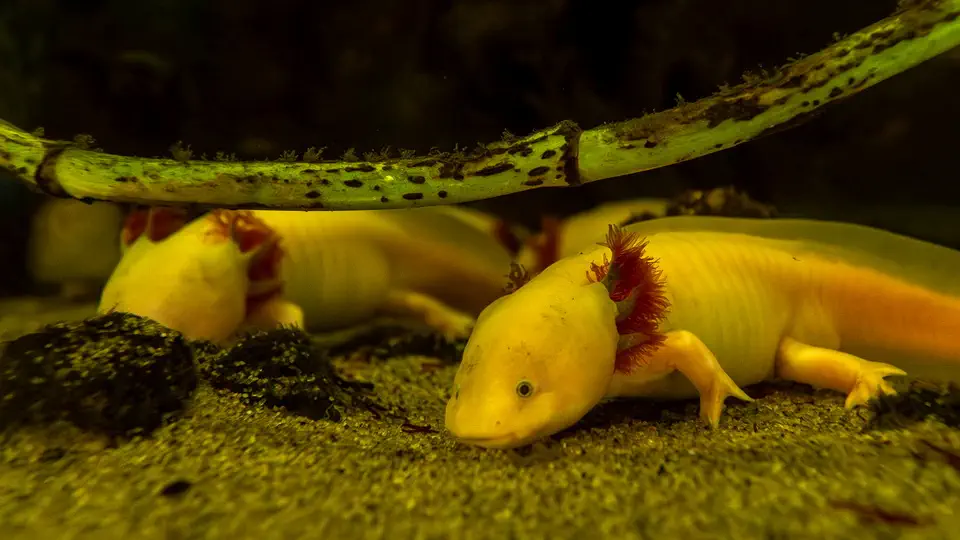
However, my favourite from this part of the Gdynia Aquarium is the Mexican axolotl. This creature is fascinating not only for its appearance but also for its incredible abilities. It’s one of the few animals capable of regenerating limbs and transforming into an entirely different creature—a salamander.
The axolotl is a highly valued laboratory animal, aiding in the study of the limitations of transplantation and genetics.
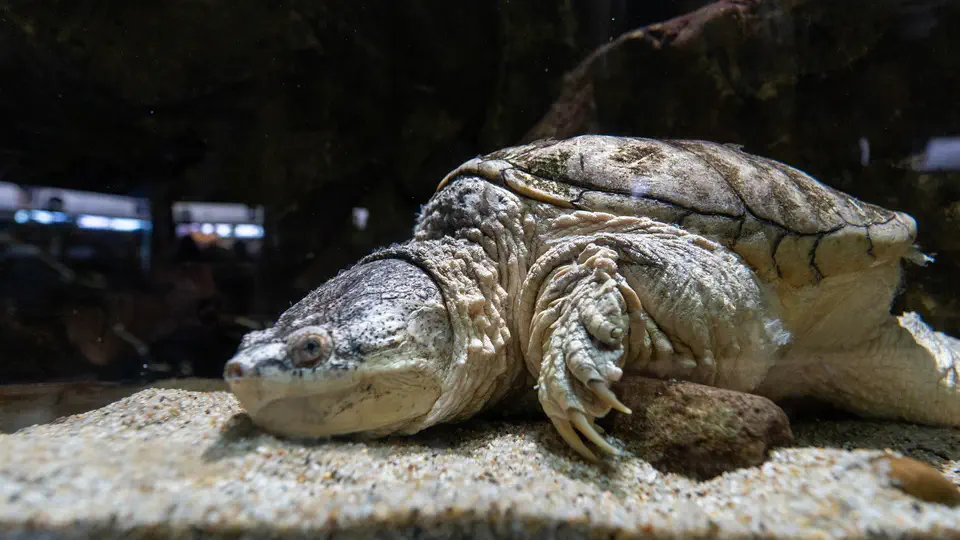
Equally fascinating is the alligator snapping turtle, a resident of nearby tanks and a native of Canada. This species is among the most aggressive turtles in the world. Despite this, in its natural habitat, it can lie in wait for prey, buried in soft mud near the shore, remaining motionless for hours on end.
Coral reef in the Gdynia Oceanarium
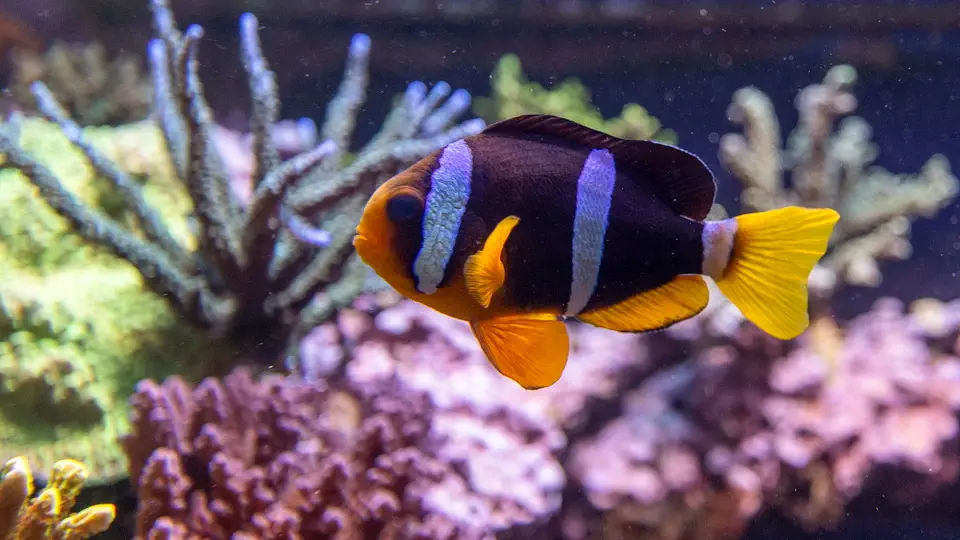
A coral reef is truly a metropolis of marine life. It’s no wonder they are often called the “tropical forests of the oceans.” The largest coral reef in the world is the Great Barrier Reef in Australia. Coral reefs form from the skeletons of reef-building organisms, meaning that in a way, they are enormous skeletons made up of the bones of millions of creatures.
Although coral reefs constitute a small portion of the ocean floor, they are home to 25% of all marine species, especially those caught by fishermen. Few realize that the existence of coral reefs supports the lives of over 500 million people. Unfortunately, global warming is contributing to the destruction and death of corals. Increasing ocean pollution also hinders the growth of reefs.
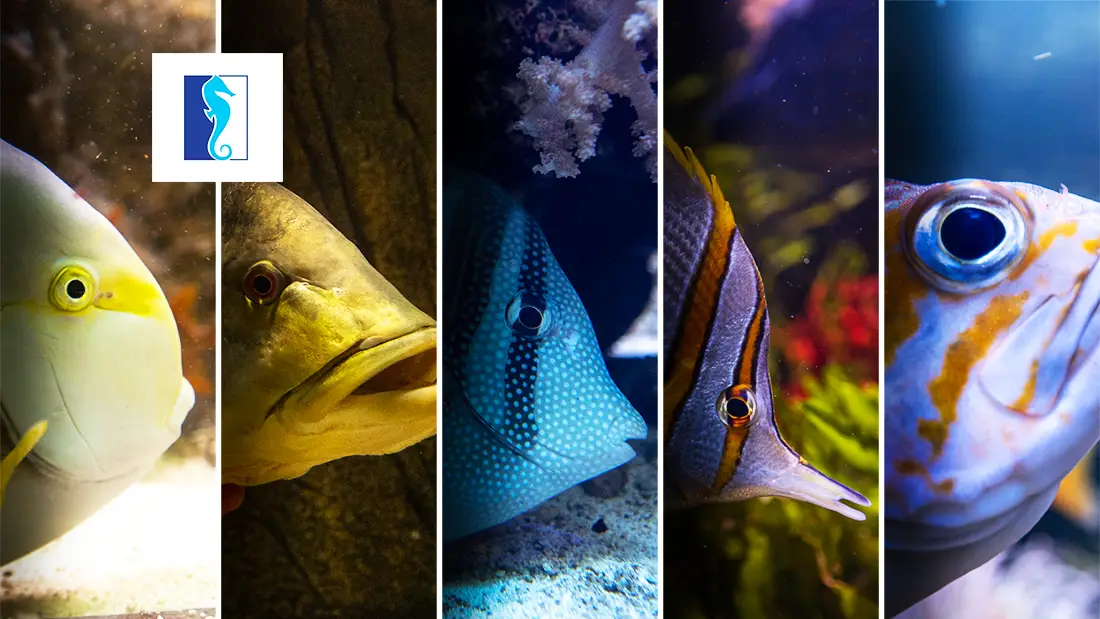
At the Gdynia Aquarium, various creatures from coral reefs have been gathered. These include seahorses, rather unattractive fish called unicornfish, and much more beautiful species like zebrasoma, which are named for their zebra-like stripes. There are also the stunningly vibrant yellow pensetniks, similar to parrotfish and yellow zebrasomas. Every child is sure to love the clownfish, a star in the movie Finding Nemo.
Water Animals of the World
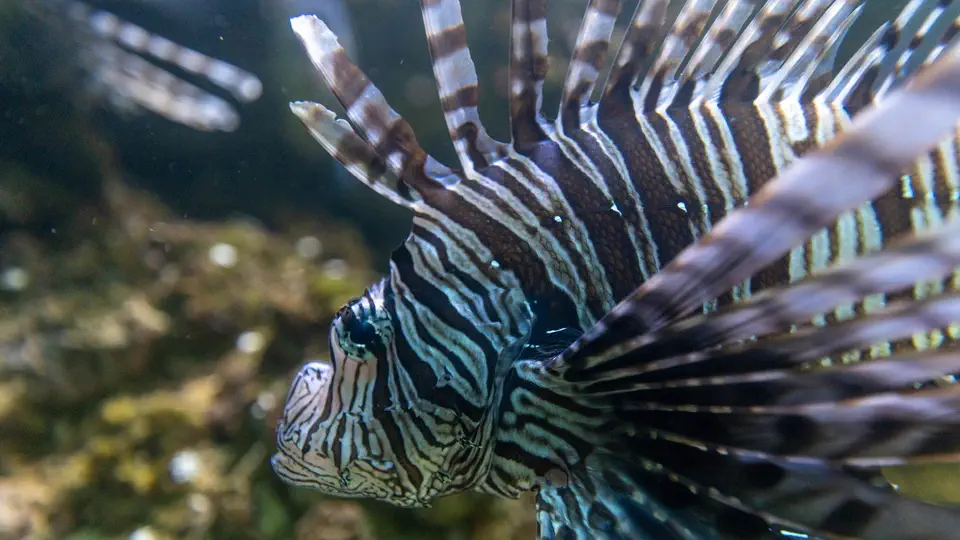
In the spacious hall, home to various aquatic creatures from around the world, you’ll meet the inhabitants of nearly every body of water on Earth, though the Pacific is most prominently represented. My personal favourite is the stingray, not only because of its cool name but also because of its fascinating behaviour. This creature can remain motionless for hours on the seabed, patiently waiting for an unsuspecting prey to swim by. When a fish gets too close, the stingray strikes quickly, using its venomous barb on the tail to deliver a lethal blow. It’s a very dangerous animal, so it’s best not to get too close.
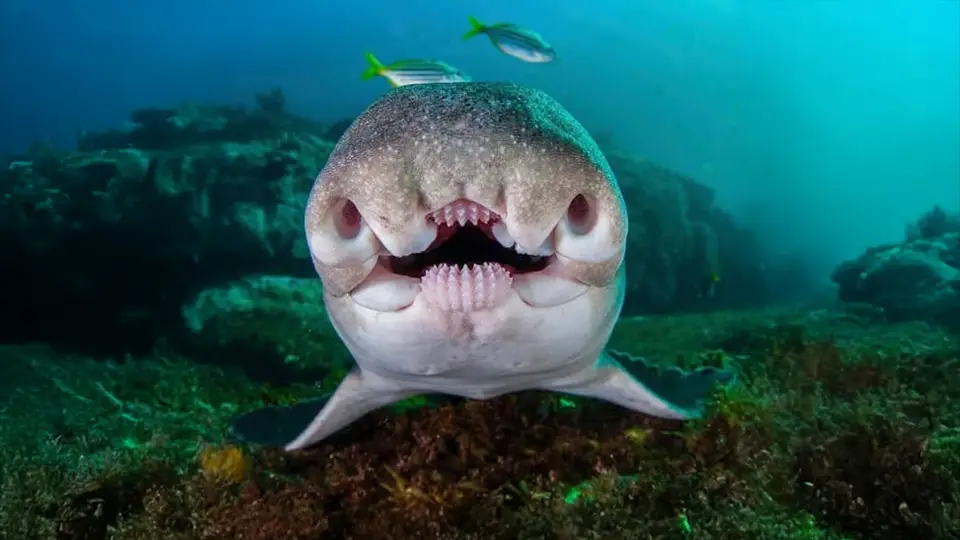
Next door lives another dangerous predator, the horn shark, which waits for its prey among rocks and crevices on the ocean floor. Unlike other sharks, it has a fascinating pattern and markings on its body, somewhat reminiscent of predatory cats. And of course, there’s that terrifying mouth—definitely not something you’d want to encounter on your path.
Another shark residing in one of the tanks is the epaulette shark. It’s a true lazybones; instead of swimming, it spends its time in water currents, allowing it to breathe without the need to move. It also enjoys walking along the seabed, using its fins like legs. You’ll also find moray eels, which are very dangerous and aggressive creatures, known as excellent nocturnal hunters.
Look out for the small, colourful fish called platexas, which drop to the seabed like leaves to hide from predators. There’s also the ugly, horror-like creature known as the scorpionfish, and its neighbour, the batfish, which isn’t much more attractive. The batfish lacks beauty and has venomous spines that can kill an adult human.
On the other hand, I was quite fond of the gray needlefish, a clever creature that lives near large predators that offer it protection. It’s a rather large fish with a face that always looks surprised. In the aquarium, it’s accompanied by colourful cardinal fish, which are unique in that they give birth to live larvae instead of laying eggs.
However, the most beautiful residents of the World’s Aquatic Animals section in the Gdynia Aquarium are the anemones. These creatures attach themselves to the substrate and attract small fish with their charming appearance, only to devour them mercilessly. Some of these animals can move slowly and clumsily in moments of danger. Starfish are almost as enchanting as anemones. In the aquarium, I saw, among others, the sunflower starfish, one of the largest found in the seas.
Amazonia and the creatures living in the currents of the queen of rivers
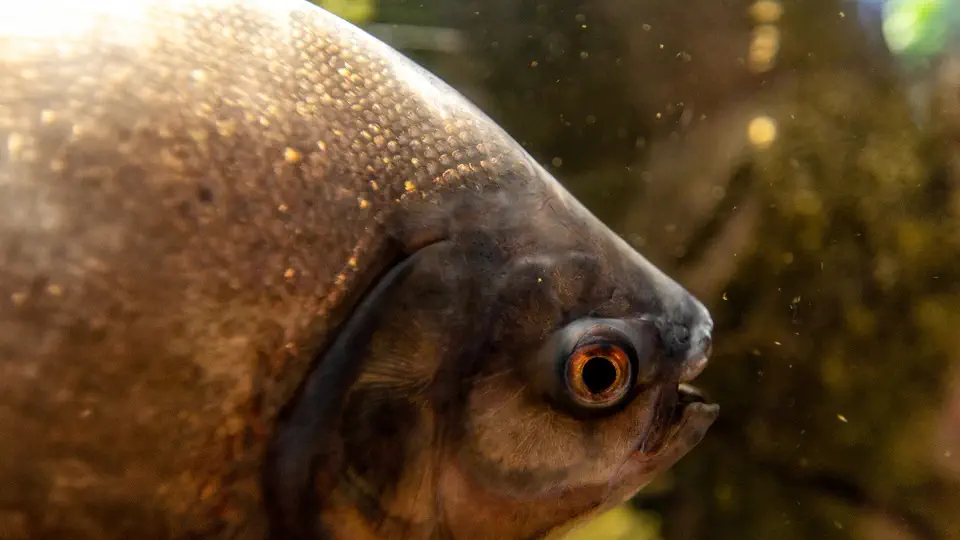
The section of the aquarium showcasing creatures from the Amazon is rich and fascinating. The entire room has a tropical atmosphere, with warmth and humidity. Did you know that the Amazon Basin is one of the most biodiverse areas on our planet? The surrounding rainforests are often referred to as the “lungs of the Earth.”
In the aquariums set up here, you’ll see beautiful stingrays and strange silver arowanas, which, when hunting, can leap out of the water and perform the most bizarre acrobatics. Due to this agility, they’ve earned the nickname “water monkeys” from the local people of the Amazon. Other inhabitants include cichlids, the only fish in the world that lovingly and selflessly care for their young.
The Amazon is not only home to fish, but also reptiles and amphibians. In one of the aquariums, I watched as a massive green anaconda was being fed. This giant snake can weigh up to 250 kilograms.
The Cold Sea is the last section in the MIR Gdynia Aquarium
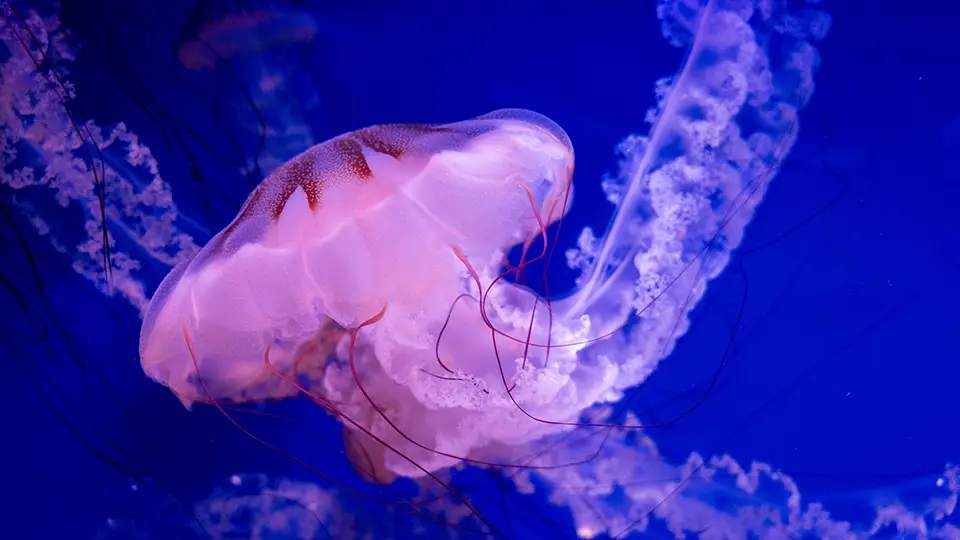
In the room named the Cold Sea, the atmosphere of the North Atlantic is recreated, home to many species of animals. Here, you’ll see large wolf fish, lobsters, giant shoals of silver sprats, and even a small devil ray that can swim in water just shy of freezing. There are also large stingrays and starry sharks, along with their odd relatives, the spotted sharks.
The most beautiful residents of the sea, in my opinion, are jellyfish. In the Gdynia Oceanarium, there’s a large aquarium dedicated to these creatures, specifically the Atlantic nettle, whose long and delicate tentacles can sting painfully. An interesting fact is that the Gdynia Aquarium is the only place in Poland where these creatures are bred and propagated.
At the end of the visit to the MIR Gdynia Aquarium
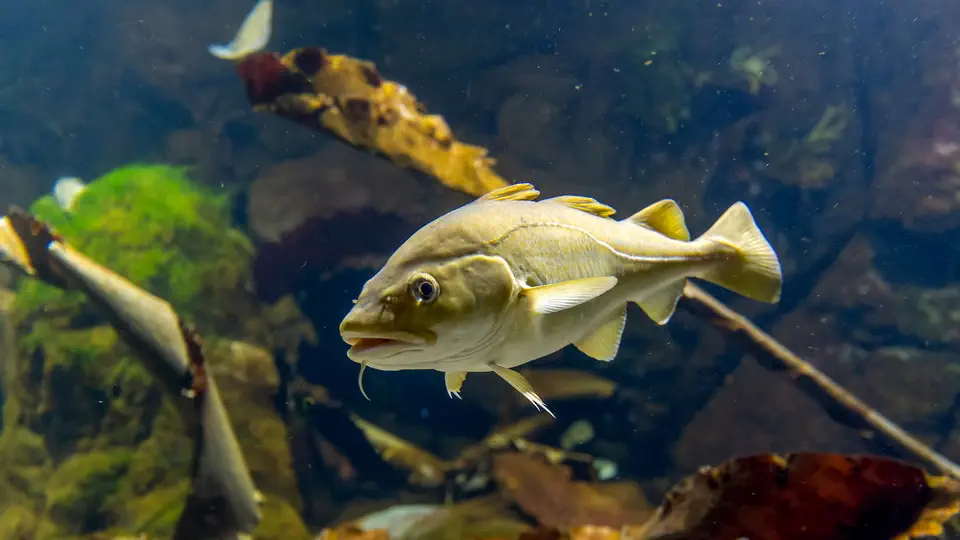
My visit to the Gdynia Aquarium MIR was very intriguing and smooth. The information I gathered at the oceanarium was engaging and presented in a friendly way, and the aquarium residents were eager to pose for a photo. I believe that when you’re in Gdynia, it would be a shame not to visit the aquarium, as we don’t have many such attractions in the country.
In the comments, I noticed some complaints about too much information and theory, and too few aquariums with animals. I disagree with that. Although you do need to go through an introduction in the educational room before you reach the tanks with marine creatures, it’s worth doing, especially if you’ve brought children with you.
Of course, the Gdynia Aquarium isn’t the largest in the world and can’t be compared to, for example, the S.E.A. Aquarium Marine Life Park in Singapore, as it is an entirely different type of tourist attraction. However, at the Gdynia Oceanarium, you can still embark on a fascinating journey to the ocean depths and have a great time.
Gdynia Aquarium MIR facts, information, and curiosities
- The Gdynia Aquarium MIR was established in 1971 under the name of the Oceanographic Museum and Marine Aquarium of the Marine Fisheries Institute in Gdynia.
- The Oceanarium is part of the Marine Fisheries Institute.
- The oceanarium building dates back to 1938.
- The Gdynia Aquarium MIR is divided into 8 sections, including the Baltic Room, the Coral Reef and the Amazon.
- The oceanarium houses 76 aquariums.
- The aquariums are filled with 600 tons of water.
- The tanks are home to over 1,500 living creatures from over 250 species.
- The Aquarium in Gdynia, apart from presenting marine flora and fauna, also works in the field of education and expanding knowledge about life on Earth and the relationship between our actions and the natural state of the planet.
Other attractions in Gdynia and the immediate vicinity
- Dar Pomorza is a beautiful three-masted sailing ship moored at the quay in Gdynia, which today, after many years of hard work at sea, serves as a museum ship.